
Category: All
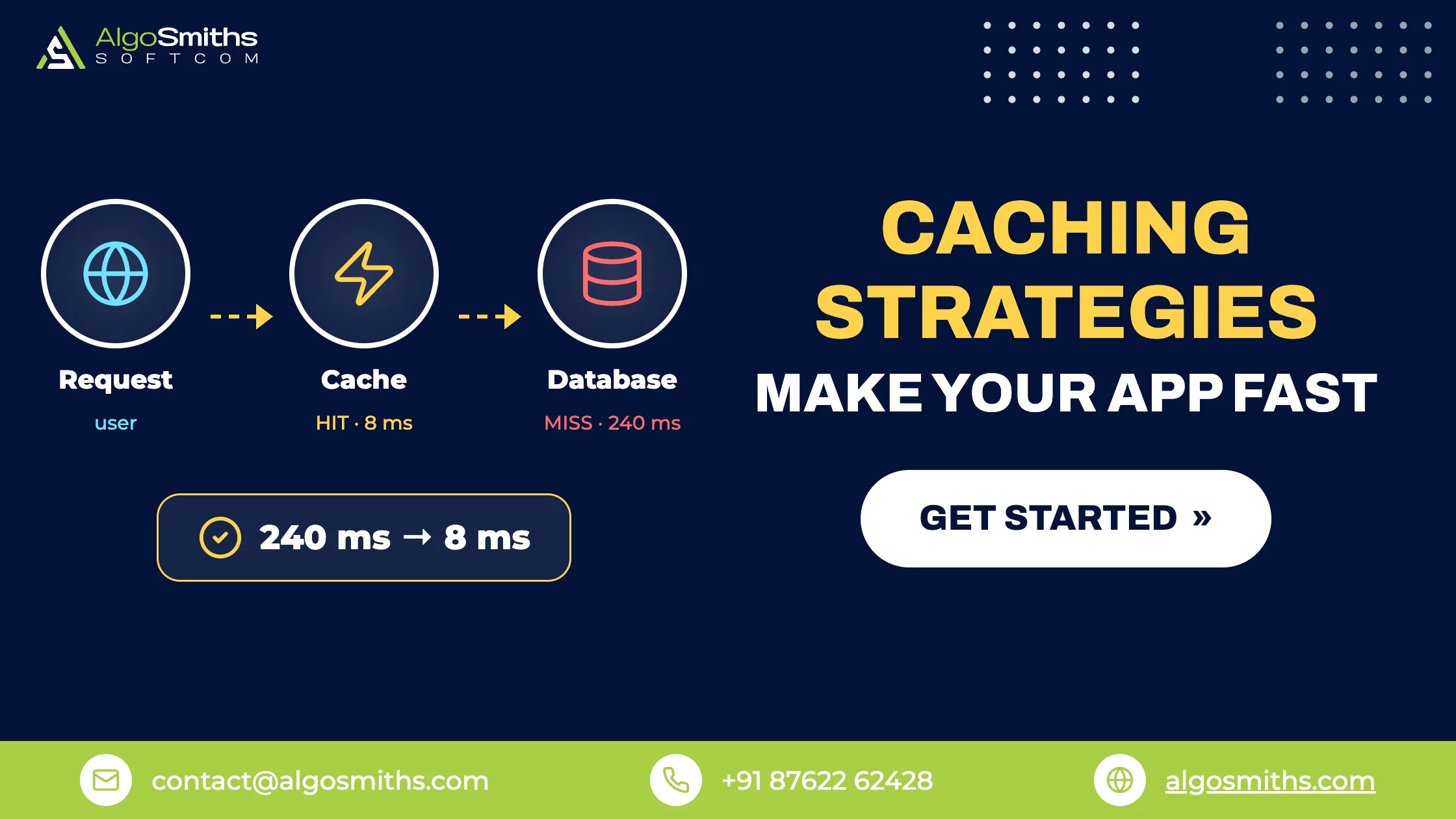
Caching Strategies for Startups: A Founder's Guide to Making Your App Fast Without a Rewrite in 2026
Slow apps lose users and burn money on oversized servers, but most startups reach for a bigger database long before they reach for a cache. This founder-friendly guide explains what caching is, where to add it, and which strategy fits your MVP. You'll get practical patterns for Redis, HTTP, and database caching, plus the mistakes that quietly corrupt your data.
Samrat

LLM API Costs: What Your AI Feature Costs Per User
LLM API costs explained: how token pricing works, what an AI feature costs per user per month, and the levers that cut the bill before you ship.
Samrat
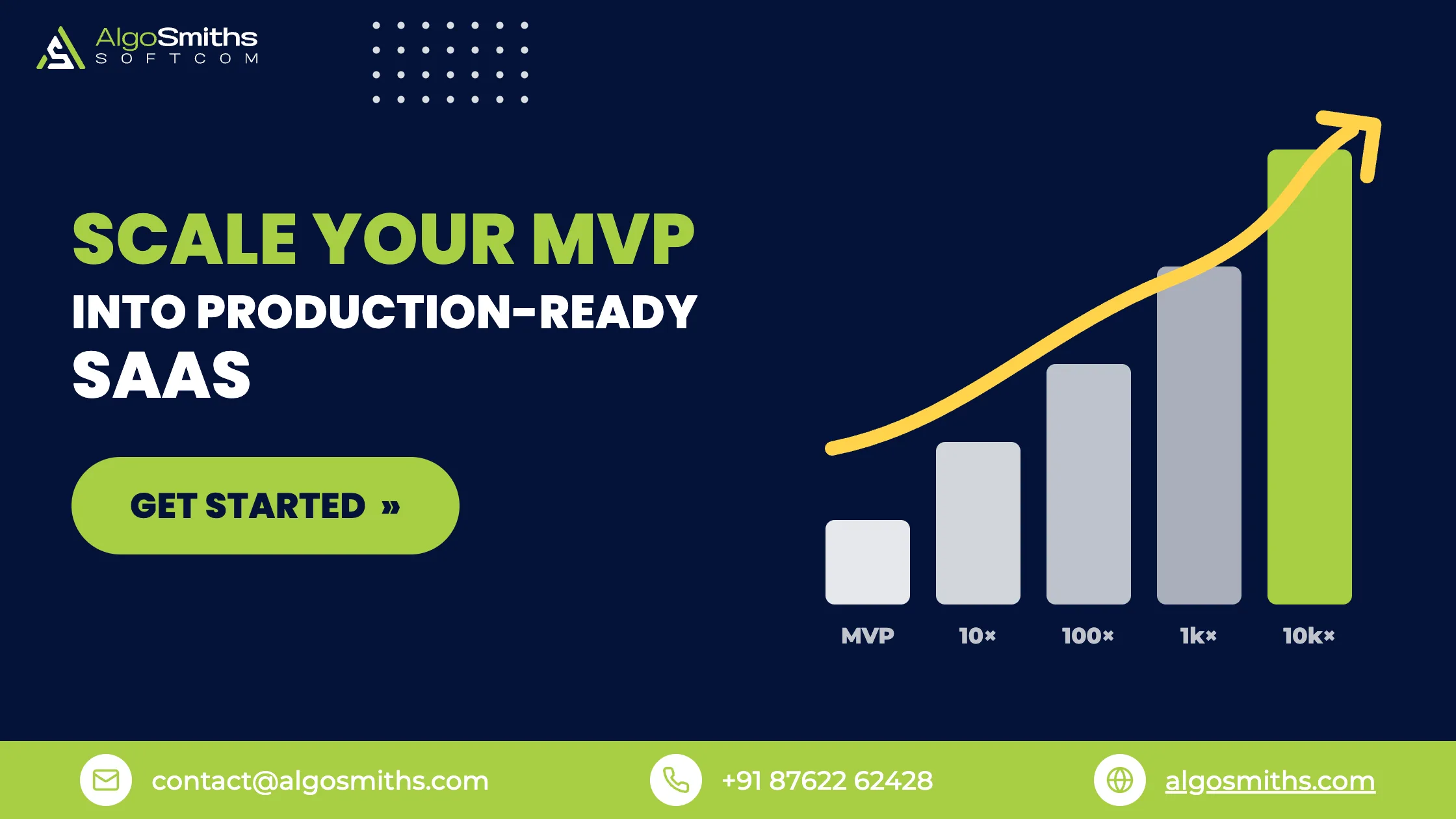
How to Scale Your MVP into a Production-Ready SaaS Without a Rewrite
Your MVP found traction — now it has to hold up under real users, real data, and real revenue. This founder-friendly guide shows you how to turn a scrappy MVP into a production-ready SaaS the right way: what to harden first, how to tackle technical debt without stalling growth, and how to scale your database, infrastructure, and team without an expensive rewrite.
Samrat
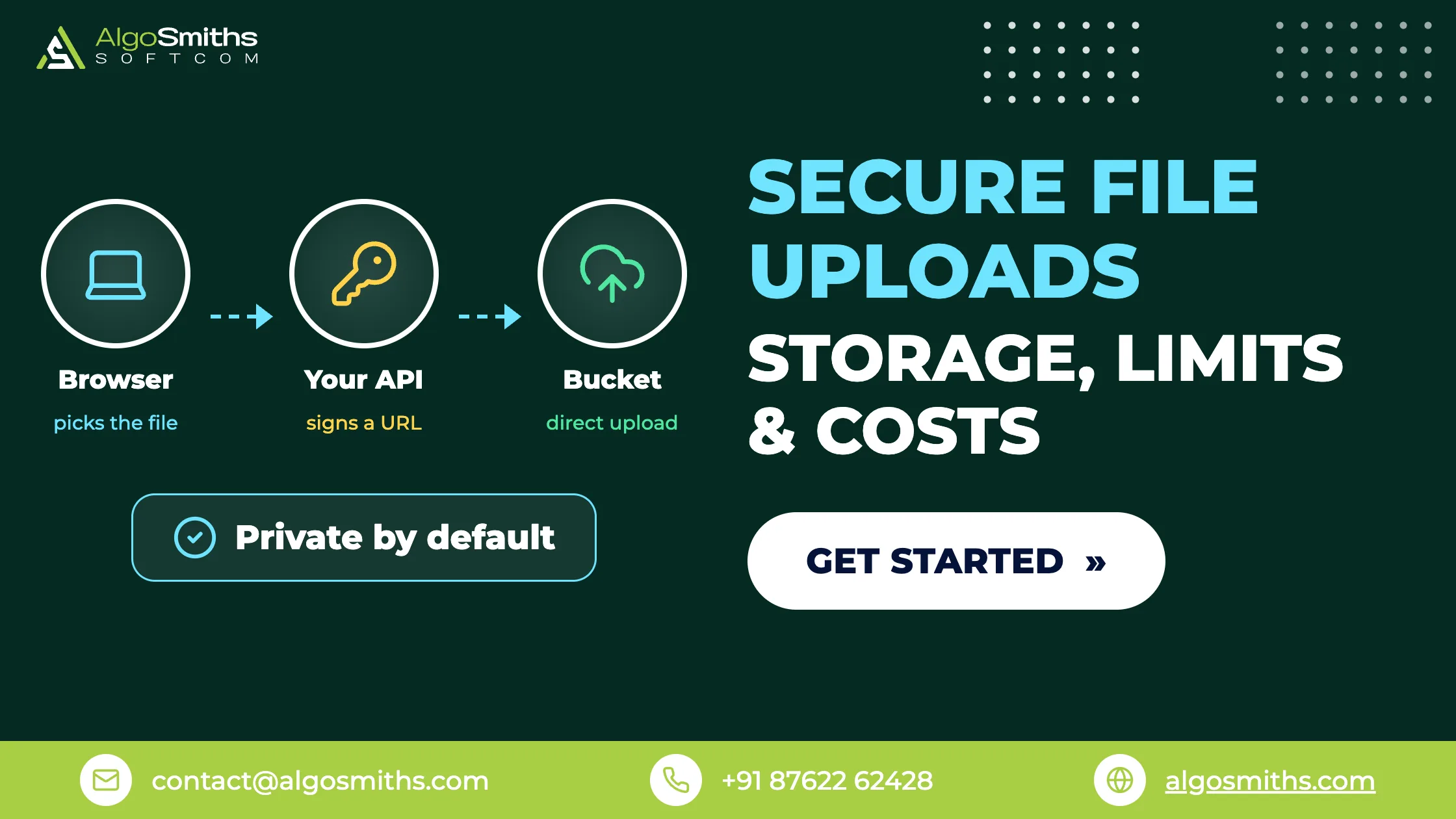
Secure File Uploads for SaaS: Storage, Limits and Costs
Secure file uploads for SaaS: where to store files, how to sign uploads, what limits to set, and how to keep storage costs predictable.
Samrat

Why Your Small Business Needs a Website (And How to Get One Fast!)
As a small business owner, having an optimized online presence through your own professionally-designed website is essential to remain competitive in today's digital landscape. While you may have succeeded so far using traditional marketing techniques, a website is now, more than ever, a make-or-break investment. Simply put, without a website you are invisible to a huge number of potential customers searching for your offerings each day via Google. That's why it's crucial for you to stop delaying the creation of your website as we step into 2025.
Anagha Masane
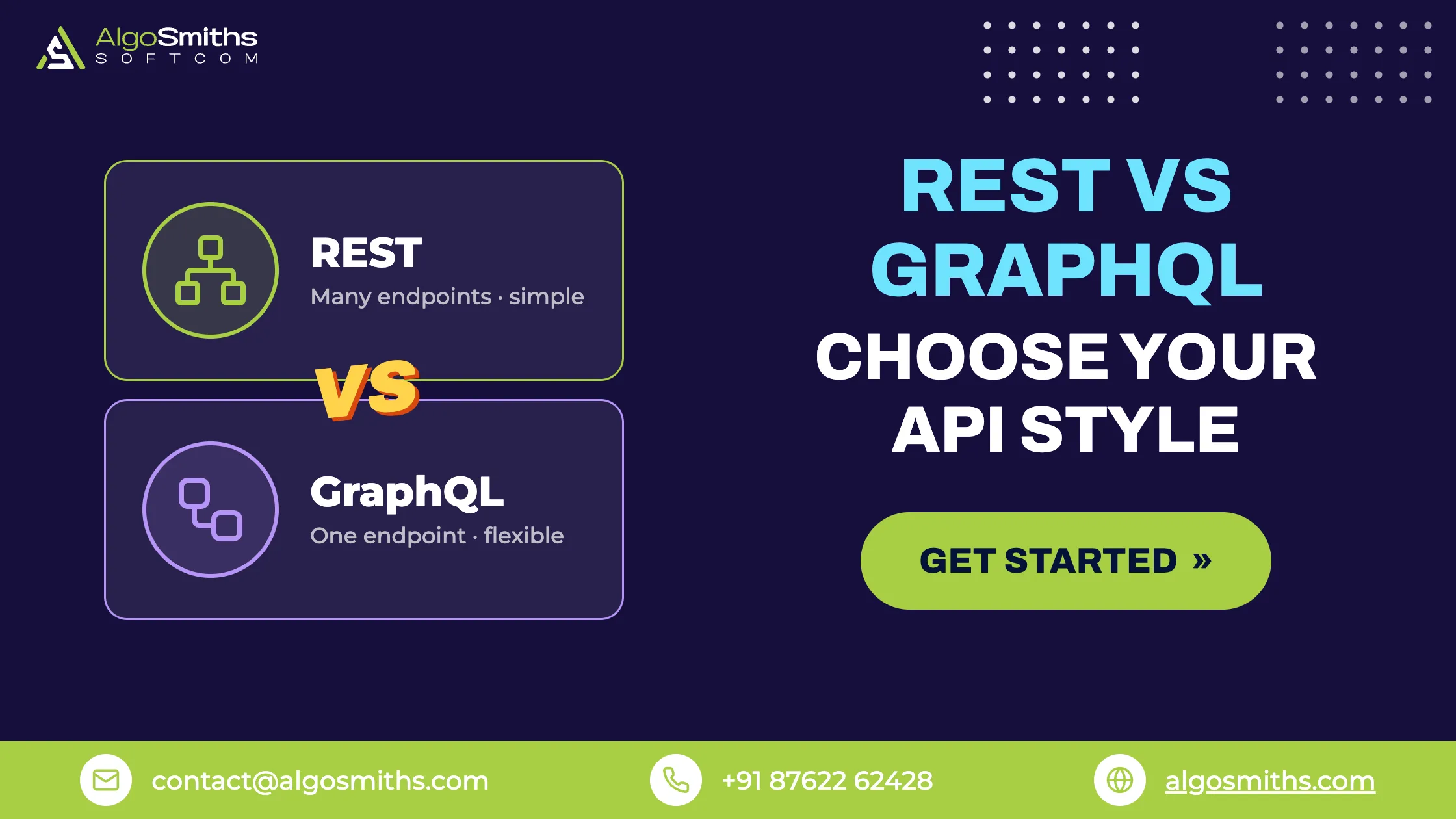
REST vs GraphQL for Startups: Which API Style Should You Choose for Your MVP in 2026?
Choosing between REST and GraphQL is one of the first architecture decisions your MVP forces on you — and the wrong call can slow every feature that follows. This founder-friendly guide breaks down how each API style actually works, where each one shines, the real trade-offs in cost and complexity, and a practical framework for picking the right one (or both) for your startup in 2026.
Samrat

Full-Text Search for Startups: A Founder's Guide to Adding Search to Your App (Postgres, Elasticsearch, and Beyond) in 2026
Search is the feature users notice the moment it's missing — yet most startups bolt it on with a slow LIKE query that breaks at scale. This founder-friendly guide explains how full-text search actually works, when PostgreSQL is enough, and when to reach for a dedicated engine like Elasticsearch, Meilisearch, or Typesense. You'll get a practical decision framework, a clear comparison, and the common mistakes that quietly wreck relevance and performance.
Samrat
Lovable Preview vs Production: 9 Fixes for Founders
Your Lovable preview works but production breaks. Diagnose and fix the nine most common causes, from missed republishes to Stripe live-mode keys.
Samrat
Monolith vs Microservices for Startups: How to Choose the Right Architecture for Your MVP in 2026
Should your startup build a monolith or microservices? This founder-friendly guide compares both approaches, explains why a modular monolith is usually the smarter starting point for your MVP, and lays out the exact signals that tell you it's time to split into services. You'll get a practical comparison table, a step-by-step migration path, and the architecture mistakes that cost founders the most time.
Samrat
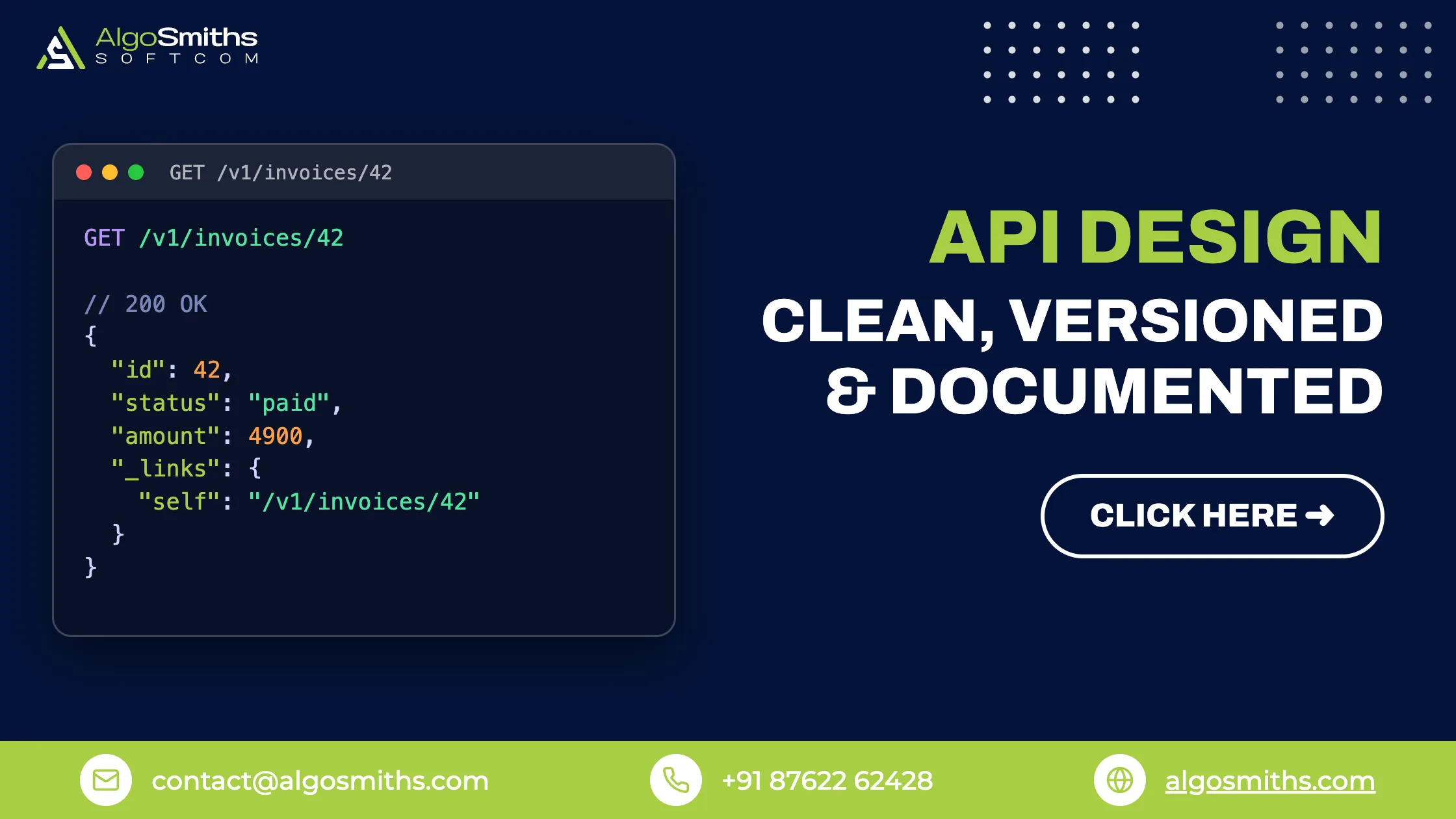
API Design for Startups: A Founder's Guide to Building Clean, Versioned, Well-Documented APIs in 2026
Your API is a promise to every developer, partner, and future version of your own team — and a messy one quietly slows every integration that follows. This founder-friendly guide explains how to design clean, predictable APIs, when and how to version them, and how to handle errors, pagination, and documentation without over-engineering. You'll get practical conventions, a REST-versus-alternatives comparison, and a checklist you can apply this week.
Samrat
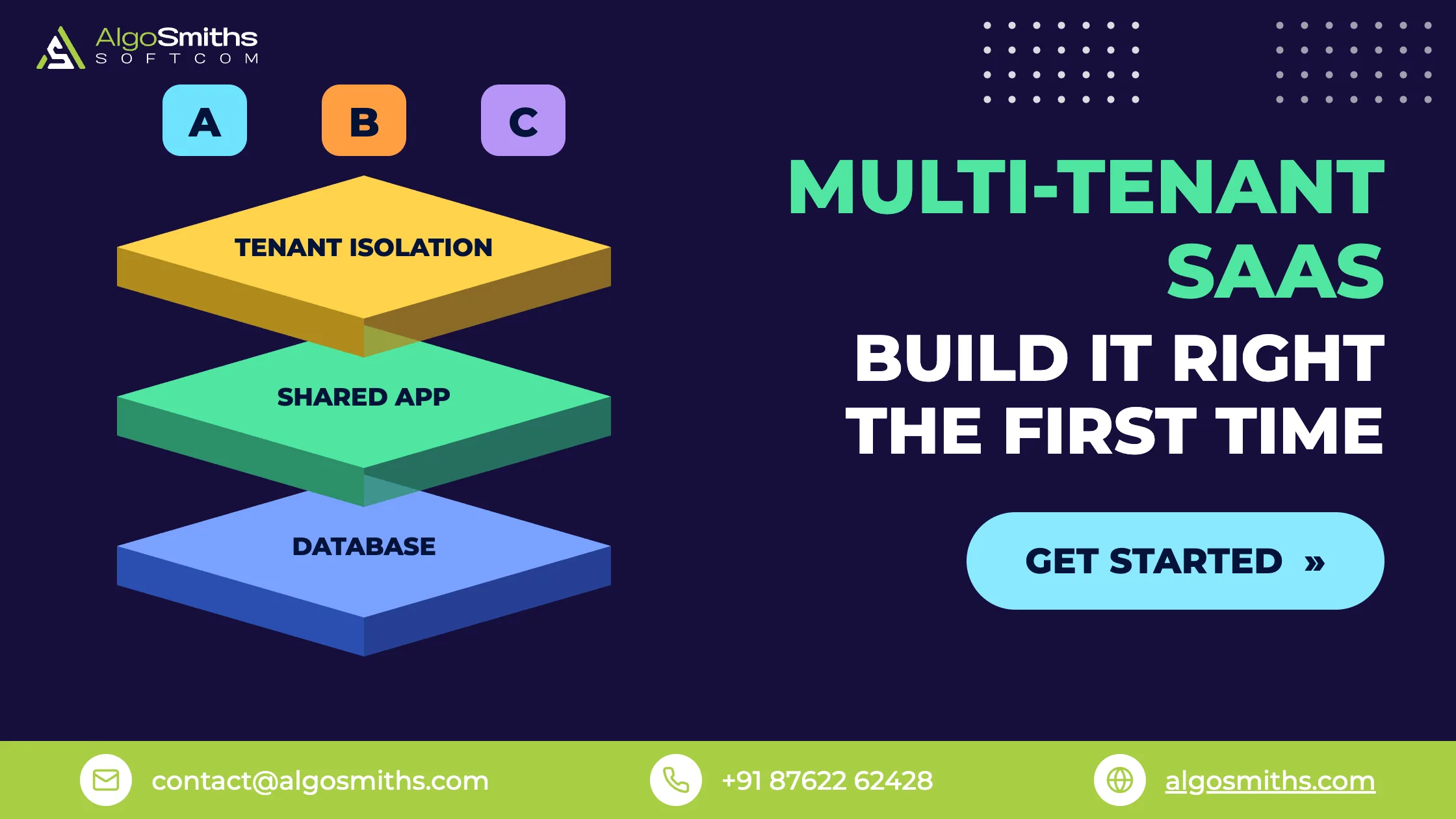
Multi-Tenant SaaS Architecture: A Founder's Guide to Building It Right the First Time
Building a multi-tenant SaaS product means locking in foundational architecture decisions before you write your first line of code. This guide breaks down the three core multi-tenancy models, shows you how to choose between shared and isolated databases, and highlights the security and scaling mistakes that force a costly rewrite later. Whether you're scoping your first B2B MVP or preparing to onboard your first enterprise customer, this is the practical framework to get your architecture right the first time.
Samrat
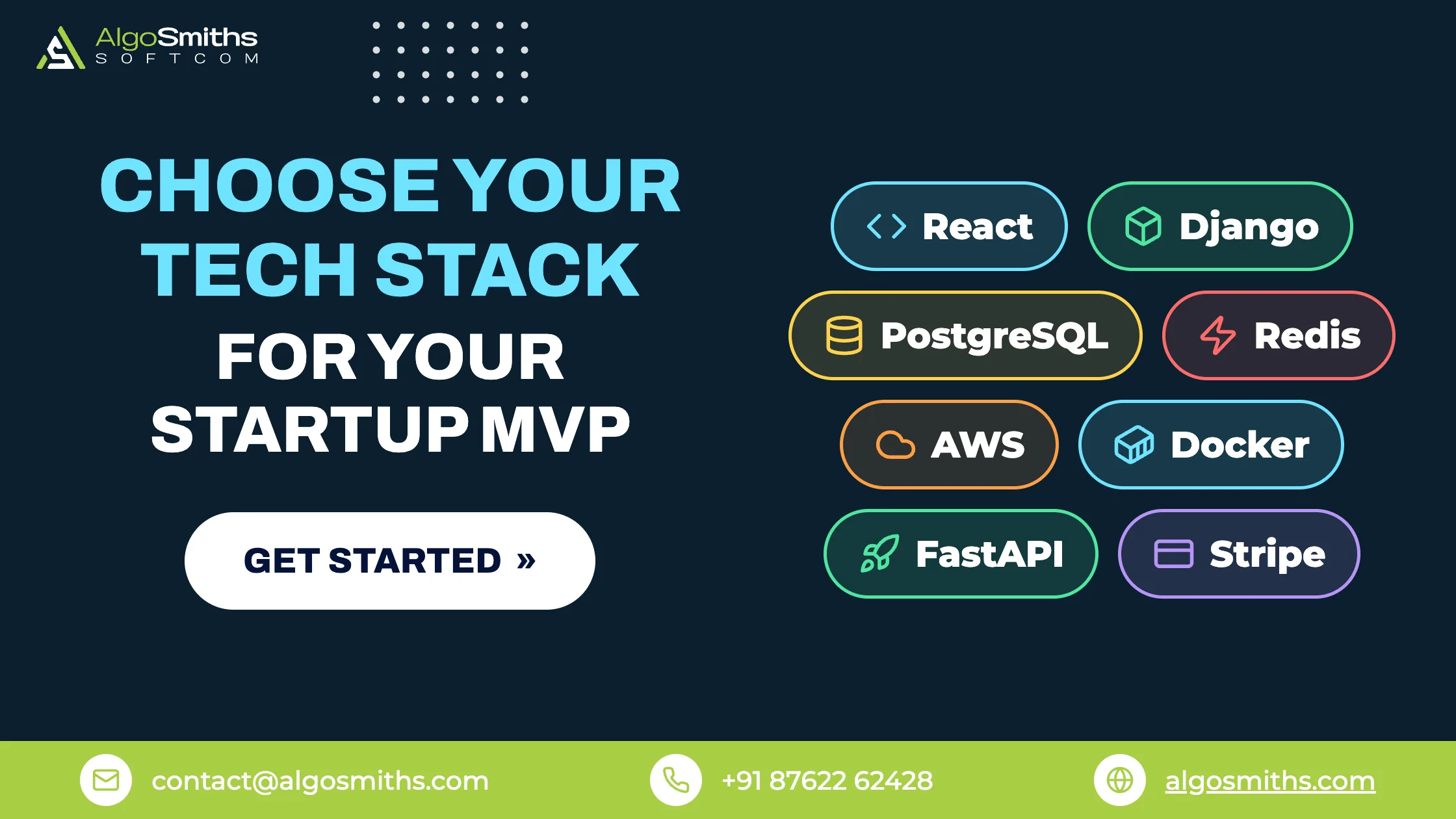
How to Choose the Right Tech Stack for Your Startup MVP in 2026
Choosing a tech stack is one of the earliest and most expensive decisions a founder makes. This practical guide walks you through how to pick the right frontend, backend, database, and cloud setup for your MVP in 2026 — with real comparisons, common mistakes to avoid, and a decision framework you can apply this week.
Samrat
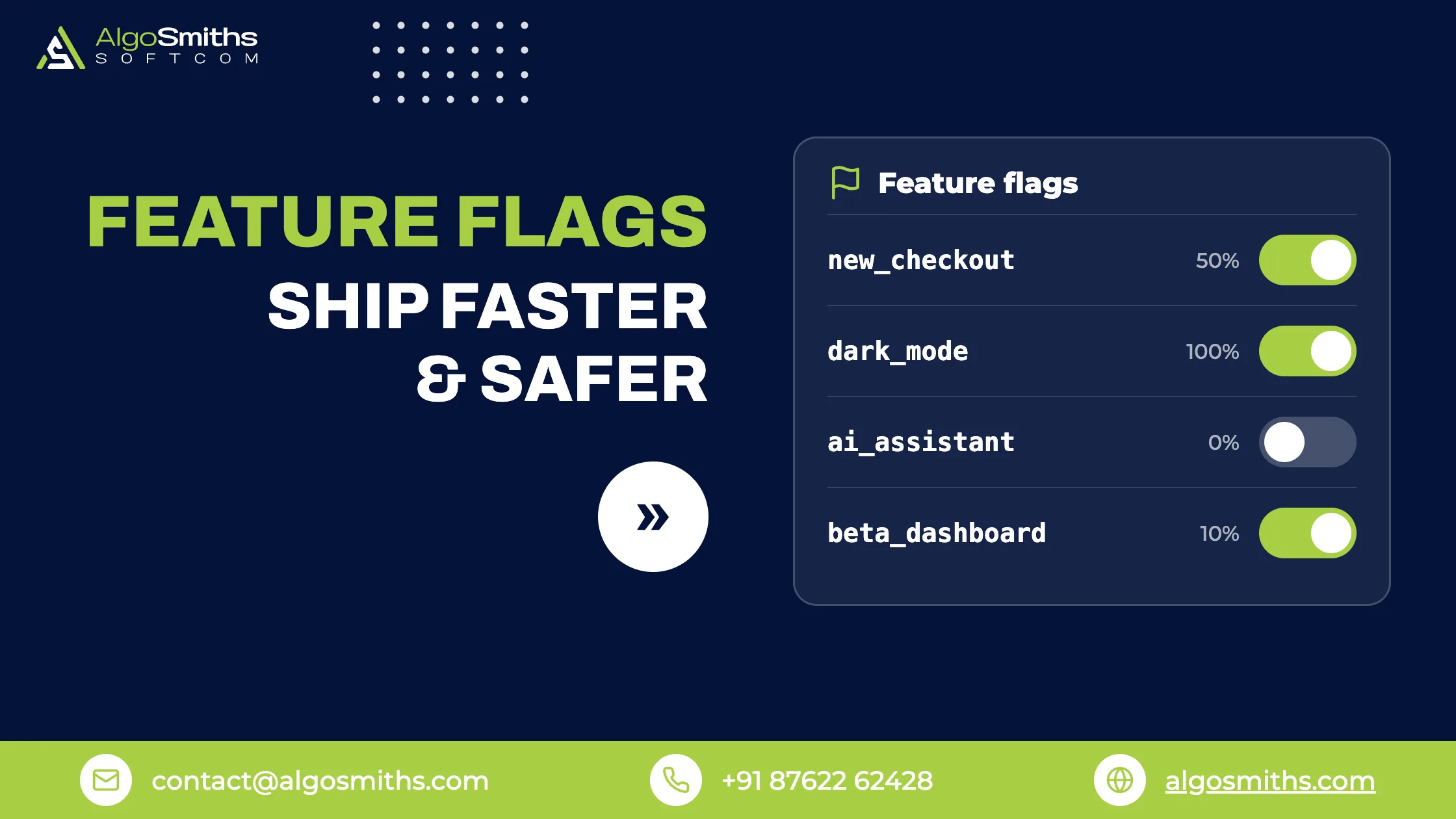
Feature Flags for Startups: A Founder's Guide to Shipping Faster and Safer in 2026
Feature flags let you ship code continuously and turn features on when you're ready — decoupling deploy from release so a bad launch never means an emergency rollback. This founder-friendly guide explains what feature flags are, the main types, and how to roll them out on your MVP without drowning in technical debt. You'll get practical patterns, a build-vs-buy comparison, and a checklist you can apply this week.
Samrat
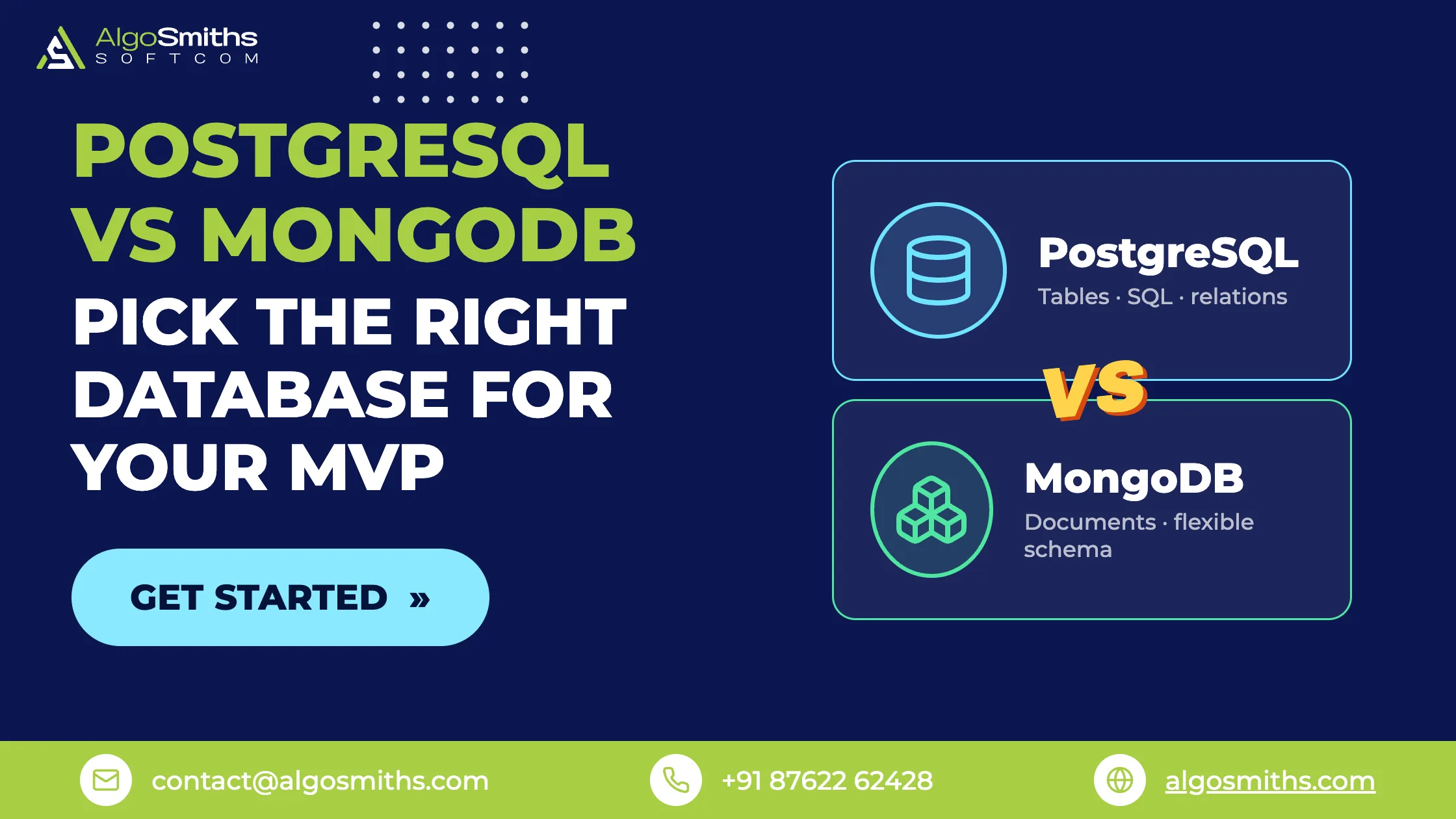
PostgreSQL vs MongoDB for Startups: Which Database Should You Choose for Your MVP in 2026?
Choosing between PostgreSQL and MongoDB is one of the first architecture decisions that shapes how fast you can ship and how painful your first scaling headache will be. This founder-friendly guide breaks down how relational and document databases actually work, compares them head-to-head on the factors that matter to an early-stage team, and gives you a practical framework for picking the right one for your MVP in 2026. You'll also learn why Postgres's JSONB support and the pgvector extension are quietly closing the gap that once made NoSQL the default pick for fast-moving startups.
Samrat
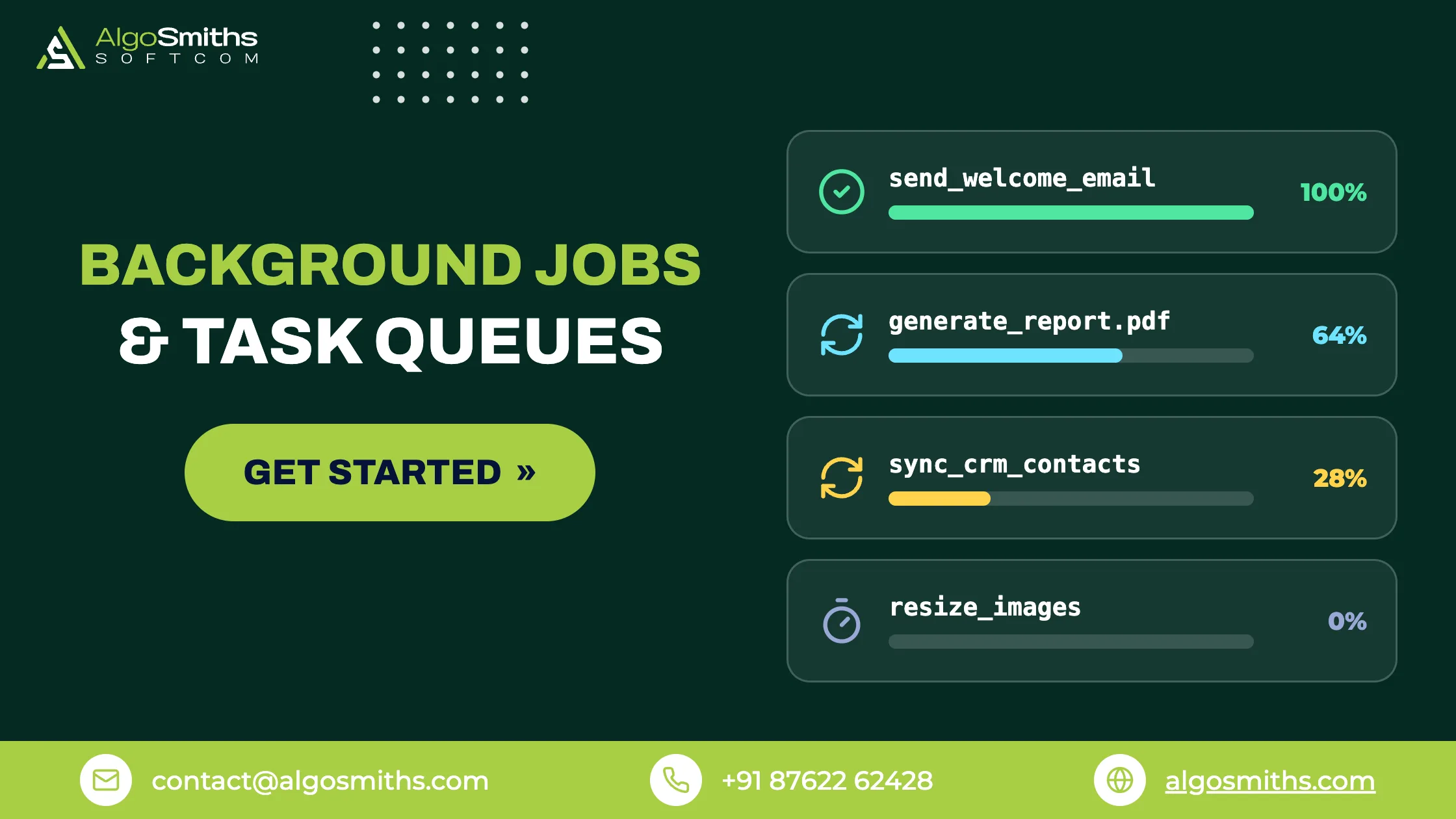
Background Jobs and Task Queues for Startups: A Founder's Guide to Doing Work Outside the Request
Some work is too slow to run while a user waits — sending emails, processing payments, generating exports, or calling an AI model. This founder-friendly guide explains background jobs and task queues in plain terms: what they are, when your product needs them, and how to add them to a Django or FastAPI backend without over-engineering. You'll get a Celery vs. alternatives comparison, a practical implementation roadmap, and the reliability mistakes that quietly cost startups data and trust.
Samrat
When Not to Use Django (And What to Use Instead)
Django is widely recognized for its “batteries-included” philosophy, enabling rapid web application development with features like authentication, ORM, admin interface, and more out of the box. It’s a fantastic choice for monolithic web apps, content-heavy platforms, and admin dashboards.
Samrat
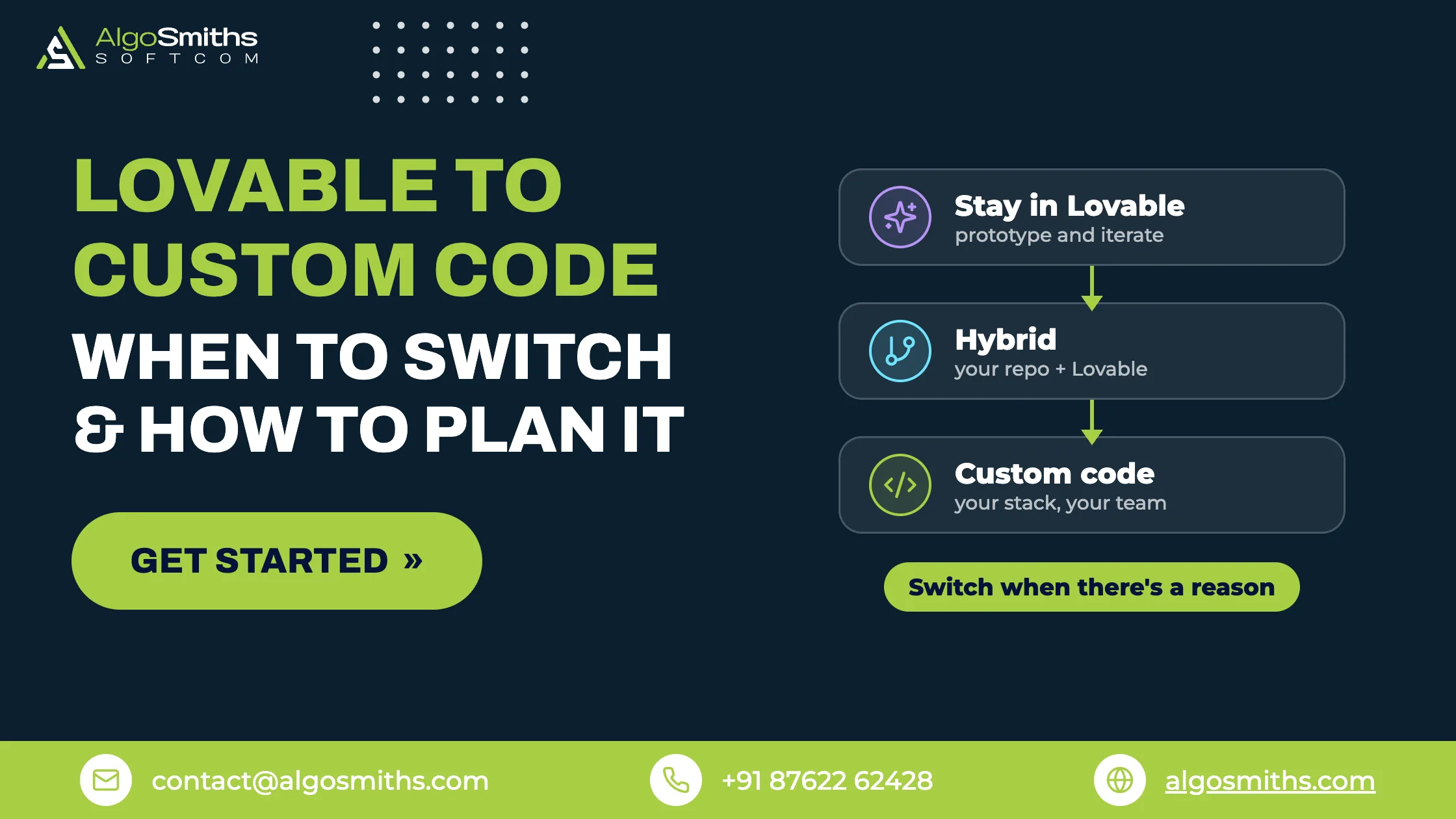
Lovable to Custom Code: When to Switch and How to Plan It
When to keep building in Lovable and when to move to custom code, with the signals that justify a migration and a four-step plan that avoids a rewrite.
Samrat
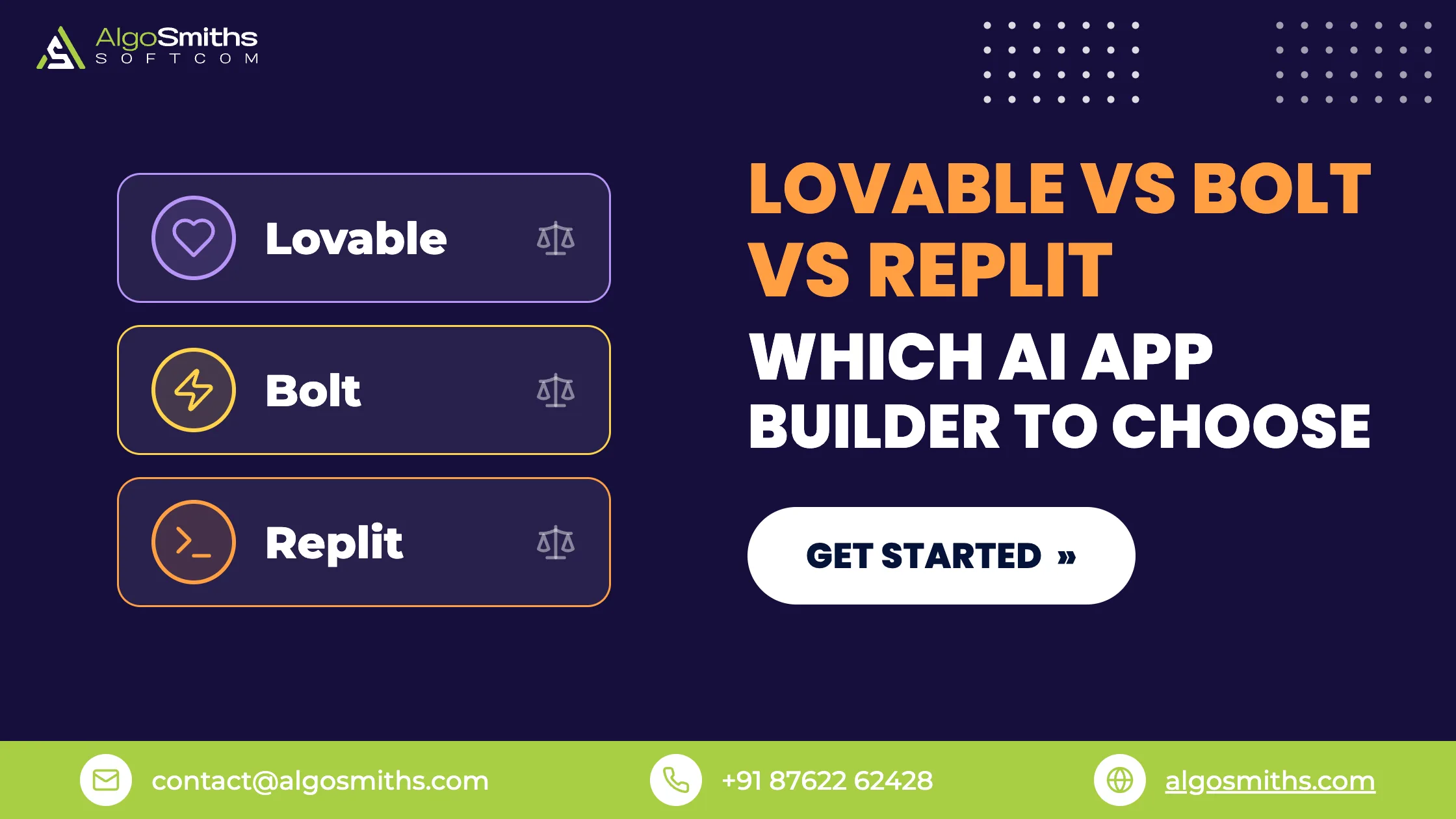
Lovable vs Bolt vs Replit: Which AI App Builder to Choose
Lovable vs Bolt vs Replit compared on price, backend, code export and mobile, so you can pick the right AI app builder for your product.
Samrat
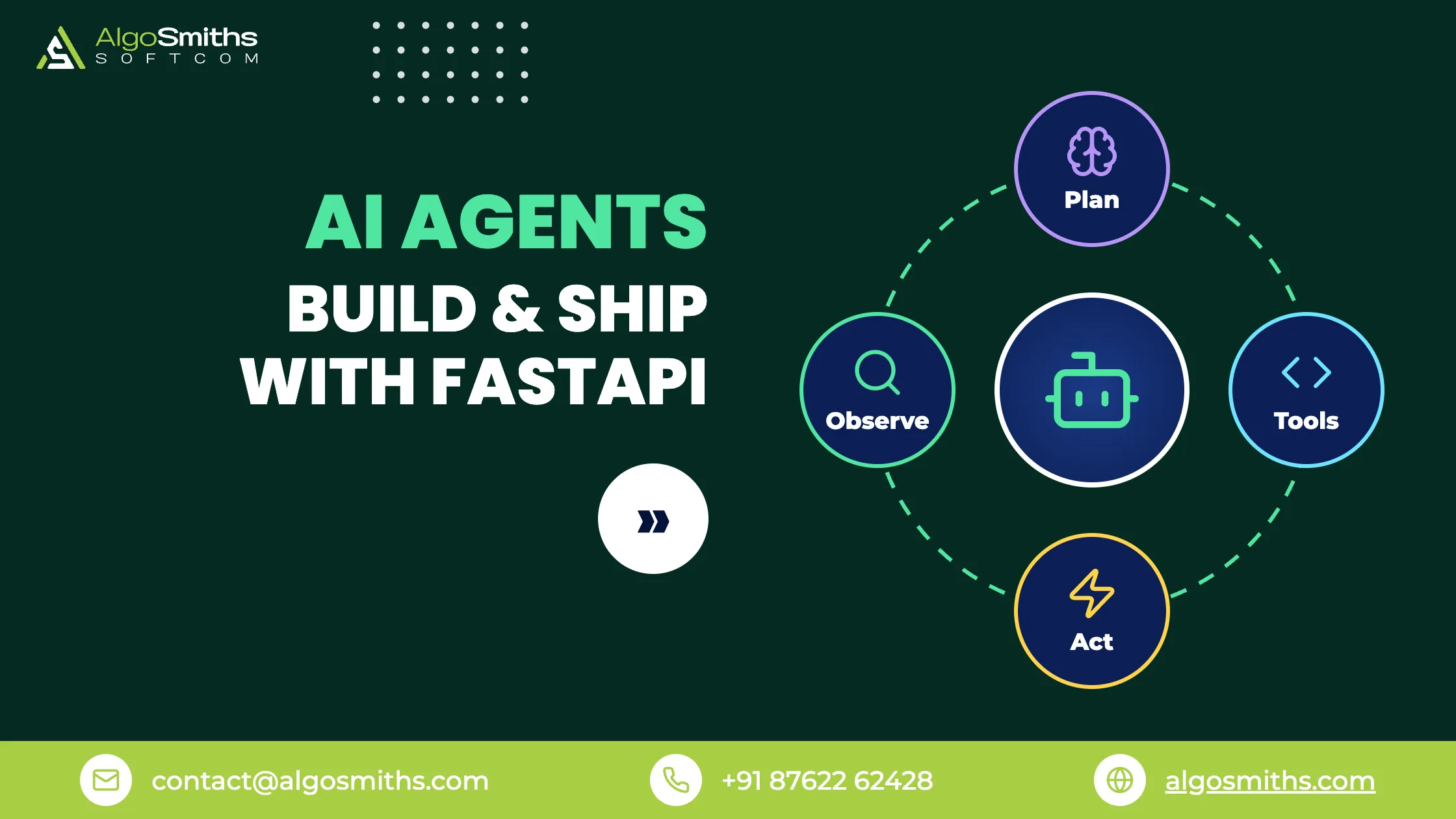
AI Agents for Startups: A Practical Guide to Building and Shipping Them with FastAPI
AI agents are moving fast from flashy demos to real product features, but most startups don't know where to draw the line between a good use case and an expensive distraction. This guide breaks down what an AI agent actually is, when it's the right call for your startup, and how to design, build, and deploy a production-ready agent using FastAPI. You'll get a practical architecture breakdown, a step-by-step build guide, a framework comparison, and the guardrails that separate a reliable feature from a support nightmare.
Samrat

Lovable Credits Explained: What It Costs to Ship an App
Lovable credits explained: what a credit is, what plans and top-ups cost, what a single build message uses, and how to keep monthly spend predictable.