
Category: All

Are you leveraging your customer data to grow the business?
Customer data collection builds bridges between your business and its customers. It’ll help you tailor your offerings to customer needs and new trends while engaging customers meaningfully.
Anagha Masane

Lovable to Custom Code: When to Switch and How to Plan It
When to keep building in Lovable and when to move to custom code, with the signals that justify a migration and a four-step plan that avoids a rewrite.
Samrat

The Role of Technology in Scaling Your Business
In the corporate world, expanding and competing in the market involves effective strategies. Technology is the major driver of this process since it enables any size of business to enhance productivity, streamline processes, and tap into new markets. In this article, we examine how technology can be the determinant of scaling your business and making it competitive.
Anagha Masane
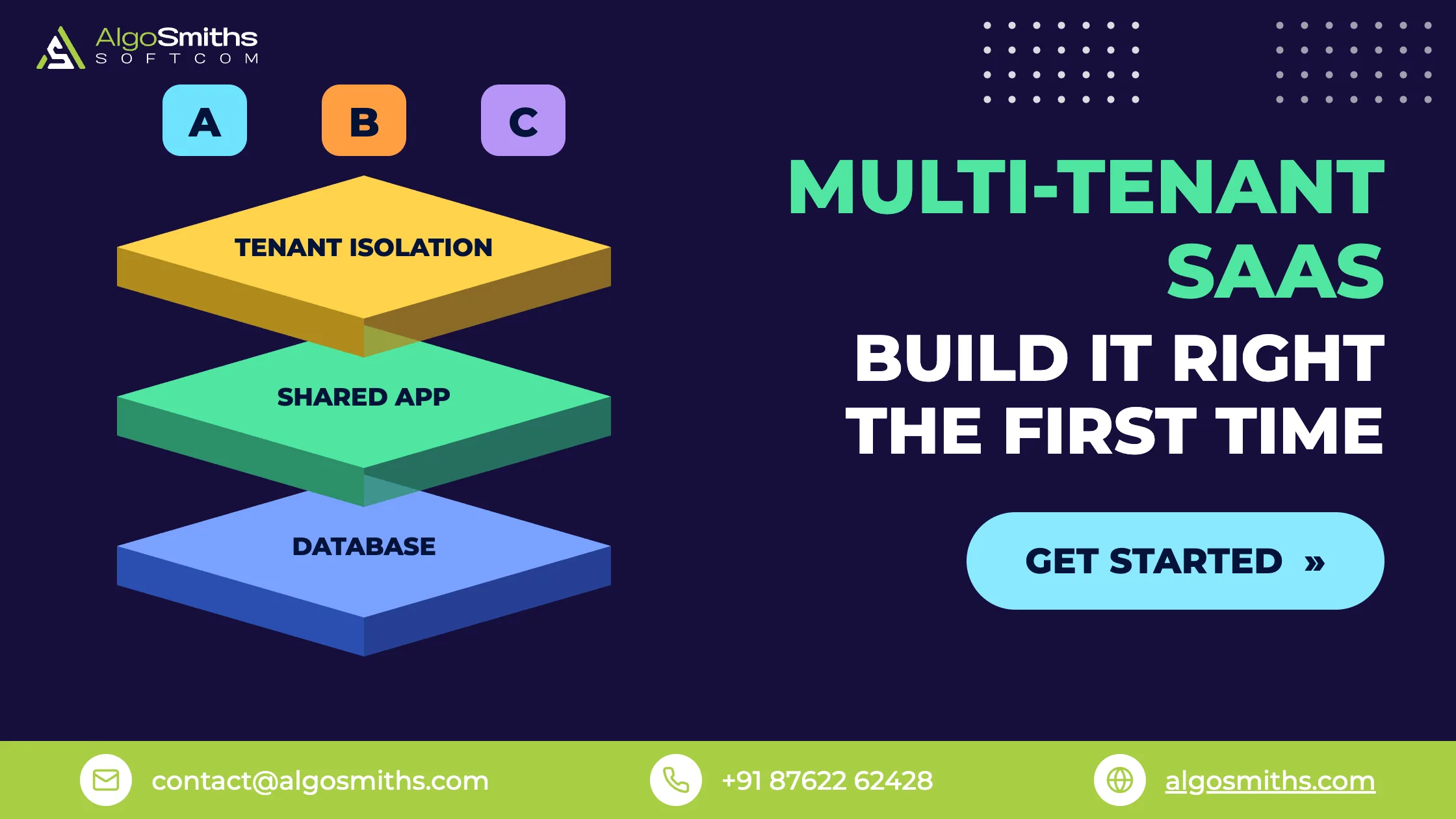
Multi-Tenant SaaS Architecture: A Founder's Guide to Building It Right the First Time
Building a multi-tenant SaaS product means locking in foundational architecture decisions before you write your first line of code. This guide breaks down the three core multi-tenancy models, shows you how to choose between shared and isolated databases, and highlights the security and scaling mistakes that force a costly rewrite later. Whether you're scoping your first B2B MVP or preparing to onboard your first enterprise customer, this is the practical framework to get your architecture right the first time.
Samrat

Authentication for SaaS Startups: A Founder's Guide to Auth, SSO, and API Security in 2026
Every SaaS product runs on one invisible layer that decides who gets in and what they can touch: authentication and authorization. Get these wrong and you inherit account-takeover risk, tenant data leaks, and a security review that can stall an enterprise deal or a funding round. This founder-friendly guide breaks down sessions, JWTs, OAuth, and SSO in plain terms, shows you how to design role-based access control for a multi-tenant product, and gives you a practical roadmap for hardening auth as you grow from first user to first enterprise contract.
Samrat
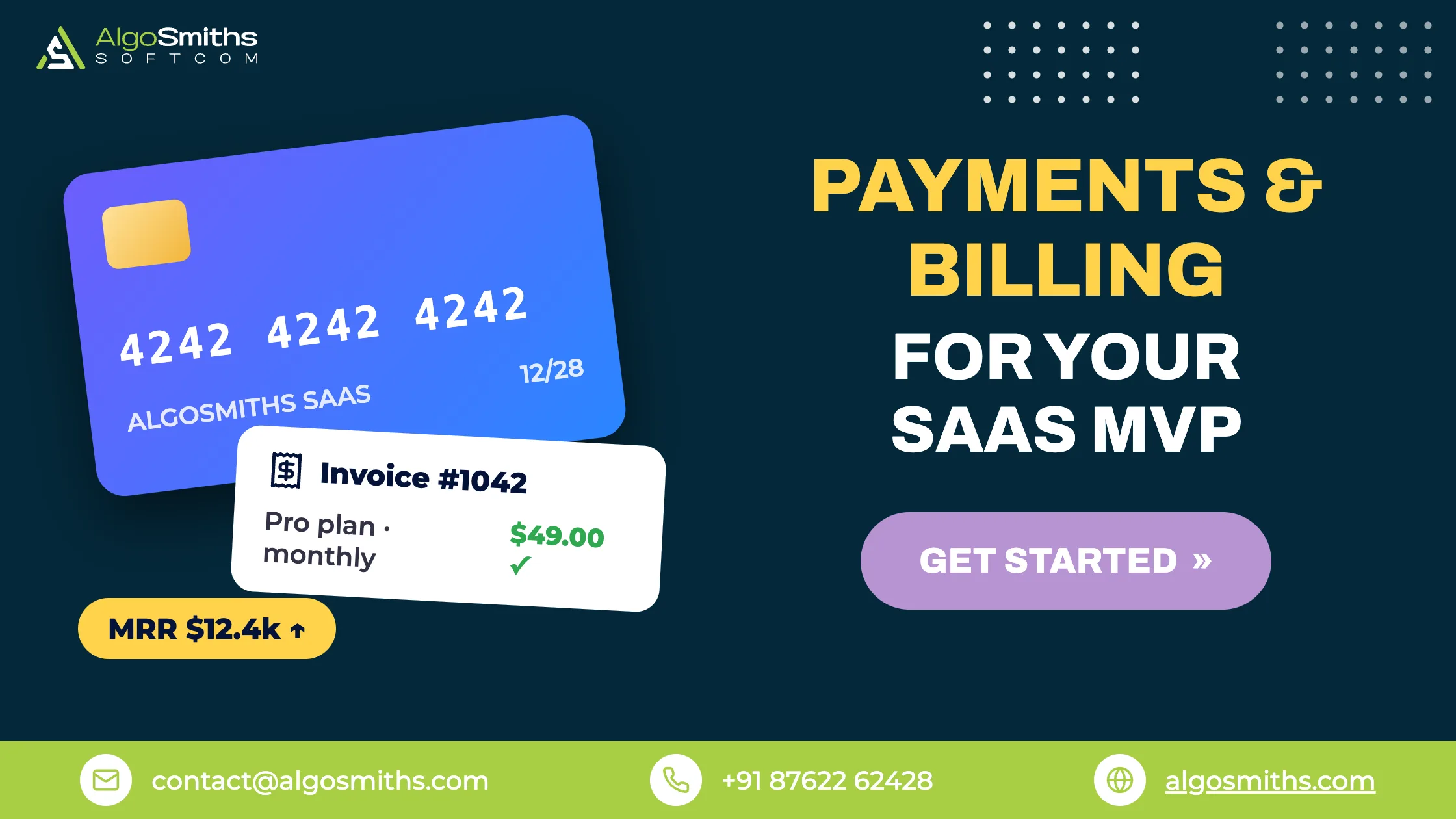
How to Add Payments and Subscription Billing to Your SaaS MVP: A Founder's Guide
Payments are the moment your SaaS stops being a side project and starts being a business — but billing is also where founders lose the most time to avoidable complexity. This founder-friendly guide walks you through choosing a payment provider, modelling subscriptions the right way, handling failed payments and dunning, and building billing that scales without a rewrite. You'll get a provider comparison, an implementation roadmap, and the mistakes that quietly cost startups revenue.
Samrat
Why Your Small Business Needs a Website (And How to Get One Fast!)
As a small business owner, having an optimized online presence through your own professionally-designed website is essential to remain competitive in today's digital landscape. While you may have succeeded so far using traditional marketing techniques, a website is now, more than ever, a make-or-break investment. Simply put, without a website you are invisible to a huge number of potential customers searching for your offerings each day via Google. That's why it's crucial for you to stop delaying the creation of your website as we step into 2025.
Anagha Masane
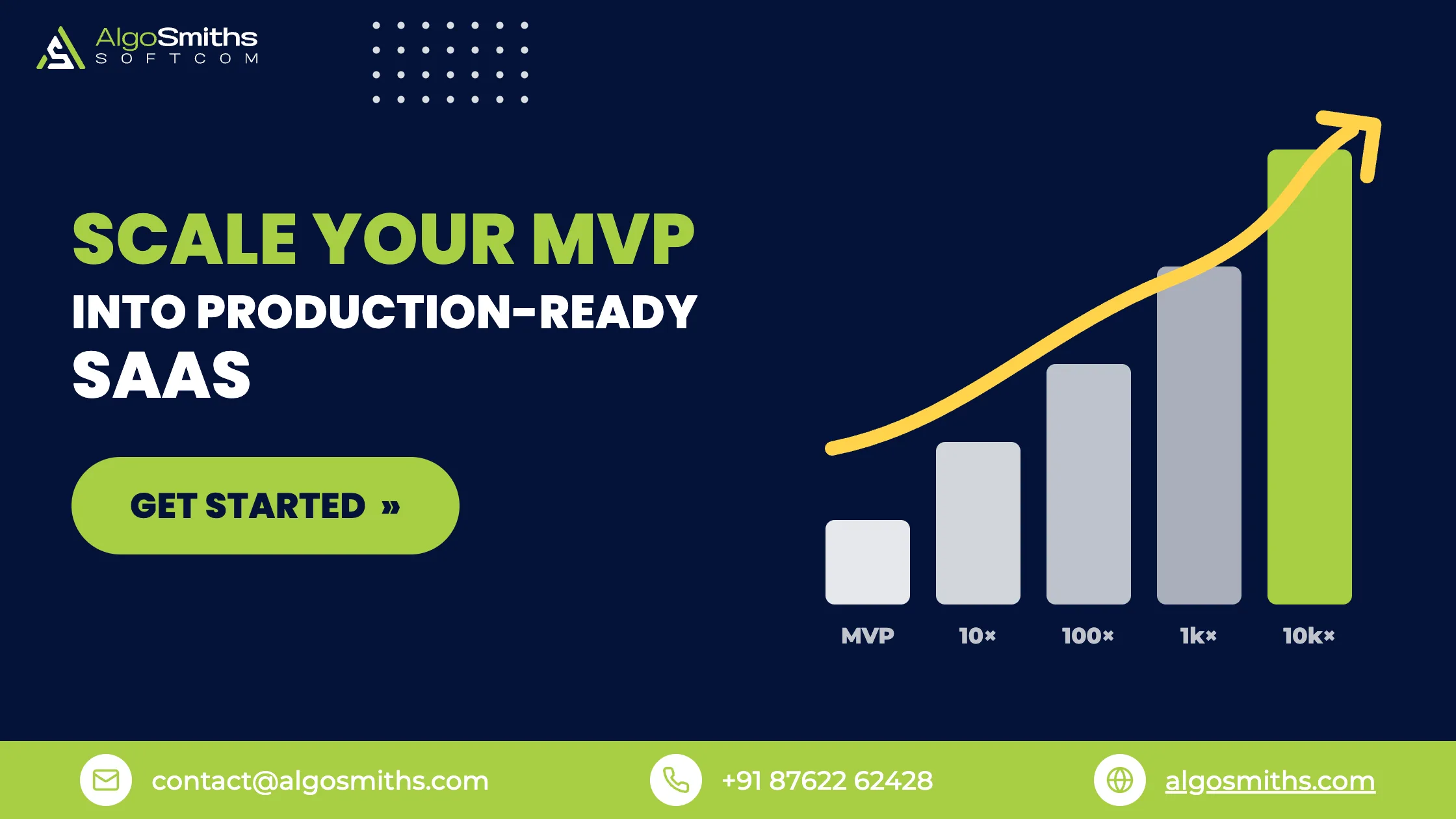
How to Scale Your MVP into a Production-Ready SaaS Without a Rewrite
Your MVP found traction — now it has to hold up under real users, real data, and real revenue. This founder-friendly guide shows you how to turn a scrappy MVP into a production-ready SaaS the right way: what to harden first, how to tackle technical debt without stalling growth, and how to scale your database, infrastructure, and team without an expensive rewrite.
Samrat
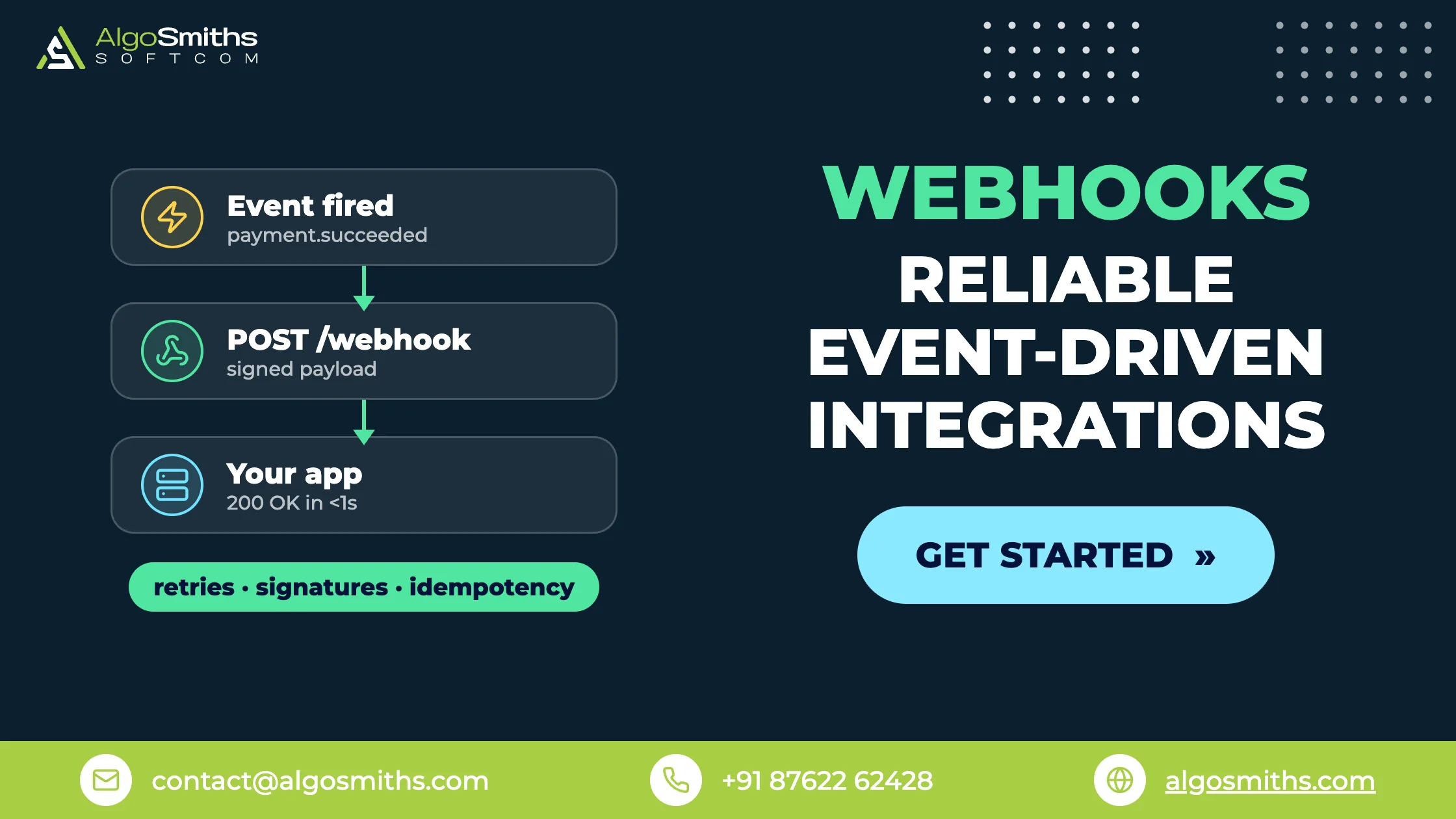
Webhooks for Startups: A Founder's Guide to Building Reliable Event-Driven Integrations in 2026
Webhooks are how modern software talks to itself — the quiet layer that fires when a payment succeeds, a user signs up, or a subscription lapses. This founder-friendly guide explains what webhooks are, how they differ from polling and APIs, and how to send and receive them reliably without losing events or leaking data. You'll get practical patterns for signatures, retries, and idempotency, a build-vs-buy comparison, and a checklist you can apply this week.
Samrat
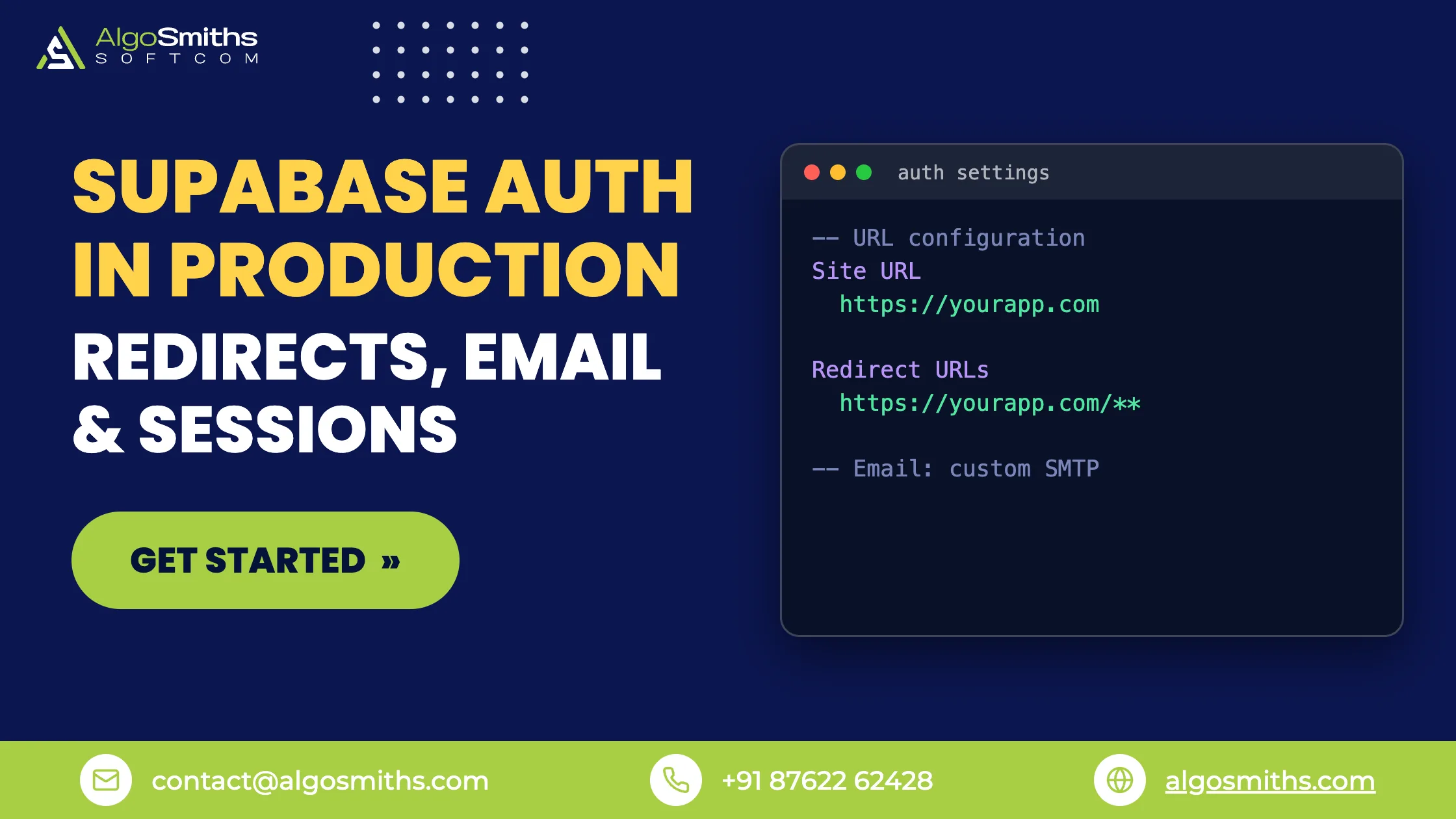
Supabase Auth in Production: Redirects, Email and Sessions
Supabase Auth in production: fix redirect URLs, confirmation emails, OAuth setup and session settings before real users try to sign in.
Samrat

Why You Don’t Need to Be a Tech Expert to Build a Digital Business in 2025
Think you need to be a coder to launch a successful digital business? Think again. In 2025, technology is no longer a gatekeeper reserved for people with advanced degrees in programming or years of coding experience. Today, non-technical founders have more tools and opportunities than ever to turn their ideas into thriving online businesses — without having to learn how to write a single line of code.
Samrat

Cybersecurity for Businesses: Industry Tips for safeguarding your data
One of the simplest ways to protect against cyberattacks is to ensure everyone in your business is vigilant, respects several basic rules, and uses the most effective protection solution.
Anagha Masane

From Idea to MVP: A Startup Product Guide for Non-Tech Founders
Learn how to turn your startup idea into a working product without being a developer. A step-by-step guide for non-tech founders to build and launch an MVP.
Samrat

Beyond Excel: Why Accounting Software Is a Must for Growing Businesses
Why is accounting software useful? More and more organizations are switching to an accounting solution to handle their financials; hence, there must be a good amount of beneficial reasons why. If you’re considering of implementing this system to your business, one of the primary aspects to look into is determining the ways it can help with your accounting and bookkeeping tasks. Here’s the summary of why accounting software is useful for business of any size. 1.It automates redundant tasks 2.It helps with taxes 3.It provides digital invoices 4.It oversees cash flow 5.It takes care of the math for you 6.It cuts costs 7.It enables wide accessibility
Anagha Masane
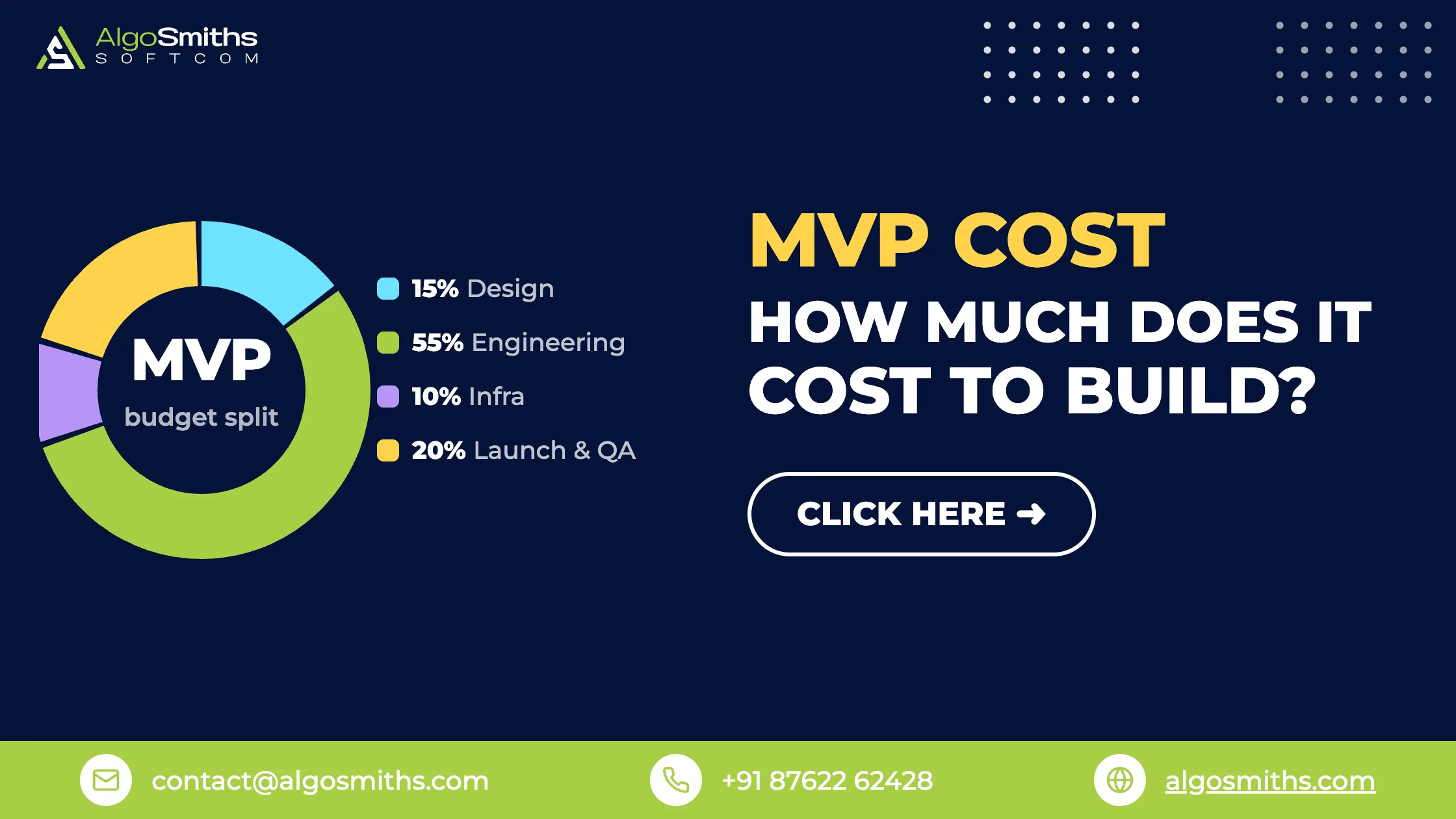
How Much Does It Cost to Build an MVP in 2026? A Founder's Complete Pricing Guide
Wondering what it really costs to build an MVP in 2026? This founder-friendly guide breaks down MVP pricing across freelancers, agencies, and in-house teams, with realistic cost ranges by feature and complexity. Learn where budgets quietly leak, how to scope for a fixed price, and how to ship a market-ready product without burning your runway.
Samrat

RAG for Startups: A Founder's Guide to Building Reliable AI Features in 2026
Retrieval-Augmented Generation (RAG) has become the standard way to make AI features trustworthy, current, and grounded in your own data instead of a model's frozen training set. This founder-friendly guide breaks down how RAG actually works, when it beats fine-tuning, and what it takes to ship a production-ready pipeline with FastAPI and a vector database. You'll also learn the 2026 architectural patterns worth knowing, from hybrid search to Agentic RAG, plus the mistakes that most often cause AI features to fail once real users show up.
Samrat

Feature Flags for Startups: A Founder's Guide to Shipping Faster and Safer in 2026
Feature flags let you ship code continuously and turn features on when you're ready — decoupling deploy from release so a bad launch never means an emergency rollback. This founder-friendly guide explains what feature flags are, the main types, and how to roll them out on your MVP without drowning in technical debt. You'll get practical patterns, a build-vs-buy comparison, and a checklist you can apply this week.
Samrat
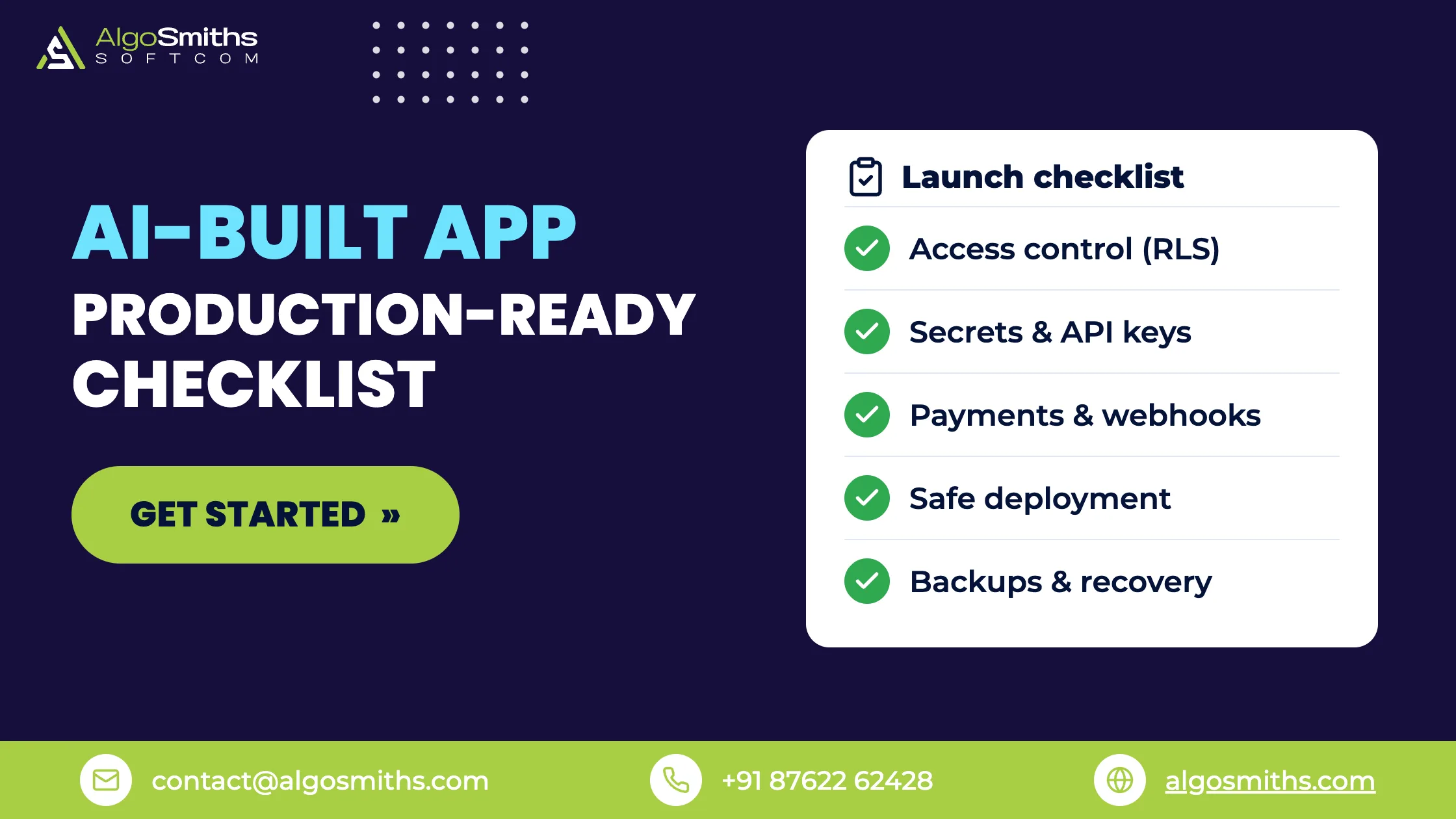
AI-Built App Production Readiness: A Founder's Launch Checklist
AI-built app production readiness explained: what to fix in a Lovable or Bolt app before real users and payments arrive, with a clear launch checklist.
Samrat
Lovable Credits Explained: What It Costs to Ship an App
Lovable credits explained: what a credit is, what plans and top-ups cost, what a single build message uses, and how to keep monthly spend predictable.
Samrat
How to Launch a Startup Without a Tech Co-Founder (Even If You Can’t Code)
If you’ve ever had a great startup idea but didn’t know how to code, you’ve probably felt stuck. Maybe you’ve tried finding a technical co-founder, only to hit a wall. Investors, mentors, and even peers might have told you, “Find a CTO first — otherwise you won’t get anywhere.”