
Category: All

Secure File Uploads for SaaS: Storage, Limits and Costs
Secure file uploads for SaaS: where to store files, how to sign uploads, what limits to set, and how to keep storage costs predictable.
Samrat
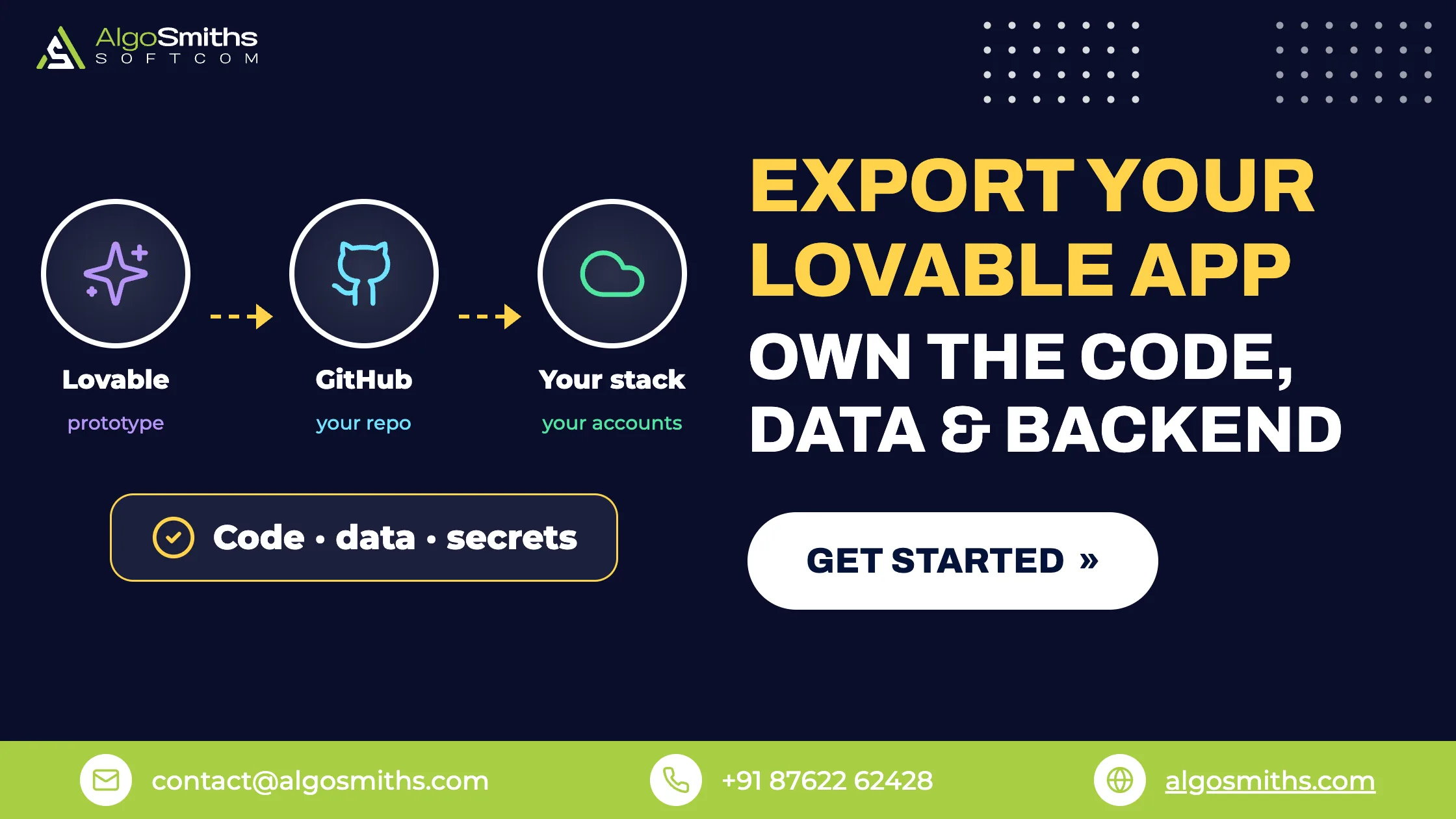
Export Your Lovable App: Own the Code, Data and Backend
Export your Lovable app to GitHub, see what the repo leaves behind, and move the database, secrets and hosting without breaking the live site.
Samrat

Secrets Management for Startups: A Founder's Guide to Handling API Keys, Environment Variables, and Credentials Safely in 2026
Every startup runs on a pile of API keys, database passwords, and tokens — and one leaked secret can drain your cloud budget or expose customer data overnight. This founder-friendly guide explains what secrets management is, why .env files stop being enough as you grow, and how to store, rotate, and audit credentials safely. You'll get practical patterns, tool comparisons, and a step-by-step rollout you can ship without a dedicated security team.
Samrat
Lovable vs Bolt vs Replit: Which AI App Builder to Choose
Lovable vs Bolt vs Replit compared on price, backend, code export and mobile, so you can pick the right AI app builder for your product.
Samrat
Serverless with Django: Is It Worth It for Your Startup?
Serverless is no longer just a buzzword—it’s a growing architectural choice for startups looking to move fast, scale quickly, and reduce DevOps overhead. But how well does Django, a powerful Python framework traditionally used with monolithic deployments, adapt to a serverless environment? More importantly, is serverless with Django the right call for your MVP or startup?
Samrat
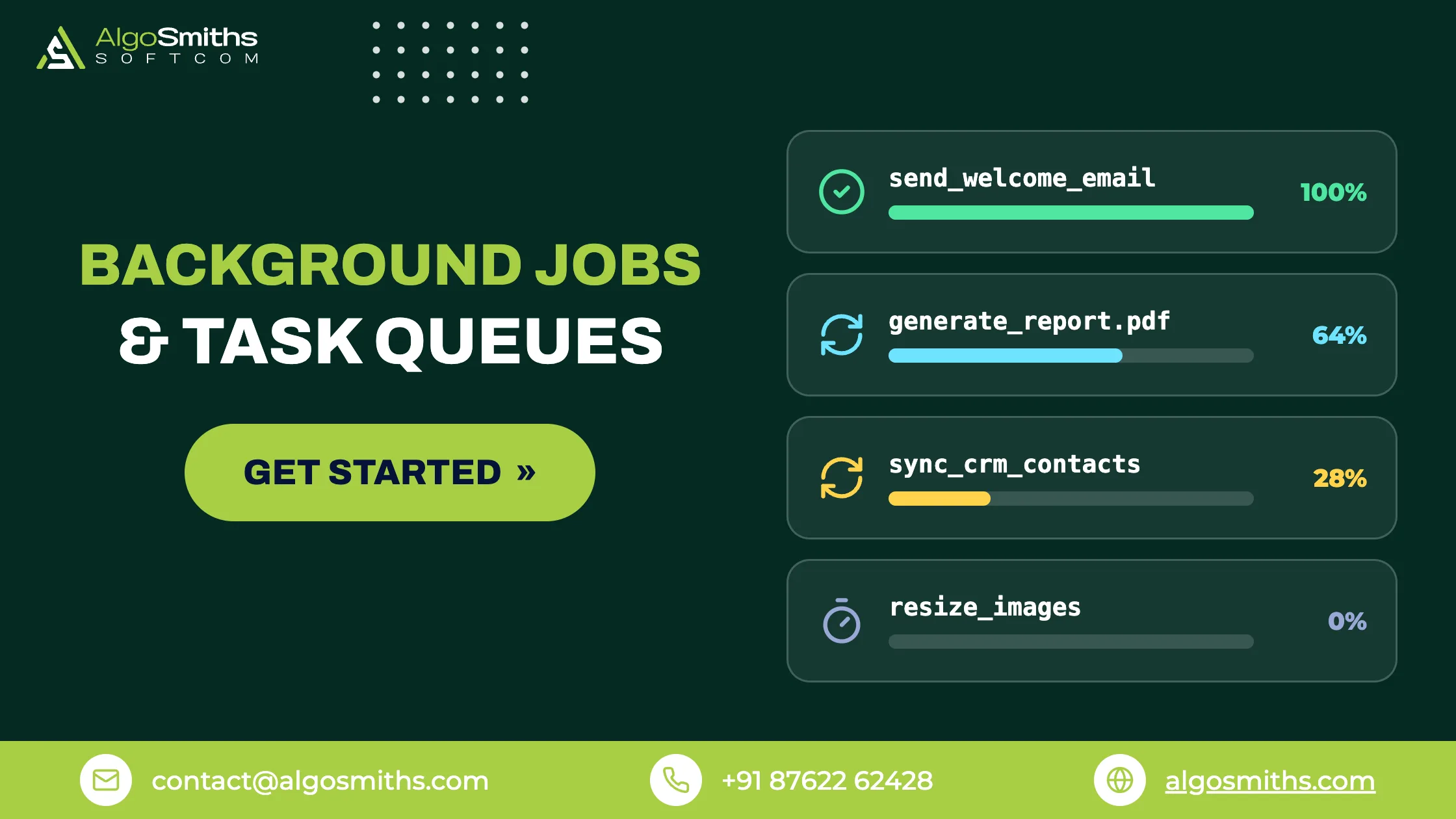
Background Jobs and Task Queues for Startups: A Founder's Guide to Doing Work Outside the Request
Some work is too slow to run while a user waits — sending emails, processing payments, generating exports, or calling an AI model. This founder-friendly guide explains background jobs and task queues in plain terms: what they are, when your product needs them, and how to add them to a Django or FastAPI backend without over-engineering. You'll get a Celery vs. alternatives comparison, a practical implementation roadmap, and the reliability mistakes that quietly cost startups data and trust.
Samrat

Lovable Credits Explained: What It Costs to Ship an App
Lovable credits explained: what a credit is, what plans and top-ups cost, what a single build message uses, and how to keep monthly spend predictable.
Samrat

Multi-Tenant SaaS Architecture: A Founder's Guide to Building It Right the First Time
Building a multi-tenant SaaS product means locking in foundational architecture decisions before you write your first line of code. This guide breaks down the three core multi-tenancy models, shows you how to choose between shared and isolated databases, and highlights the security and scaling mistakes that force a costly rewrite later. Whether you're scoping your first B2B MVP or preparing to onboard your first enterprise customer, this is the practical framework to get your architecture right the first time.
Samrat

Feature Flags for Startups: A Founder's Guide to Shipping Faster and Safer in 2026
Feature flags let you ship code continuously and turn features on when you're ready — decoupling deploy from release so a bad launch never means an emergency rollback. This founder-friendly guide explains what feature flags are, the main types, and how to roll them out on your MVP without drowning in technical debt. You'll get practical patterns, a build-vs-buy comparison, and a checklist you can apply this week.
Samrat

The Cost-Saving Benefits of Cloud Computing for Businesses
Moving to the cloud for data storage is a popular choice for companies of all shapes and sizes, from brand new startups to established corporations with hundreds of years of experience. With so many advantages to offer, from workloads efficiencies to cost savings, there are plenty of ways to incorporate cloud offers into the world of modern business.
Anagha Masane
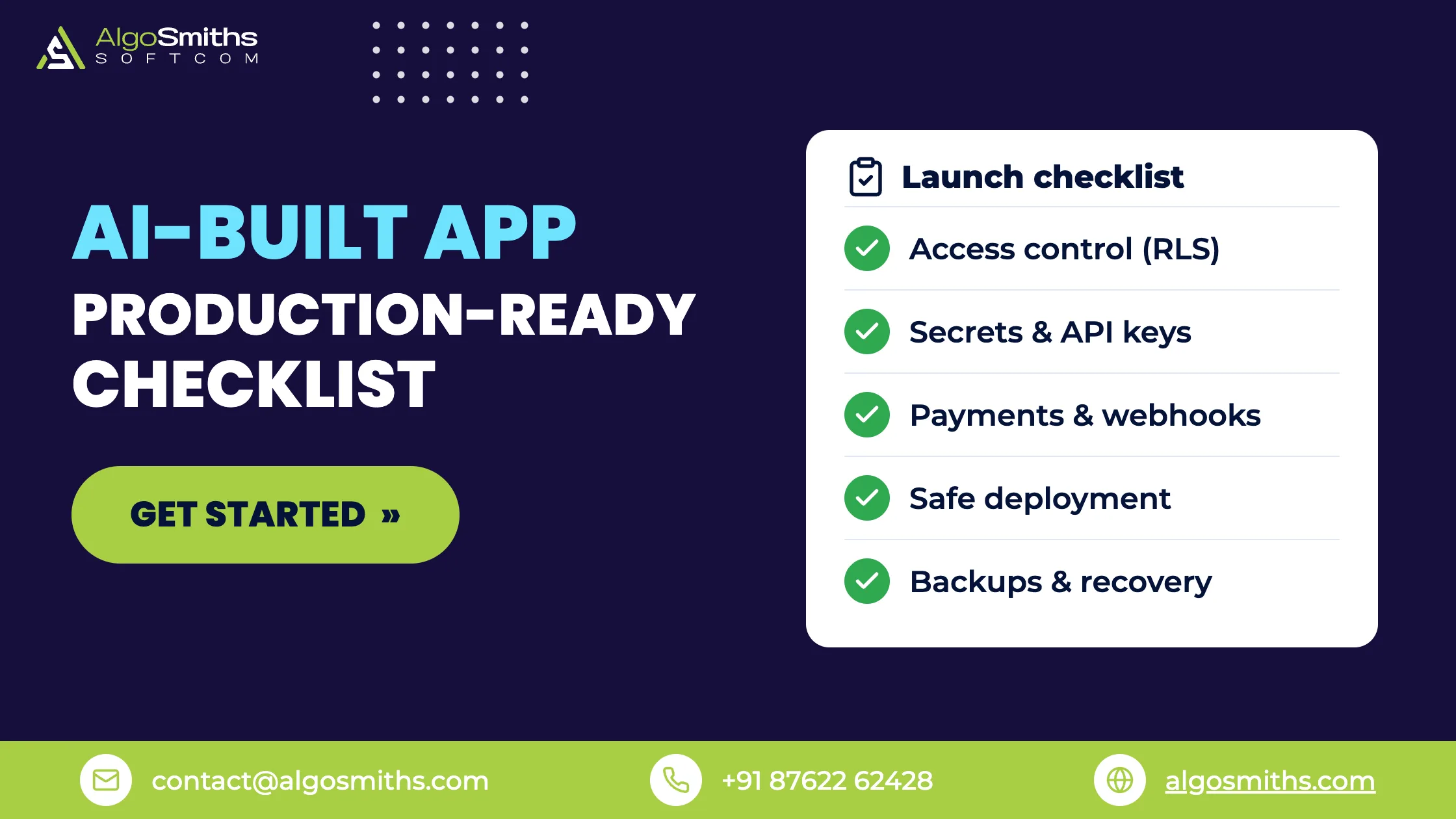
AI-Built App Production Readiness: A Founder's Launch Checklist
AI-built app production readiness explained: what to fix in a Lovable or Bolt app before real users and payments arrive, with a clear launch checklist.
Samrat

Why Your Small Business Needs a Website (And How to Get One Fast!)
As a small business owner, having an optimized online presence through your own professionally-designed website is essential to remain competitive in today's digital landscape. While you may have succeeded so far using traditional marketing techniques, a website is now, more than ever, a make-or-break investment. Simply put, without a website you are invisible to a huge number of potential customers searching for your offerings each day via Google. That's why it's crucial for you to stop delaying the creation of your website as we step into 2025.
Anagha Masane

Lovable to Custom Code: When to Switch and How to Plan It
When to keep building in Lovable and when to move to custom code, with the signals that justify a migration and a four-step plan that avoids a rewrite.
Samrat
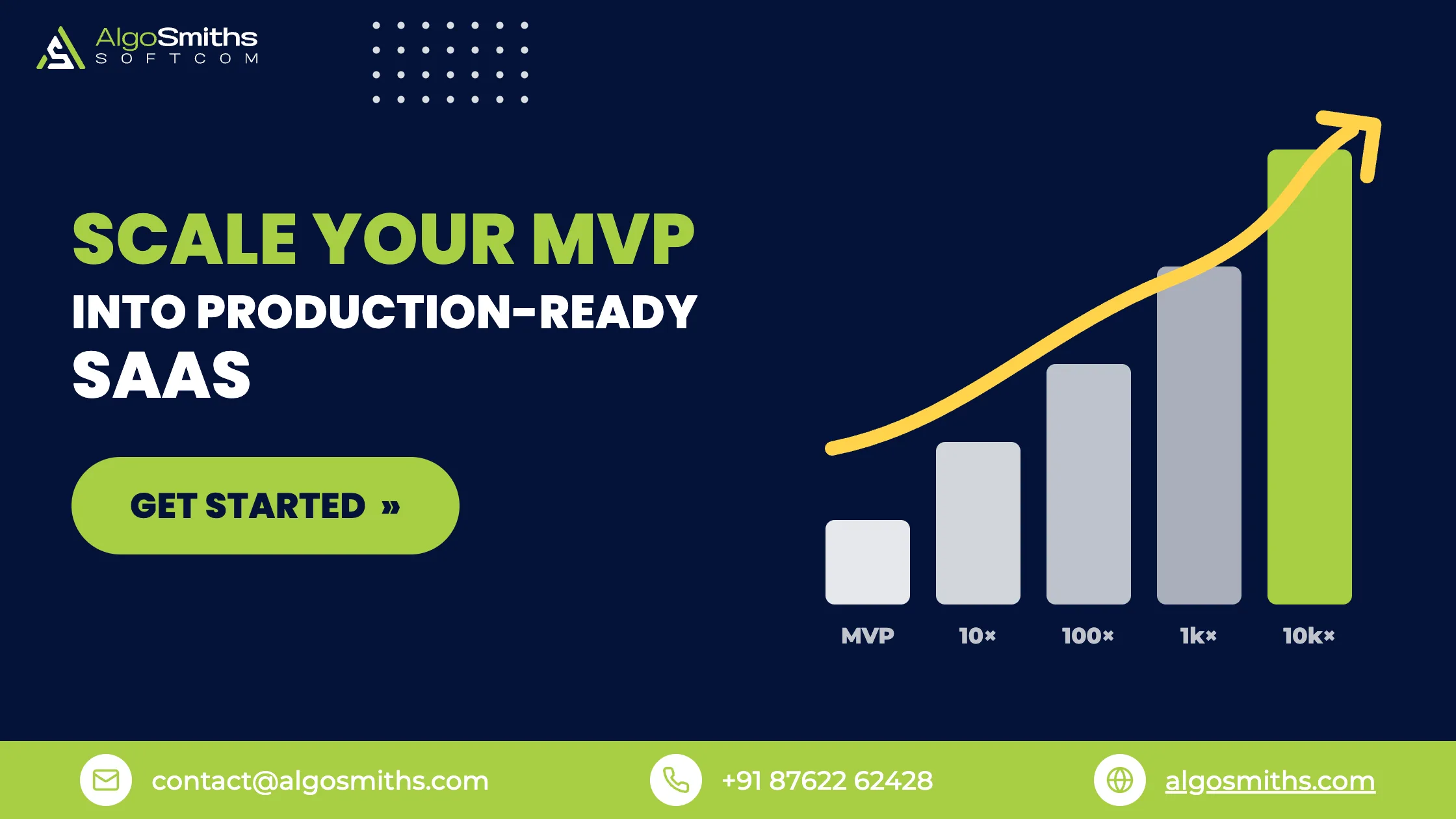
How to Scale Your MVP into a Production-Ready SaaS Without a Rewrite
Your MVP found traction — now it has to hold up under real users, real data, and real revenue. This founder-friendly guide shows you how to turn a scrappy MVP into a production-ready SaaS the right way: what to harden first, how to tackle technical debt without stalling growth, and how to scale your database, infrastructure, and team without an expensive rewrite.
Samrat

Beyond Excel: Why Accounting Software Is a Must for Growing Businesses
Why is accounting software useful? More and more organizations are switching to an accounting solution to handle their financials; hence, there must be a good amount of beneficial reasons why. If you’re considering of implementing this system to your business, one of the primary aspects to look into is determining the ways it can help with your accounting and bookkeeping tasks. Here’s the summary of why accounting software is useful for business of any size. 1.It automates redundant tasks 2.It helps with taxes 3.It provides digital invoices 4.It oversees cash flow 5.It takes care of the math for you 6.It cuts costs 7.It enables wide accessibility
Anagha Masane
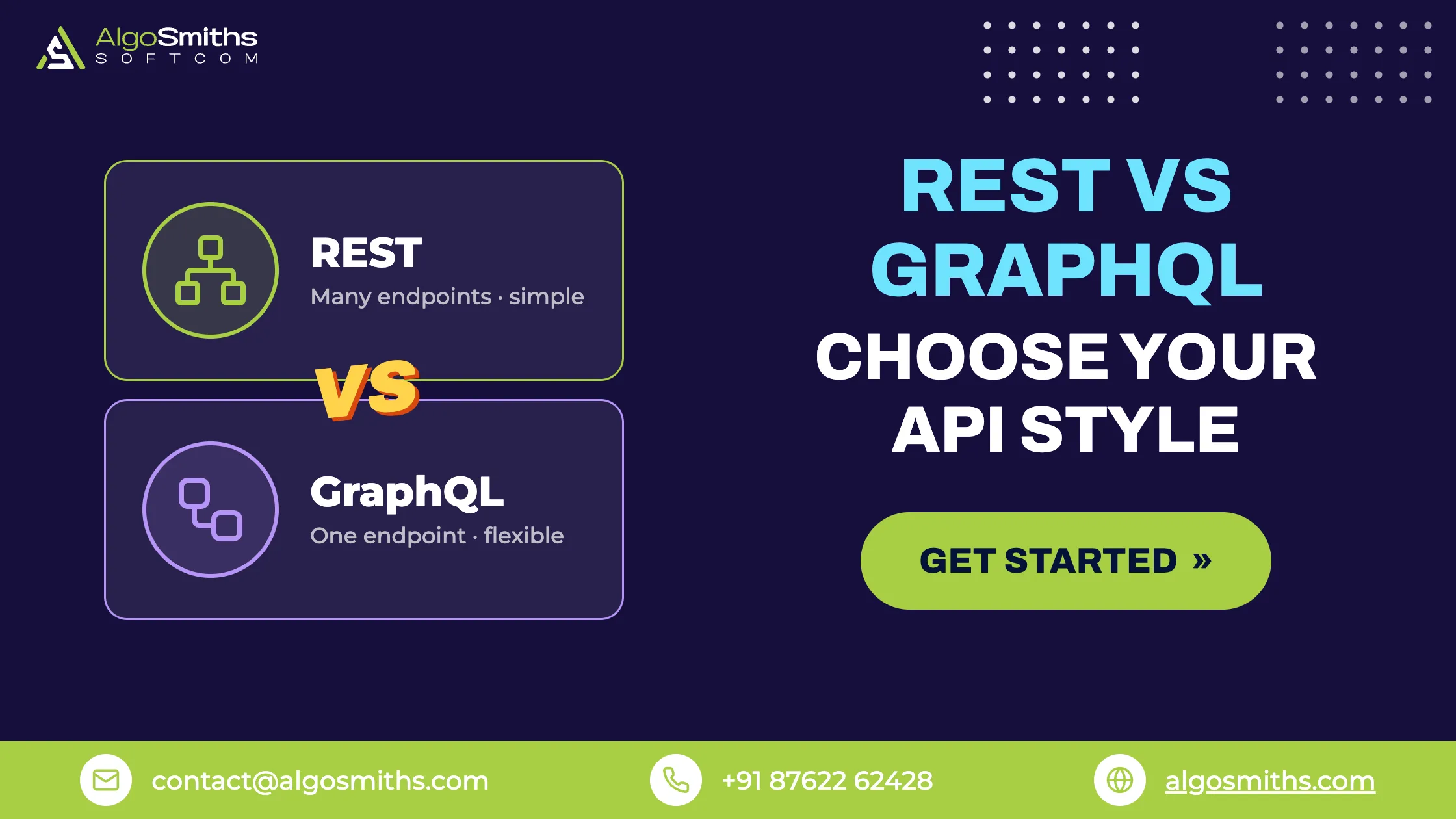
REST vs GraphQL for Startups: Which API Style Should You Choose for Your MVP in 2026?
Choosing between REST and GraphQL is one of the first architecture decisions your MVP forces on you — and the wrong call can slow every feature that follows. This founder-friendly guide breaks down how each API style actually works, where each one shines, the real trade-offs in cost and complexity, and a practical framework for picking the right one (or both) for your startup in 2026.
Samrat
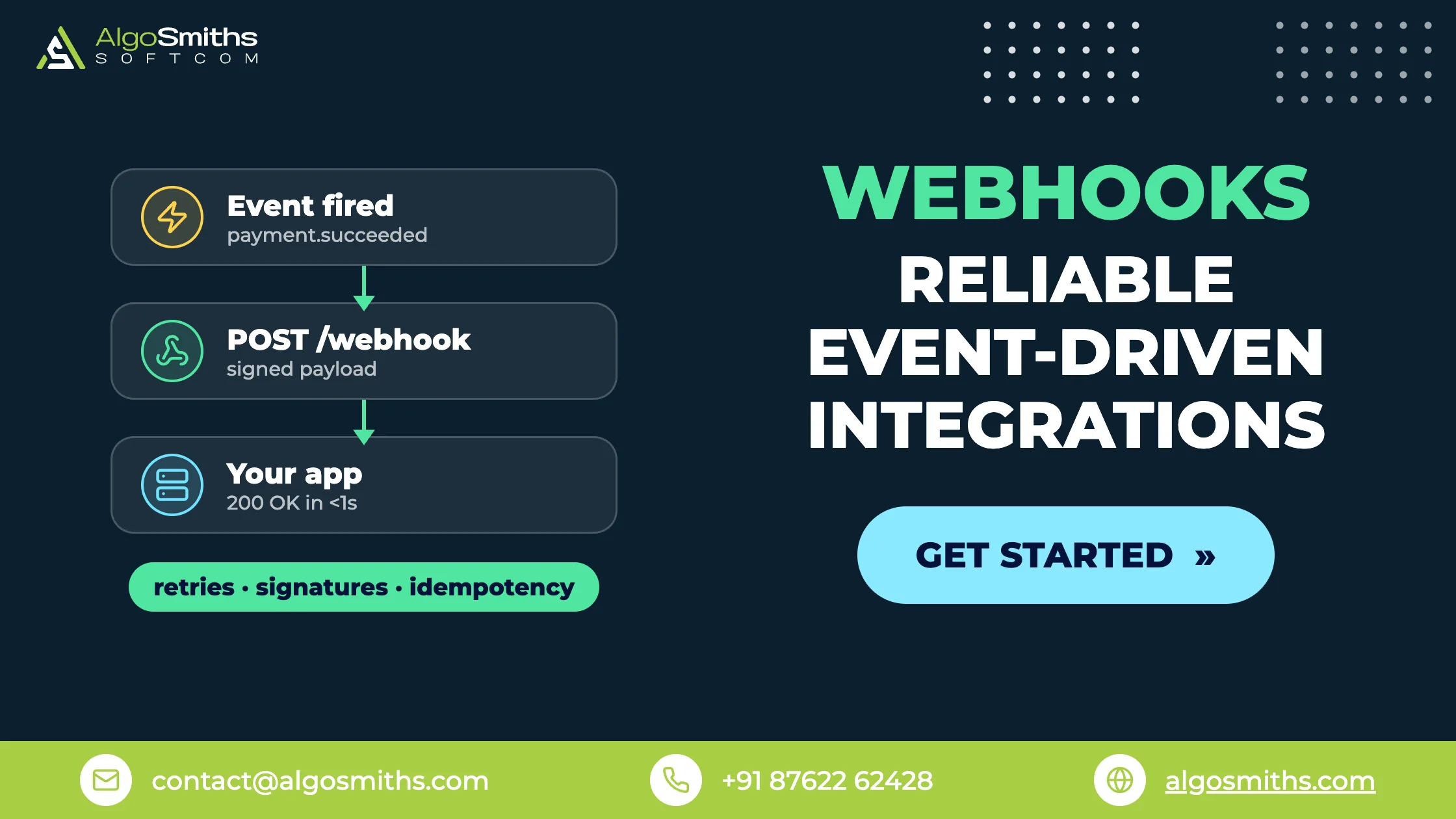
Webhooks for Startups: A Founder's Guide to Building Reliable Event-Driven Integrations in 2026
Webhooks are how modern software talks to itself — the quiet layer that fires when a payment succeeds, a user signs up, or a subscription lapses. This founder-friendly guide explains what webhooks are, how they differ from polling and APIs, and how to send and receive them reliably without losing events or leaking data. You'll get practical patterns for signatures, retries, and idempotency, a build-vs-buy comparison, and a checklist you can apply this week.
Samrat
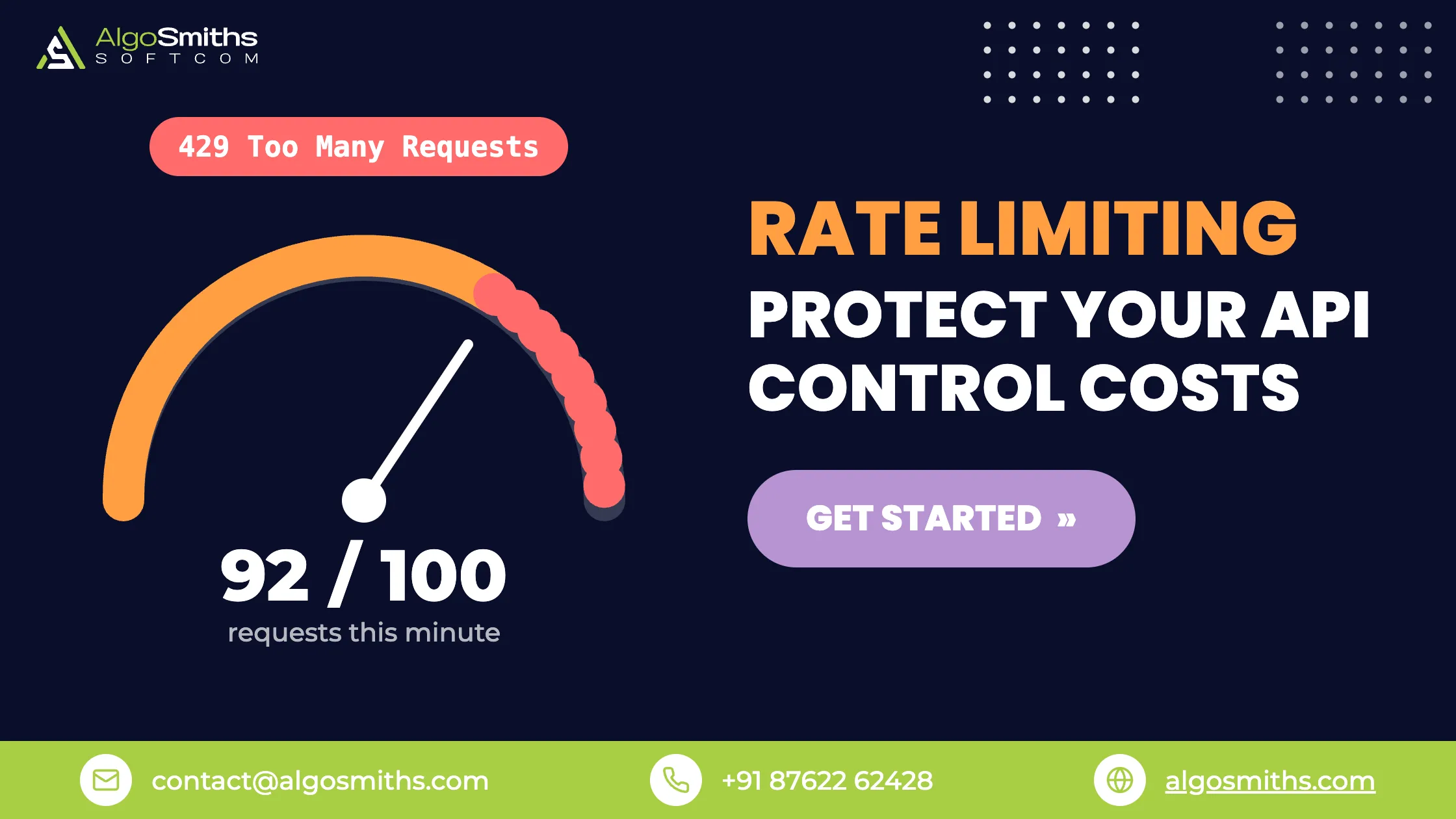
Rate Limiting for Startups: A Founder's Guide to Protecting Your API and Controlling Costs in 2026
One abusive script, a runaway integration, or a sudden traffic spike can take your app down or run up a five-figure cloud bill overnight. This founder-friendly guide explains what rate limiting is, the algorithms that power it, where to enforce it, and how to roll it out on your MVP without frustrating real users. You'll get practical examples, a comparison of the main approaches, and a checklist you can apply this week.
Samrat
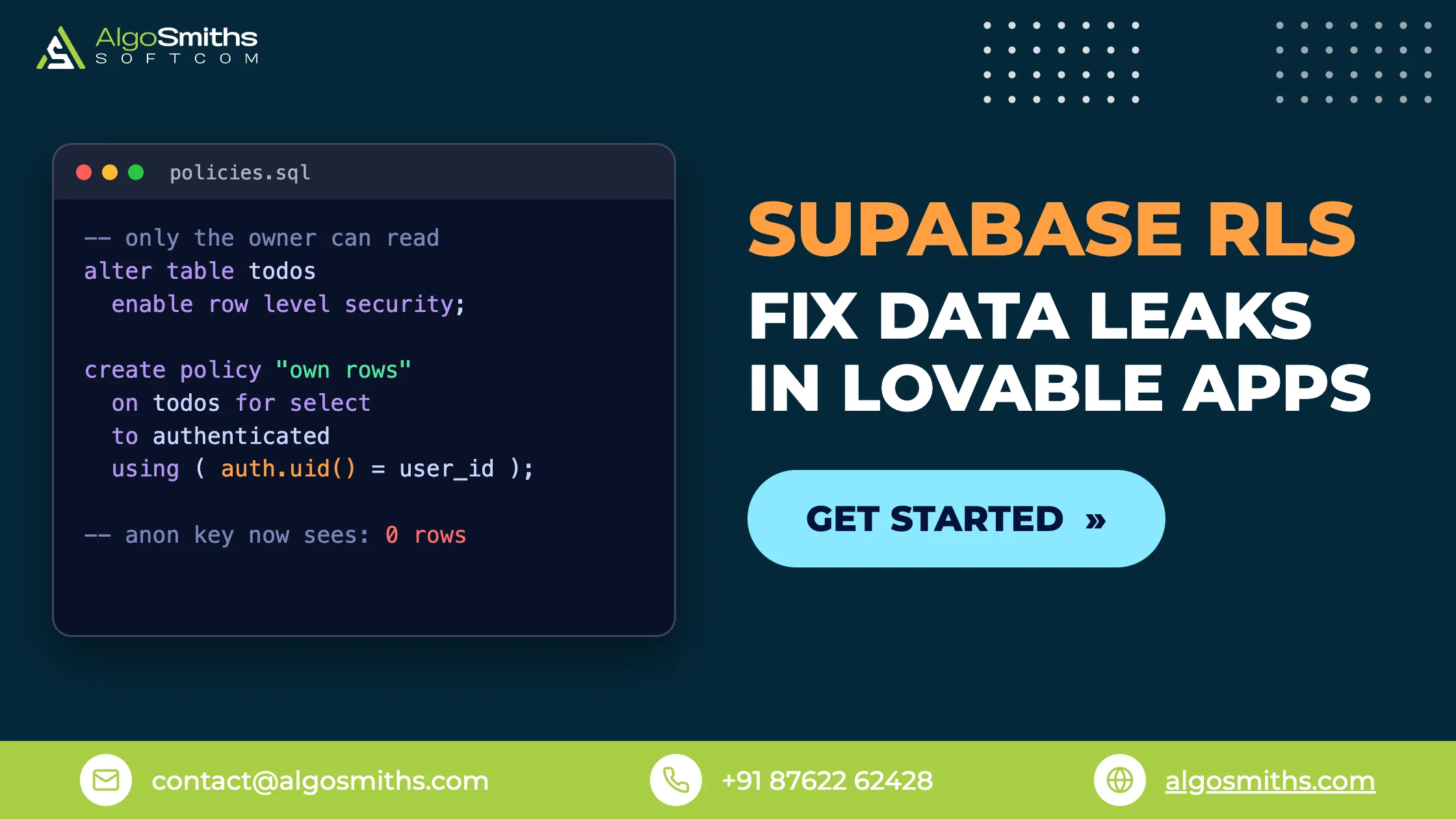
Supabase Row Level Security: Fix Data Leaks in Lovable Apps
Supabase Row Level Security for Lovable apps: how tables end up exposed to the anon key, how to test yours in ten minutes, and policies that fix it.
Samrat
No Technical Co-Founder? No Problem. Here’s How You Can Still Launch Your Startup
If you’ve ever said, “I have a great idea, but I need a tech co-founder to build it”, — you’re not alone. One of the most common myths in the startup world is that you can’t launch a tech company without a technical co-founder. It’s a belief that keeps thousands of smart, capable founders stuck in the idea phase — waiting, pitching, or getting ghosted by developers who want “more traction” before they commit.