
Category: All
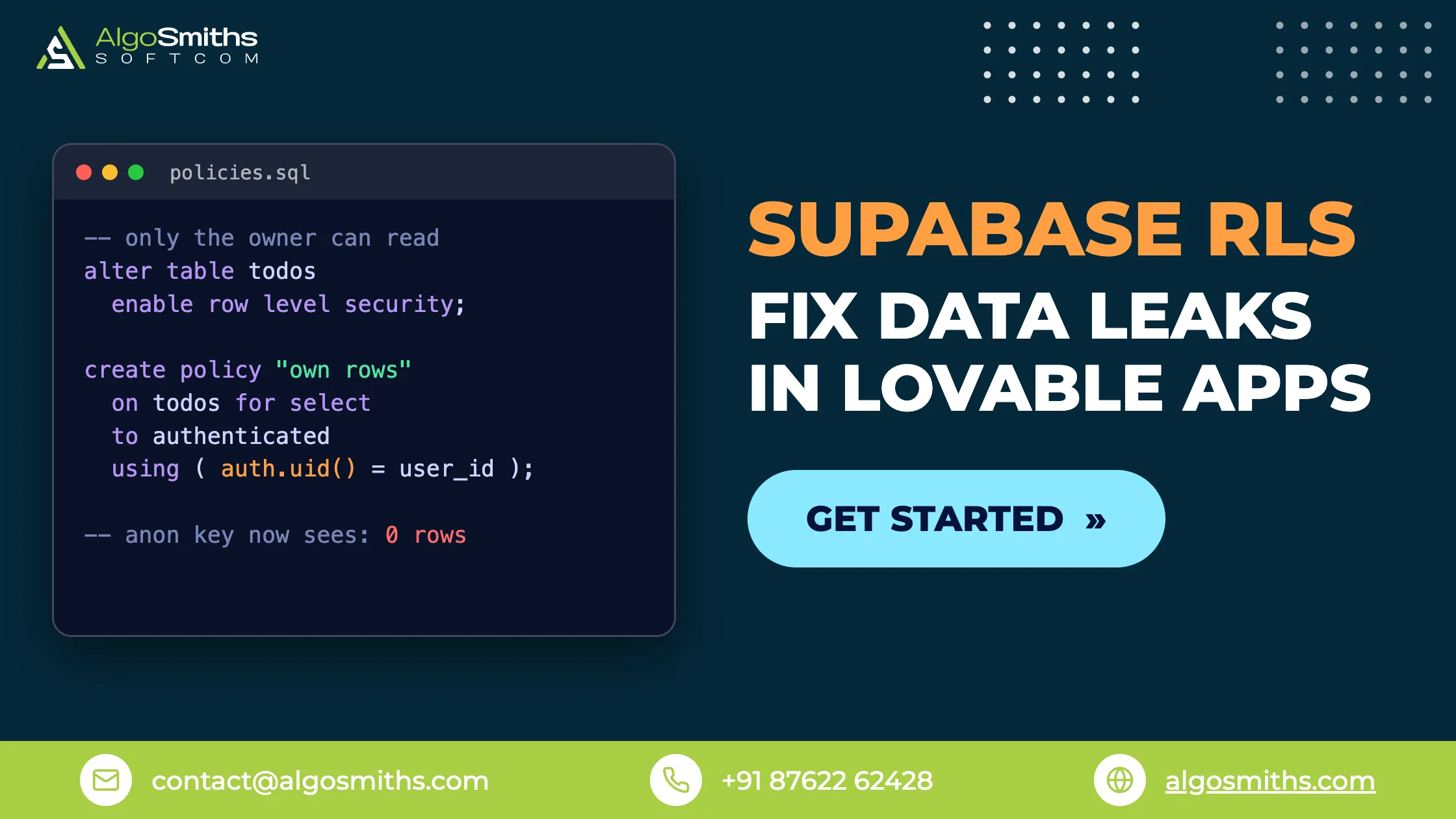
Supabase Row Level Security: Fix Data Leaks in Lovable Apps
Supabase Row Level Security for Lovable apps: how tables end up exposed to the anon key, how to test yours in ten minutes, and policies that fix it.
Samrat
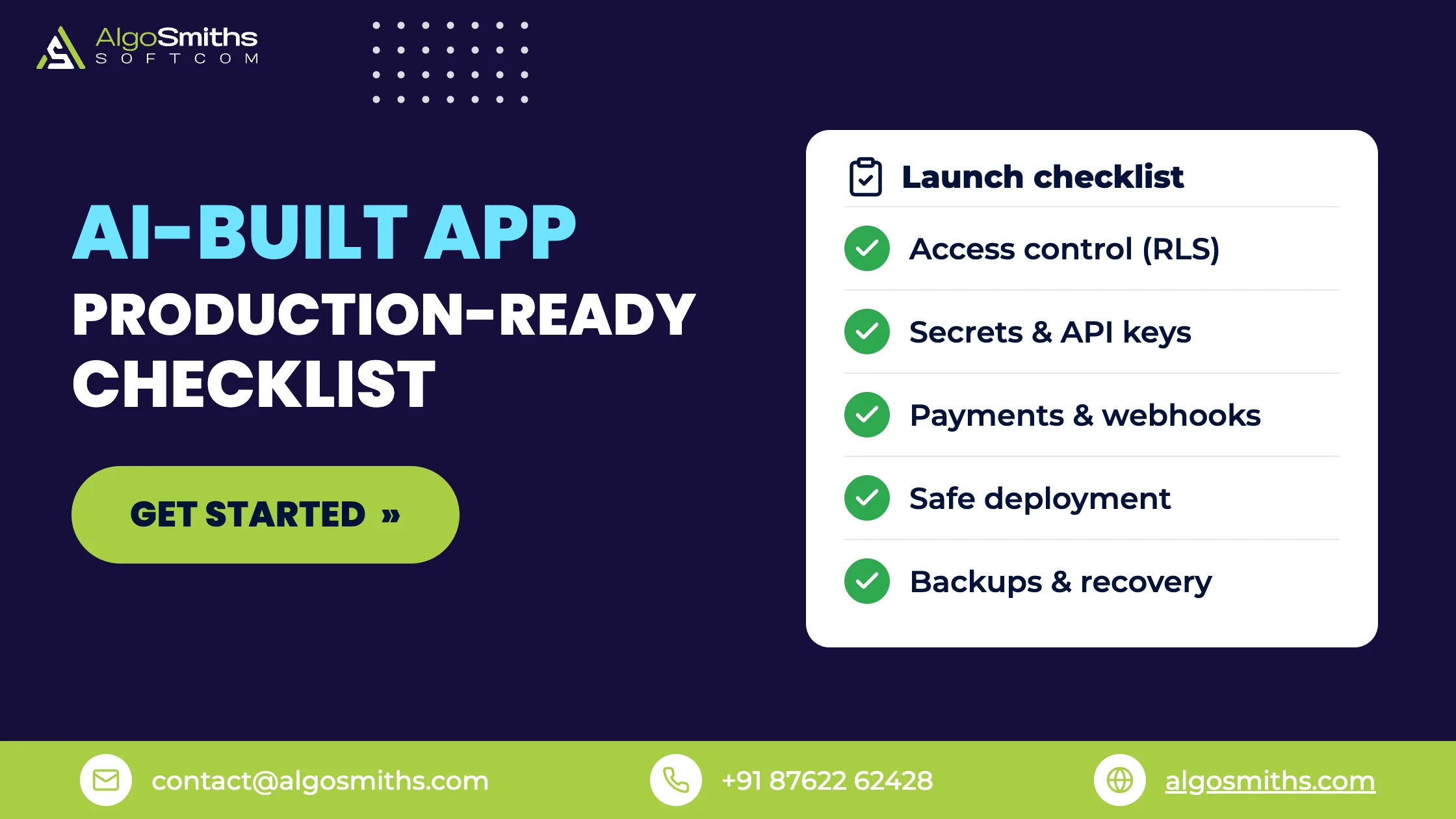
AI-Built App Production Readiness: A Founder's Launch Checklist
AI-built app production readiness explained: what to fix in a Lovable or Bolt app before real users and payments arrive, with a clear launch checklist.
Samrat
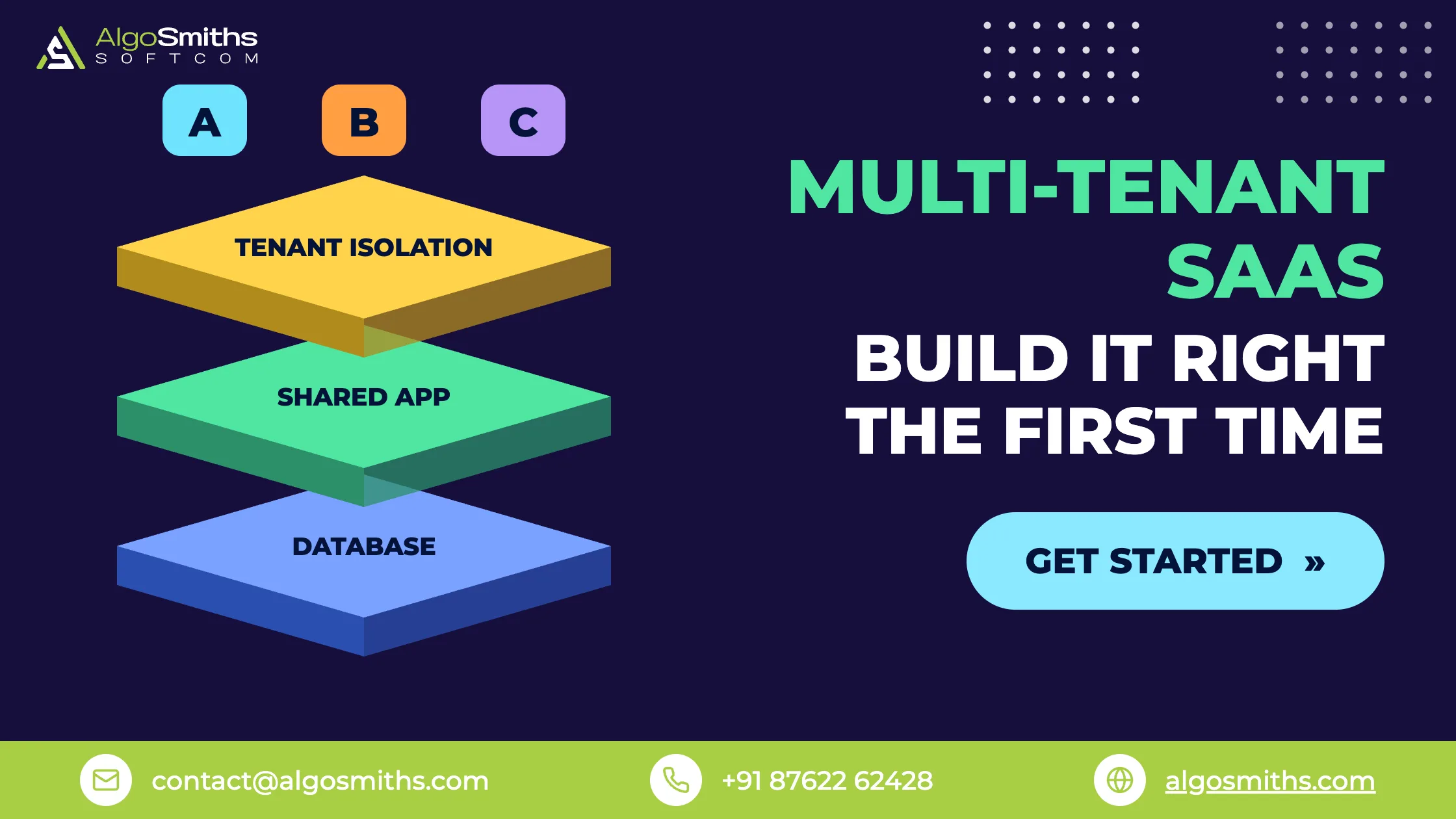
Multi-Tenant SaaS Architecture: A Founder's Guide to Building It Right the First Time
Building a multi-tenant SaaS product means locking in foundational architecture decisions before you write your first line of code. This guide breaks down the three core multi-tenancy models, shows you how to choose between shared and isolated databases, and highlights the security and scaling mistakes that force a costly rewrite later. Whether you're scoping your first B2B MVP or preparing to onboard your first enterprise customer, this is the practical framework to get your architecture right the first time.
Samrat
Authentication for SaaS Startups: A Founder's Guide to Auth, SSO, and API Security in 2026
Every SaaS product runs on one invisible layer that decides who gets in and what they can touch: authentication and authorization. Get these wrong and you inherit account-takeover risk, tenant data leaks, and a security review that can stall an enterprise deal or a funding round. This founder-friendly guide breaks down sessions, JWTs, OAuth, and SSO in plain terms, shows you how to design role-based access control for a multi-tenant product, and gives you a practical roadmap for hardening auth as you grow from first user to first enterprise contract.
Samrat
Chasing AI Too Early? Here’s Why It Might Kill Your MVP
It’s 2025, and every startup pitch seems to start with two letters: A.I. From funding decks to founder dreams, AI in MVP development has become a buzzword that investors expect and founders feel pressured to include.
Samrat
When Not to Use Django (And What to Use Instead)
Django is widely recognized for its “batteries-included” philosophy, enabling rapid web application development with features like authentication, ORM, admin interface, and more out of the box. It’s a fantastic choice for monolithic web apps, content-heavy platforms, and admin dashboards.
Samrat

HR in the Digital Age: How Modern HR Software Enhances Employee Experience
The landscape of human resources (HR) has transformed significantly over the past decade. Once seen primarily as a back-office function responsible for hiring, payroll, and compliance, HR has evolved into a strategic partner in driving organizational success. This shift has been catalyzed by technological advancements, changing workforce dynamics, and a growing recognition of the importance of employee engagement and well-being. As organizations strive to stay competitive in an increasingly digital world, HR professionals are now expected to wear multiple hats, from data analyst to culture ambassador.
Anagha Masane
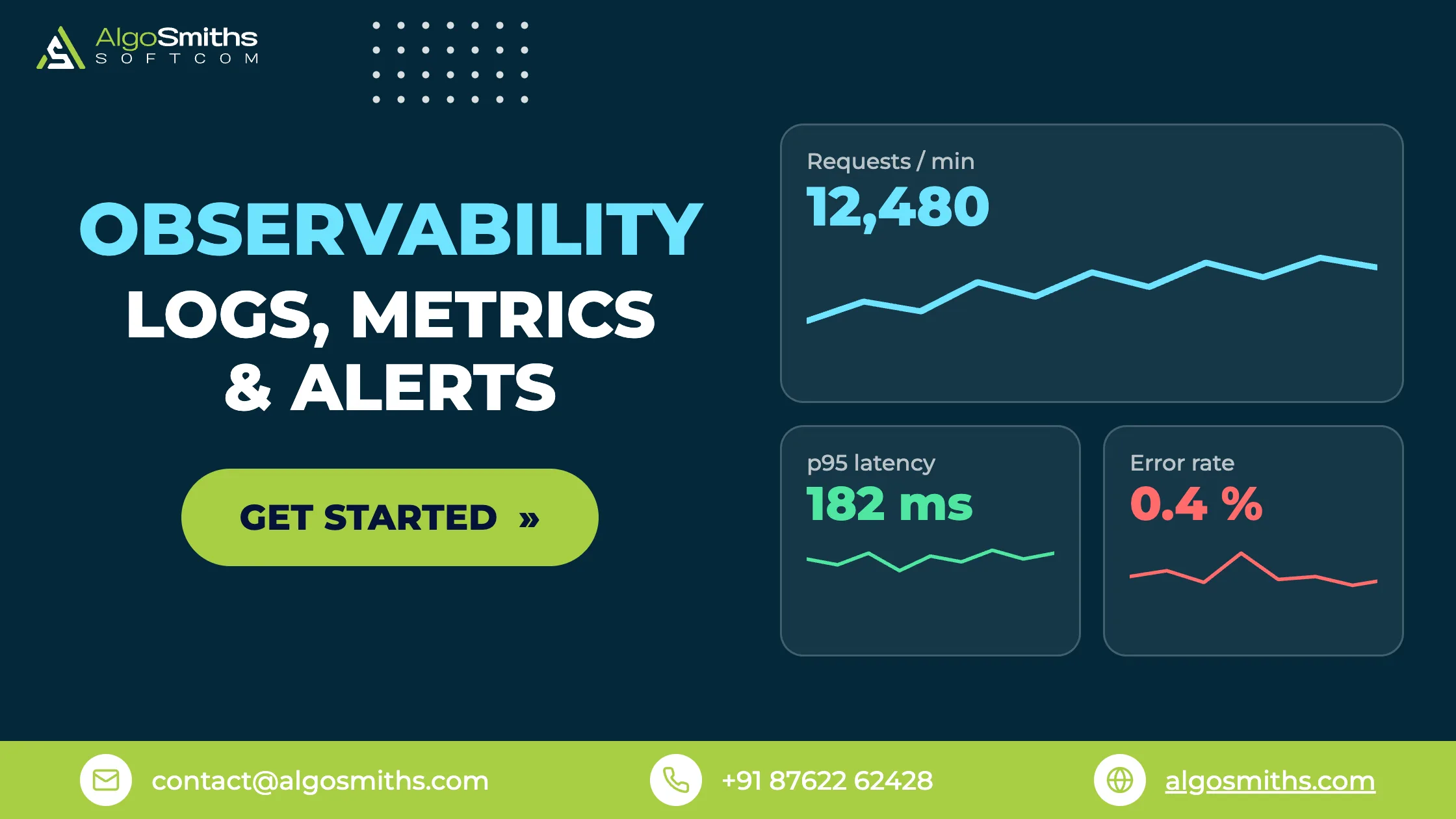
Observability for Startups: A Founder's Guide to Logging, Metrics, and Alerting in 2026
When your app breaks in production, observability is what tells you before your customers do. This founder-friendly guide explains logging, metrics, and alerting in plain language, shows you how to build a lean monitoring stack without a dedicated ops team, and gives you a practical checklist you can act on this week.
Samrat
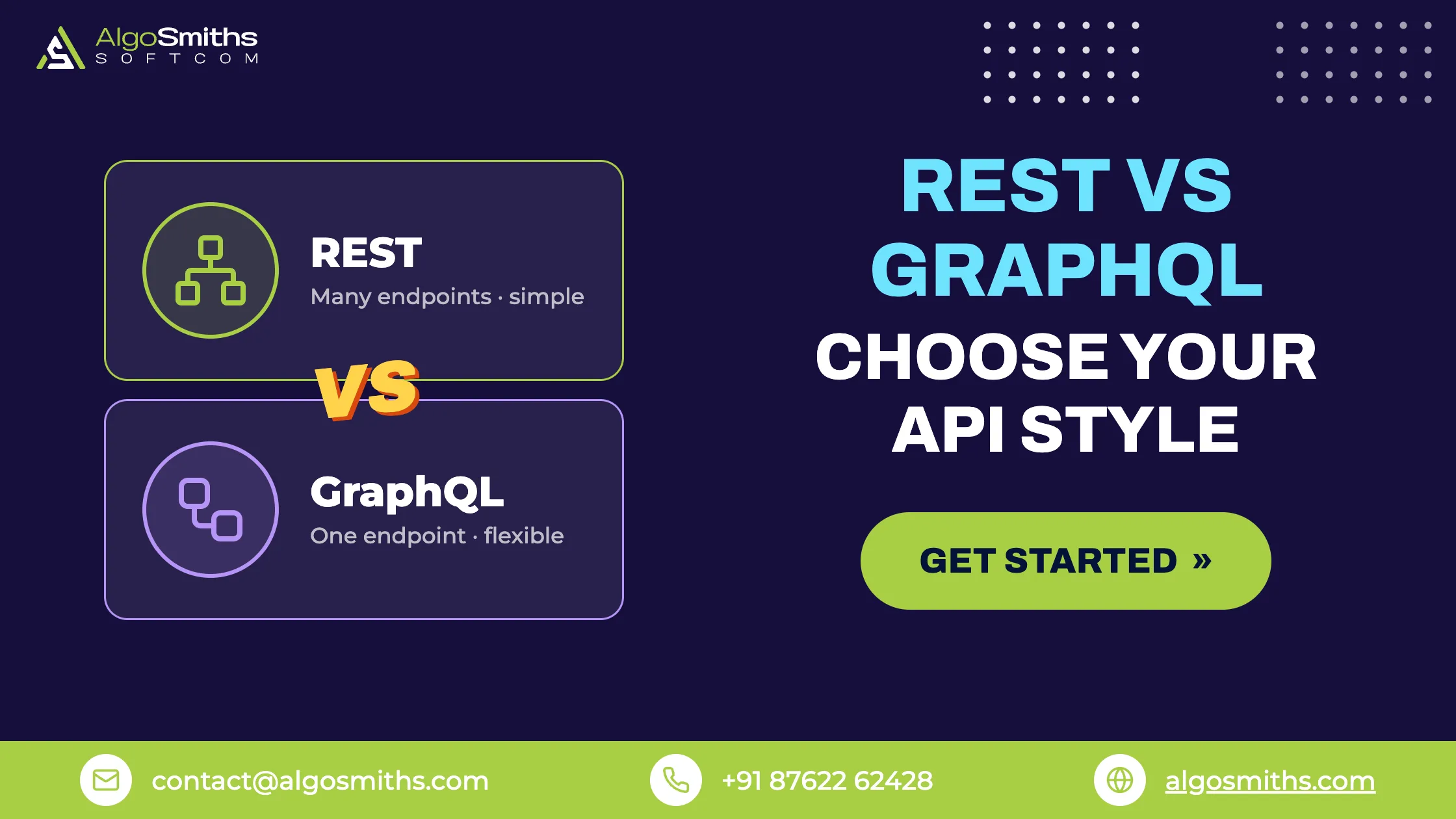
REST vs GraphQL for Startups: Which API Style Should You Choose for Your MVP in 2026?
Choosing between REST and GraphQL is one of the first architecture decisions your MVP forces on you — and the wrong call can slow every feature that follows. This founder-friendly guide breaks down how each API style actually works, where each one shines, the real trade-offs in cost and complexity, and a practical framework for picking the right one (or both) for your startup in 2026.
Samrat
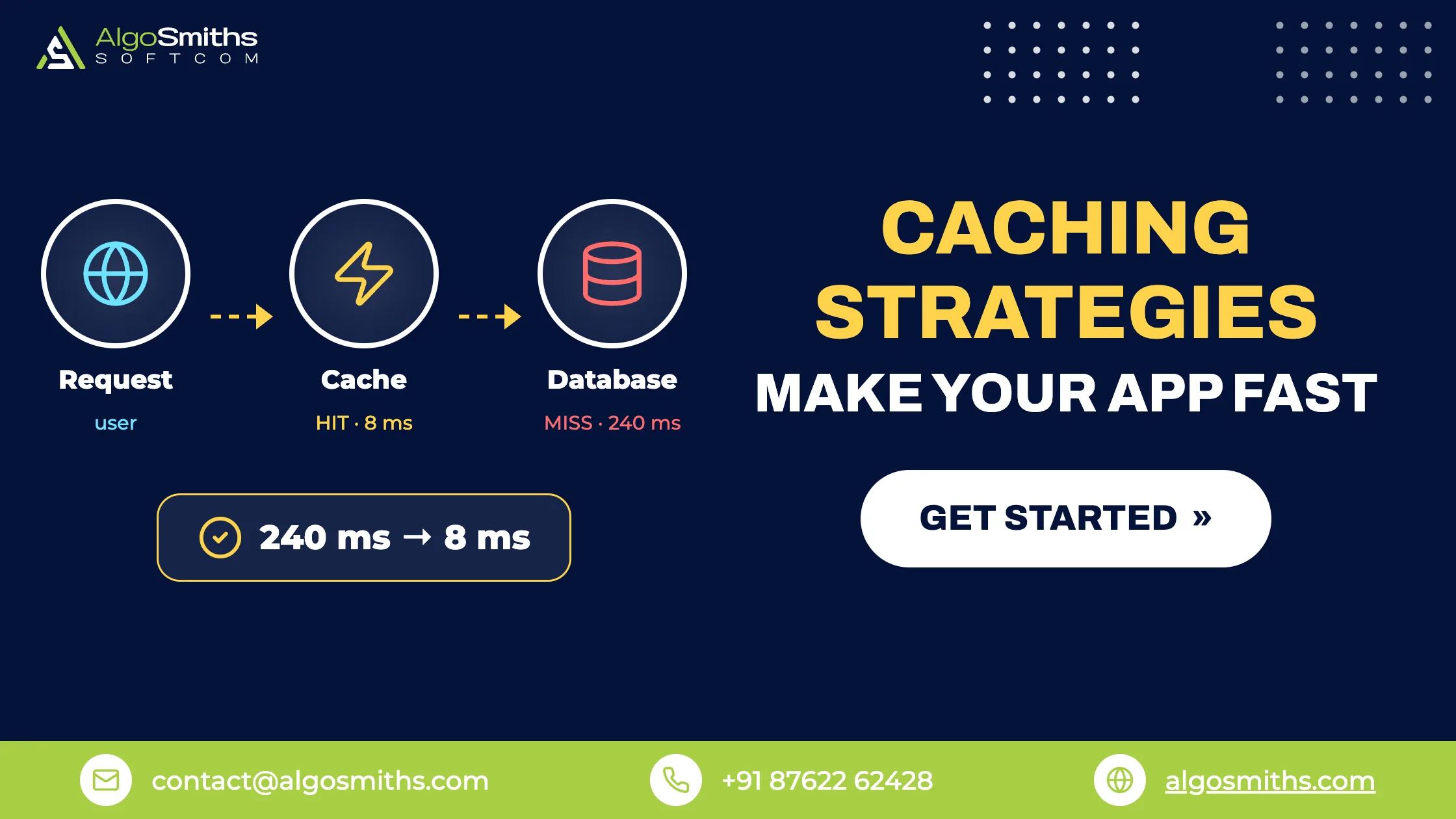
Caching Strategies for Startups: A Founder's Guide to Making Your App Fast Without a Rewrite in 2026
Slow apps lose users and burn money on oversized servers, but most startups reach for a bigger database long before they reach for a cache. This founder-friendly guide explains what caching is, where to add it, and which strategy fits your MVP. You'll get practical patterns for Redis, HTTP, and database caching, plus the mistakes that quietly corrupt your data.
Samrat
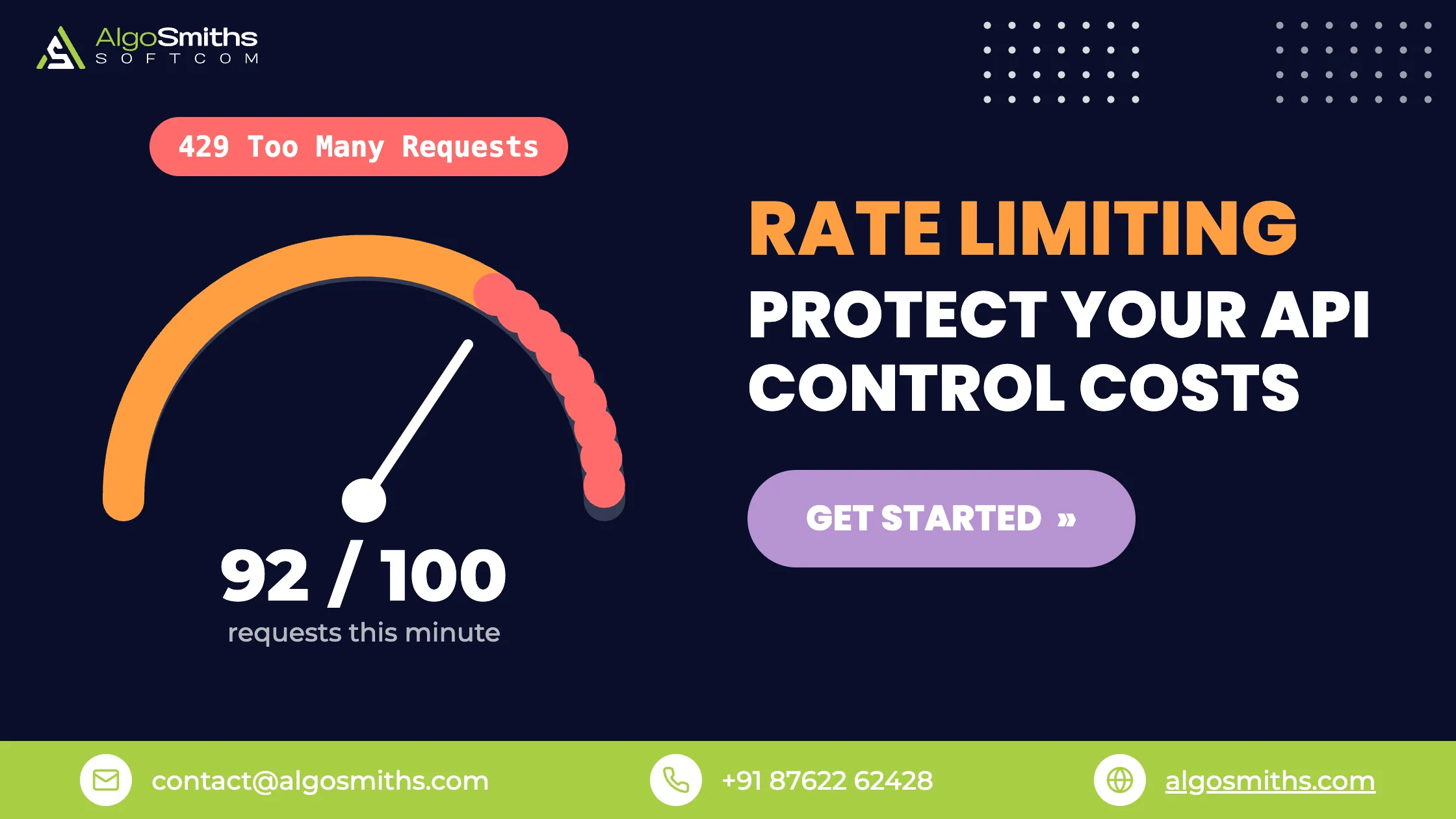
Rate Limiting for Startups: A Founder's Guide to Protecting Your API and Controlling Costs in 2026
One abusive script, a runaway integration, or a sudden traffic spike can take your app down or run up a five-figure cloud bill overnight. This founder-friendly guide explains what rate limiting is, the algorithms that power it, where to enforce it, and how to roll it out on your MVP without frustrating real users. You'll get practical examples, a comparison of the main approaches, and a checklist you can apply this week.
Samrat
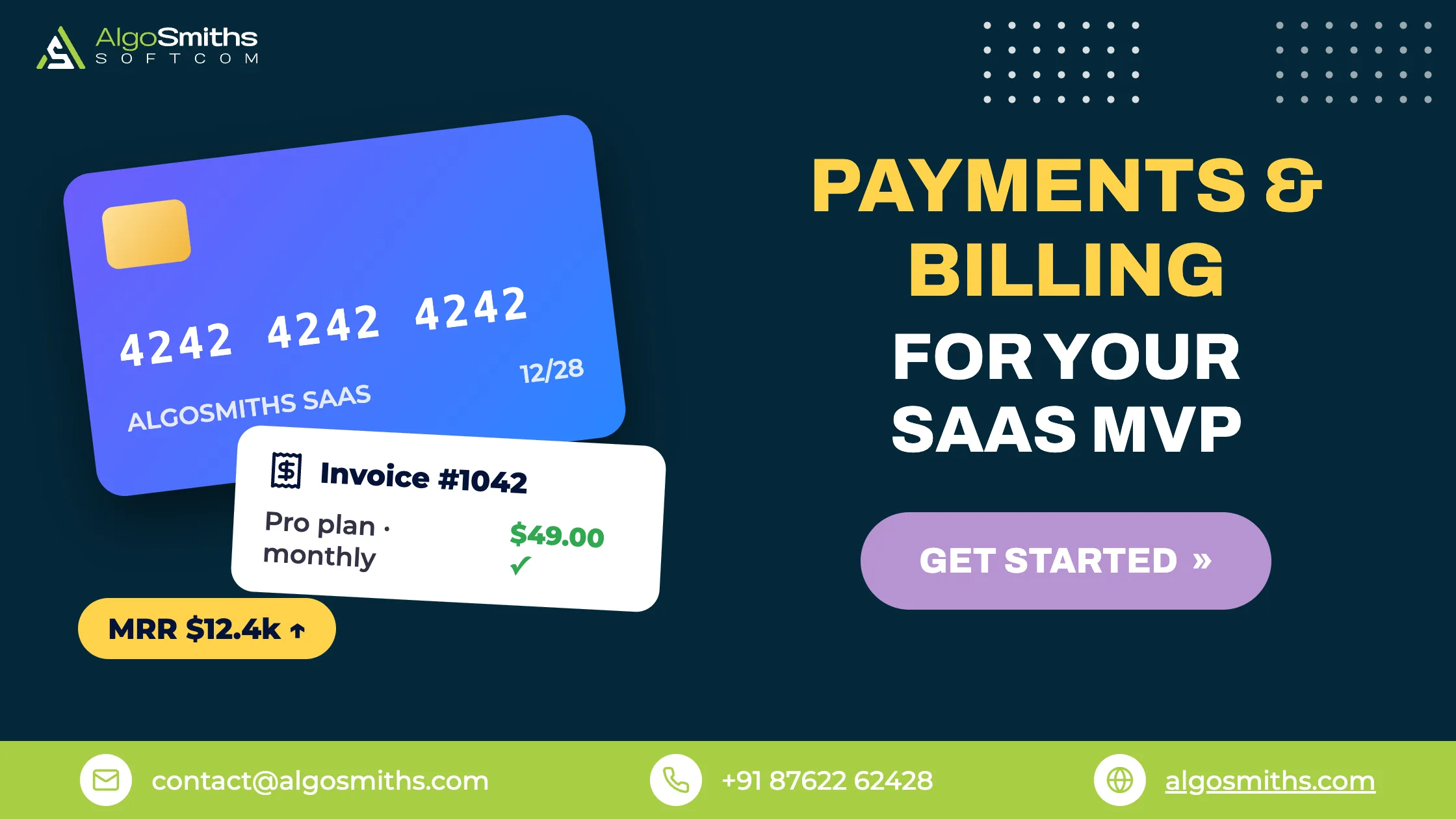
How to Add Payments and Subscription Billing to Your SaaS MVP: A Founder's Guide
Payments are the moment your SaaS stops being a side project and starts being a business — but billing is also where founders lose the most time to avoidable complexity. This founder-friendly guide walks you through choosing a payment provider, modelling subscriptions the right way, handling failed payments and dunning, and building billing that scales without a rewrite. You'll get a provider comparison, an implementation roadmap, and the mistakes that quietly cost startups revenue.
Samrat
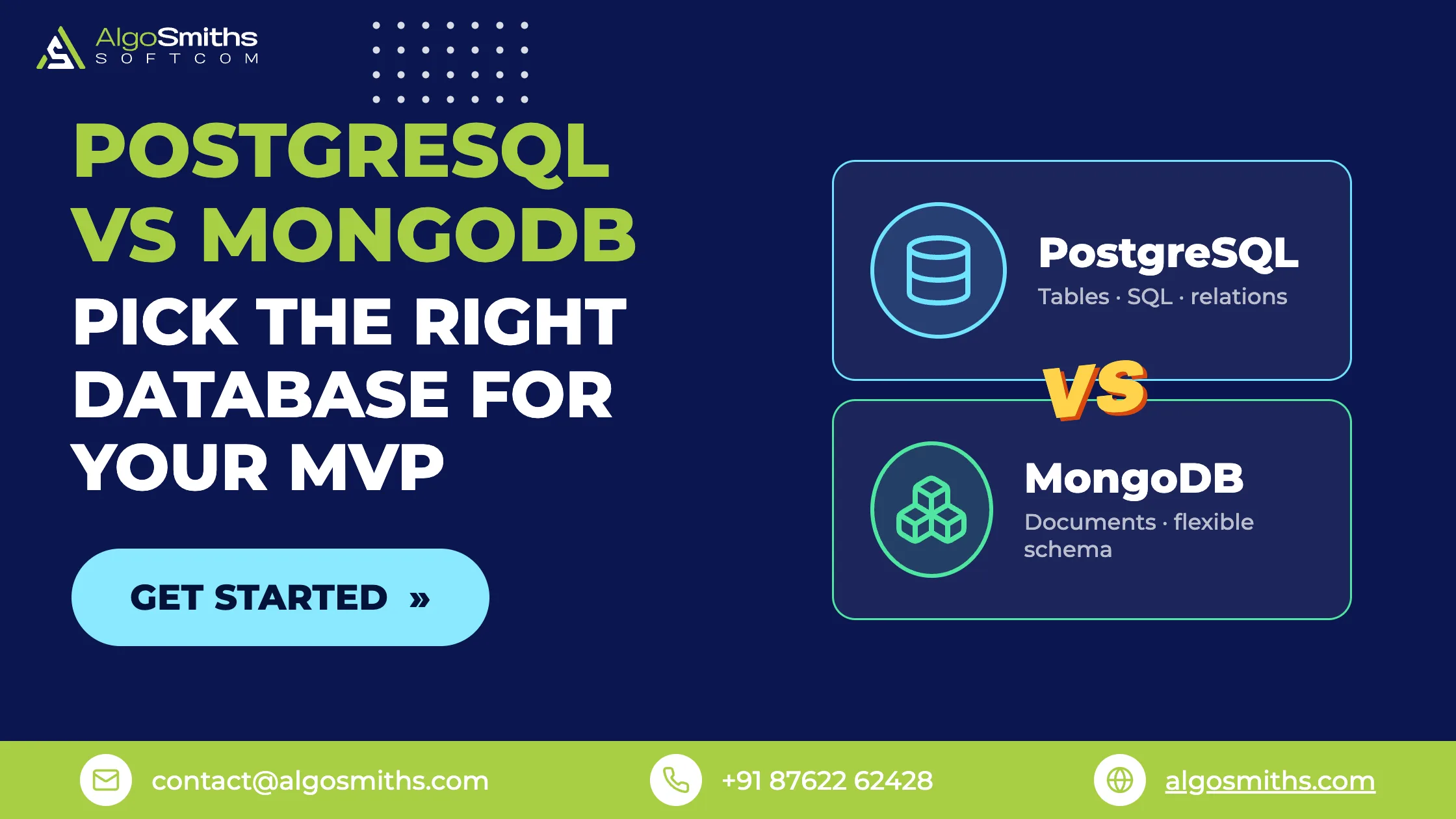
PostgreSQL vs MongoDB for Startups: Which Database Should You Choose for Your MVP in 2026?
Choosing between PostgreSQL and MongoDB is one of the first architecture decisions that shapes how fast you can ship and how painful your first scaling headache will be. This founder-friendly guide breaks down how relational and document databases actually work, compares them head-to-head on the factors that matter to an early-stage team, and gives you a practical framework for picking the right one for your MVP in 2026. You'll also learn why Postgres's JSONB support and the pgvector extension are quietly closing the gap that once made NoSQL the default pick for fast-moving startups.
Samrat

The Cost-Saving Benefits of Cloud Computing for Businesses
Moving to the cloud for data storage is a popular choice for companies of all shapes and sizes, from brand new startups to established corporations with hundreds of years of experience. With so many advantages to offer, from workloads efficiencies to cost savings, there are plenty of ways to incorporate cloud offers into the world of modern business.
Anagha Masane

Offshore Talent: Capability First, Cost Second – Strategic Outsourcing
Discover why offshore talent should be chosen for capability—not just cost savings. Learn best practices to integrate high-quality offshore teams.
Samrat
Django vs Node.js: Why Django Is Still the Smarter Choice for Backend Development in 2025
Choosing the right backend framework can make or break your product — especially if you’re a startup founder with limited time and resources.
Samrat
Django REST Framework vs FastAPI: Which Python API Framework is Right for You?
If you're building a new product or MVP and debating between Django REST Framework and FastAPI, you're not alone. The Django vs FastAPI debate is one of the most common among startups and engineering teams deciding on the ideal backend for their API development.
Samrat
How We Build MVPs 30% Faster with Django: A Framework Made for Startups
Learn how we build MVPs 30% faster using Django’s robust framework. Discover why Django is the best choice for startups looking for fast, scalable, and cost-effective MVP development.
Samrat

General Data Protection Regulation (GDPR): Meaning and Rules
The GDPR(General Data Protection Regulation) is a comprehensive set of regulations formulated by the EU to protect the privacy and personal data of its citizens. It was implemented on May 25, 2018, and applies to any organization that processes the personal data of EU residents, regardless of its location.
Anagha Masane
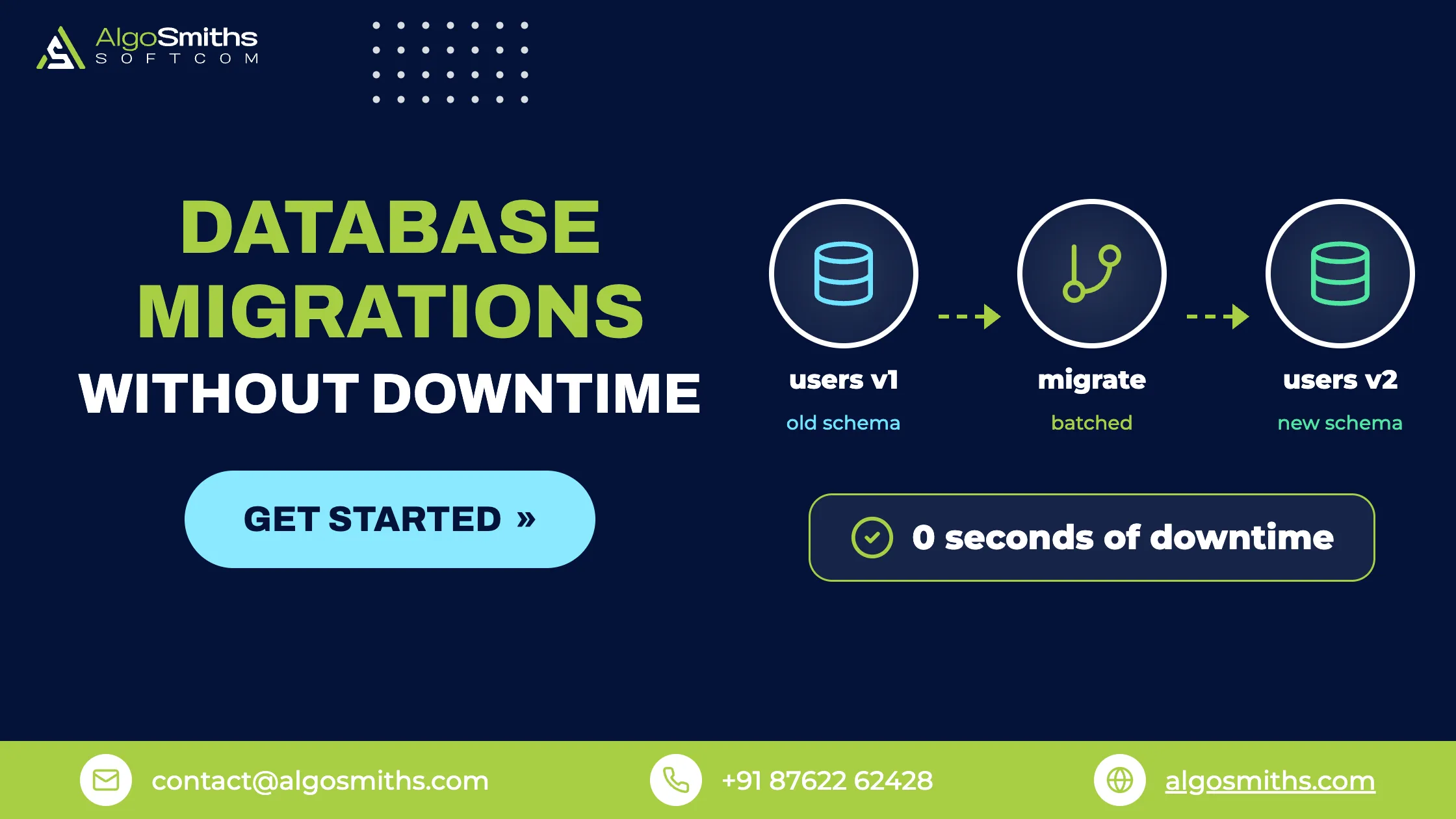
Database Migrations for Startups: A Founder's Guide to Changing Your Schema Safely Without Downtime in 2026
Every growing product eventually has to change its database schema — and doing it carelessly is how startups get accidental downtime, corrupted data, and 2 a.m. rollbacks. This founder-friendly guide explains what database migrations are, how to run them safely with tools like Django and Alembic, and how to ship schema changes with zero downtime as you scale. You'll get practical patterns, a tool comparison, and a step-by-step checklist you can apply this week.