
Category: All
Lovable vs Bolt vs Replit: Which AI App Builder to Choose
Lovable vs Bolt vs Replit compared on price, backend, code export and mobile, so you can pick the right AI app builder for your product.
Samrat
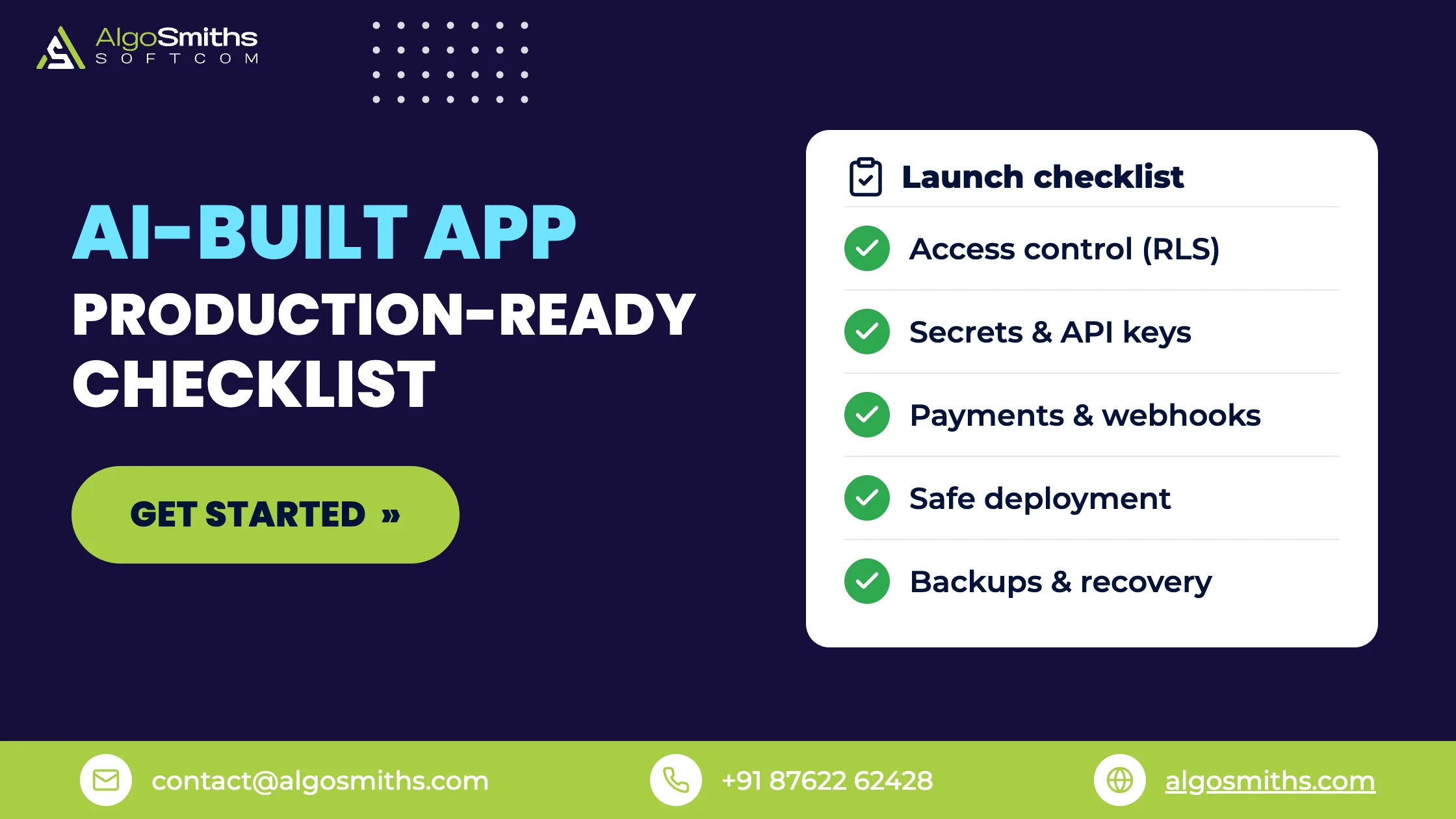
AI-Built App Production Readiness: A Founder's Launch Checklist
AI-built app production readiness explained: what to fix in a Lovable or Bolt app before real users and payments arrive, with a clear launch checklist.
Samrat
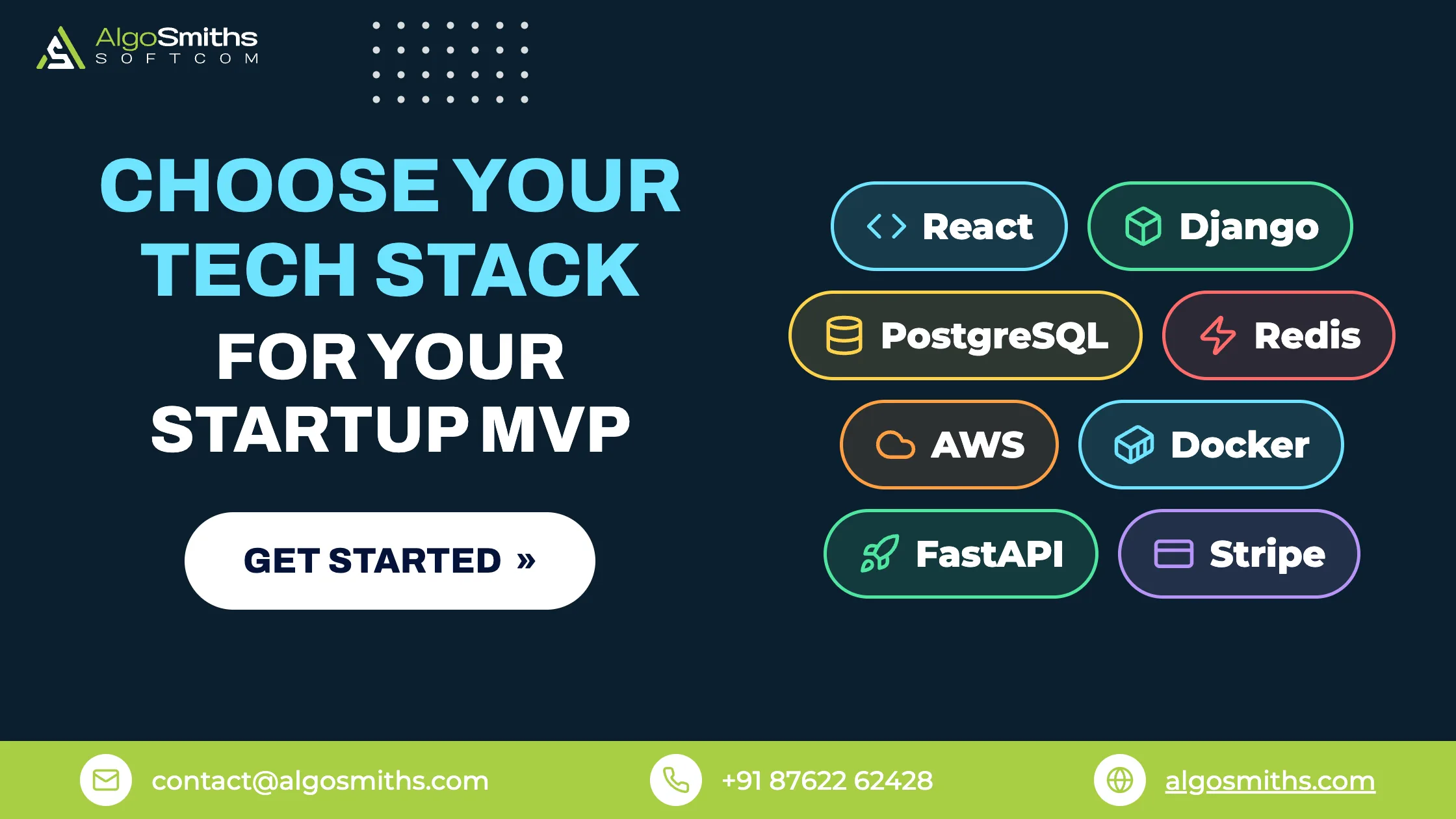
How to Choose the Right Tech Stack for Your Startup MVP in 2026
Choosing a tech stack is one of the earliest and most expensive decisions a founder makes. This practical guide walks you through how to pick the right frontend, backend, database, and cloud setup for your MVP in 2026 — with real comparisons, common mistakes to avoid, and a decision framework you can apply this week.
Samrat
How to Scale Your MVP into a Production-Ready SaaS Without a Rewrite
Your MVP found traction — now it has to hold up under real users, real data, and real revenue. This founder-friendly guide shows you how to turn a scrappy MVP into a production-ready SaaS the right way: what to harden first, how to tackle technical debt without stalling growth, and how to scale your database, infrastructure, and team without an expensive rewrite.
Samrat

Lovable Credits Explained: What It Costs to Ship an App
Lovable credits explained: what a credit is, what plans and top-ups cost, what a single build message uses, and how to keep monthly spend predictable.
Samrat
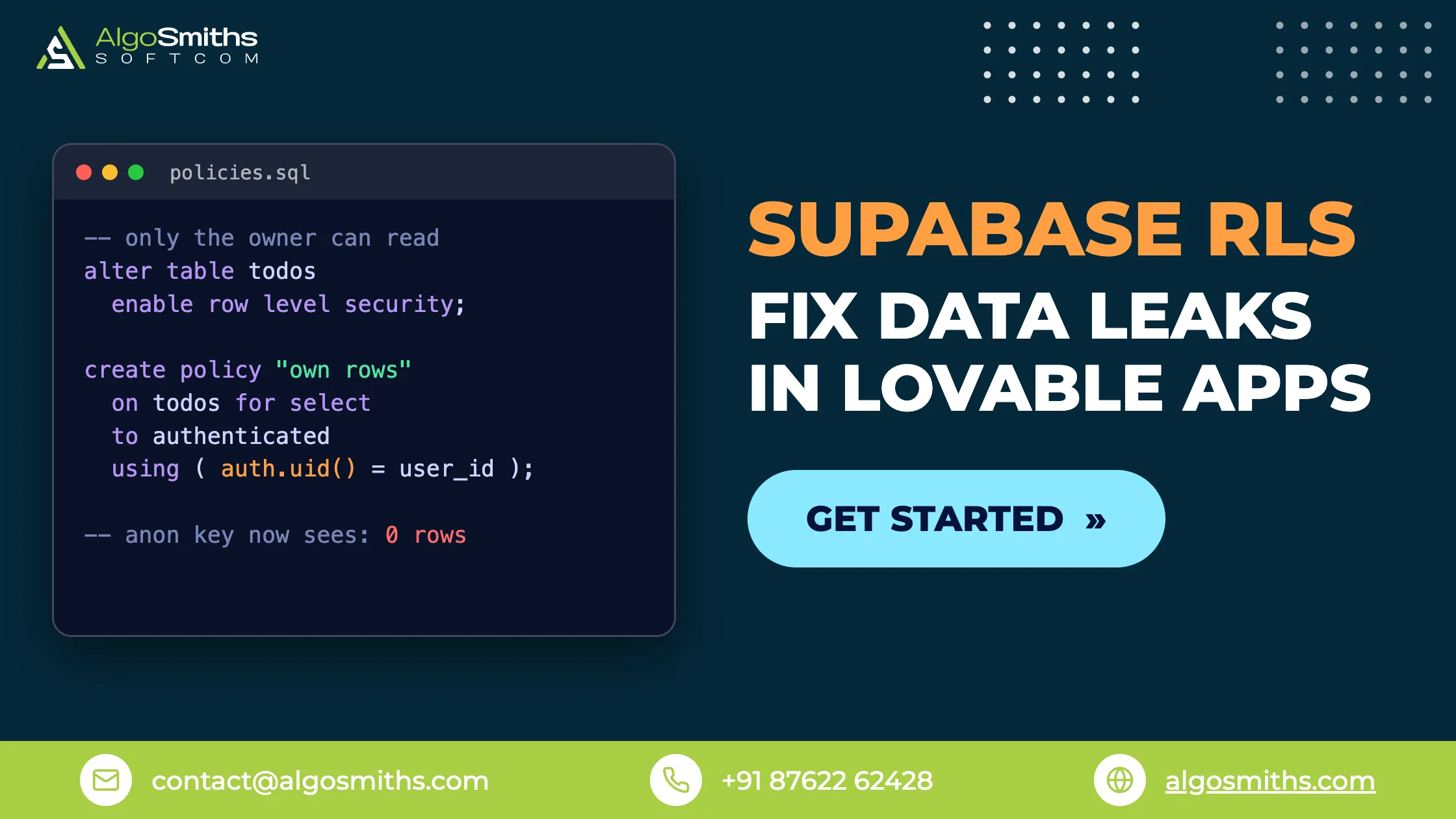
Supabase Row Level Security: Fix Data Leaks in Lovable Apps
Supabase Row Level Security for Lovable apps: how tables end up exposed to the anon key, how to test yours in ten minutes, and policies that fix it.
Samrat
When Not to Use Django (And What to Use Instead)
Django is widely recognized for its “batteries-included” philosophy, enabling rapid web application development with features like authentication, ORM, admin interface, and more out of the box. It’s a fantastic choice for monolithic web apps, content-heavy platforms, and admin dashboards.
Samrat
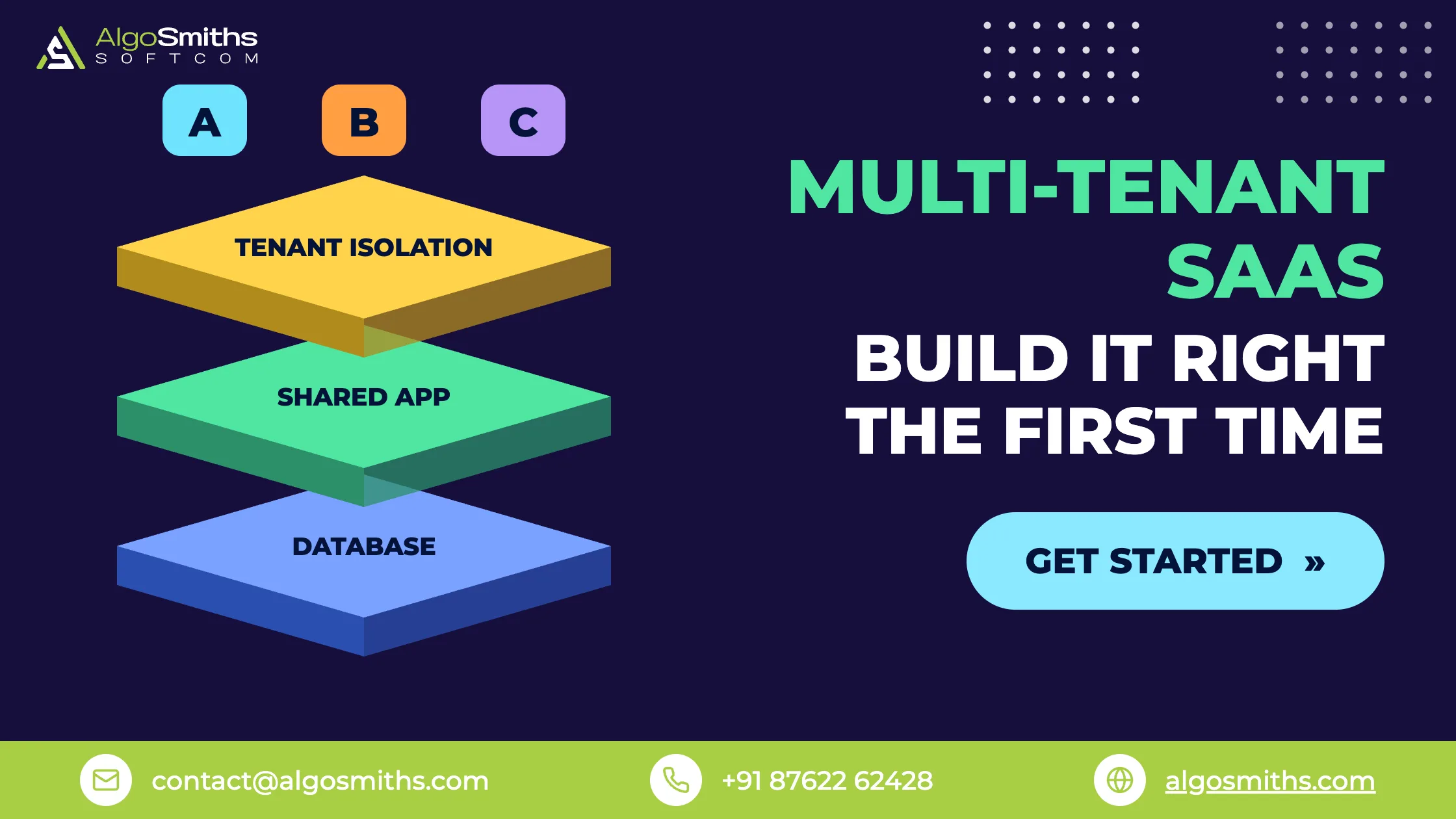
Multi-Tenant SaaS Architecture: A Founder's Guide to Building It Right the First Time
Building a multi-tenant SaaS product means locking in foundational architecture decisions before you write your first line of code. This guide breaks down the three core multi-tenancy models, shows you how to choose between shared and isolated databases, and highlights the security and scaling mistakes that force a costly rewrite later. Whether you're scoping your first B2B MVP or preparing to onboard your first enterprise customer, this is the practical framework to get your architecture right the first time.
Samrat
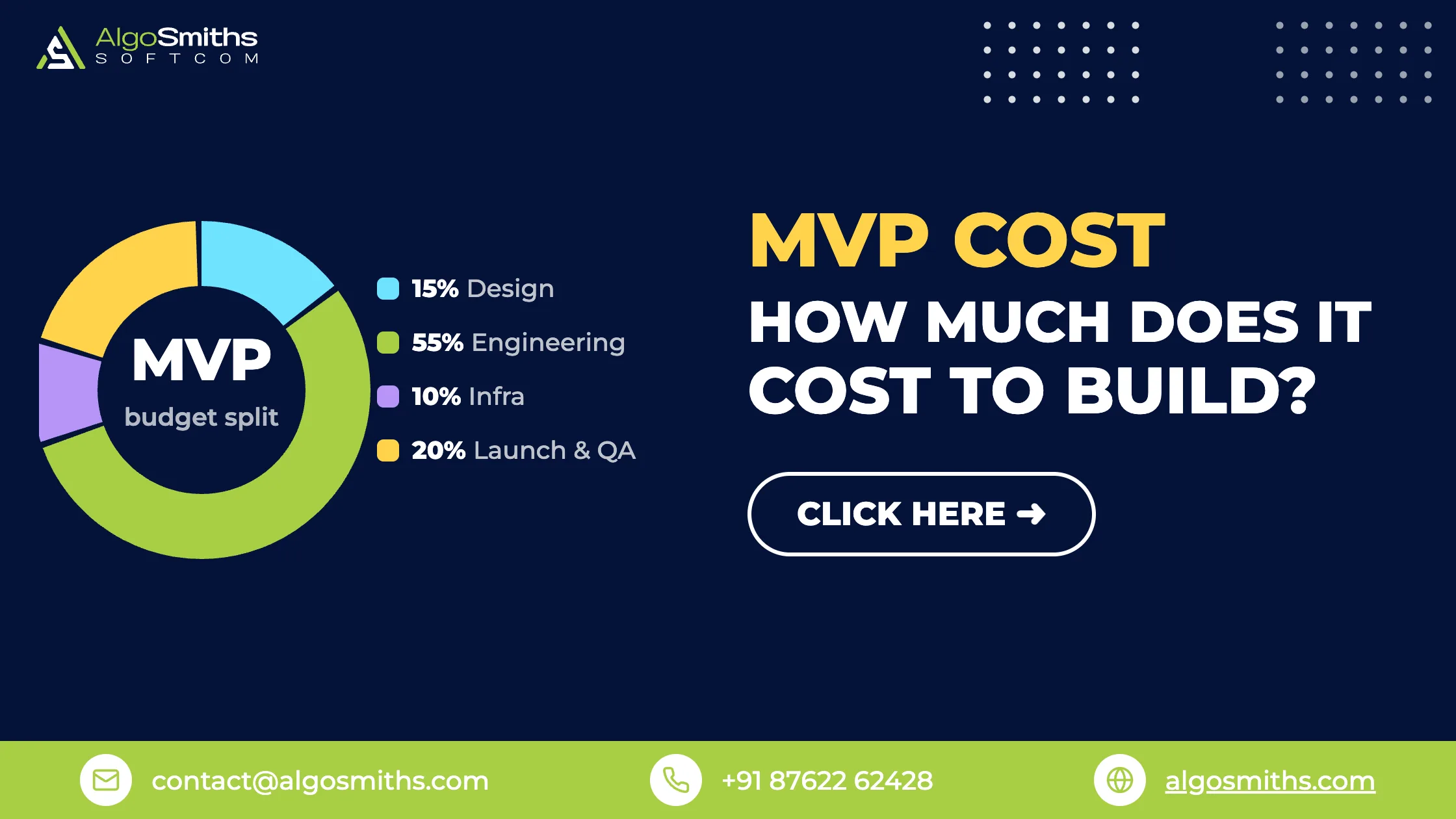
How Much Does It Cost to Build an MVP in 2026? A Founder's Complete Pricing Guide
Wondering what it really costs to build an MVP in 2026? This founder-friendly guide breaks down MVP pricing across freelancers, agencies, and in-house teams, with realistic cost ranges by feature and complexity. Learn where budgets quietly leak, how to scope for a fixed price, and how to ship a market-ready product without burning your runway.
Samrat
How to Add Payments and Subscription Billing to Your SaaS MVP: A Founder's Guide
Payments are the moment your SaaS stops being a side project and starts being a business — but billing is also where founders lose the most time to avoidable complexity. This founder-friendly guide walks you through choosing a payment provider, modelling subscriptions the right way, handling failed payments and dunning, and building billing that scales without a rewrite. You'll get a provider comparison, an implementation roadmap, and the mistakes that quietly cost startups revenue.
Samrat
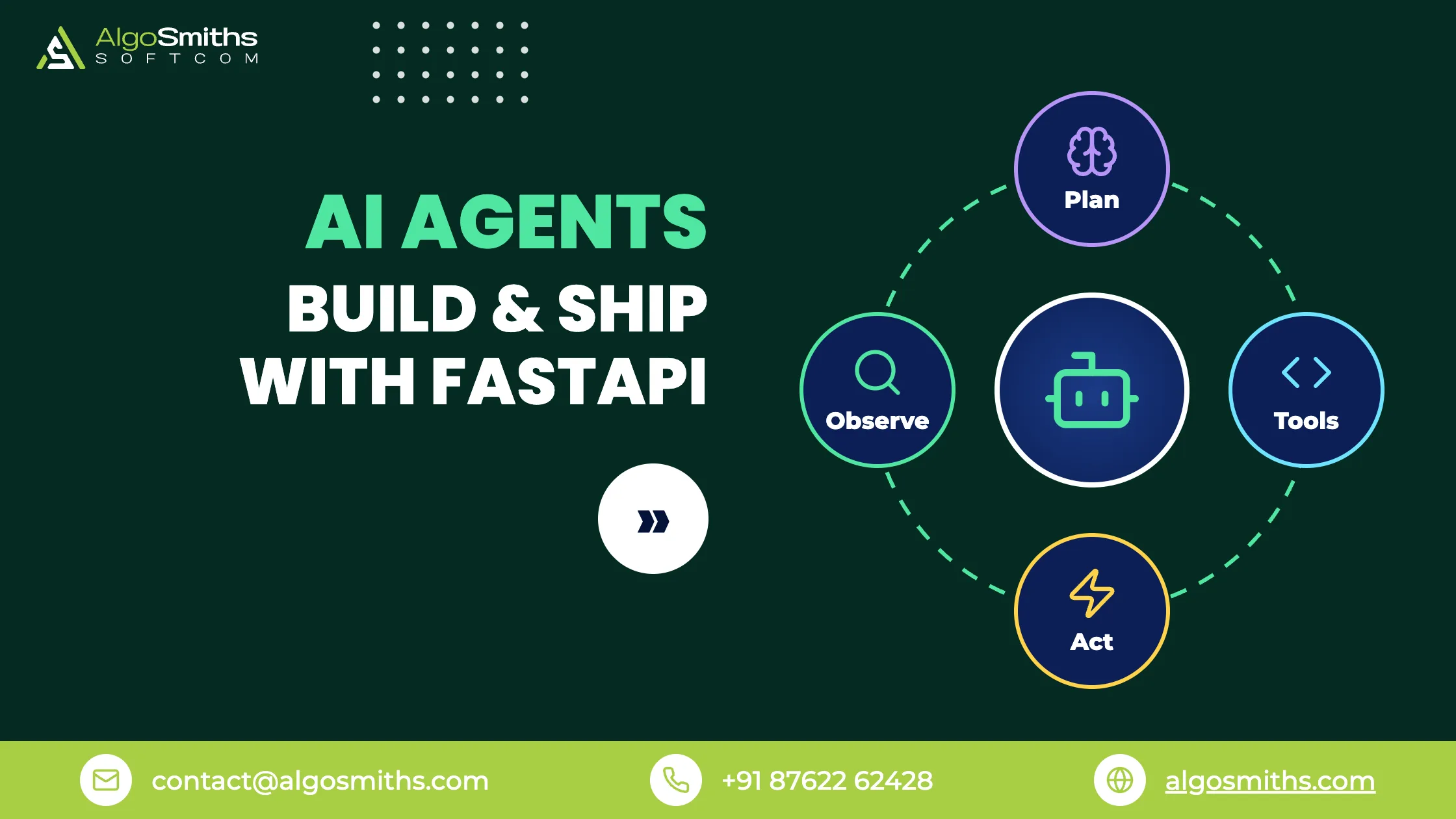
AI Agents for Startups: A Practical Guide to Building and Shipping Them with FastAPI
AI agents are moving fast from flashy demos to real product features, but most startups don't know where to draw the line between a good use case and an expensive distraction. This guide breaks down what an AI agent actually is, when it's the right call for your startup, and how to design, build, and deploy a production-ready agent using FastAPI. You'll get a practical architecture breakdown, a step-by-step build guide, a framework comparison, and the guardrails that separate a reliable feature from a support nightmare.
Samrat
Lovable Preview vs Production: 9 Fixes for Founders
Your Lovable preview works but production breaks. Diagnose and fix the nine most common causes, from missed republishes to Stripe live-mode keys.
Samrat

Transactional Email for Startups: Reach the Inbox, Not Spam
Transactional email for startups: how to set up SPF, DKIM and DMARC, pick a provider and keep signup and password reset emails out of spam.
Samrat
Django vs Node.js: Why Django Is Still the Smarter Choice for Backend Development in 2025
Choosing the right backend framework can make or break your product — especially if you’re a startup founder with limited time and resources.
Samrat
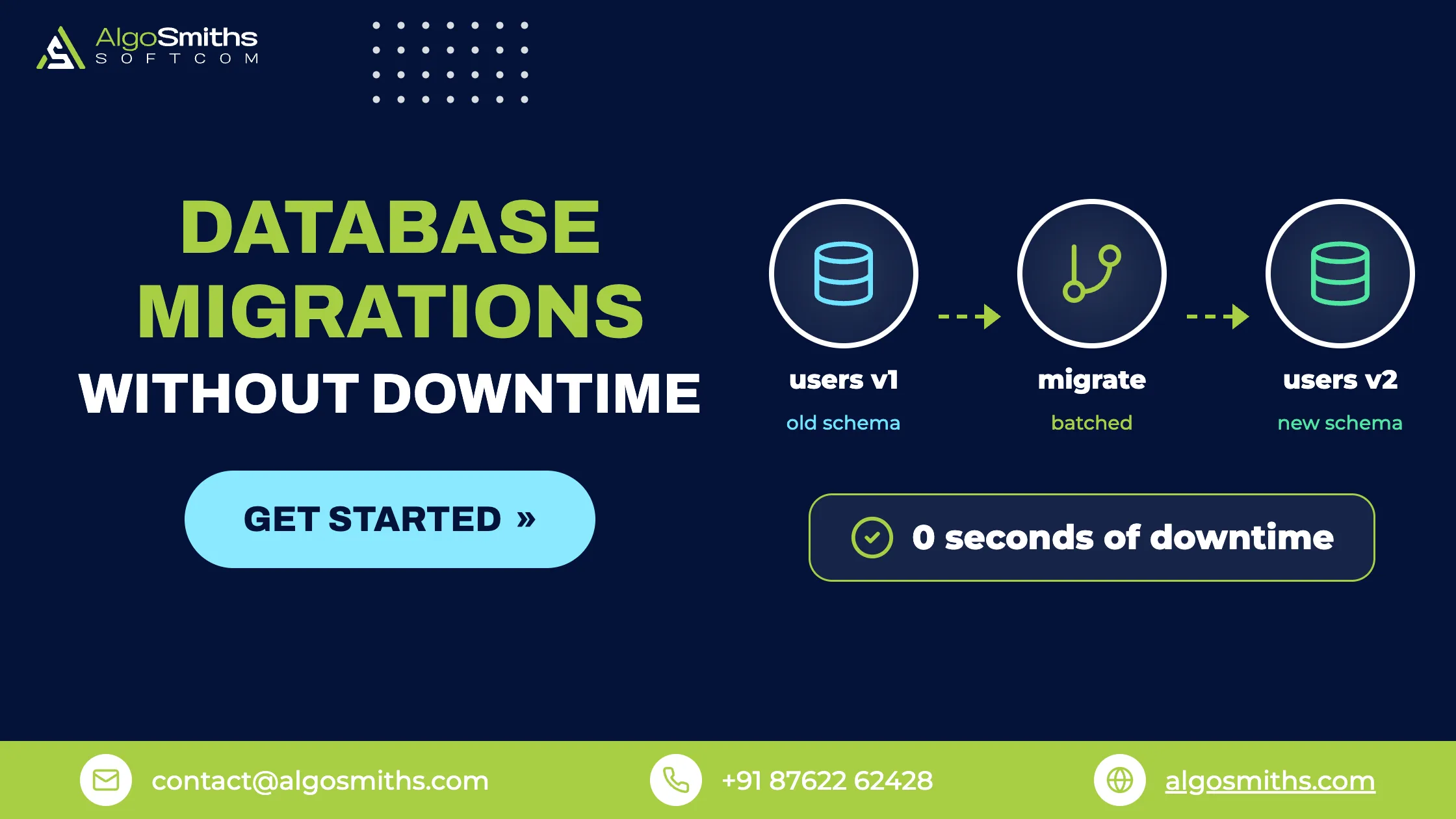
Database Migrations for Startups: A Founder's Guide to Changing Your Schema Safely Without Downtime in 2026
Every growing product eventually has to change its database schema — and doing it carelessly is how startups get accidental downtime, corrupted data, and 2 a.m. rollbacks. This founder-friendly guide explains what database migrations are, how to run them safely with tools like Django and Alembic, and how to ship schema changes with zero downtime as you scale. You'll get practical patterns, a tool comparison, and a step-by-step checklist you can apply this week.
Samrat
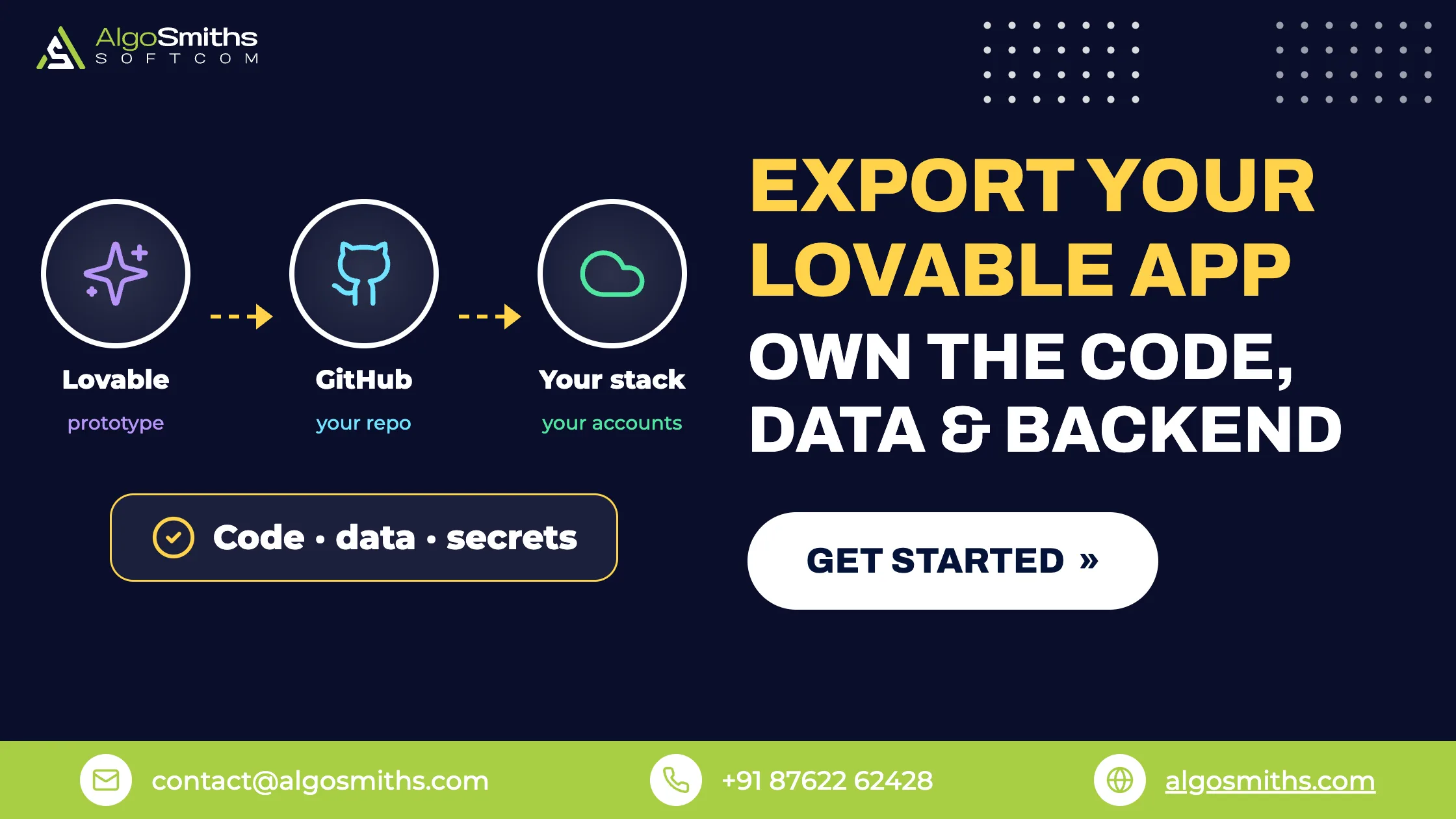
Export Your Lovable App: Own the Code, Data and Backend
Export your Lovable app to GitHub, see what the repo leaves behind, and move the database, secrets and hosting without breaking the live site.
Samrat
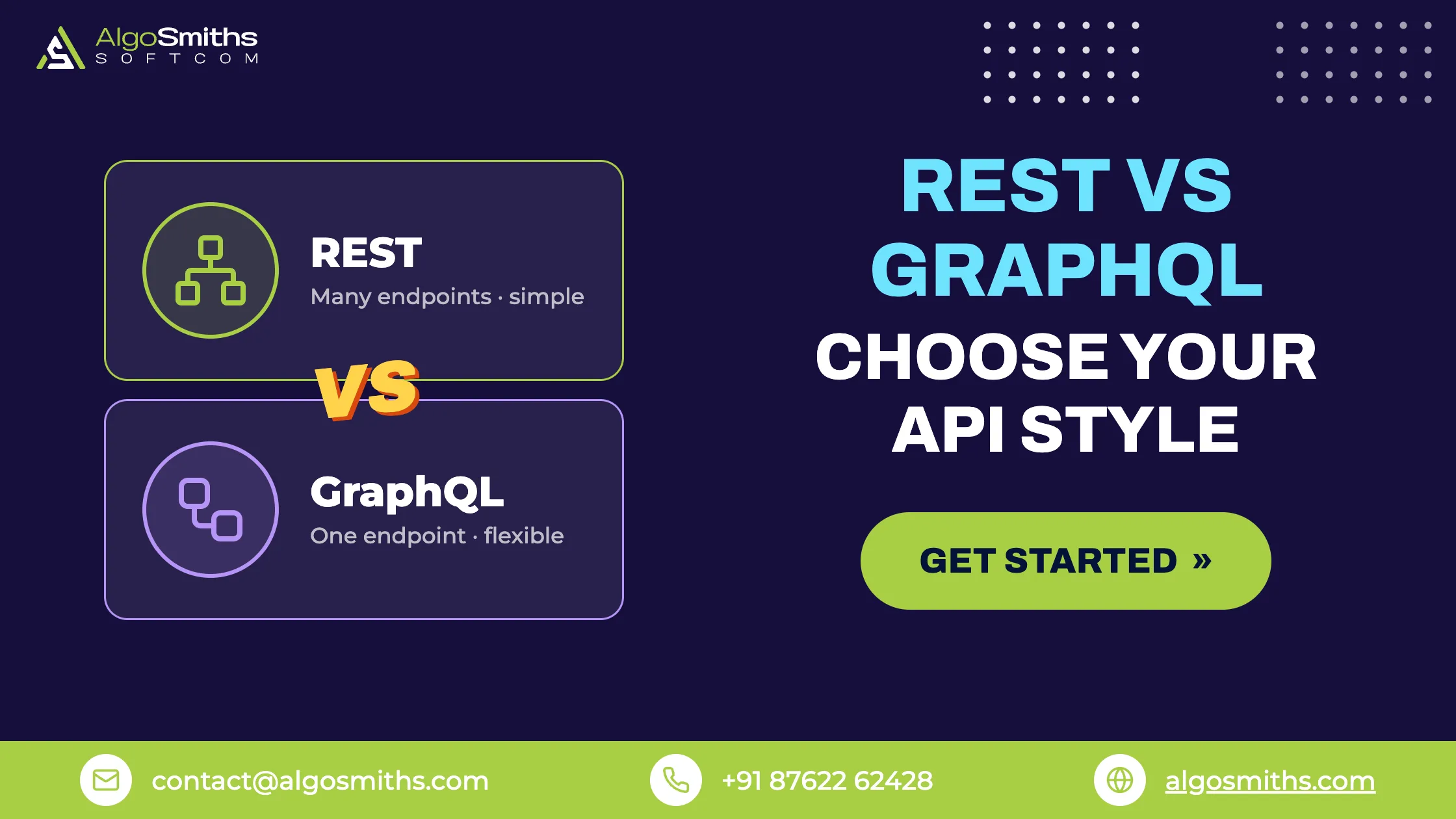
REST vs GraphQL for Startups: Which API Style Should You Choose for Your MVP in 2026?
Choosing between REST and GraphQL is one of the first architecture decisions your MVP forces on you — and the wrong call can slow every feature that follows. This founder-friendly guide breaks down how each API style actually works, where each one shines, the real trade-offs in cost and complexity, and a practical framework for picking the right one (or both) for your startup in 2026.
Samrat
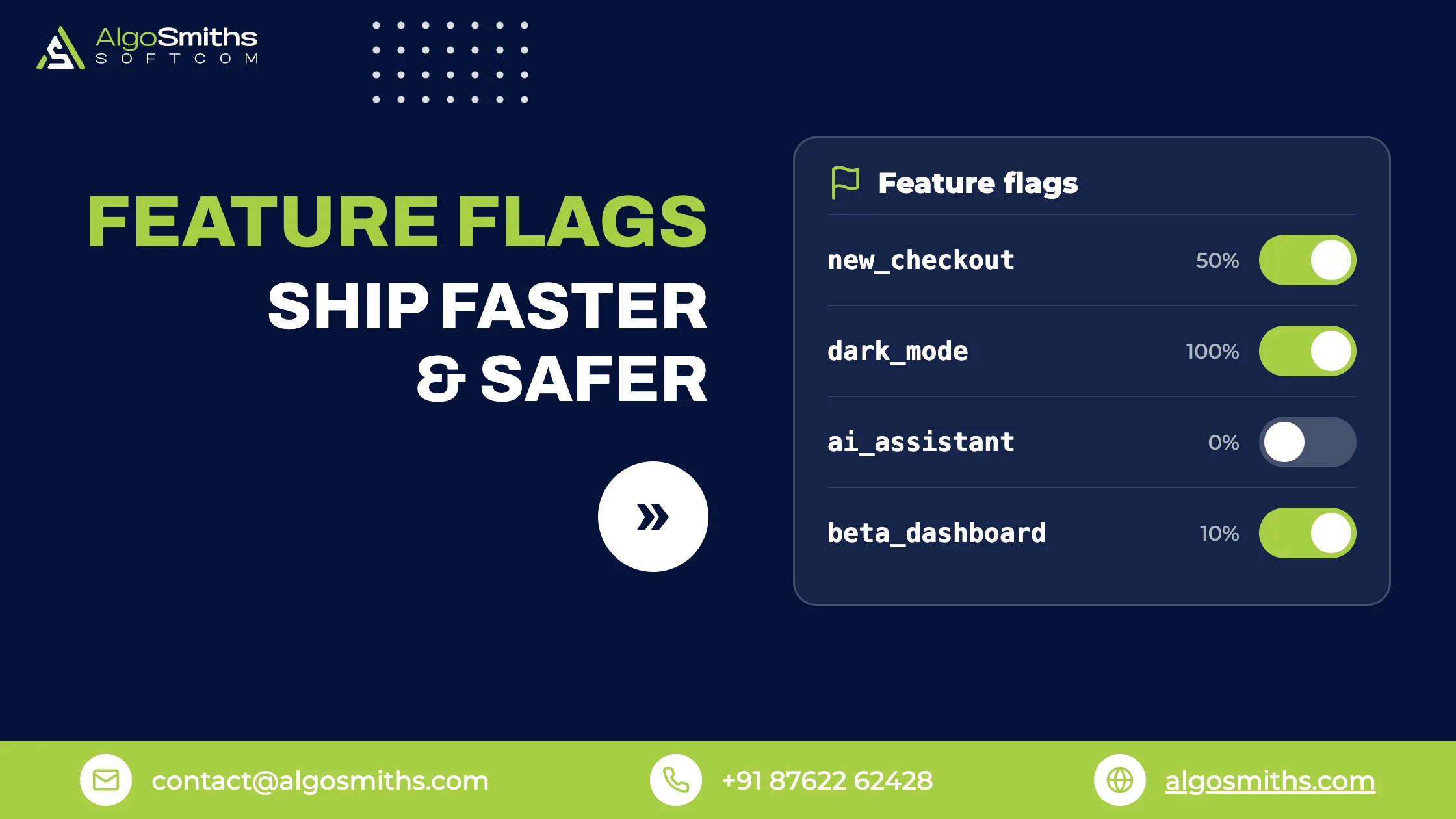
Feature Flags for Startups: A Founder's Guide to Shipping Faster and Safer in 2026
Feature flags let you ship code continuously and turn features on when you're ready — decoupling deploy from release so a bad launch never means an emergency rollback. This founder-friendly guide explains what feature flags are, the main types, and how to roll them out on your MVP without drowning in technical debt. You'll get practical patterns, a build-vs-buy comparison, and a checklist you can apply this week.
Samrat
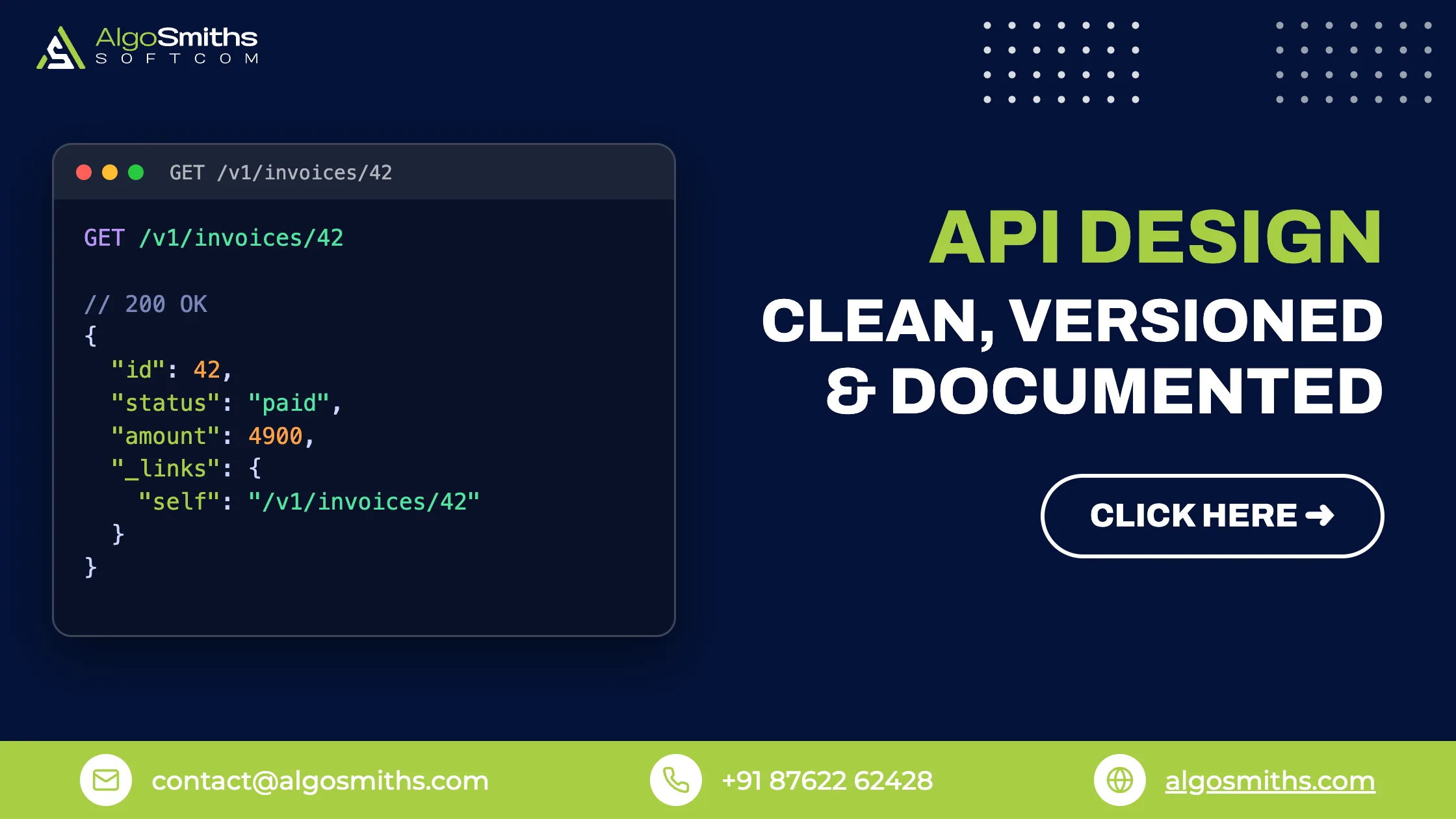
API Design for Startups: A Founder's Guide to Building Clean, Versioned, Well-Documented APIs in 2026
Your API is a promise to every developer, partner, and future version of your own team — and a messy one quietly slows every integration that follows. This founder-friendly guide explains how to design clean, predictable APIs, when and how to version them, and how to handle errors, pagination, and documentation without over-engineering. You'll get practical conventions, a REST-versus-alternatives comparison, and a checklist you can apply this week.
Samrat
Serverless with Django: Is It Worth It for Your Startup?
Serverless is no longer just a buzzword—it’s a growing architectural choice for startups looking to move fast, scale quickly, and reduce DevOps overhead. But how well does Django, a powerful Python framework traditionally used with monolithic deployments, adapt to a serverless environment? More importantly, is serverless with Django the right call for your MVP or startup?