
Category: All
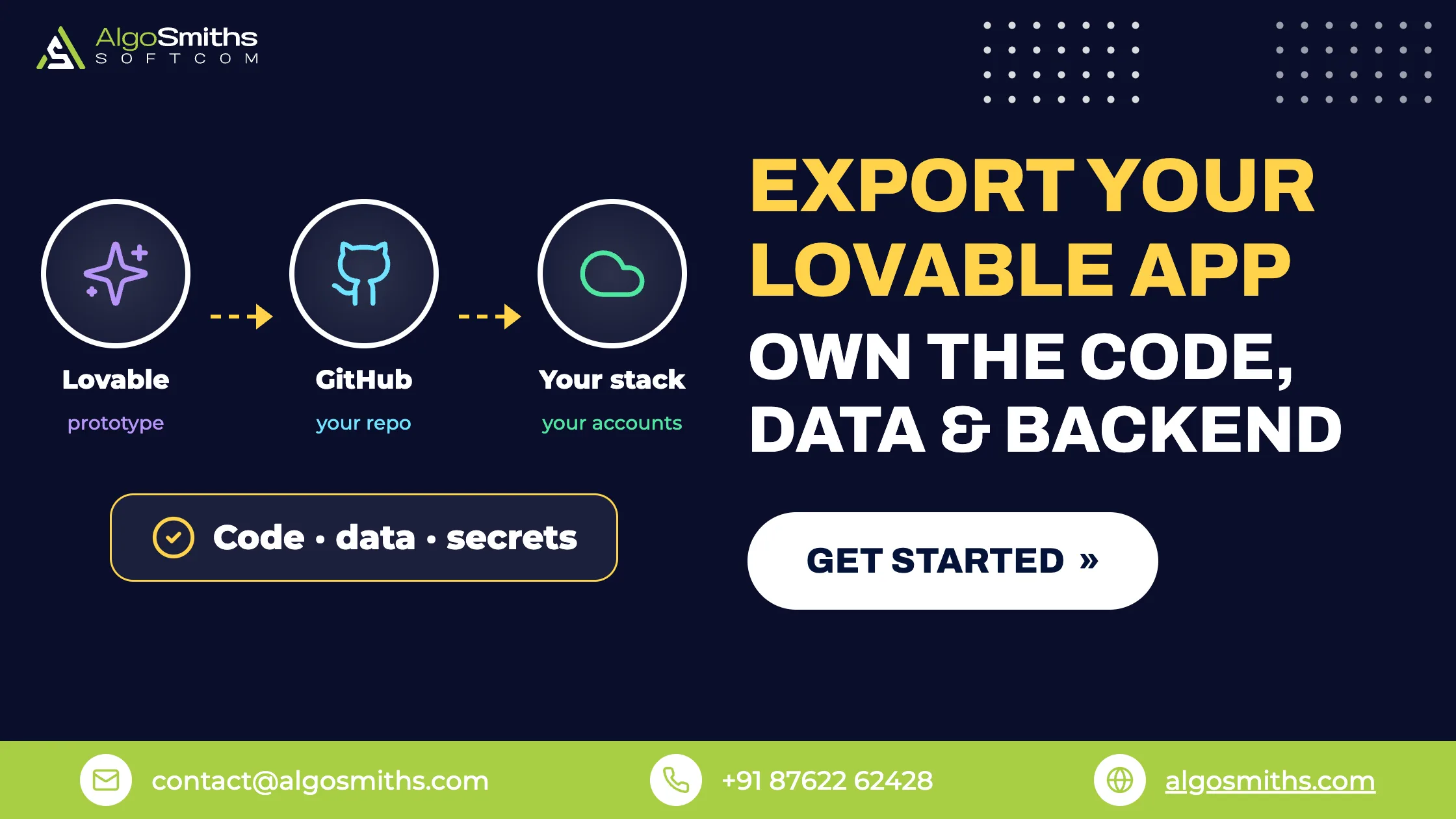
Export Your Lovable App: Own the Code, Data and Backend
Export your Lovable app to GitHub, see what the repo leaves behind, and move the database, secrets and hosting without breaking the live site.
Samrat

Lovable Credits Explained: What It Costs to Ship an App
Lovable credits explained: what a credit is, what plans and top-ups cost, what a single build message uses, and how to keep monthly spend predictable.
Samrat

Lovable Preview vs Production: 9 Fixes for Founders
Your Lovable preview works but production breaks. Diagnose and fix the nine most common causes, from missed republishes to Stripe live-mode keys.
Samrat
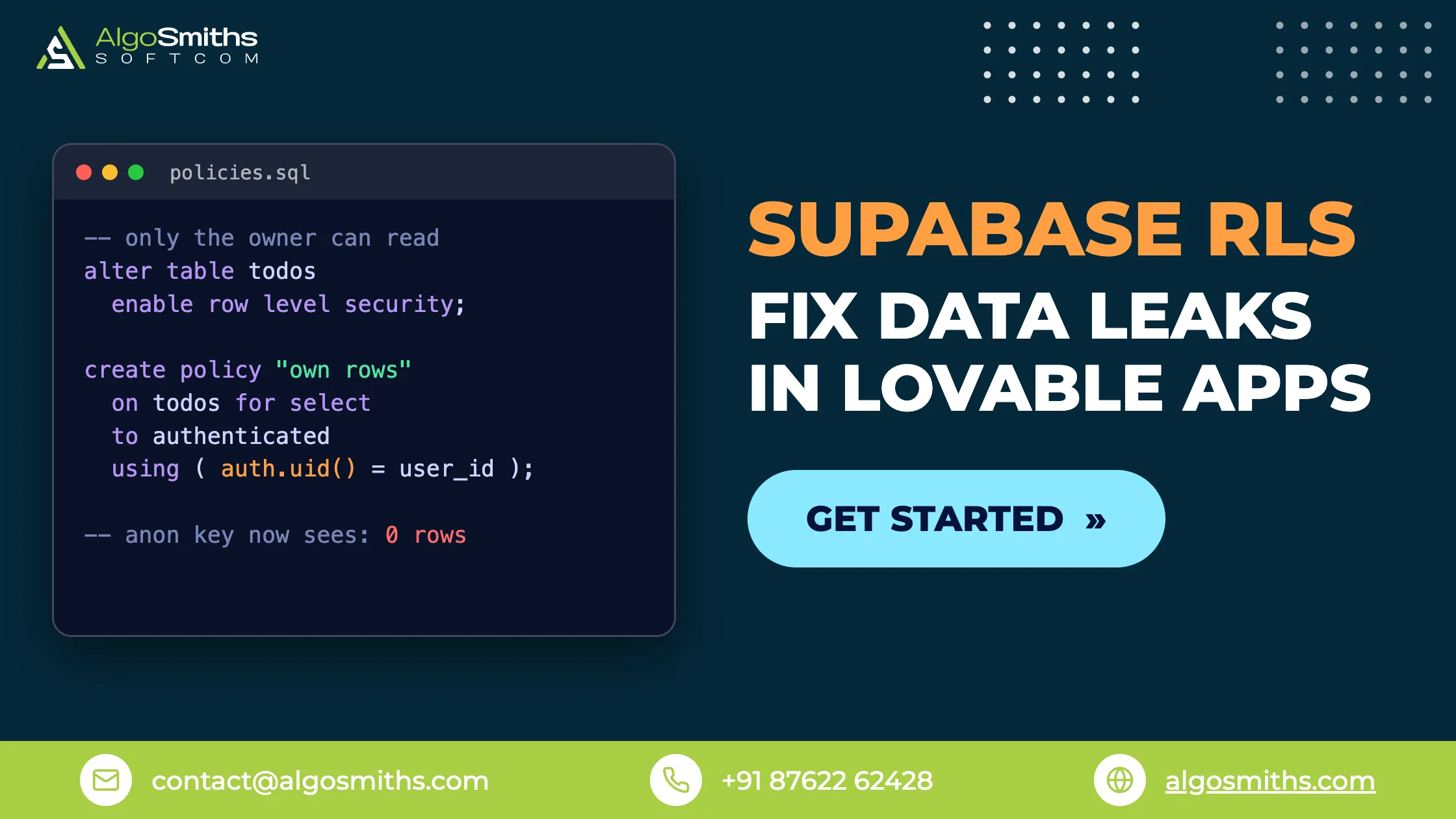
Supabase Row Level Security: Fix Data Leaks in Lovable Apps
Supabase Row Level Security for Lovable apps: how tables end up exposed to the anon key, how to test yours in ten minutes, and policies that fix it.
Samrat
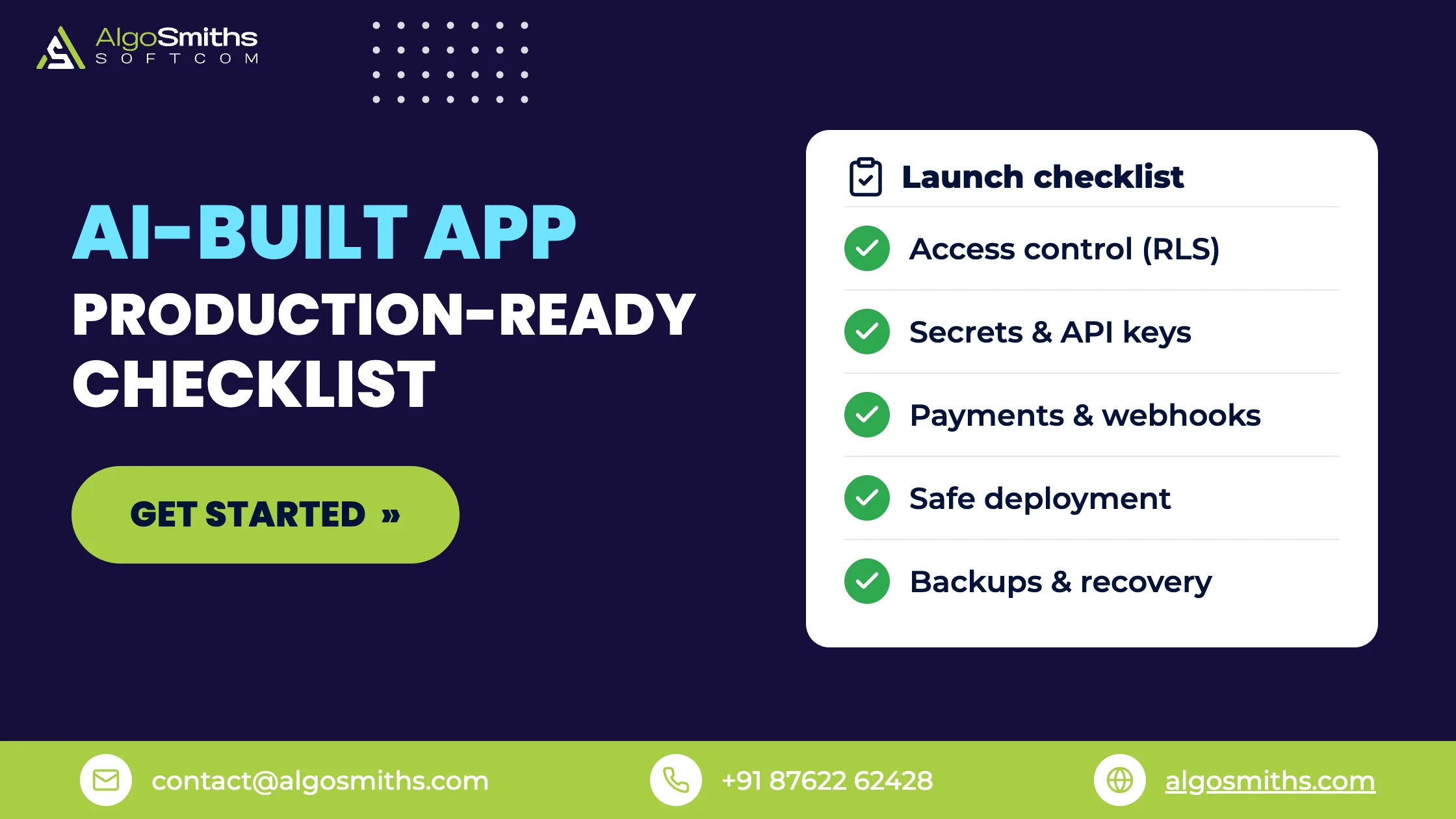
AI-Built App Production Readiness: A Founder's Launch Checklist
AI-built app production readiness explained: what to fix in a Lovable or Bolt app before real users and payments arrive, with a clear launch checklist.
Samrat
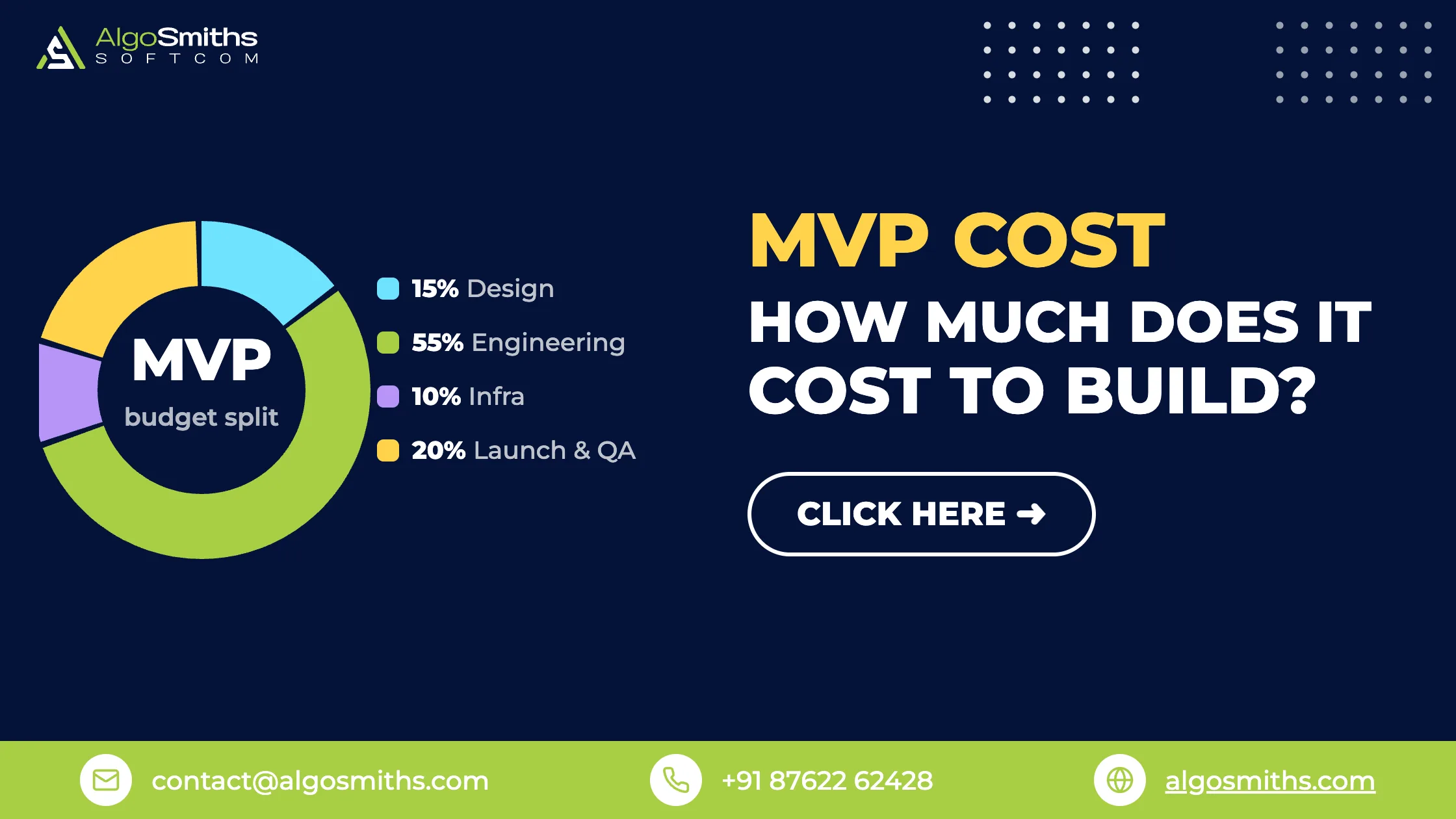
How Much Does It Cost to Build an MVP in 2026? A Founder's Complete Pricing Guide
Wondering what it really costs to build an MVP in 2026? This founder-friendly guide breaks down MVP pricing across freelancers, agencies, and in-house teams, with realistic cost ranges by feature and complexity. Learn where budgets quietly leak, how to scope for a fixed price, and how to ship a market-ready product without burning your runway.
Samrat

Secrets Management for Startups: A Founder's Guide to Handling API Keys, Environment Variables, and Credentials Safely in 2026
Every startup runs on a pile of API keys, database passwords, and tokens — and one leaked secret can drain your cloud budget or expose customer data overnight. This founder-friendly guide explains what secrets management is, why .env files stop being enough as you grow, and how to store, rotate, and audit credentials safely. You'll get practical patterns, tool comparisons, and a step-by-step rollout you can ship without a dedicated security team.
Samrat

Transactional Email for Startups: Reach the Inbox, Not Spam
Transactional email for startups: how to set up SPF, DKIM and DMARC, pick a provider and keep signup and password reset emails out of spam.
Samrat
How to Scale Your MVP into a Production-Ready SaaS Without a Rewrite
Your MVP found traction — now it has to hold up under real users, real data, and real revenue. This founder-friendly guide shows you how to turn a scrappy MVP into a production-ready SaaS the right way: what to harden first, how to tackle technical debt without stalling growth, and how to scale your database, infrastructure, and team without an expensive rewrite.
Samrat
How to Add Payments and Subscription Billing to Your SaaS MVP: A Founder's Guide
Payments are the moment your SaaS stops being a side project and starts being a business — but billing is also where founders lose the most time to avoidable complexity. This founder-friendly guide walks you through choosing a payment provider, modelling subscriptions the right way, handling failed payments and dunning, and building billing that scales without a rewrite. You'll get a provider comparison, an implementation roadmap, and the mistakes that quietly cost startups revenue.
Samrat
Rate Limiting for Startups: A Founder's Guide to Protecting Your API and Controlling Costs in 2026
One abusive script, a runaway integration, or a sudden traffic spike can take your app down or run up a five-figure cloud bill overnight. This founder-friendly guide explains what rate limiting is, the algorithms that power it, where to enforce it, and how to roll it out on your MVP without frustrating real users. You'll get practical examples, a comparison of the main approaches, and a checklist you can apply this week.
Samrat

The Cost-Saving Benefits of Cloud Computing for Businesses
Moving to the cloud for data storage is a popular choice for companies of all shapes and sizes, from brand new startups to established corporations with hundreds of years of experience. With so many advantages to offer, from workloads efficiencies to cost savings, there are plenty of ways to incorporate cloud offers into the world of modern business.
Anagha Masane
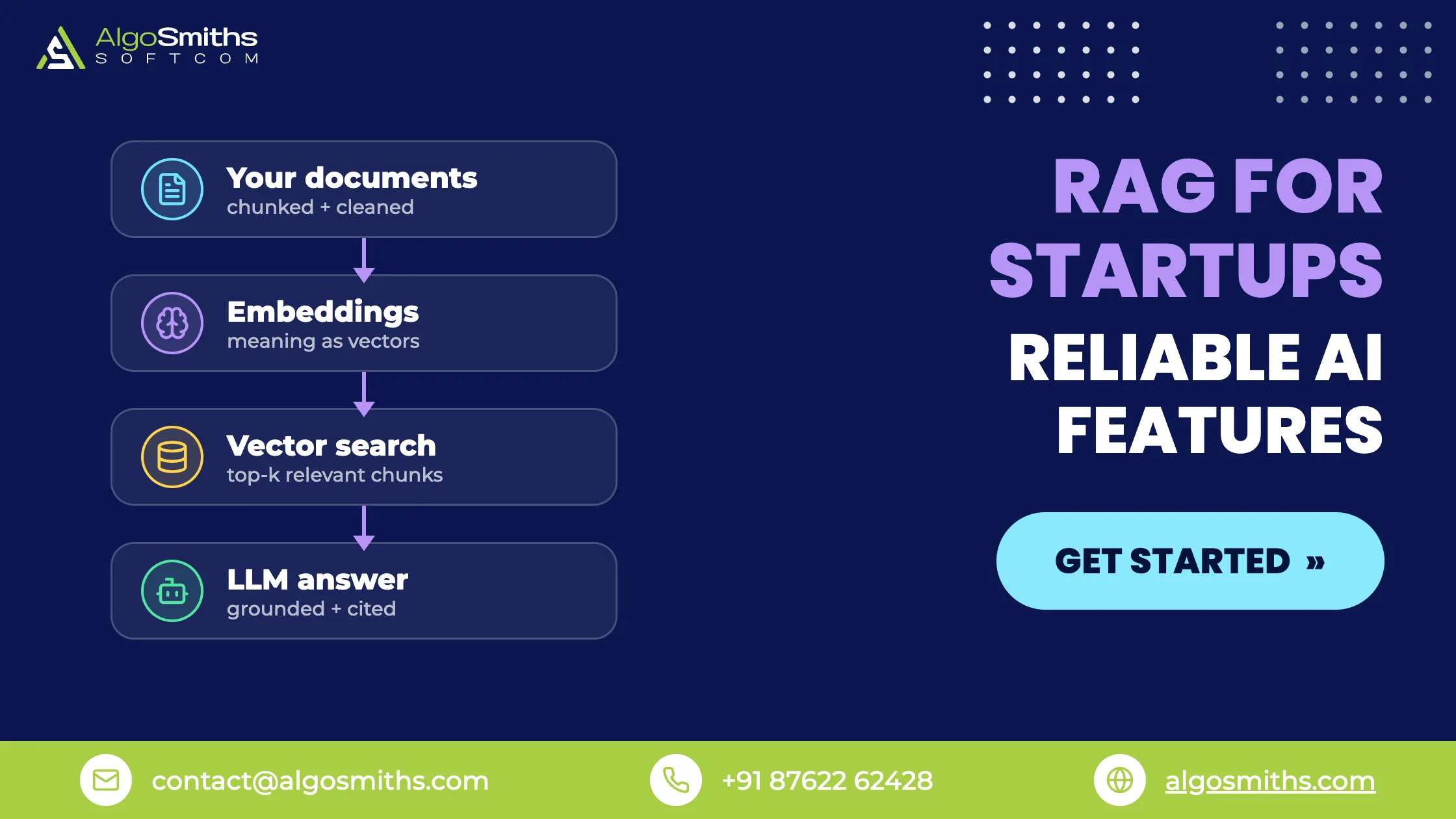
RAG for Startups: A Founder's Guide to Building Reliable AI Features in 2026
Retrieval-Augmented Generation (RAG) has become the standard way to make AI features trustworthy, current, and grounded in your own data instead of a model's frozen training set. This founder-friendly guide breaks down how RAG actually works, when it beats fine-tuning, and what it takes to ship a production-ready pipeline with FastAPI and a vector database. You'll also learn the 2026 architectural patterns worth knowing, from hybrid search to Agentic RAG, plus the mistakes that most often cause AI features to fail once real users show up.
Samrat

Authentication for SaaS Startups: A Founder's Guide to Auth, SSO, and API Security in 2026
Every SaaS product runs on one invisible layer that decides who gets in and what they can touch: authentication and authorization. Get these wrong and you inherit account-takeover risk, tenant data leaks, and a security review that can stall an enterprise deal or a funding round. This founder-friendly guide breaks down sessions, JWTs, OAuth, and SSO in plain terms, shows you how to design role-based access control for a multi-tenant product, and gives you a practical roadmap for hardening auth as you grow from first user to first enterprise contract.
Samrat
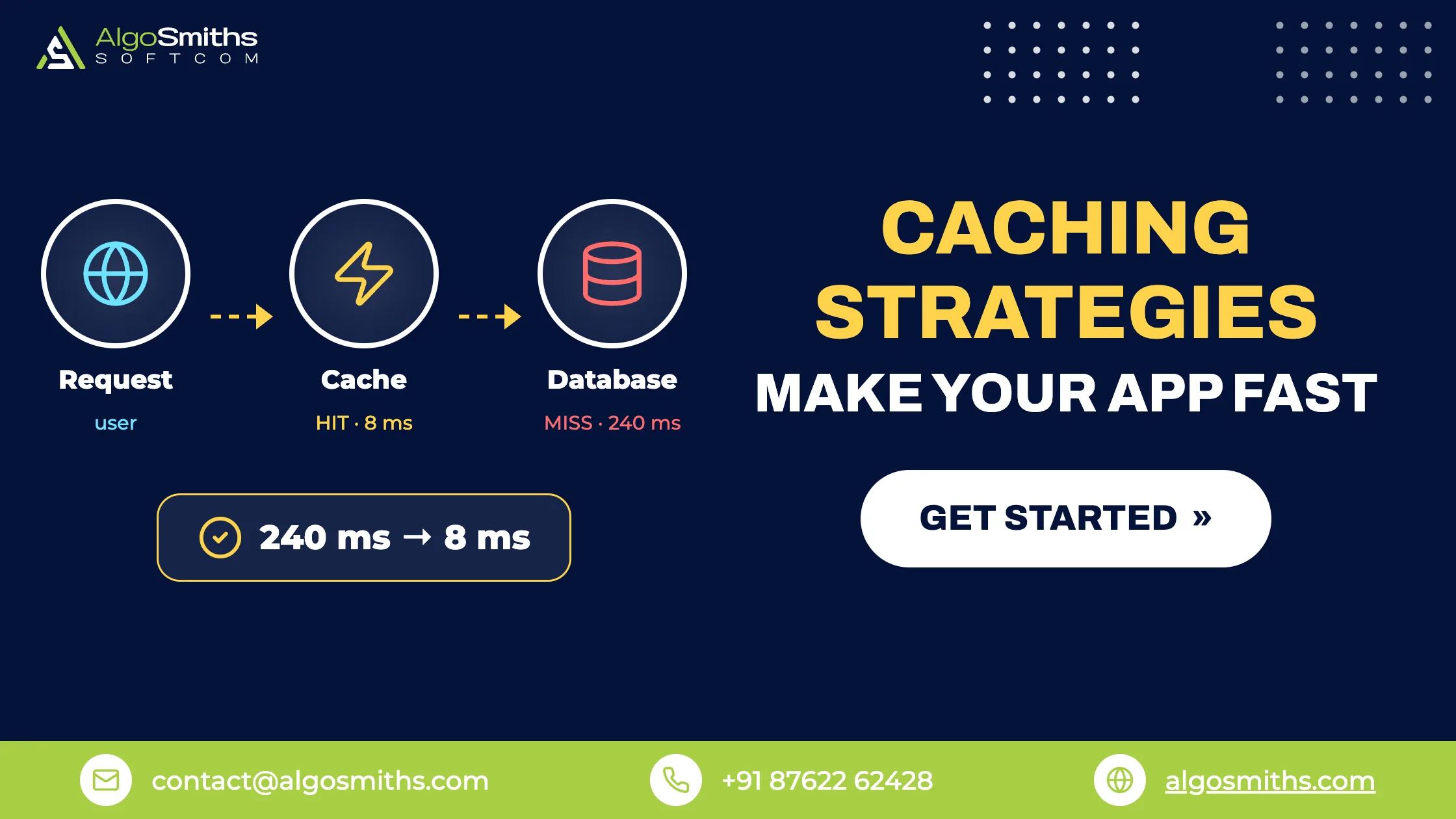
Caching Strategies for Startups: A Founder's Guide to Making Your App Fast Without a Rewrite in 2026
Slow apps lose users and burn money on oversized servers, but most startups reach for a bigger database long before they reach for a cache. This founder-friendly guide explains what caching is, where to add it, and which strategy fits your MVP. You'll get practical patterns for Redis, HTTP, and database caching, plus the mistakes that quietly corrupt your data.
Samrat

Full-Text Search for Startups: A Founder's Guide to Adding Search to Your App (Postgres, Elasticsearch, and Beyond) in 2026
Search is the feature users notice the moment it's missing — yet most startups bolt it on with a slow LIKE query that breaks at scale. This founder-friendly guide explains how full-text search actually works, when PostgreSQL is enough, and when to reach for a dedicated engine like Elasticsearch, Meilisearch, or Typesense. You'll get a practical decision framework, a clear comparison, and the common mistakes that quietly wreck relevance and performance.
Samrat
No Technical Co-Founder? No Problem. Here’s How You Can Still Launch Your Startup
If you’ve ever said, “I have a great idea, but I need a tech co-founder to build it”, — you’re not alone. One of the most common myths in the startup world is that you can’t launch a tech company without a technical co-founder. It’s a belief that keeps thousands of smart, capable founders stuck in the idea phase — waiting, pitching, or getting ghosted by developers who want “more traction” before they commit.
Samrat
Serverless with Django: Is It Worth It for Your Startup?
Serverless is no longer just a buzzword—it’s a growing architectural choice for startups looking to move fast, scale quickly, and reduce DevOps overhead. But how well does Django, a powerful Python framework traditionally used with monolithic deployments, adapt to a serverless environment? More importantly, is serverless with Django the right call for your MVP or startup?
Samrat

Scaling a Business? Here's How Smart Tools Keep You Focused on Growth
Scaling a small business isn’t just about dreaming big—it’s about making smart, strategic moves that set you up for long-term success. If you're looking to grow in 2025, you need a plan that balances ambition with financial readiness, operational efficiency, and market demand. In this guide, we break down the key steps to assessing your growth potential, navigating different business stages, and implementing strategies that lead to sustainable expansion.
Anagha Masane

Beyond Excel: Why Accounting Software Is a Must for Growing Businesses
Why is accounting software useful? More and more organizations are switching to an accounting solution to handle their financials; hence, there must be a good amount of beneficial reasons why. If you’re considering of implementing this system to your business, one of the primary aspects to look into is determining the ways it can help with your accounting and bookkeeping tasks. Here’s the summary of why accounting software is useful for business of any size. 1.It automates redundant tasks 2.It helps with taxes 3.It provides digital invoices 4.It oversees cash flow 5.It takes care of the math for you 6.It cuts costs 7.It enables wide accessibility