
Category: All
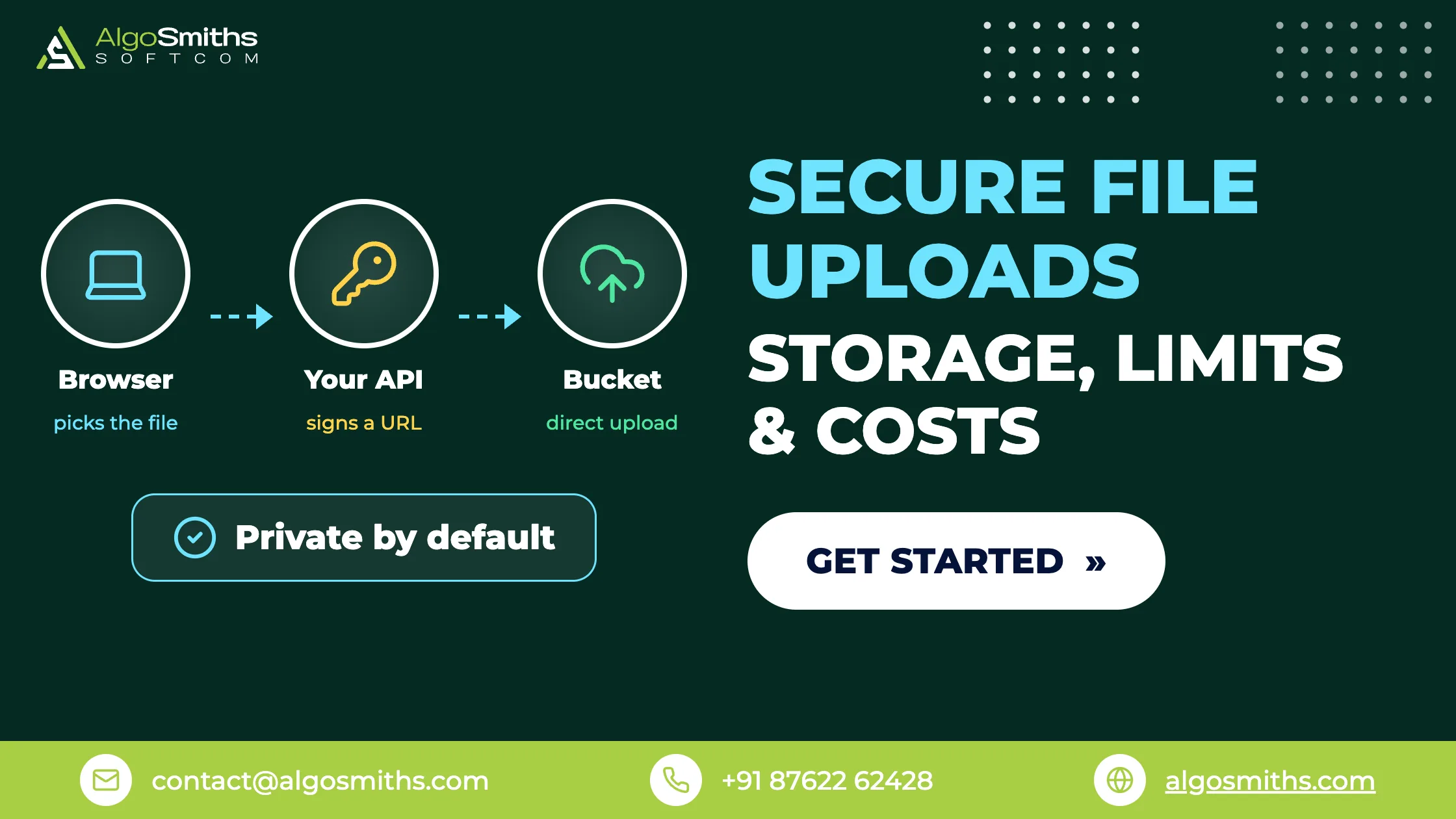
Secure File Uploads for SaaS: Storage, Limits and Costs
Secure file uploads for SaaS: where to store files, how to sign uploads, what limits to set, and how to keep storage costs predictable.
Samrat
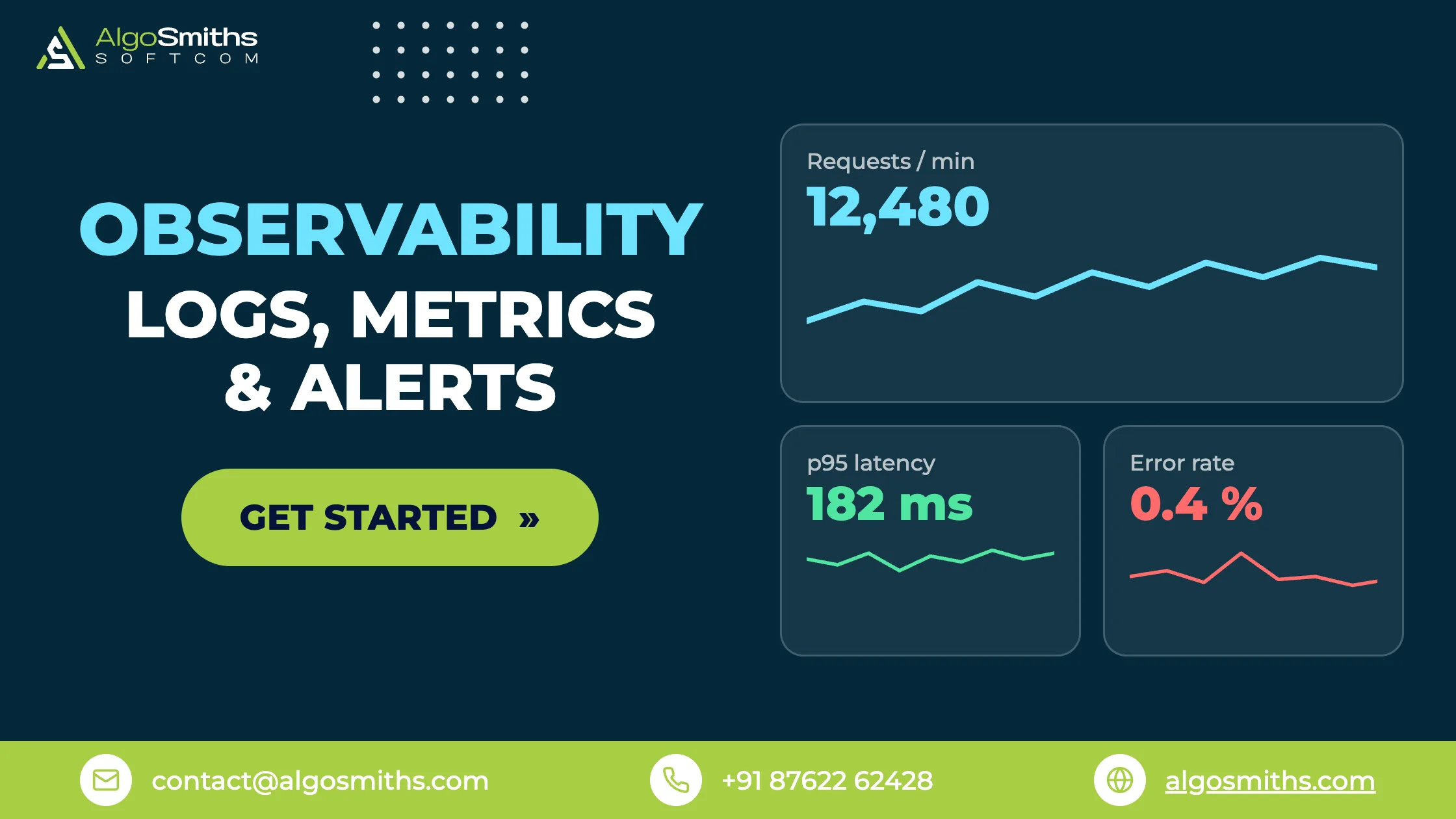
Observability for Startups: A Founder's Guide to Logging, Metrics, and Alerting in 2026
When your app breaks in production, observability is what tells you before your customers do. This founder-friendly guide explains logging, metrics, and alerting in plain language, shows you how to build a lean monitoring stack without a dedicated ops team, and gives you a practical checklist you can act on this week.
Samrat

The Cost-Saving Benefits of Cloud Computing for Businesses
Moving to the cloud for data storage is a popular choice for companies of all shapes and sizes, from brand new startups to established corporations with hundreds of years of experience. With so many advantages to offer, from workloads efficiencies to cost savings, there are plenty of ways to incorporate cloud offers into the world of modern business.
Anagha Masane

HR in the Digital Age: How Modern HR Software Enhances Employee Experience
The landscape of human resources (HR) has transformed significantly over the past decade. Once seen primarily as a back-office function responsible for hiring, payroll, and compliance, HR has evolved into a strategic partner in driving organizational success. This shift has been catalyzed by technological advancements, changing workforce dynamics, and a growing recognition of the importance of employee engagement and well-being. As organizations strive to stay competitive in an increasingly digital world, HR professionals are now expected to wear multiple hats, from data analyst to culture ambassador.
Anagha Masane

Secrets Management for Startups: A Founder's Guide to Handling API Keys, Environment Variables, and Credentials Safely in 2026
Every startup runs on a pile of API keys, database passwords, and tokens — and one leaked secret can drain your cloud budget or expose customer data overnight. This founder-friendly guide explains what secrets management is, why .env files stop being enough as you grow, and how to store, rotate, and audit credentials safely. You'll get practical patterns, tool comparisons, and a step-by-step rollout you can ship without a dedicated security team.
Samrat
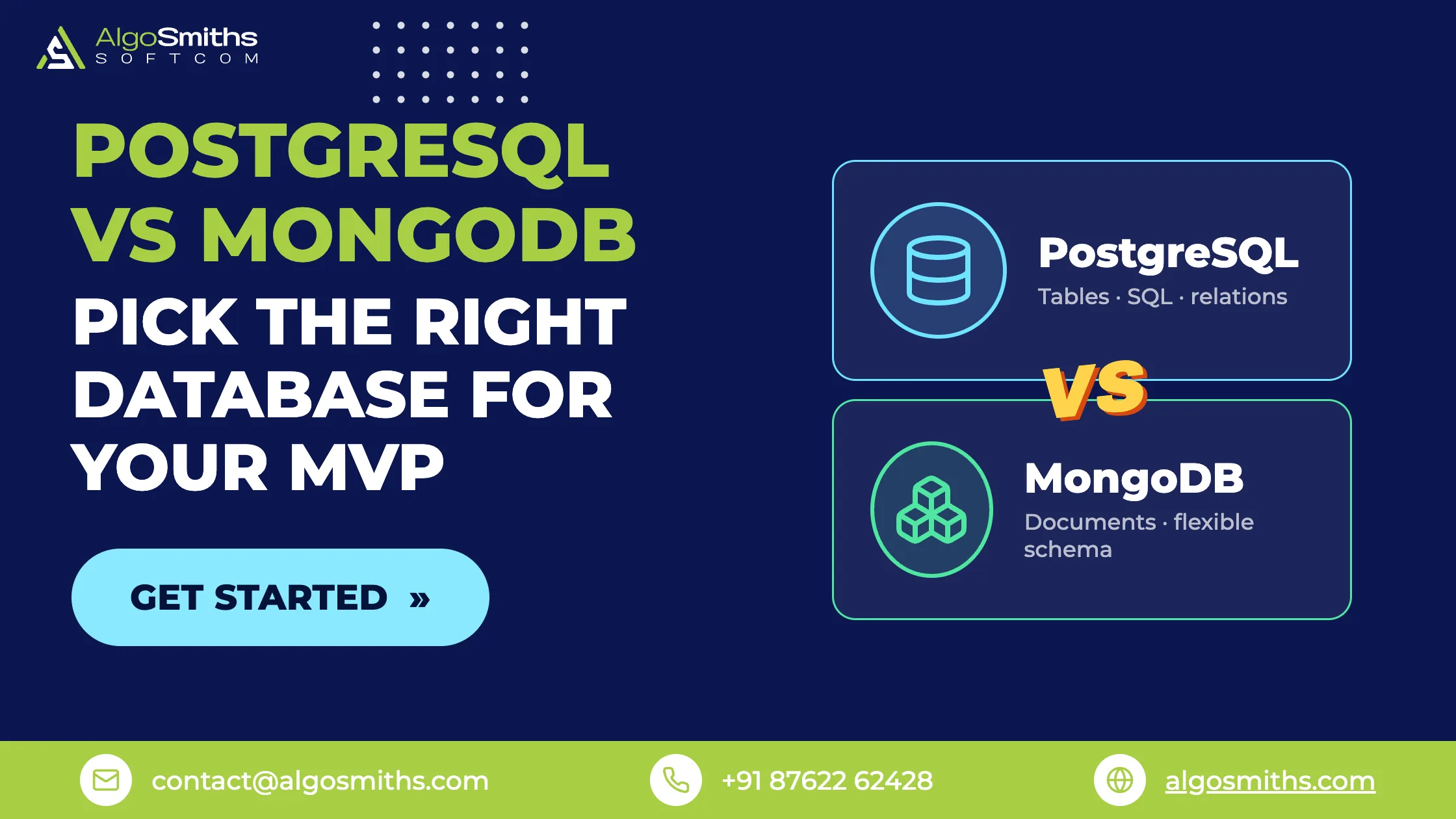
PostgreSQL vs MongoDB for Startups: Which Database Should You Choose for Your MVP in 2026?
Choosing between PostgreSQL and MongoDB is one of the first architecture decisions that shapes how fast you can ship and how painful your first scaling headache will be. This founder-friendly guide breaks down how relational and document databases actually work, compares them head-to-head on the factors that matter to an early-stage team, and gives you a practical framework for picking the right one for your MVP in 2026. You'll also learn why Postgres's JSONB support and the pgvector extension are quietly closing the gap that once made NoSQL the default pick for fast-moving startups.
Samrat
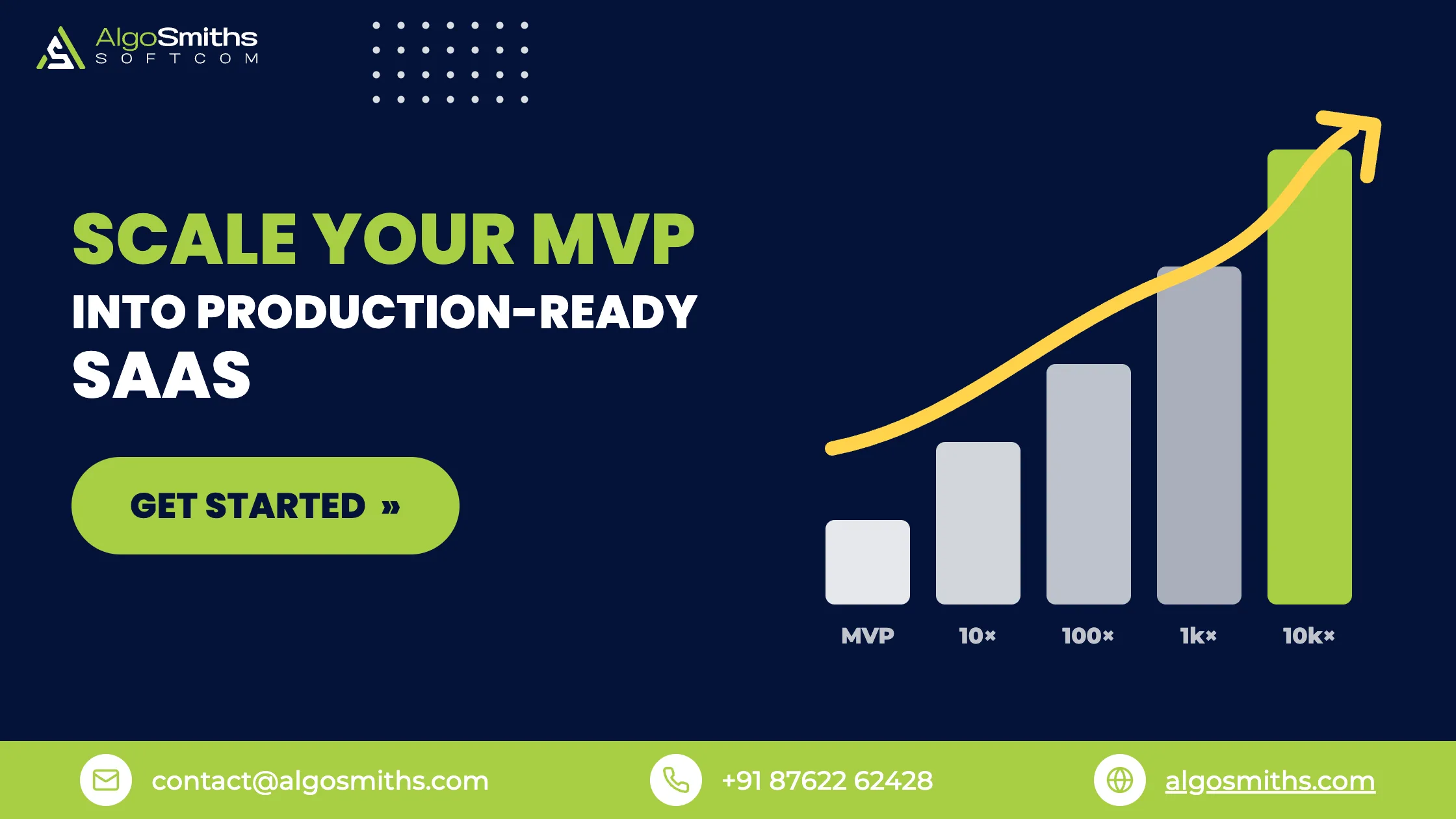
How to Scale Your MVP into a Production-Ready SaaS Without a Rewrite
Your MVP found traction — now it has to hold up under real users, real data, and real revenue. This founder-friendly guide shows you how to turn a scrappy MVP into a production-ready SaaS the right way: what to harden first, how to tackle technical debt without stalling growth, and how to scale your database, infrastructure, and team without an expensive rewrite.
Samrat
Background Jobs and Task Queues for Startups: A Founder's Guide to Doing Work Outside the Request
Some work is too slow to run while a user waits — sending emails, processing payments, generating exports, or calling an AI model. This founder-friendly guide explains background jobs and task queues in plain terms: what they are, when your product needs them, and how to add them to a Django or FastAPI backend without over-engineering. You'll get a Celery vs. alternatives comparison, a practical implementation roadmap, and the reliability mistakes that quietly cost startups data and trust.
Samrat
Lovable Preview vs Production: 9 Fixes for Founders
Your Lovable preview works but production breaks. Diagnose and fix the nine most common causes, from missed republishes to Stripe live-mode keys.
Samrat

Transactional Email for Startups: Reach the Inbox, Not Spam
Transactional email for startups: how to set up SPF, DKIM and DMARC, pick a provider and keep signup and password reset emails out of spam.
Samrat
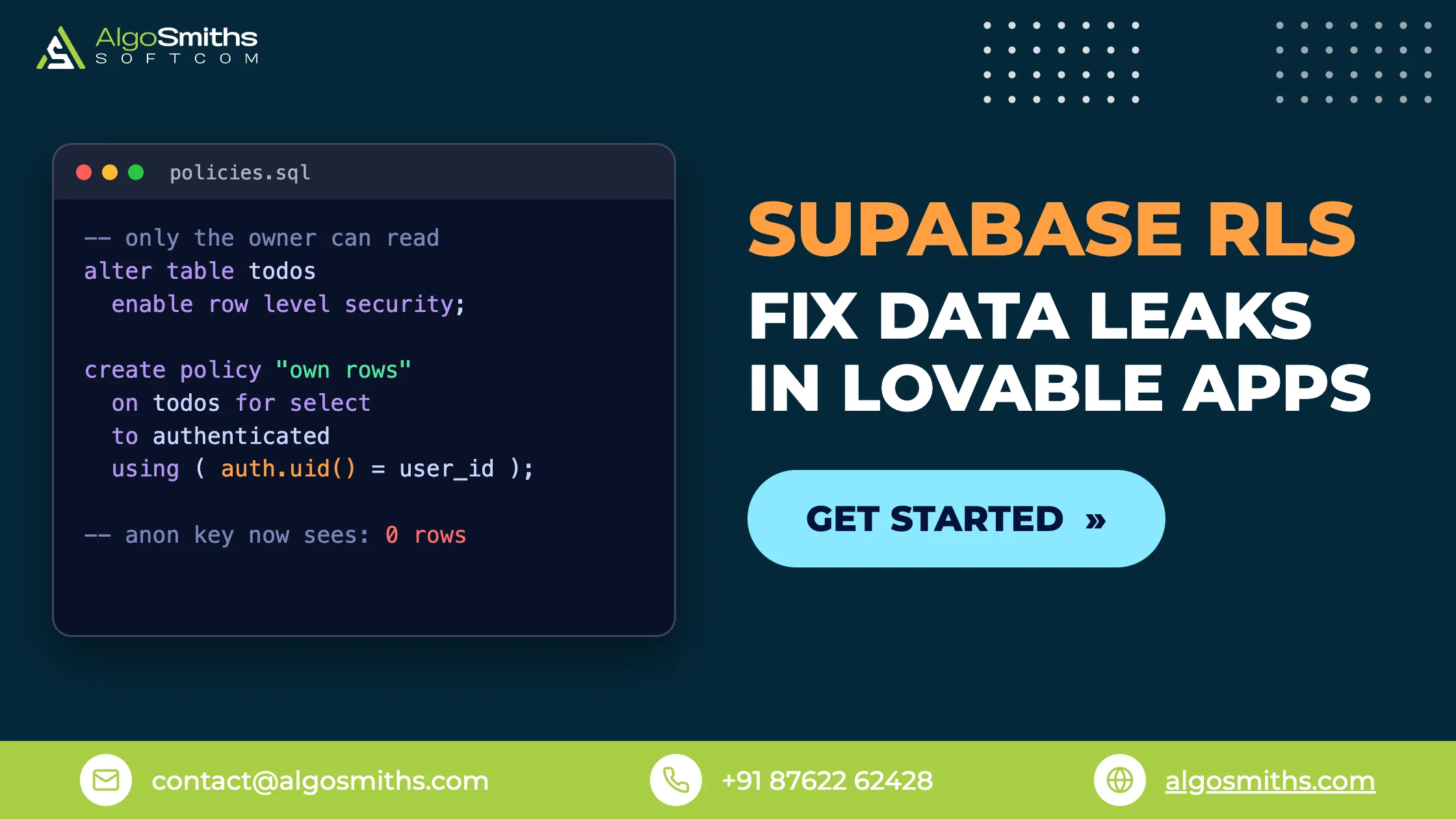
Supabase Row Level Security: Fix Data Leaks in Lovable Apps
Supabase Row Level Security for Lovable apps: how tables end up exposed to the anon key, how to test yours in ten minutes, and policies that fix it.
Samrat
Django vs Node.js: Why Django Is Still the Smarter Choice for Backend Development in 2025
Choosing the right backend framework can make or break your product — especially if you’re a startup founder with limited time and resources.
Samrat

General Data Protection Regulation (GDPR): Meaning and Rules
The GDPR(General Data Protection Regulation) is a comprehensive set of regulations formulated by the EU to protect the privacy and personal data of its citizens. It was implemented on May 25, 2018, and applies to any organization that processes the personal data of EU residents, regardless of its location.
Anagha Masane
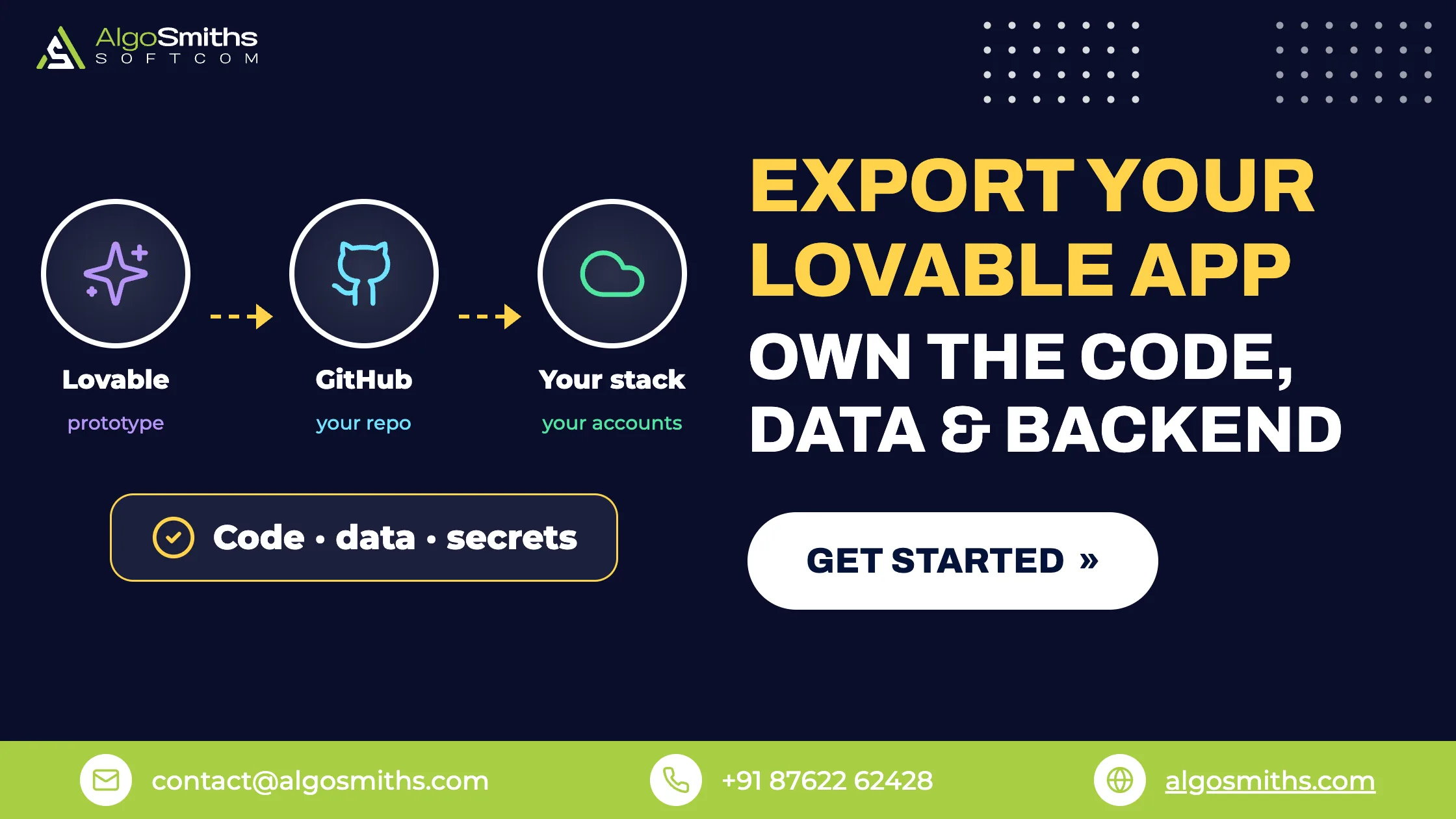
Export Your Lovable App: Own the Code, Data and Backend
Export your Lovable app to GitHub, see what the repo leaves behind, and move the database, secrets and hosting without breaking the live site.
Samrat
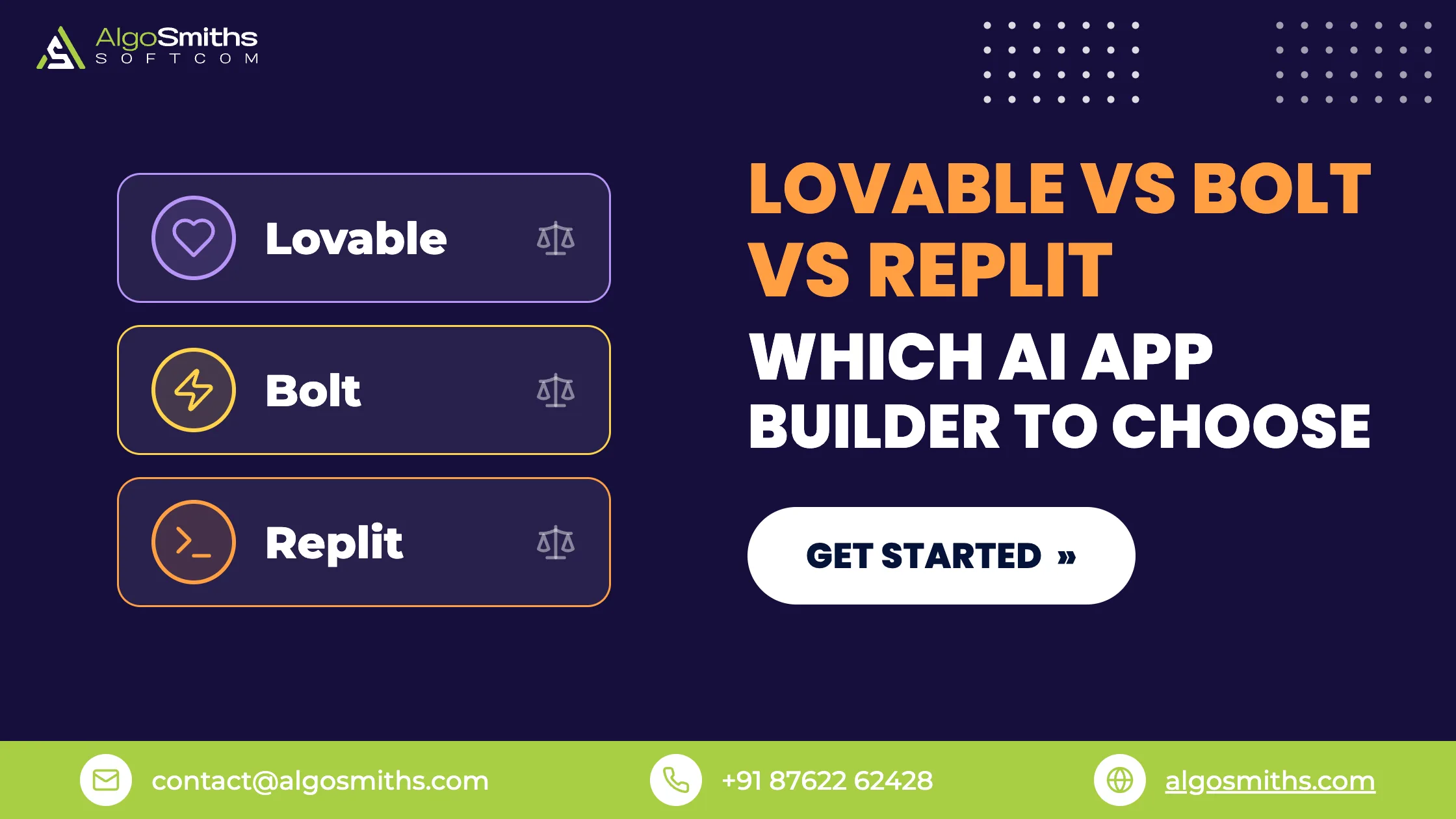
Lovable vs Bolt vs Replit: Which AI App Builder to Choose
Lovable vs Bolt vs Replit compared on price, backend, code export and mobile, so you can pick the right AI app builder for your product.
Samrat

The Role of Technology in Scaling Your Business
In the corporate world, expanding and competing in the market involves effective strategies. Technology is the major driver of this process since it enables any size of business to enhance productivity, streamline processes, and tap into new markets. In this article, we examine how technology can be the determinant of scaling your business and making it competitive.
Anagha Masane

Lovable Credits Explained: What It Costs to Ship an App
Lovable credits explained: what a credit is, what plans and top-ups cost, what a single build message uses, and how to keep monthly spend predictable.
Samrat

Lovable to Custom Code: When to Switch and How to Plan It
When to keep building in Lovable and when to move to custom code, with the signals that justify a migration and a four-step plan that avoids a rewrite.
Samrat
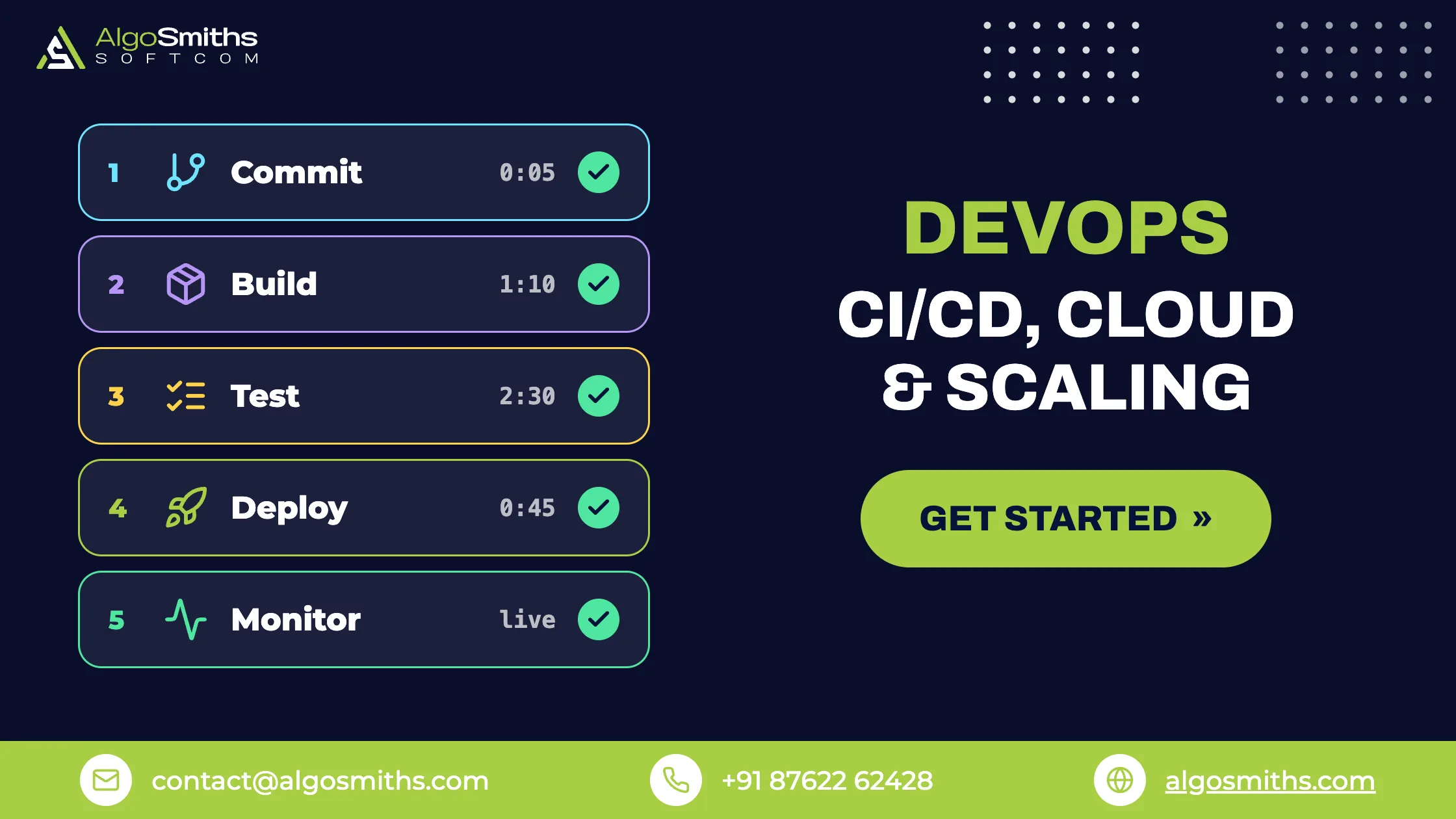
DevOps for Startups: A Practical Guide to CI/CD, Cloud Infrastructure, and Scaling Without a Dedicated Team
Most startups don't need a full DevOps team on day one — they need the right habits. This guide shows founders how to build a lean CI/CD pipeline, choose between serverless and containers, and keep cloud costs under control without hiring a dedicated DevOps engineer. Expect practical steps, a tool comparison, and a founder-friendly checklist you can act on this week.
Samrat
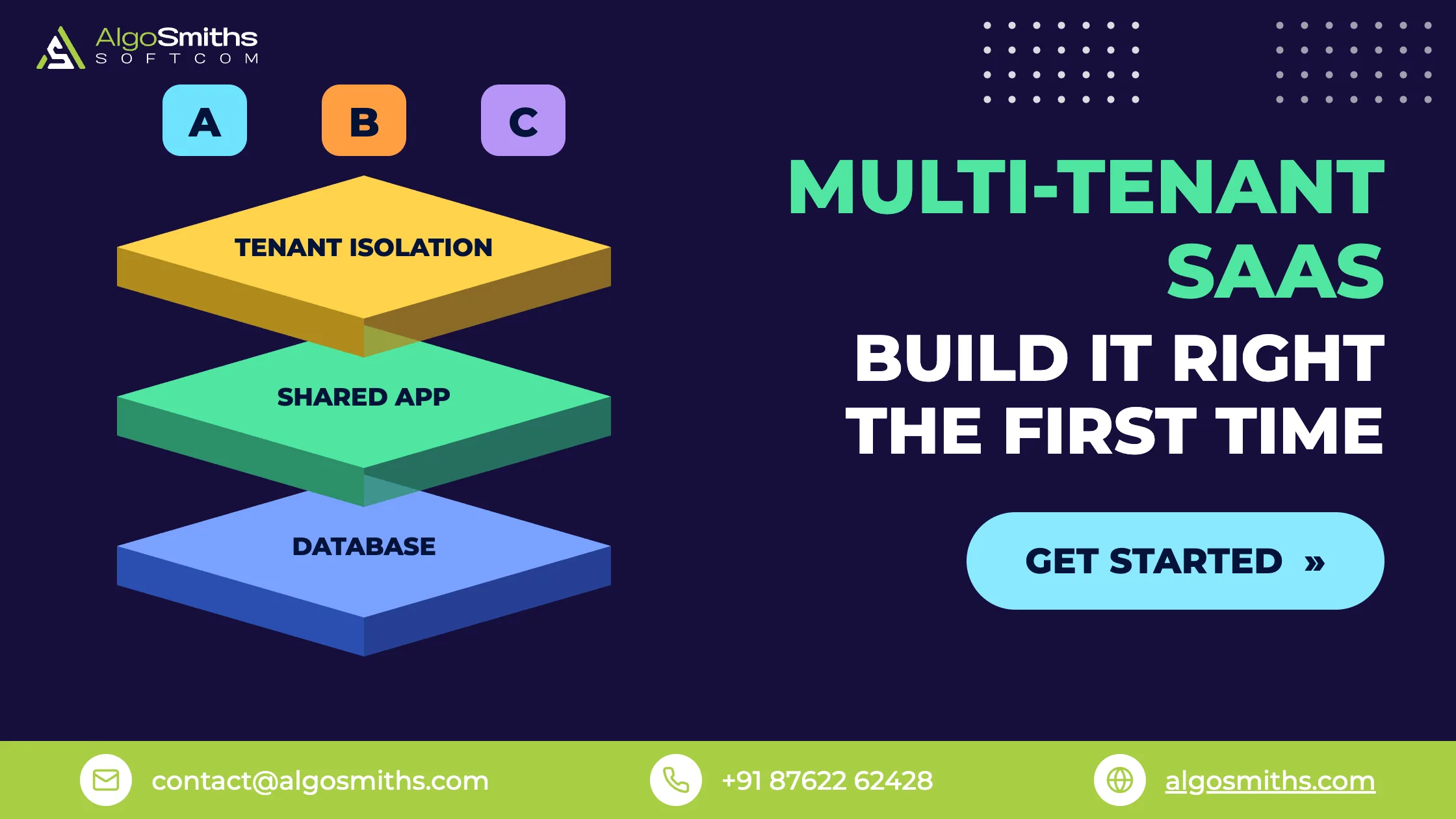
Multi-Tenant SaaS Architecture: A Founder's Guide to Building It Right the First Time
Building a multi-tenant SaaS product means locking in foundational architecture decisions before you write your first line of code. This guide breaks down the three core multi-tenancy models, shows you how to choose between shared and isolated databases, and highlights the security and scaling mistakes that force a costly rewrite later. Whether you're scoping your first B2B MVP or preparing to onboard your first enterprise customer, this is the practical framework to get your architecture right the first time.