
Category: All
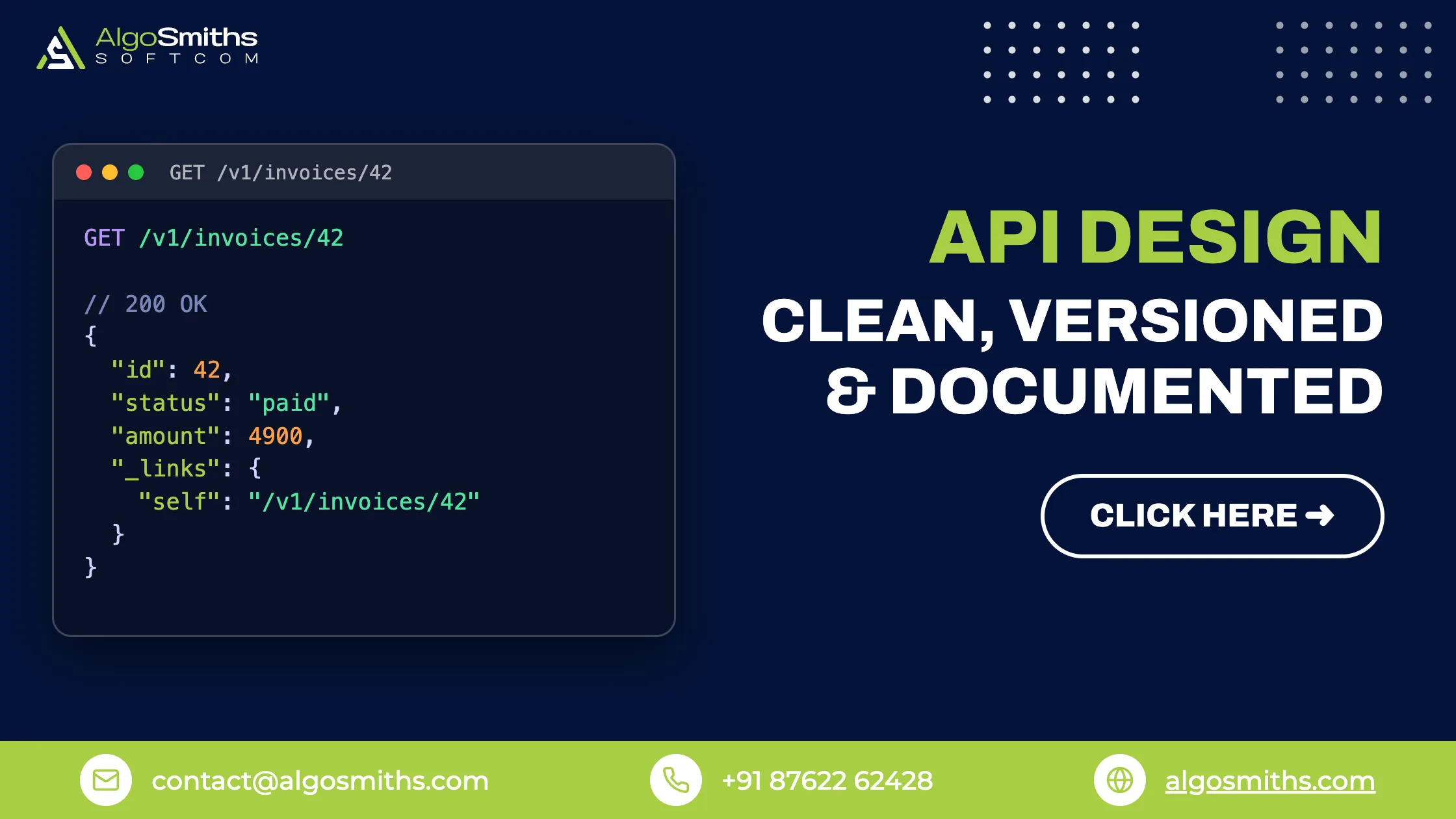
API Design for Startups: A Founder's Guide to Building Clean, Versioned, Well-Documented APIs in 2026
Your API is a promise to every developer, partner, and future version of your own team — and a messy one quietly slows every integration that follows. This founder-friendly guide explains how to design clean, predictable APIs, when and how to version them, and how to handle errors, pagination, and documentation without over-engineering. You'll get practical conventions, a REST-versus-alternatives comparison, and a checklist you can apply this week.
Samrat
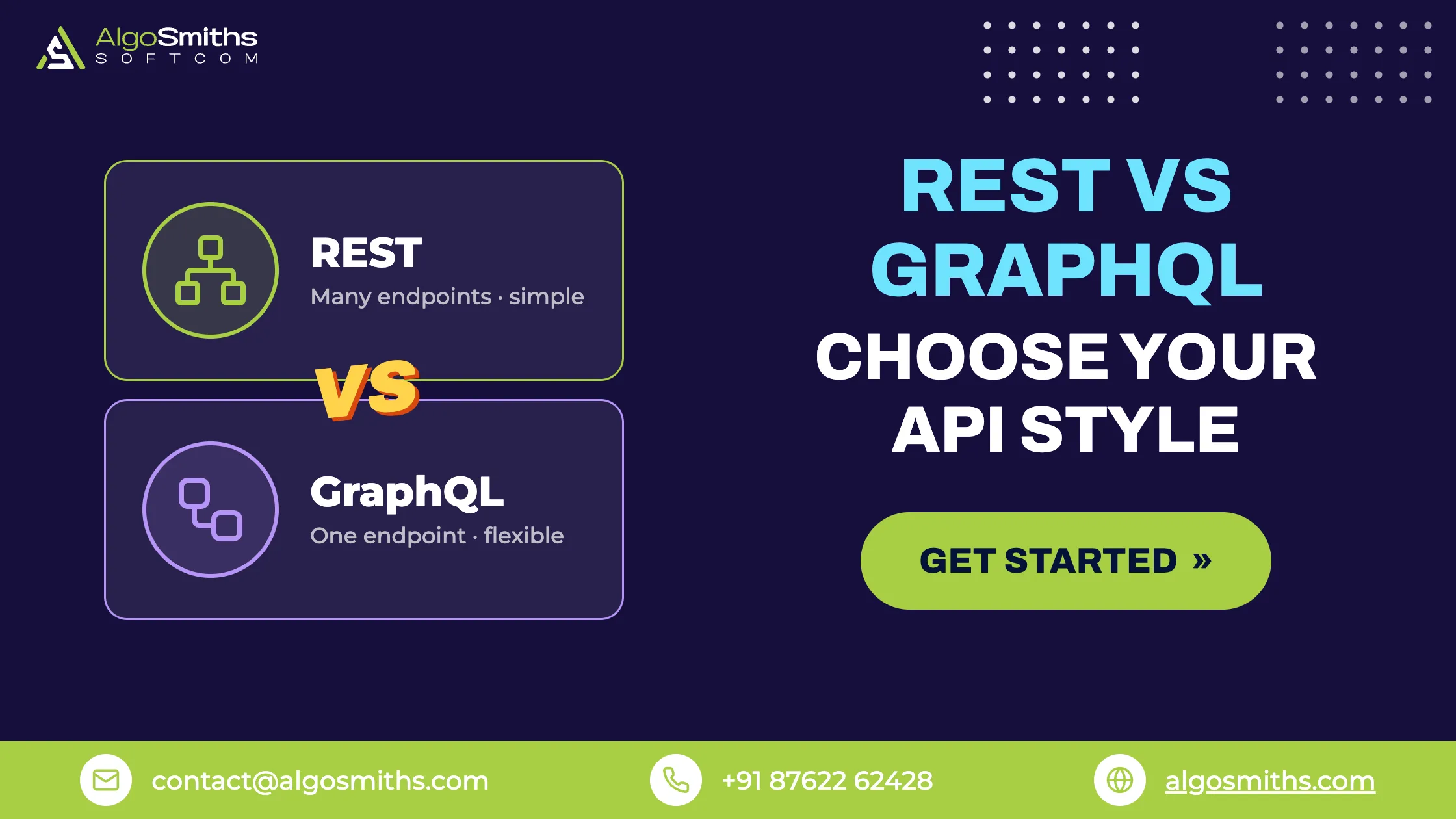
REST vs GraphQL for Startups: Which API Style Should You Choose for Your MVP in 2026?
Choosing between REST and GraphQL is one of the first architecture decisions your MVP forces on you — and the wrong call can slow every feature that follows. This founder-friendly guide breaks down how each API style actually works, where each one shines, the real trade-offs in cost and complexity, and a practical framework for picking the right one (or both) for your startup in 2026.
Samrat

LLM API Costs: What Your AI Feature Costs Per User
LLM API costs explained: how token pricing works, what an AI feature costs per user per month, and the levers that cut the bill before you ship.
Samrat
Django REST Framework vs FastAPI: Which Python API Framework is Right for You?
If you're building a new product or MVP and debating between Django REST Framework and FastAPI, you're not alone. The Django vs FastAPI debate is one of the most common among startups and engineering teams deciding on the ideal backend for their API development.
Samrat
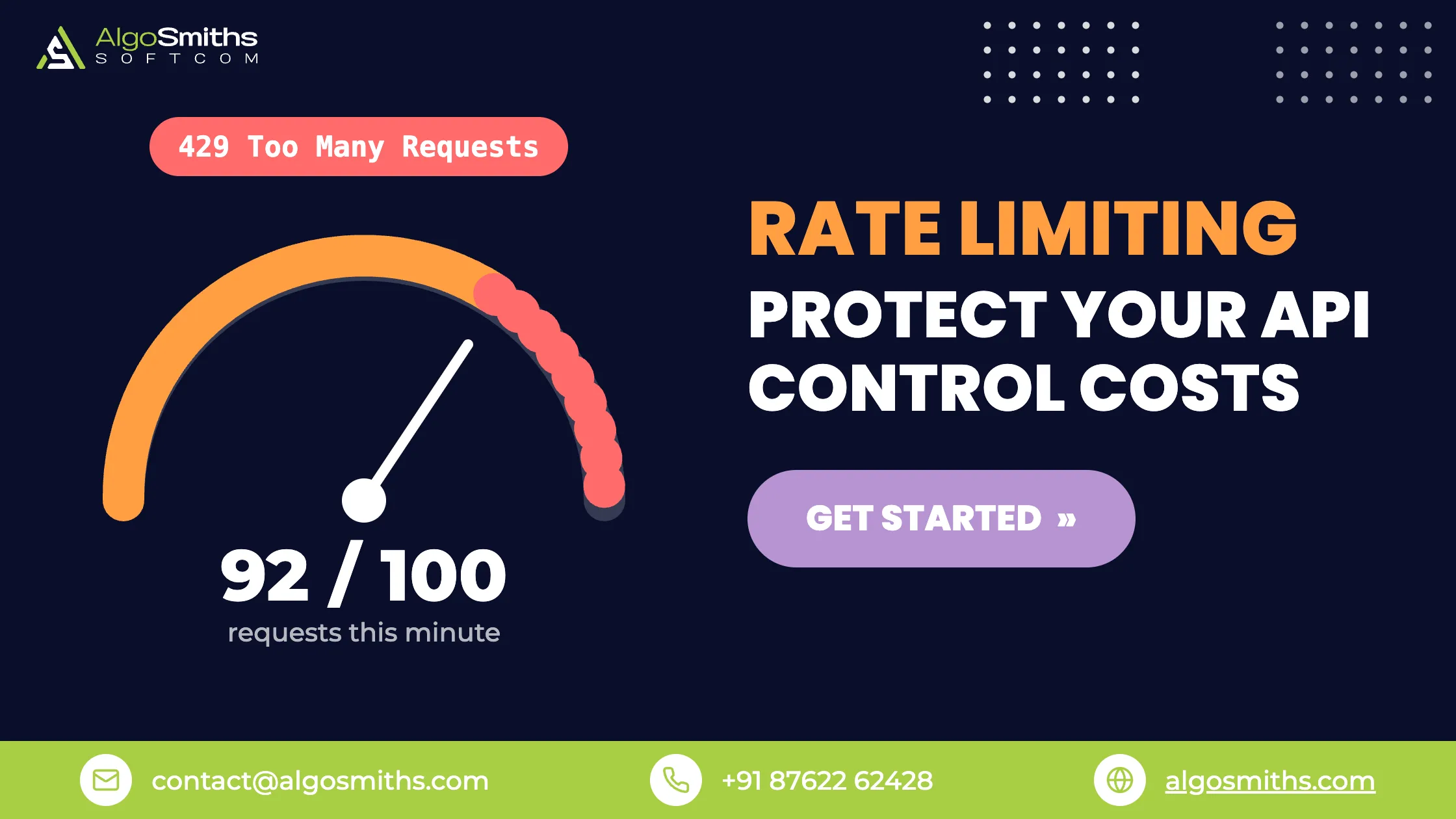
Rate Limiting for Startups: A Founder's Guide to Protecting Your API and Controlling Costs in 2026
One abusive script, a runaway integration, or a sudden traffic spike can take your app down or run up a five-figure cloud bill overnight. This founder-friendly guide explains what rate limiting is, the algorithms that power it, where to enforce it, and how to roll it out on your MVP without frustrating real users. You'll get practical examples, a comparison of the main approaches, and a checklist you can apply this week.
Samrat

Authentication for SaaS Startups: A Founder's Guide to Auth, SSO, and API Security in 2026
Every SaaS product runs on one invisible layer that decides who gets in and what they can touch: authentication and authorization. Get these wrong and you inherit account-takeover risk, tenant data leaks, and a security review that can stall an enterprise deal or a funding round. This founder-friendly guide breaks down sessions, JWTs, OAuth, and SSO in plain terms, shows you how to design role-based access control for a multi-tenant product, and gives you a practical roadmap for hardening auth as you grow from first user to first enterprise contract.
Samrat

Secrets Management for Startups: A Founder's Guide to Handling API Keys, Environment Variables, and Credentials Safely in 2026
Every startup runs on a pile of API keys, database passwords, and tokens — and one leaked secret can drain your cloud budget or expose customer data overnight. This founder-friendly guide explains what secrets management is, why .env files stop being enough as you grow, and how to store, rotate, and audit credentials safely. You'll get practical patterns, tool comparisons, and a step-by-step rollout you can ship without a dedicated security team.
Samrat
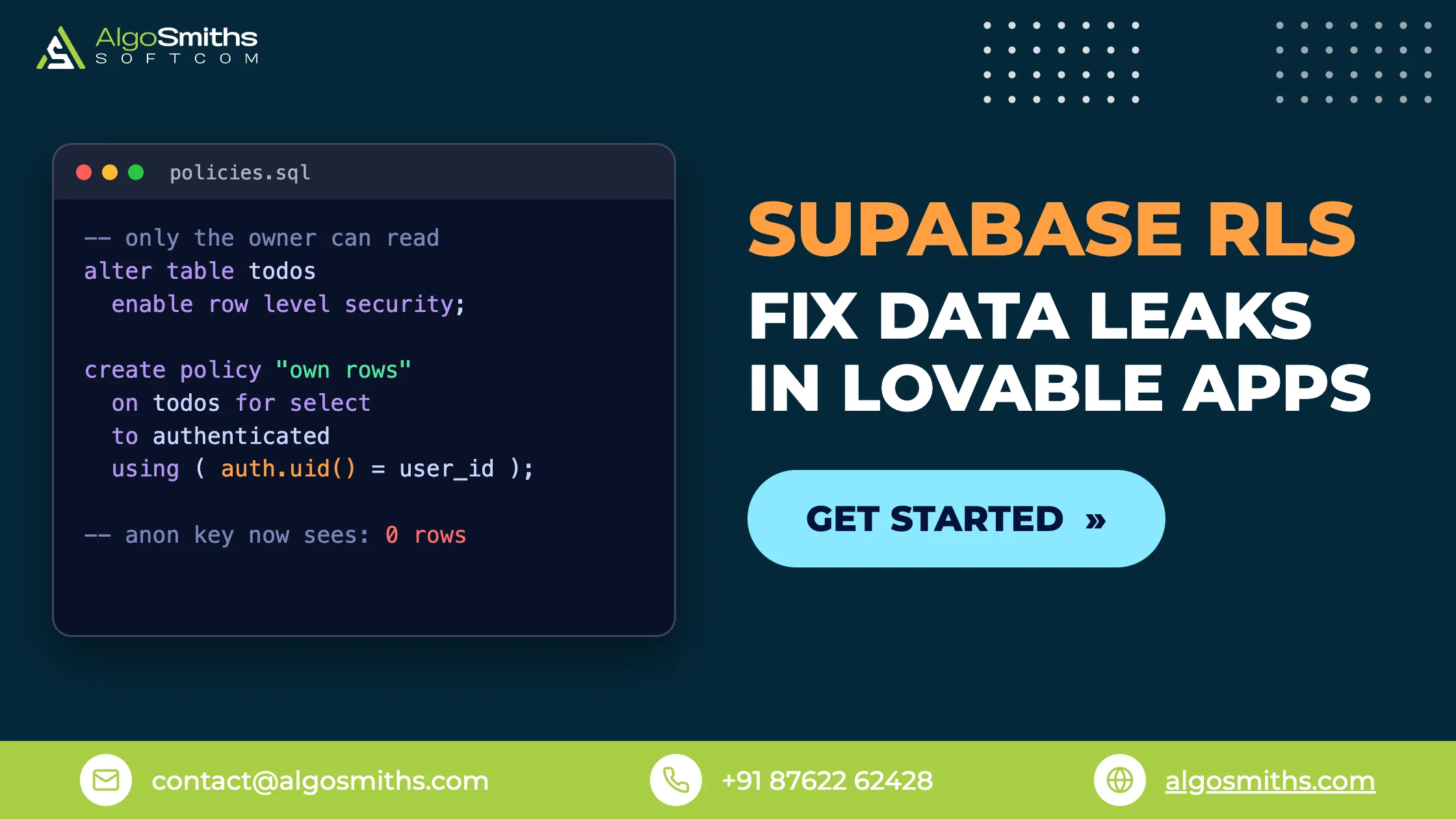
Supabase Row Level Security: Fix Data Leaks in Lovable Apps
Supabase Row Level Security for Lovable apps: how tables end up exposed to the anon key, how to test yours in ten minutes, and policies that fix it.
Samrat
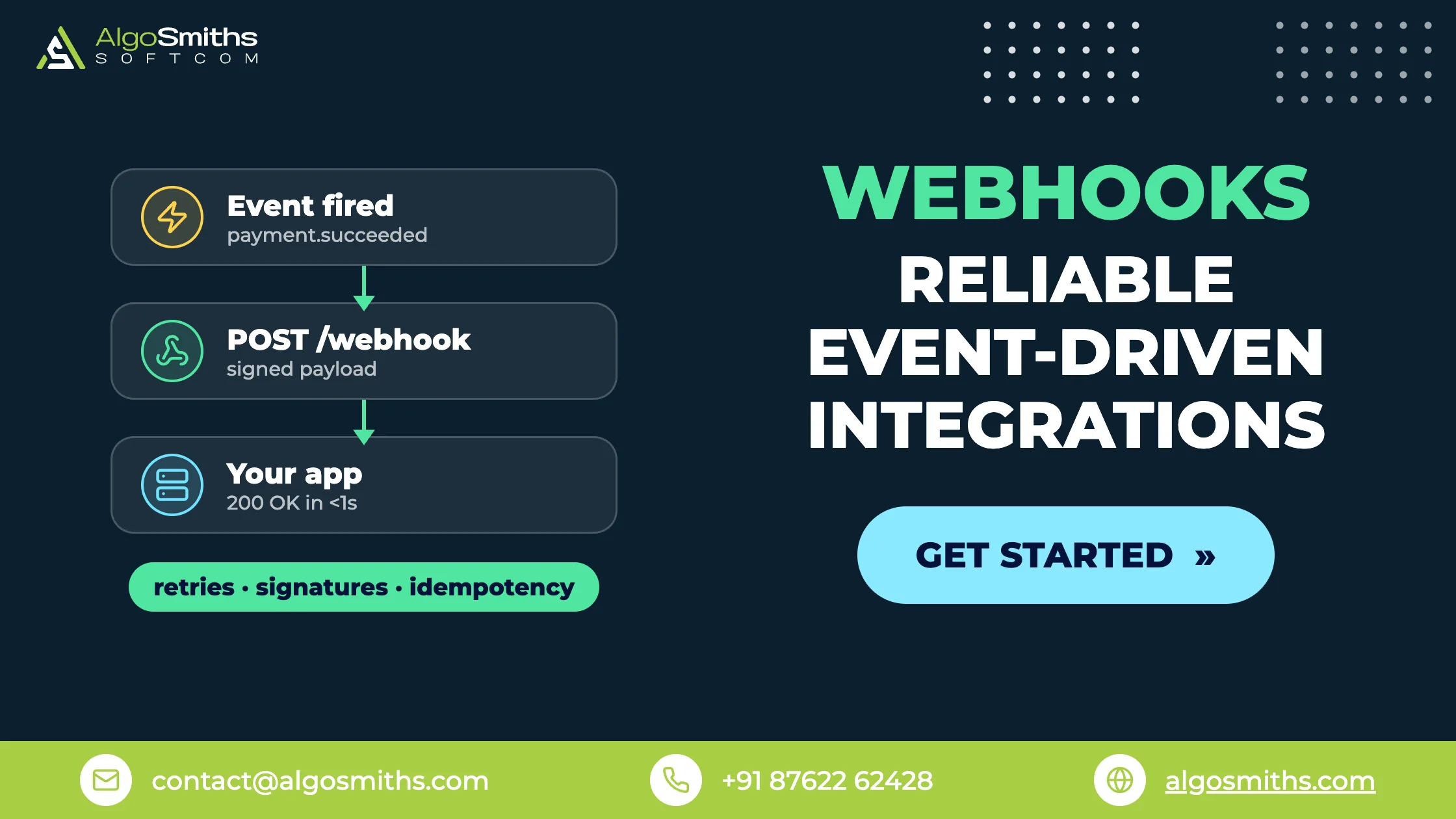
Webhooks for Startups: A Founder's Guide to Building Reliable Event-Driven Integrations in 2026
Webhooks are how modern software talks to itself — the quiet layer that fires when a payment succeeds, a user signs up, or a subscription lapses. This founder-friendly guide explains what webhooks are, how they differ from polling and APIs, and how to send and receive them reliably without losing events or leaking data. You'll get practical patterns for signatures, retries, and idempotency, a build-vs-buy comparison, and a checklist you can apply this week.
Samrat
Serverless with Django: Is It Worth It for Your Startup?
Serverless is no longer just a buzzword—it’s a growing architectural choice for startups looking to move fast, scale quickly, and reduce DevOps overhead. But how well does Django, a powerful Python framework traditionally used with monolithic deployments, adapt to a serverless environment? More importantly, is serverless with Django the right call for your MVP or startup?
Samrat

When Not to Use Django (And What to Use Instead)
Django is widely recognized for its “batteries-included” philosophy, enabling rapid web application development with features like authentication, ORM, admin interface, and more out of the box. It’s a fantastic choice for monolithic web apps, content-heavy platforms, and admin dashboards.
Samrat
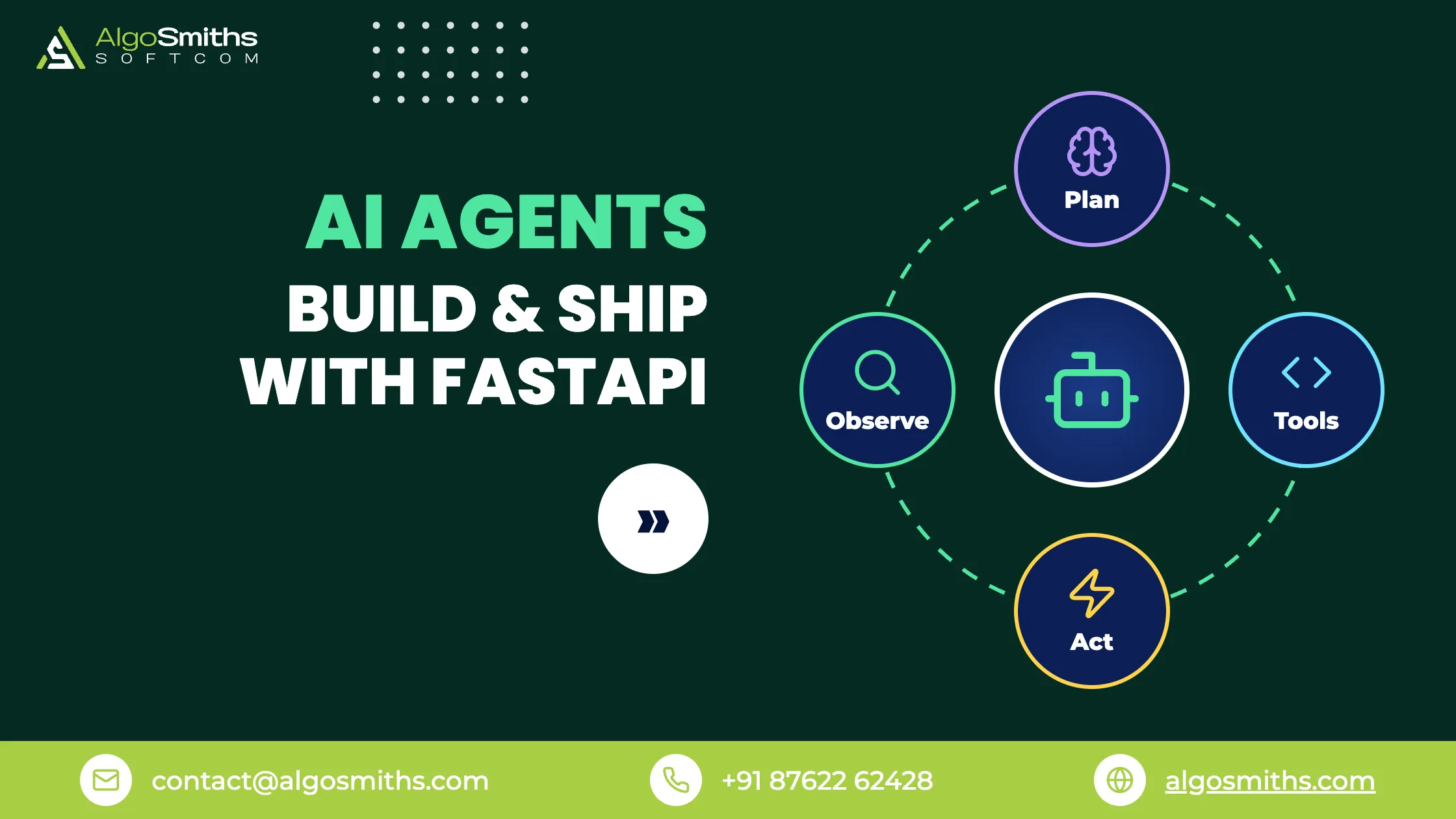
AI Agents for Startups: A Practical Guide to Building and Shipping Them with FastAPI
AI agents are moving fast from flashy demos to real product features, but most startups don't know where to draw the line between a good use case and an expensive distraction. This guide breaks down what an AI agent actually is, when it's the right call for your startup, and how to design, build, and deploy a production-ready agent using FastAPI. You'll get a practical architecture breakdown, a step-by-step build guide, a framework comparison, and the guardrails that separate a reliable feature from a support nightmare.
Samrat
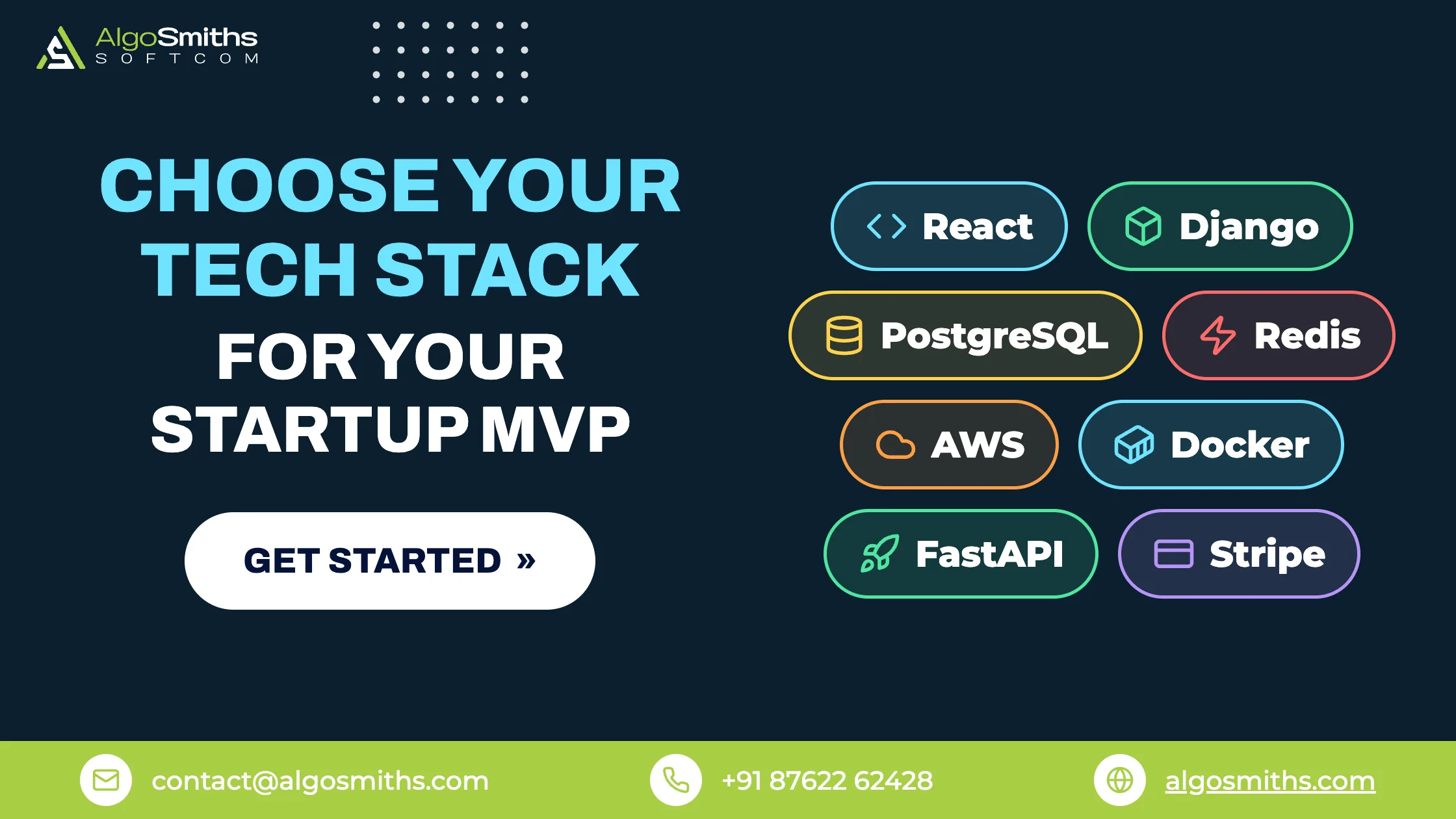
How to Choose the Right Tech Stack for Your Startup MVP in 2026
Choosing a tech stack is one of the earliest and most expensive decisions a founder makes. This practical guide walks you through how to pick the right frontend, backend, database, and cloud setup for your MVP in 2026 — with real comparisons, common mistakes to avoid, and a decision framework you can apply this week.
Samrat

Monolith vs Microservices for Startups: How to Choose the Right Architecture for Your MVP in 2026
Should your startup build a monolith or microservices? This founder-friendly guide compares both approaches, explains why a modular monolith is usually the smarter starting point for your MVP, and lays out the exact signals that tell you it's time to split into services. You'll get a practical comparison table, a step-by-step migration path, and the architecture mistakes that cost founders the most time.
Samrat
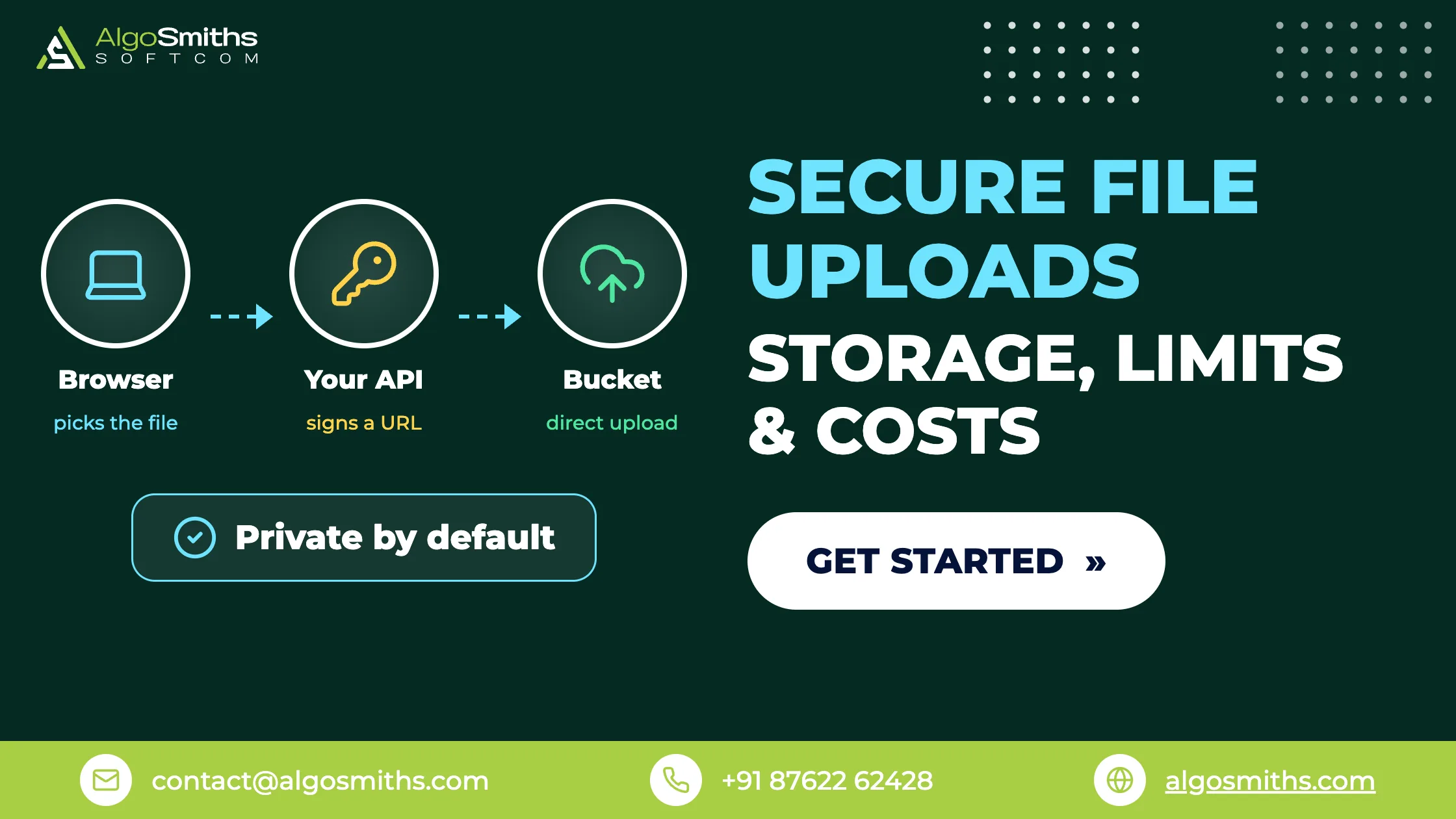
Secure File Uploads for SaaS: Storage, Limits and Costs
Secure file uploads for SaaS: where to store files, how to sign uploads, what limits to set, and how to keep storage costs predictable.
Samrat

Transactional Email for Startups: Reach the Inbox, Not Spam
Transactional email for startups: how to set up SPF, DKIM and DMARC, pick a provider and keep signup and password reset emails out of spam.
Samrat
How We Build MVPs 30% Faster with Django: A Framework Made for Startups
Learn how we build MVPs 30% faster using Django’s robust framework. Discover why Django is the best choice for startups looking for fast, scalable, and cost-effective MVP development.
Samrat
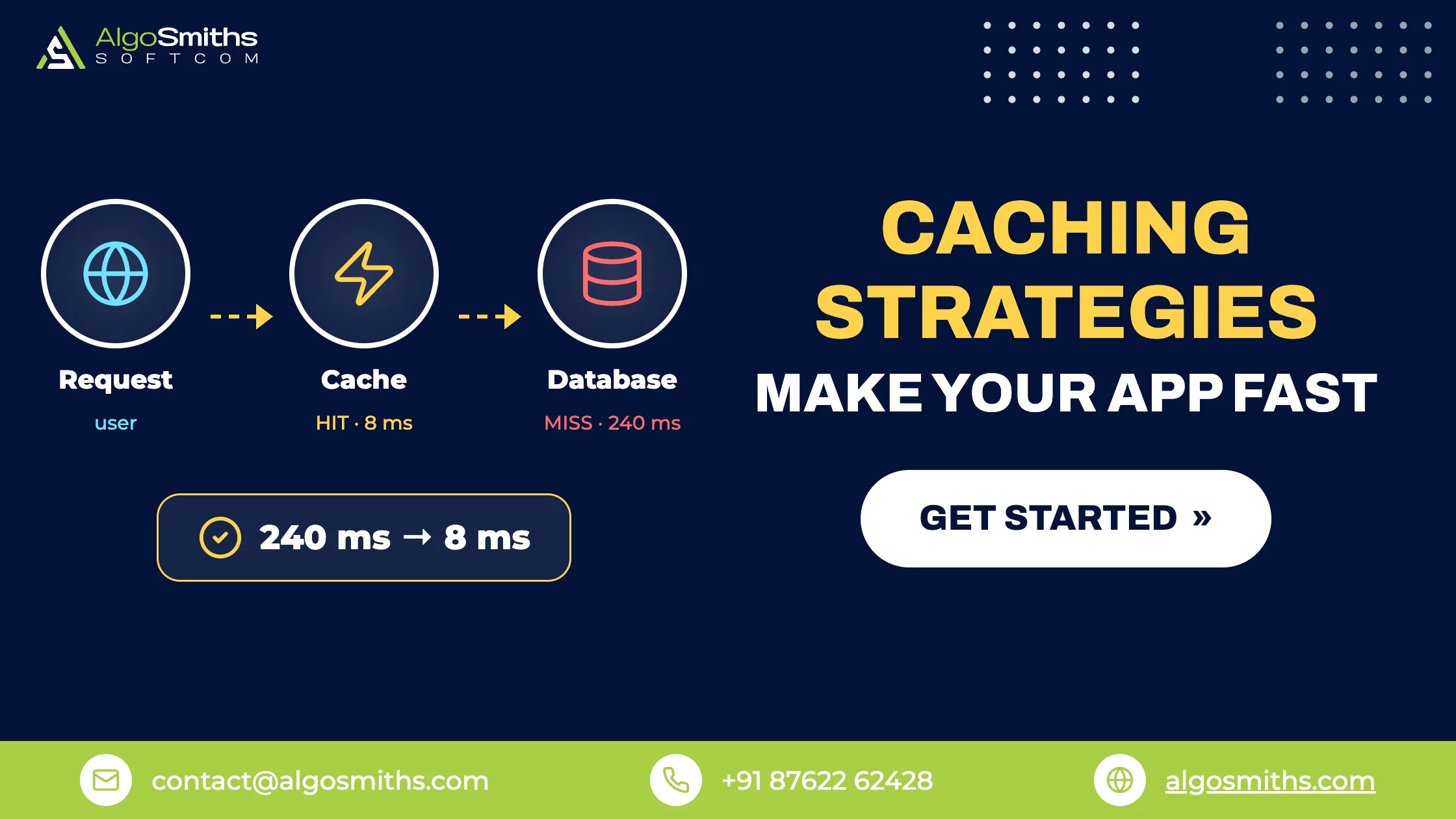
Caching Strategies for Startups: A Founder's Guide to Making Your App Fast Without a Rewrite in 2026
Slow apps lose users and burn money on oversized servers, but most startups reach for a bigger database long before they reach for a cache. This founder-friendly guide explains what caching is, where to add it, and which strategy fits your MVP. You'll get practical patterns for Redis, HTTP, and database caching, plus the mistakes that quietly corrupt your data.
Samrat

How to Add Payments and Subscription Billing to Your SaaS MVP: A Founder's Guide
Payments are the moment your SaaS stops being a side project and starts being a business — but billing is also where founders lose the most time to avoidable complexity. This founder-friendly guide walks you through choosing a payment provider, modelling subscriptions the right way, handling failed payments and dunning, and building billing that scales without a rewrite. You'll get a provider comparison, an implementation roadmap, and the mistakes that quietly cost startups revenue.
Samrat
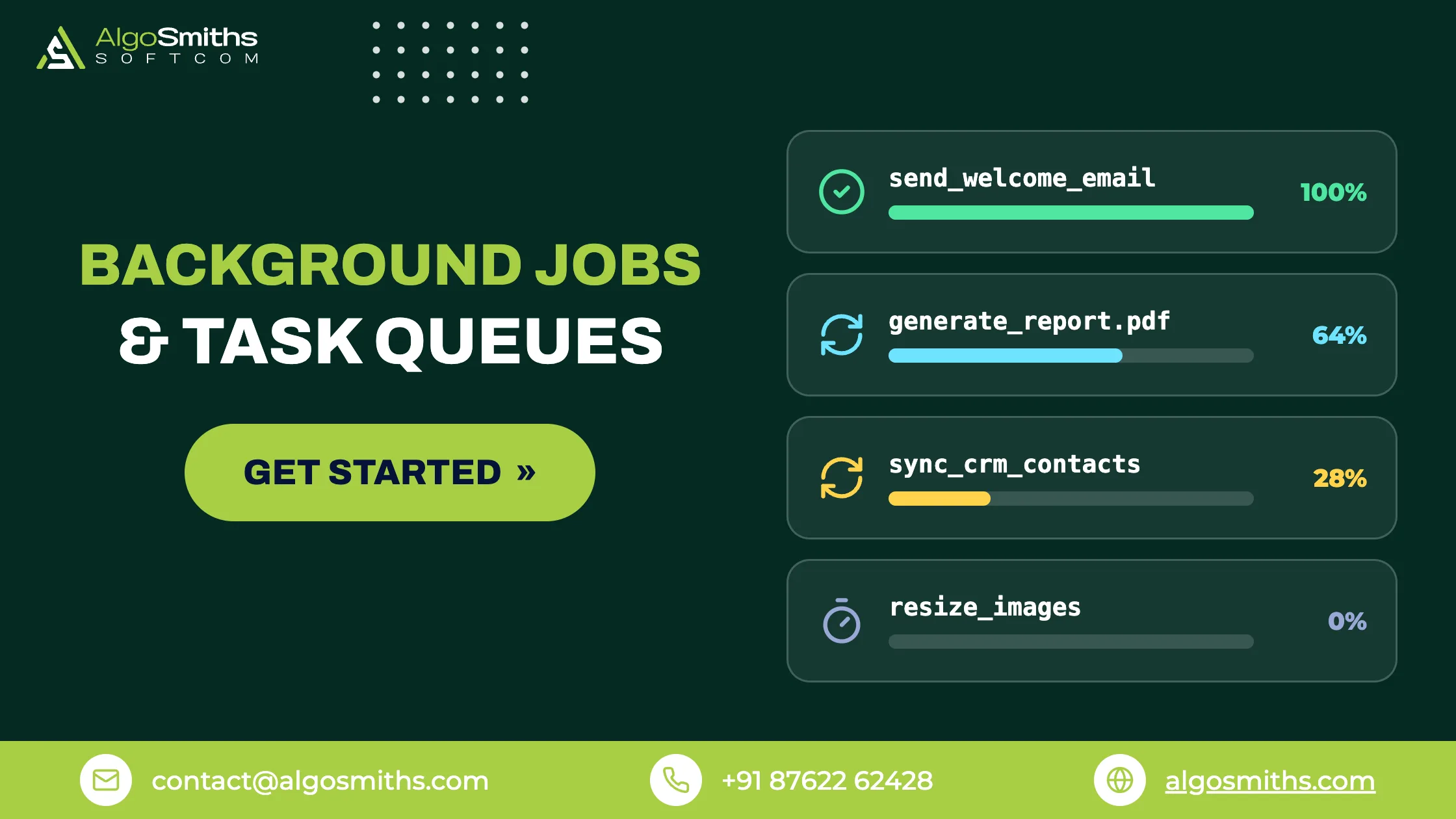
Background Jobs and Task Queues for Startups: A Founder's Guide to Doing Work Outside the Request
Some work is too slow to run while a user waits — sending emails, processing payments, generating exports, or calling an AI model. This founder-friendly guide explains background jobs and task queues in plain terms: what they are, when your product needs them, and how to add them to a Django or FastAPI backend without over-engineering. You'll get a Celery vs. alternatives comparison, a practical implementation roadmap, and the reliability mistakes that quietly cost startups data and trust.