
Category: All
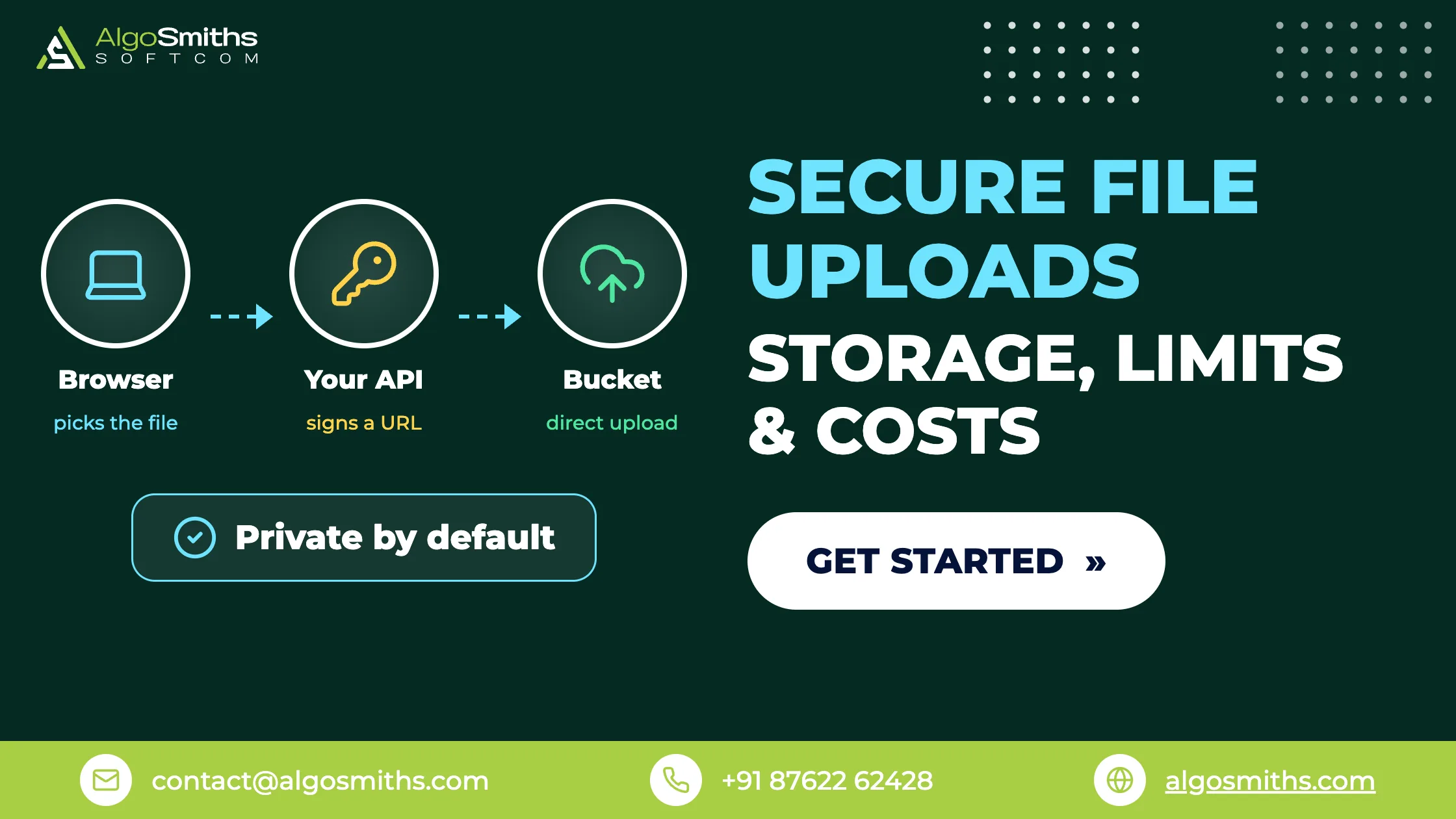
Secure File Uploads for SaaS: Storage, Limits and Costs
Secure file uploads for SaaS: where to store files, how to sign uploads, what limits to set, and how to keep storage costs predictable.
Samrat
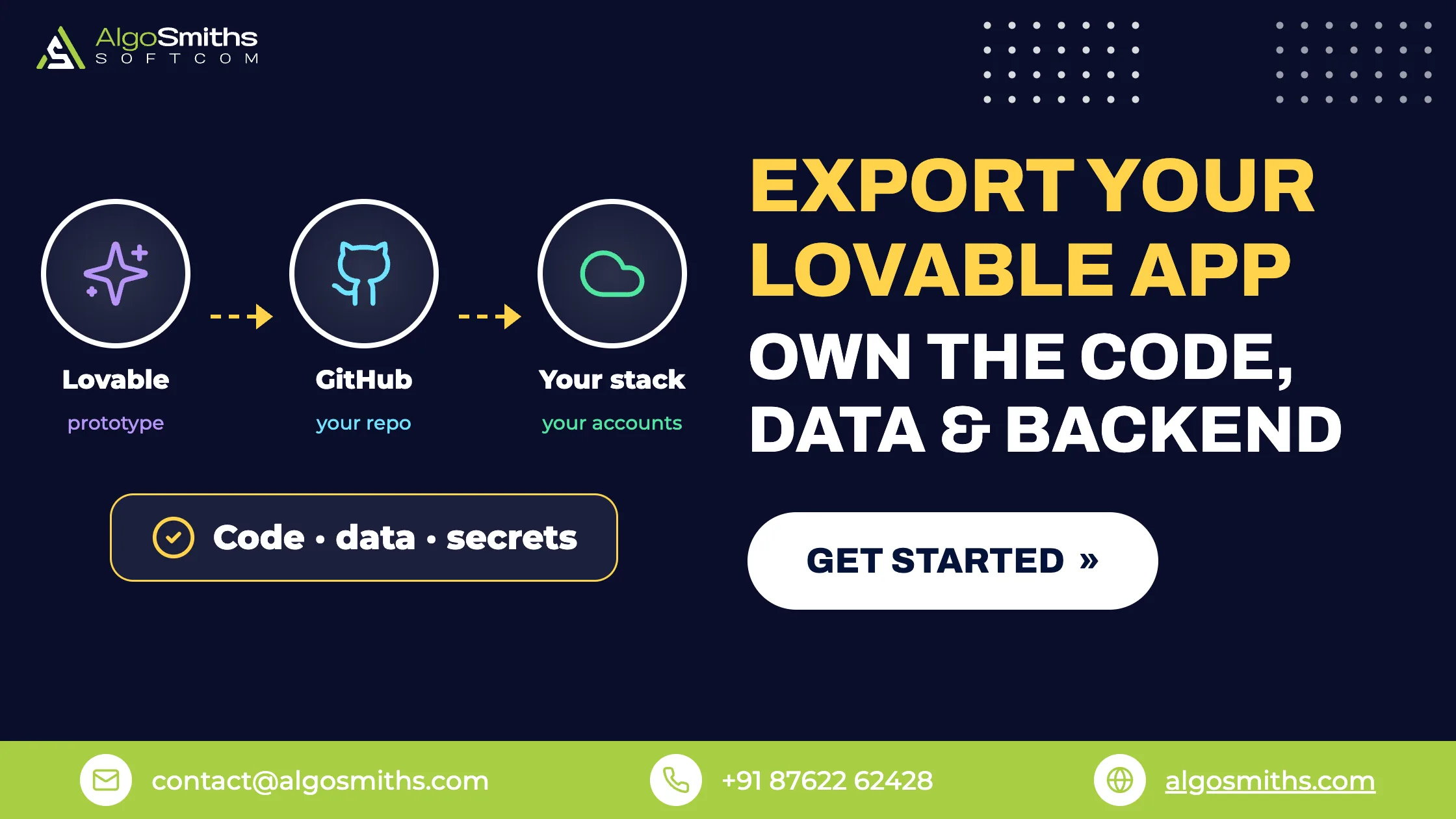
Export Your Lovable App: Own the Code, Data and Backend
Export your Lovable app to GitHub, see what the repo leaves behind, and move the database, secrets and hosting without breaking the live site.
Samrat
Lovable vs Bolt vs Replit: Which AI App Builder to Choose
Lovable vs Bolt vs Replit compared on price, backend, code export and mobile, so you can pick the right AI app builder for your product.
Samrat

The Role of Technology in Scaling Your Business
In the corporate world, expanding and competing in the market involves effective strategies. Technology is the major driver of this process since it enables any size of business to enhance productivity, streamline processes, and tap into new markets. In this article, we examine how technology can be the determinant of scaling your business and making it competitive.
Anagha Masane

The Cost-Saving Benefits of Cloud Computing for Businesses
Moving to the cloud for data storage is a popular choice for companies of all shapes and sizes, from brand new startups to established corporations with hundreds of years of experience. With so many advantages to offer, from workloads efficiencies to cost savings, there are plenty of ways to incorporate cloud offers into the world of modern business.
Anagha Masane

Lovable Credits Explained: What It Costs to Ship an App
Lovable credits explained: what a credit is, what plans and top-ups cost, what a single build message uses, and how to keep monthly spend predictable.
Samrat
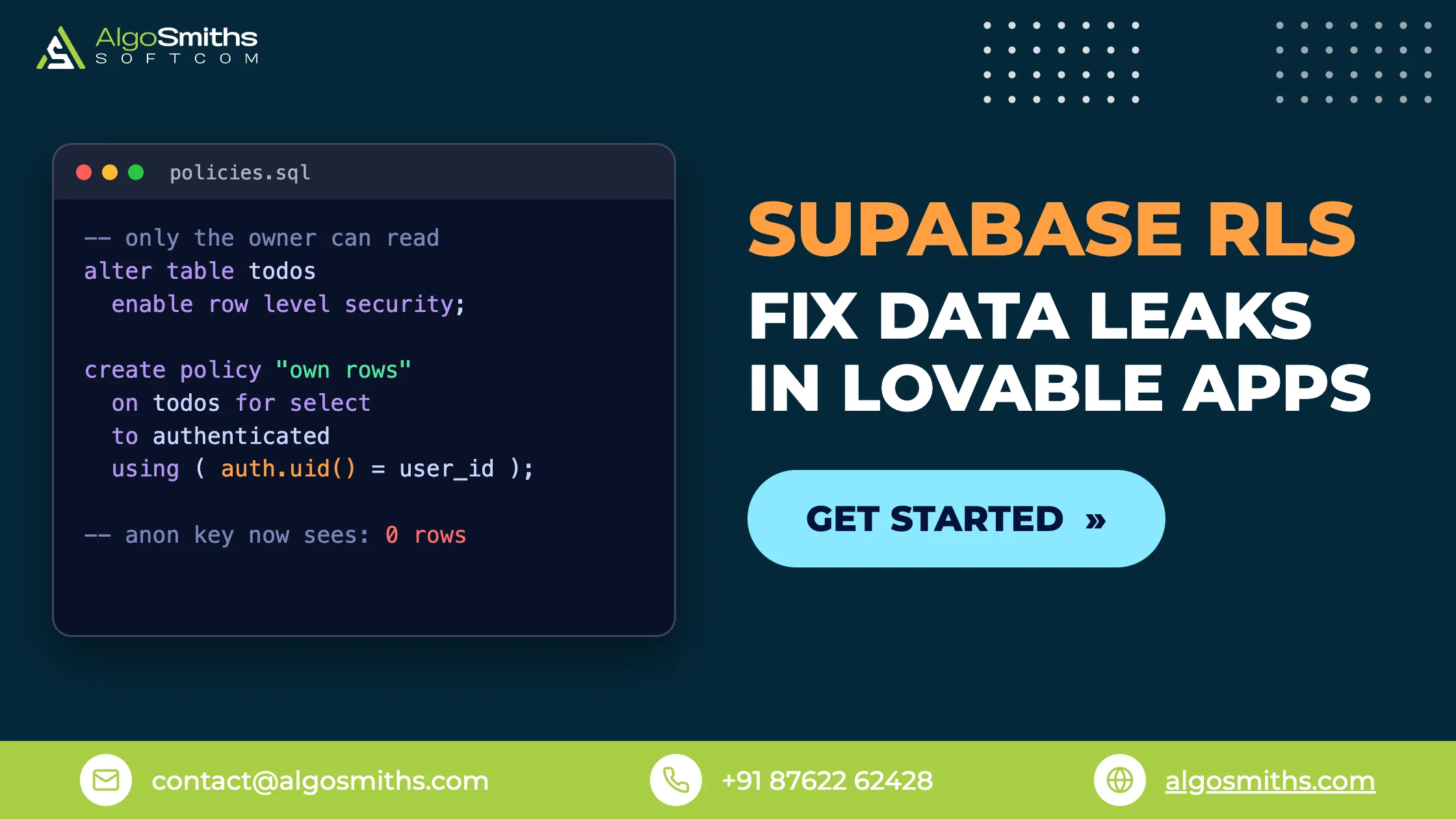
Supabase Row Level Security: Fix Data Leaks in Lovable Apps
Supabase Row Level Security for Lovable apps: how tables end up exposed to the anon key, how to test yours in ten minutes, and policies that fix it.
Samrat

General Data Protection Regulation (GDPR): Meaning and Rules
The GDPR(General Data Protection Regulation) is a comprehensive set of regulations formulated by the EU to protect the privacy and personal data of its citizens. It was implemented on May 25, 2018, and applies to any organization that processes the personal data of EU residents, regardless of its location.
Anagha Masane

Lovable to Custom Code: When to Switch and How to Plan It
When to keep building in Lovable and when to move to custom code, with the signals that justify a migration and a four-step plan that avoids a rewrite.
Samrat
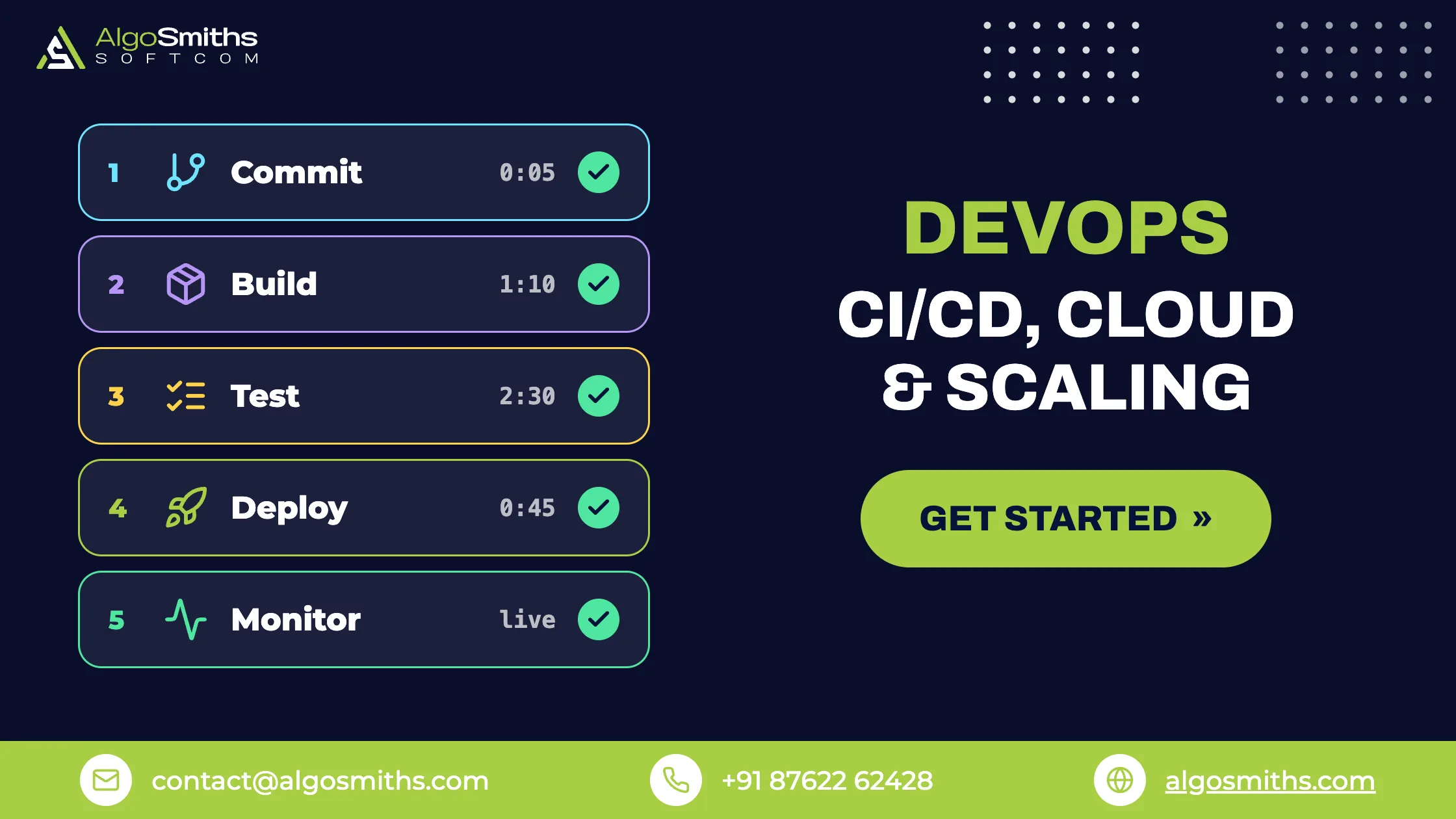
DevOps for Startups: A Practical Guide to CI/CD, Cloud Infrastructure, and Scaling Without a Dedicated Team
Most startups don't need a full DevOps team on day one — they need the right habits. This guide shows founders how to build a lean CI/CD pipeline, choose between serverless and containers, and keep cloud costs under control without hiring a dedicated DevOps engineer. Expect practical steps, a tool comparison, and a founder-friendly checklist you can act on this week.
Samrat
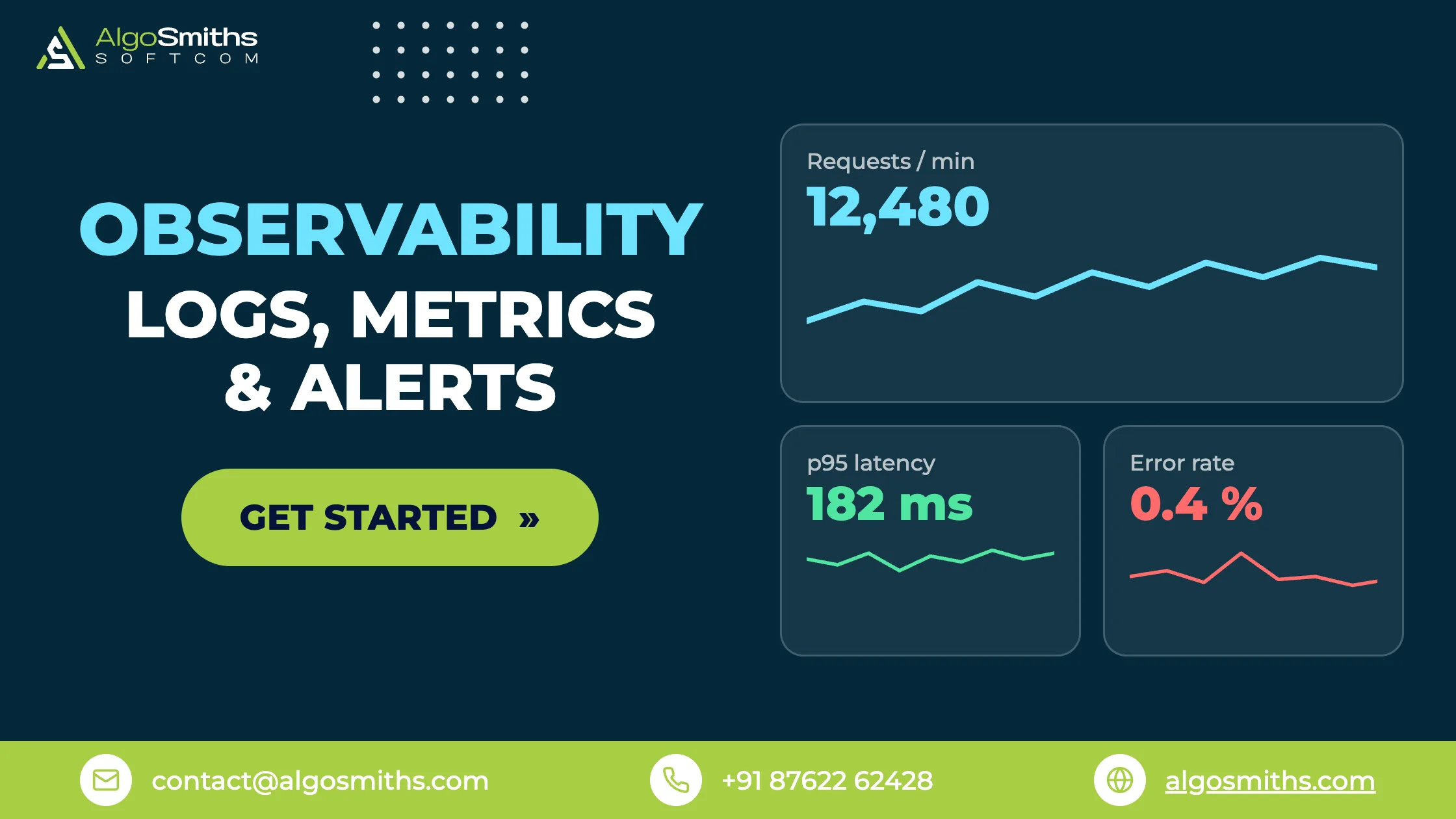
Observability for Startups: A Founder's Guide to Logging, Metrics, and Alerting in 2026
When your app breaks in production, observability is what tells you before your customers do. This founder-friendly guide explains logging, metrics, and alerting in plain language, shows you how to build a lean monitoring stack without a dedicated ops team, and gives you a practical checklist you can act on this week.
Samrat
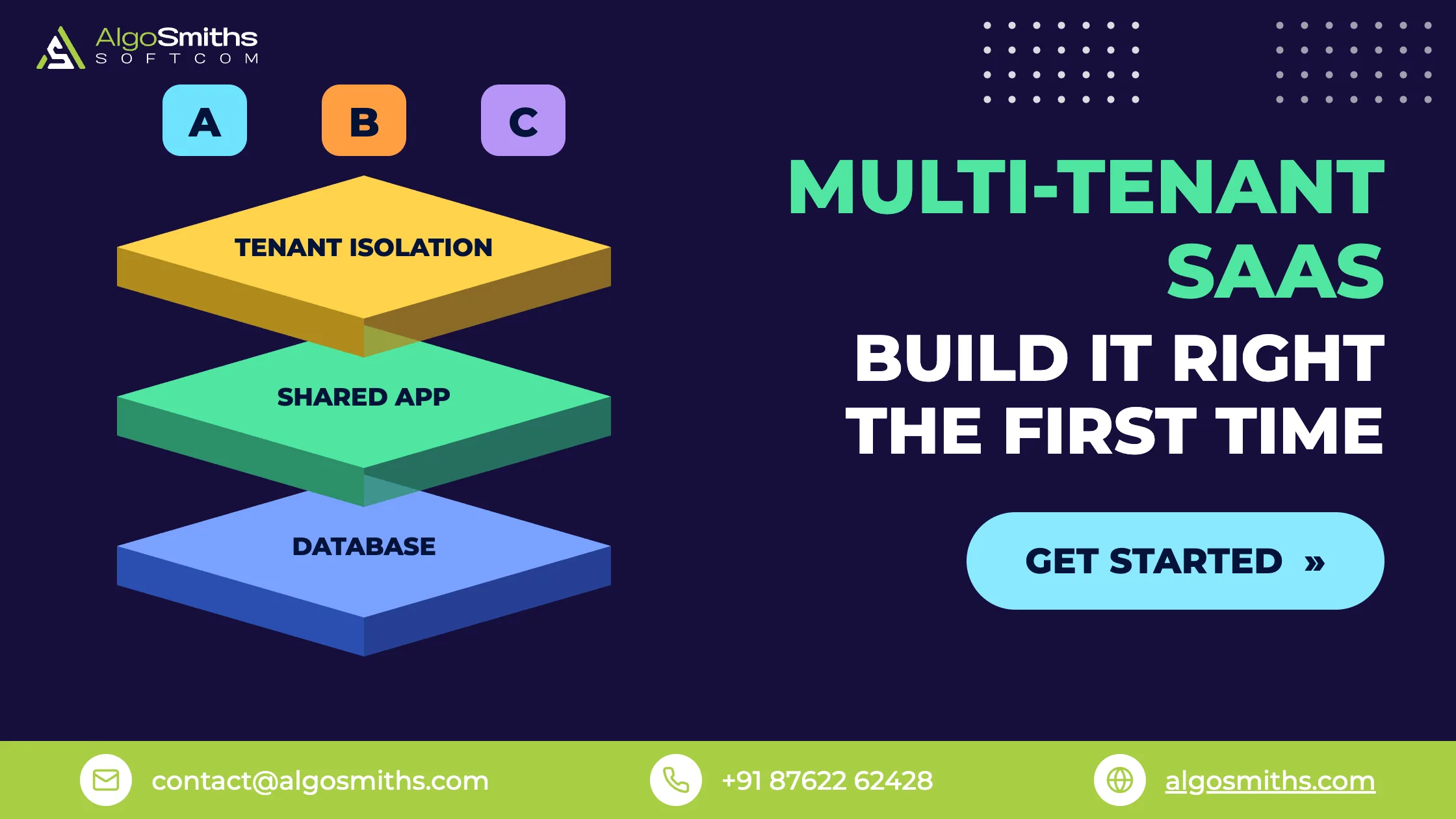
Multi-Tenant SaaS Architecture: A Founder's Guide to Building It Right the First Time
Building a multi-tenant SaaS product means locking in foundational architecture decisions before you write your first line of code. This guide breaks down the three core multi-tenancy models, shows you how to choose between shared and isolated databases, and highlights the security and scaling mistakes that force a costly rewrite later. Whether you're scoping your first B2B MVP or preparing to onboard your first enterprise customer, this is the practical framework to get your architecture right the first time.
Samrat
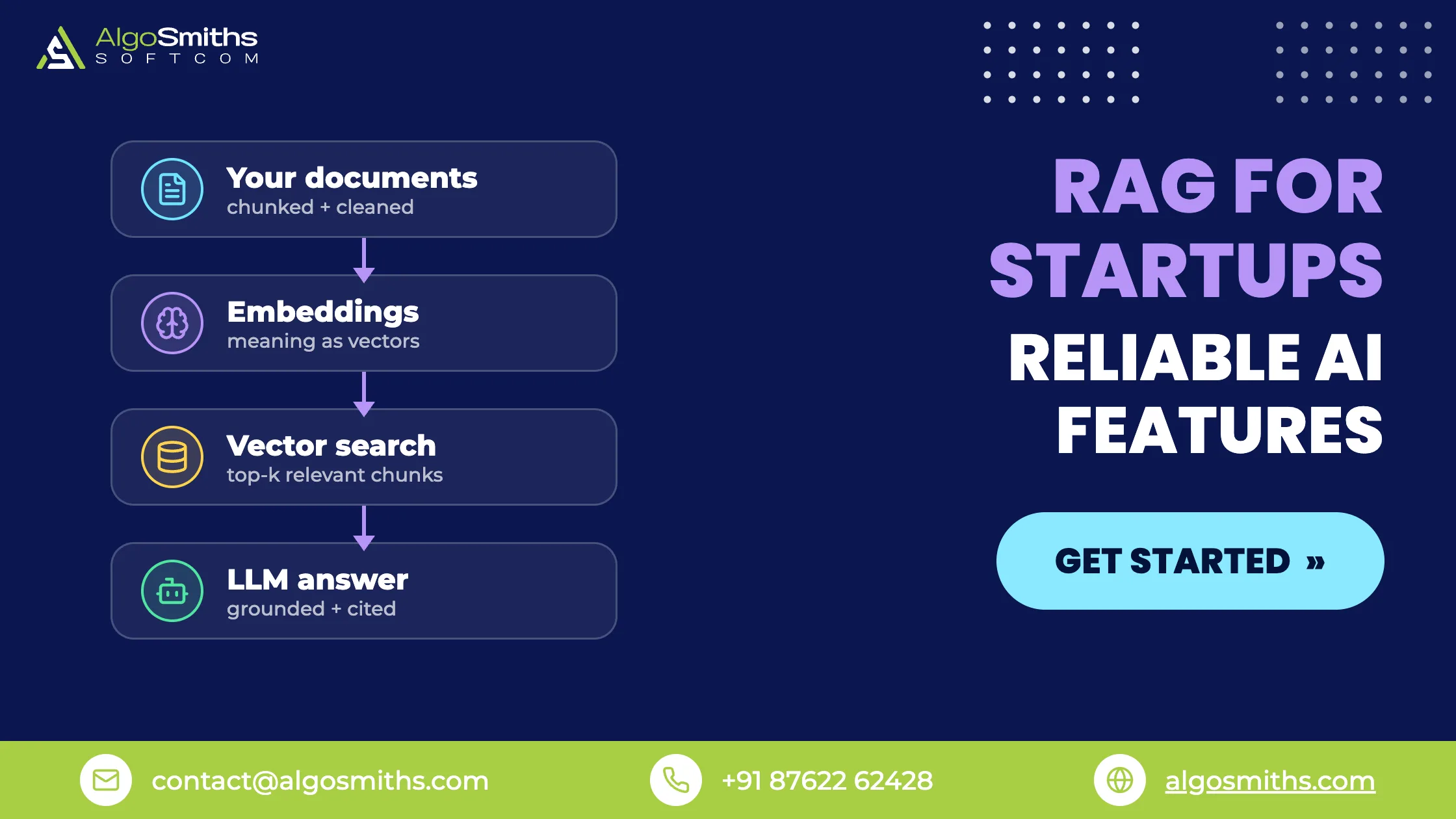
RAG for Startups: A Founder's Guide to Building Reliable AI Features in 2026
Retrieval-Augmented Generation (RAG) has become the standard way to make AI features trustworthy, current, and grounded in your own data instead of a model's frozen training set. This founder-friendly guide breaks down how RAG actually works, when it beats fine-tuning, and what it takes to ship a production-ready pipeline with FastAPI and a vector database. You'll also learn the 2026 architectural patterns worth knowing, from hybrid search to Agentic RAG, plus the mistakes that most often cause AI features to fail once real users show up.
Samrat

Authentication for SaaS Startups: A Founder's Guide to Auth, SSO, and API Security in 2026
Every SaaS product runs on one invisible layer that decides who gets in and what they can touch: authentication and authorization. Get these wrong and you inherit account-takeover risk, tenant data leaks, and a security review that can stall an enterprise deal or a funding round. This founder-friendly guide breaks down sessions, JWTs, OAuth, and SSO in plain terms, shows you how to design role-based access control for a multi-tenant product, and gives you a practical roadmap for hardening auth as you grow from first user to first enterprise contract.
Samrat
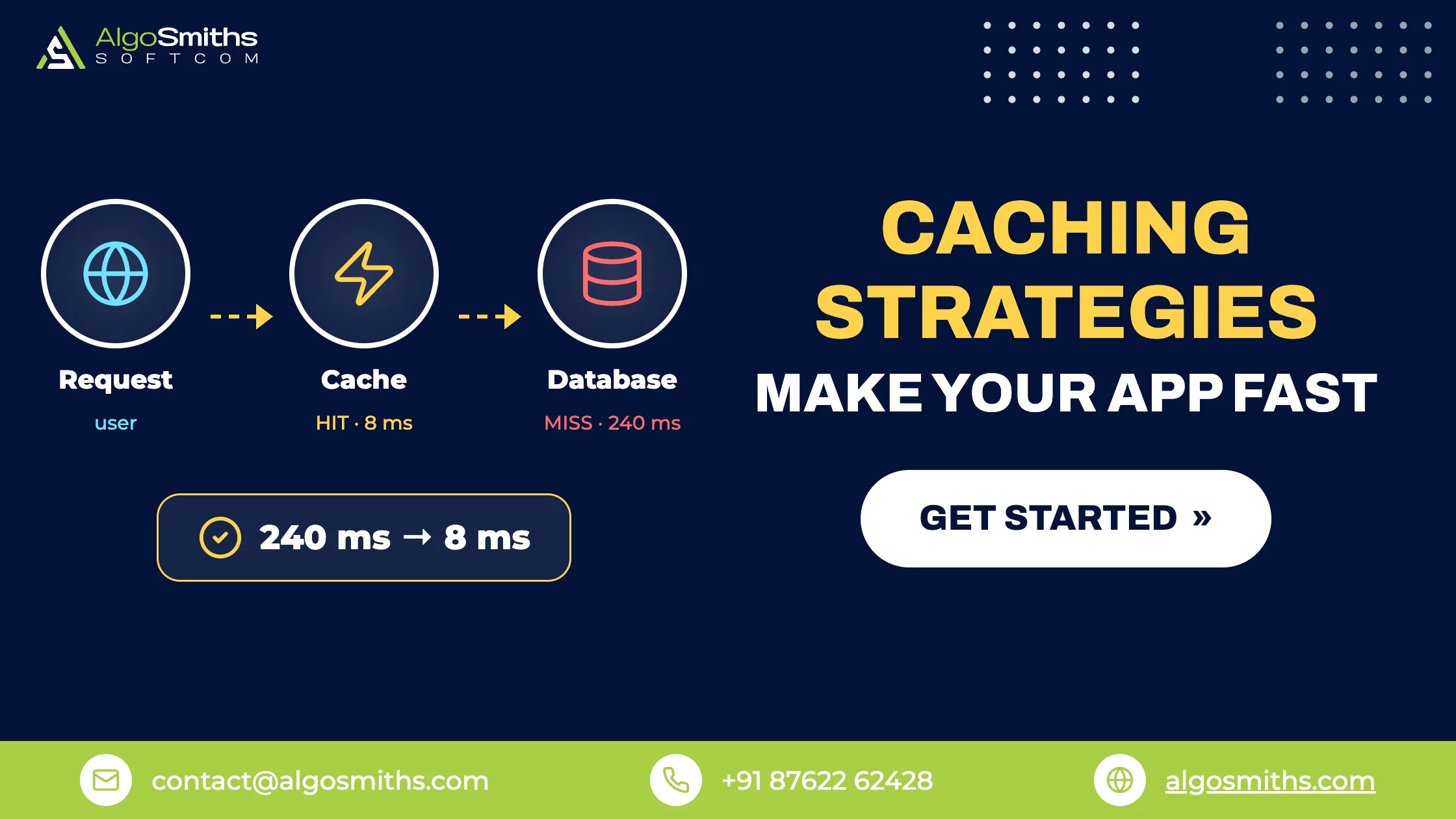
Caching Strategies for Startups: A Founder's Guide to Making Your App Fast Without a Rewrite in 2026
Slow apps lose users and burn money on oversized servers, but most startups reach for a bigger database long before they reach for a cache. This founder-friendly guide explains what caching is, where to add it, and which strategy fits your MVP. You'll get practical patterns for Redis, HTTP, and database caching, plus the mistakes that quietly corrupt your data.
Samrat

How to Add Payments and Subscription Billing to Your SaaS MVP: A Founder's Guide
Payments are the moment your SaaS stops being a side project and starts being a business — but billing is also where founders lose the most time to avoidable complexity. This founder-friendly guide walks you through choosing a payment provider, modelling subscriptions the right way, handling failed payments and dunning, and building billing that scales without a rewrite. You'll get a provider comparison, an implementation roadmap, and the mistakes that quietly cost startups revenue.
Samrat
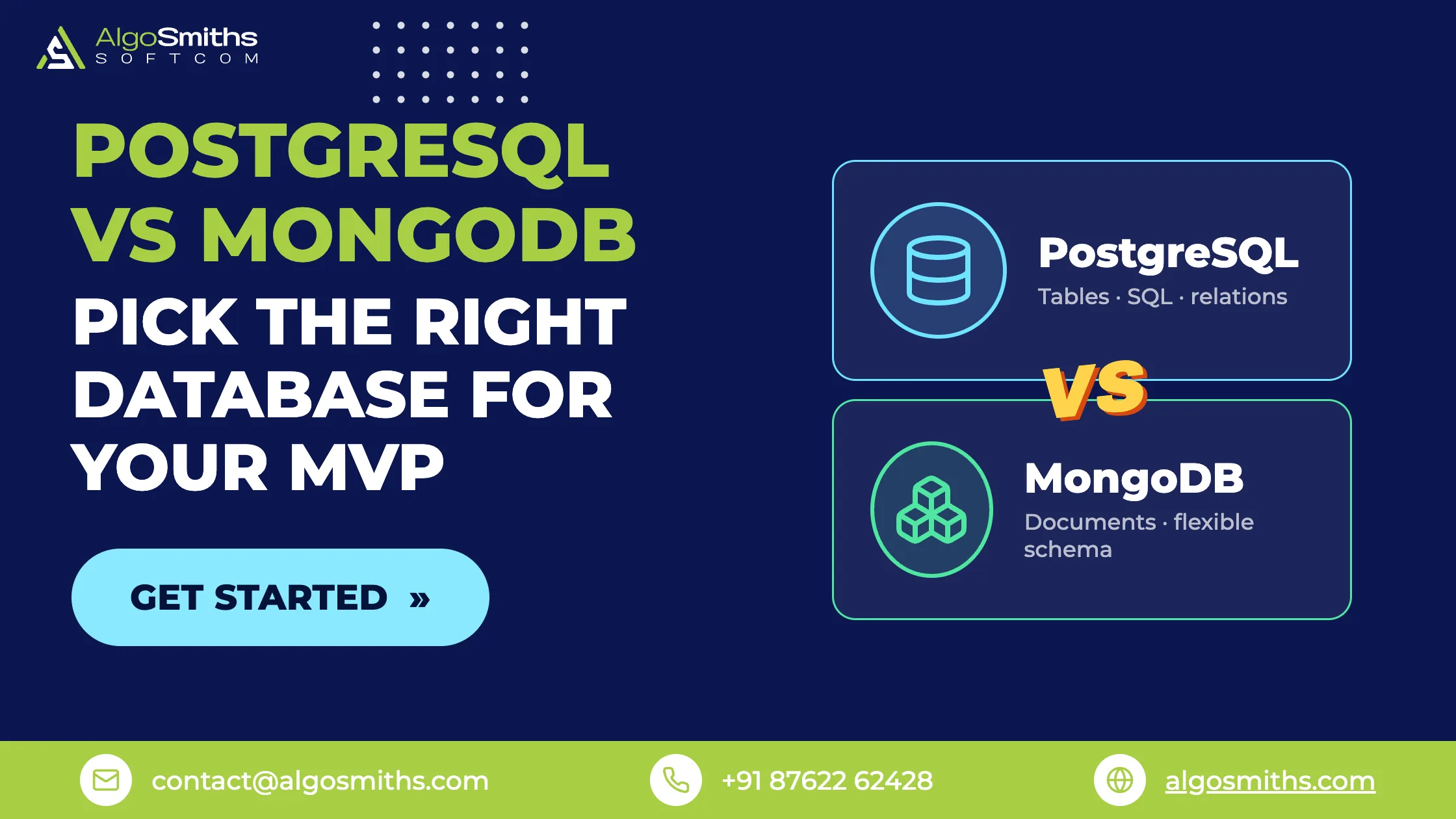
PostgreSQL vs MongoDB for Startups: Which Database Should You Choose for Your MVP in 2026?
Choosing between PostgreSQL and MongoDB is one of the first architecture decisions that shapes how fast you can ship and how painful your first scaling headache will be. This founder-friendly guide breaks down how relational and document databases actually work, compares them head-to-head on the factors that matter to an early-stage team, and gives you a practical framework for picking the right one for your MVP in 2026. You'll also learn why Postgres's JSONB support and the pgvector extension are quietly closing the gap that once made NoSQL the default pick for fast-moving startups.
Samrat
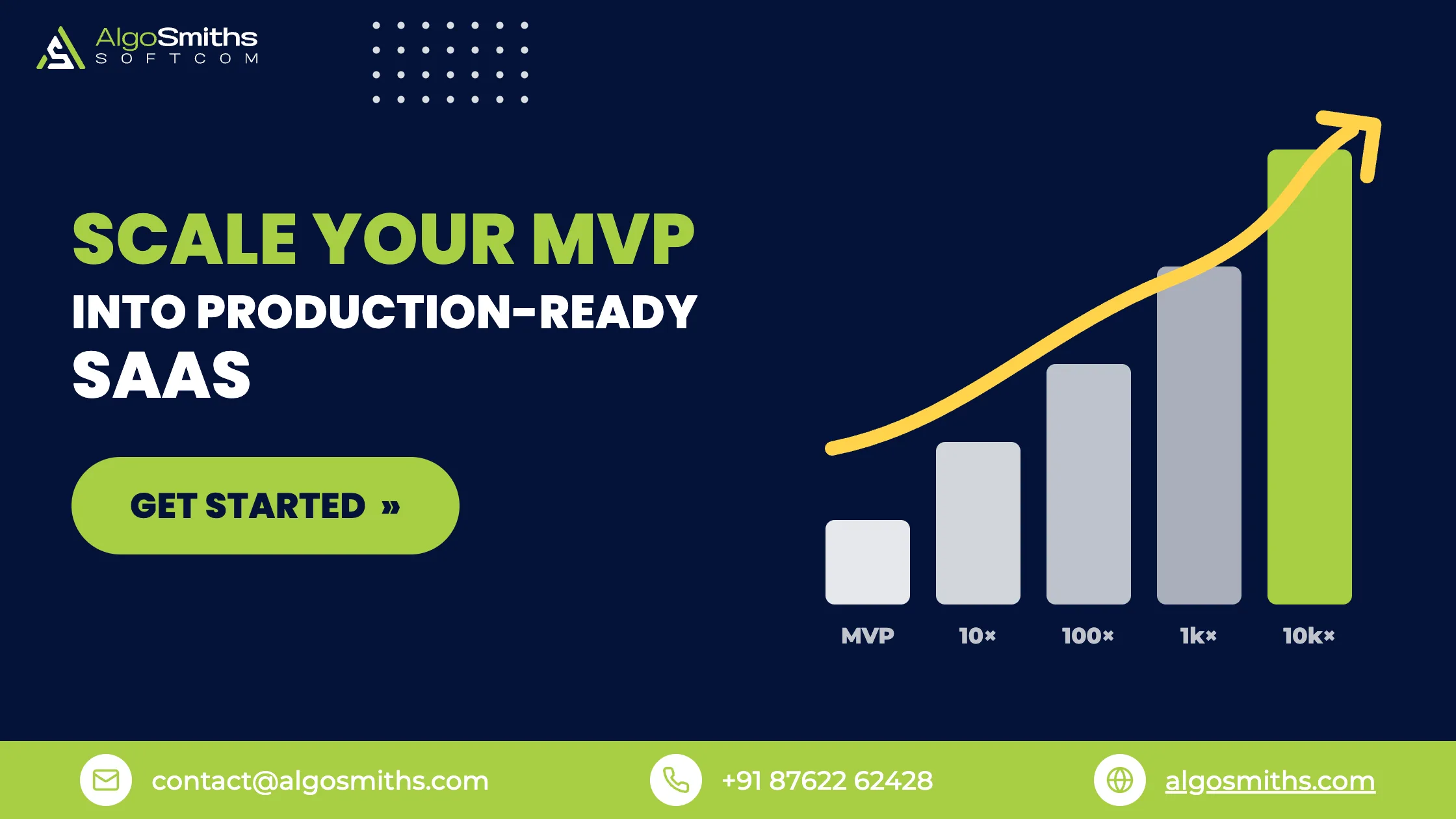
How to Scale Your MVP into a Production-Ready SaaS Without a Rewrite
Your MVP found traction — now it has to hold up under real users, real data, and real revenue. This founder-friendly guide shows you how to turn a scrappy MVP into a production-ready SaaS the right way: what to harden first, how to tackle technical debt without stalling growth, and how to scale your database, infrastructure, and team without an expensive rewrite.
Samrat
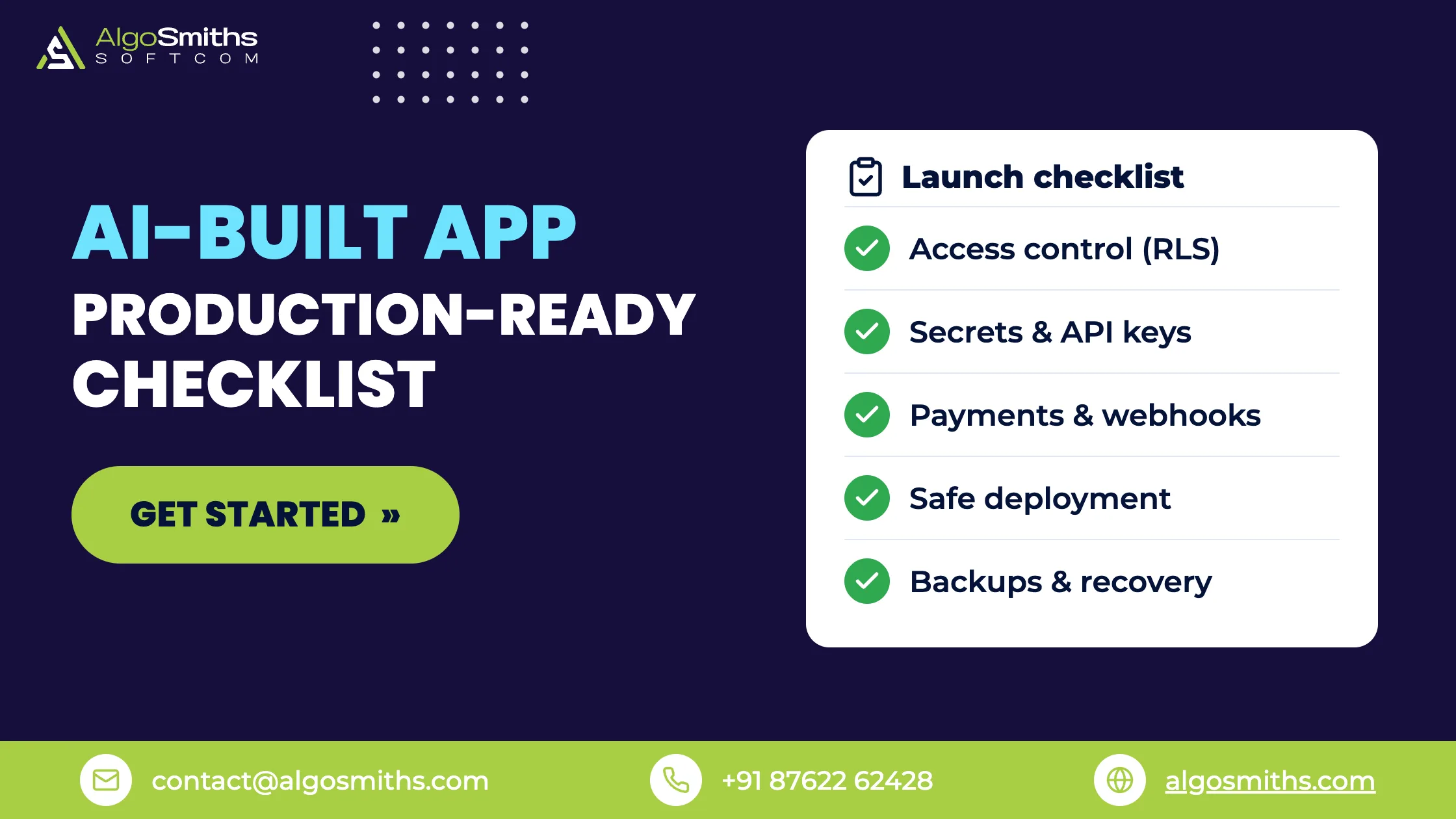
AI-Built App Production Readiness: A Founder's Launch Checklist
AI-built app production readiness explained: what to fix in a Lovable or Bolt app before real users and payments arrive, with a clear launch checklist.
Samrat
When Not to Use Django (And What to Use Instead)
Django is widely recognized for its “batteries-included” philosophy, enabling rapid web application development with features like authentication, ORM, admin interface, and more out of the box. It’s a fantastic choice for monolithic web apps, content-heavy platforms, and admin dashboards.