
Category: All

Secrets Management for Startups: A Founder's Guide to Handling API Keys, Environment Variables, and Credentials Safely in 2026
Every startup runs on a pile of API keys, database passwords, and tokens — and one leaked secret can drain your cloud budget or expose customer data overnight. This founder-friendly guide explains what secrets management is, why .env files stop being enough as you grow, and how to store, rotate, and audit credentials safely. You'll get practical patterns, tool comparisons, and a step-by-step rollout you can ship without a dedicated security team.
Samrat
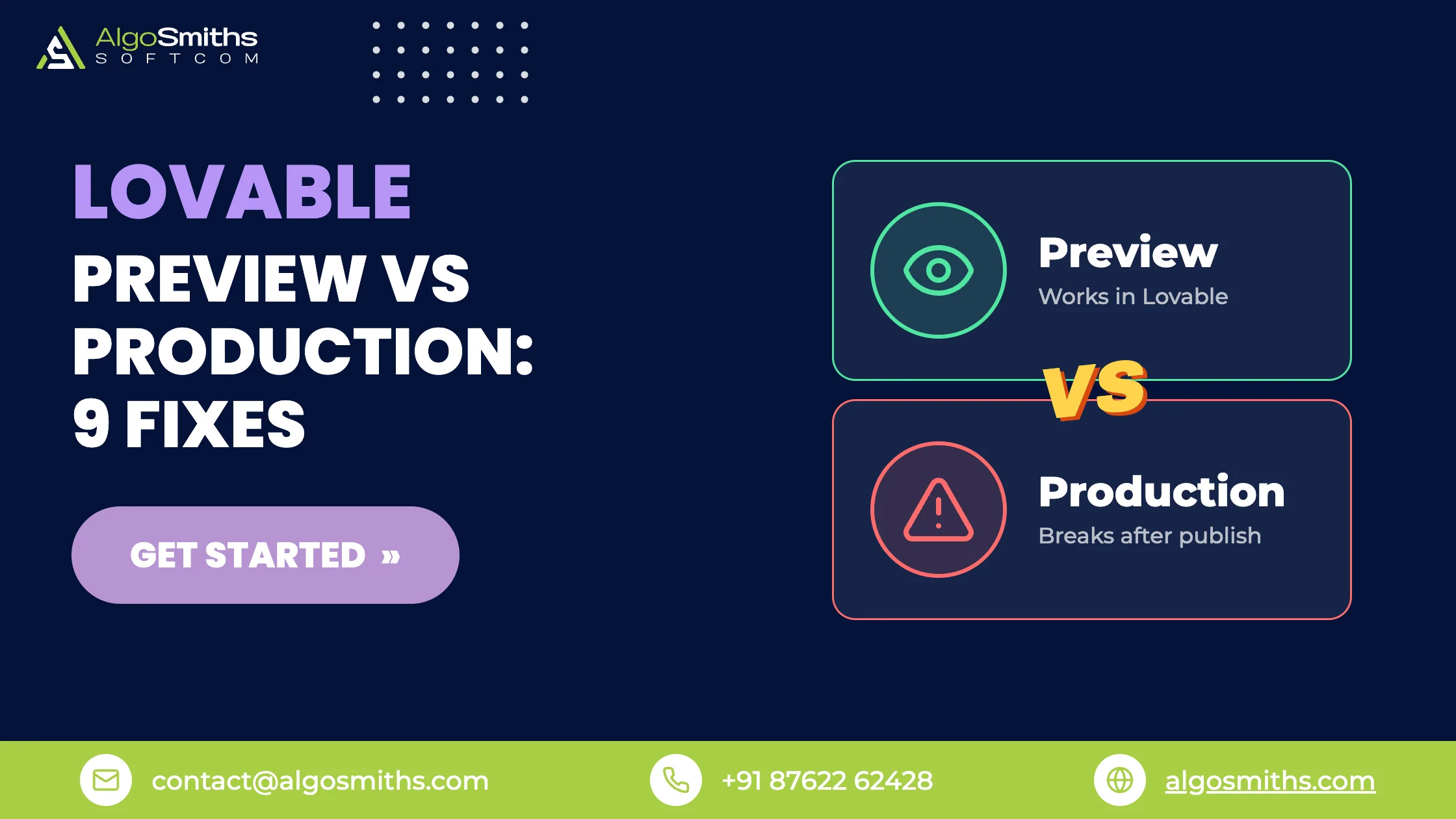
Lovable Preview vs Production: 9 Fixes for Founders
Your Lovable preview works but production breaks. Diagnose and fix the nine most common causes, from missed republishes to Stripe live-mode keys.
Samrat
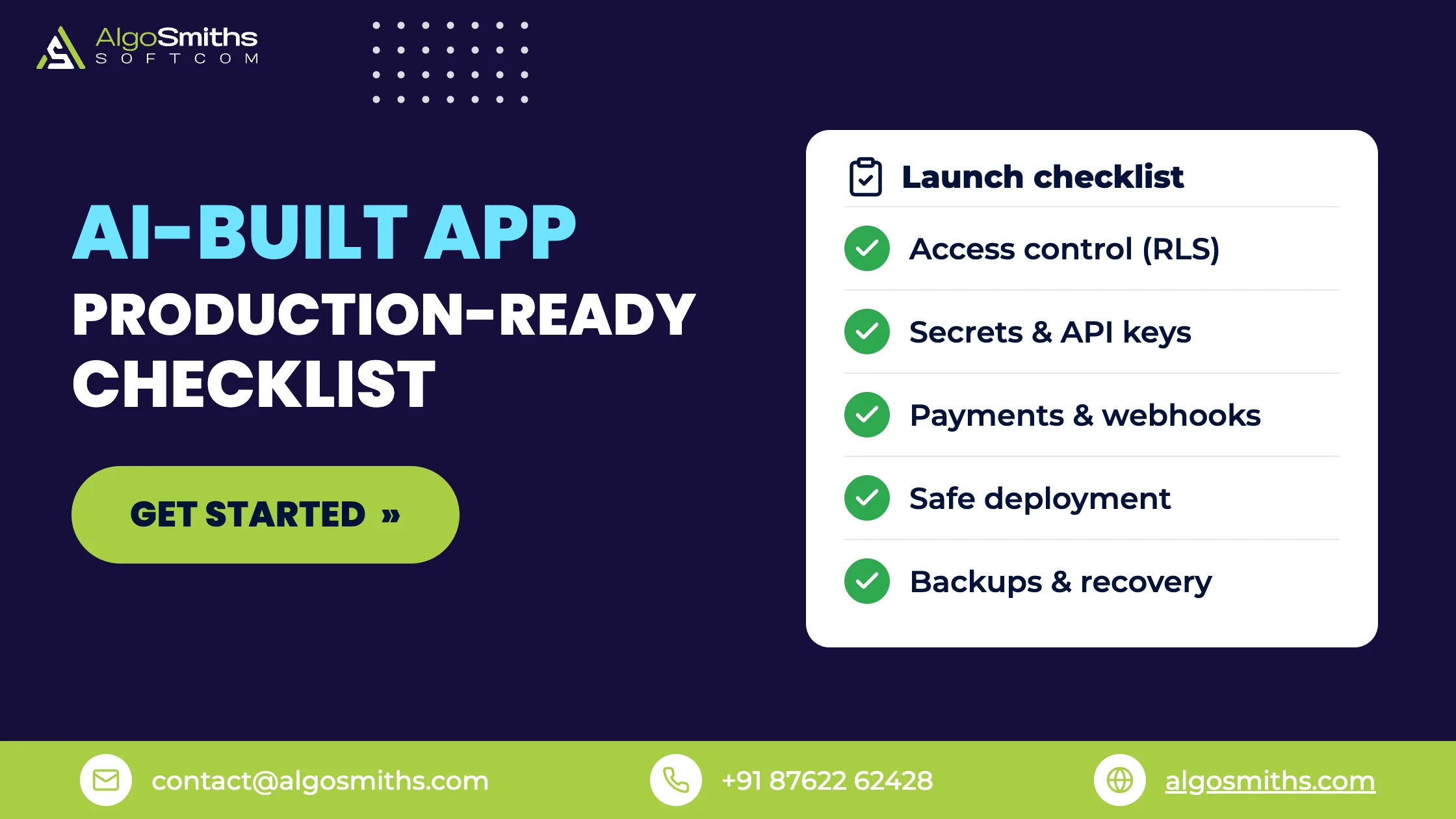
AI-Built App Production Readiness: A Founder's Launch Checklist
AI-built app production readiness explained: what to fix in a Lovable or Bolt app before real users and payments arrive, with a clear launch checklist.
Samrat
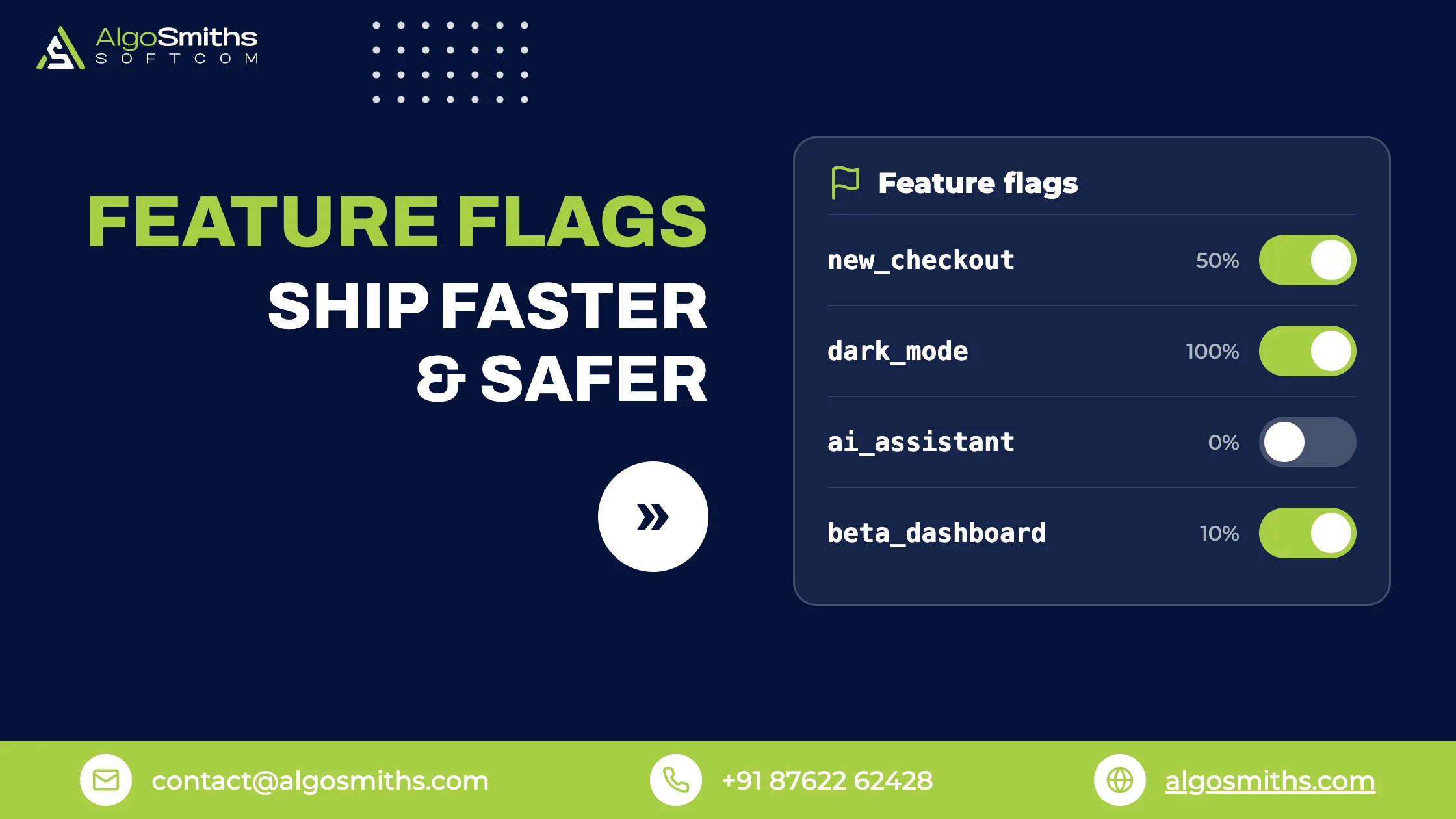
Feature Flags for Startups: A Founder's Guide to Shipping Faster and Safer in 2026
Feature flags let you ship code continuously and turn features on when you're ready — decoupling deploy from release so a bad launch never means an emergency rollback. This founder-friendly guide explains what feature flags are, the main types, and how to roll them out on your MVP without drowning in technical debt. You'll get practical patterns, a build-vs-buy comparison, and a checklist you can apply this week.
Samrat
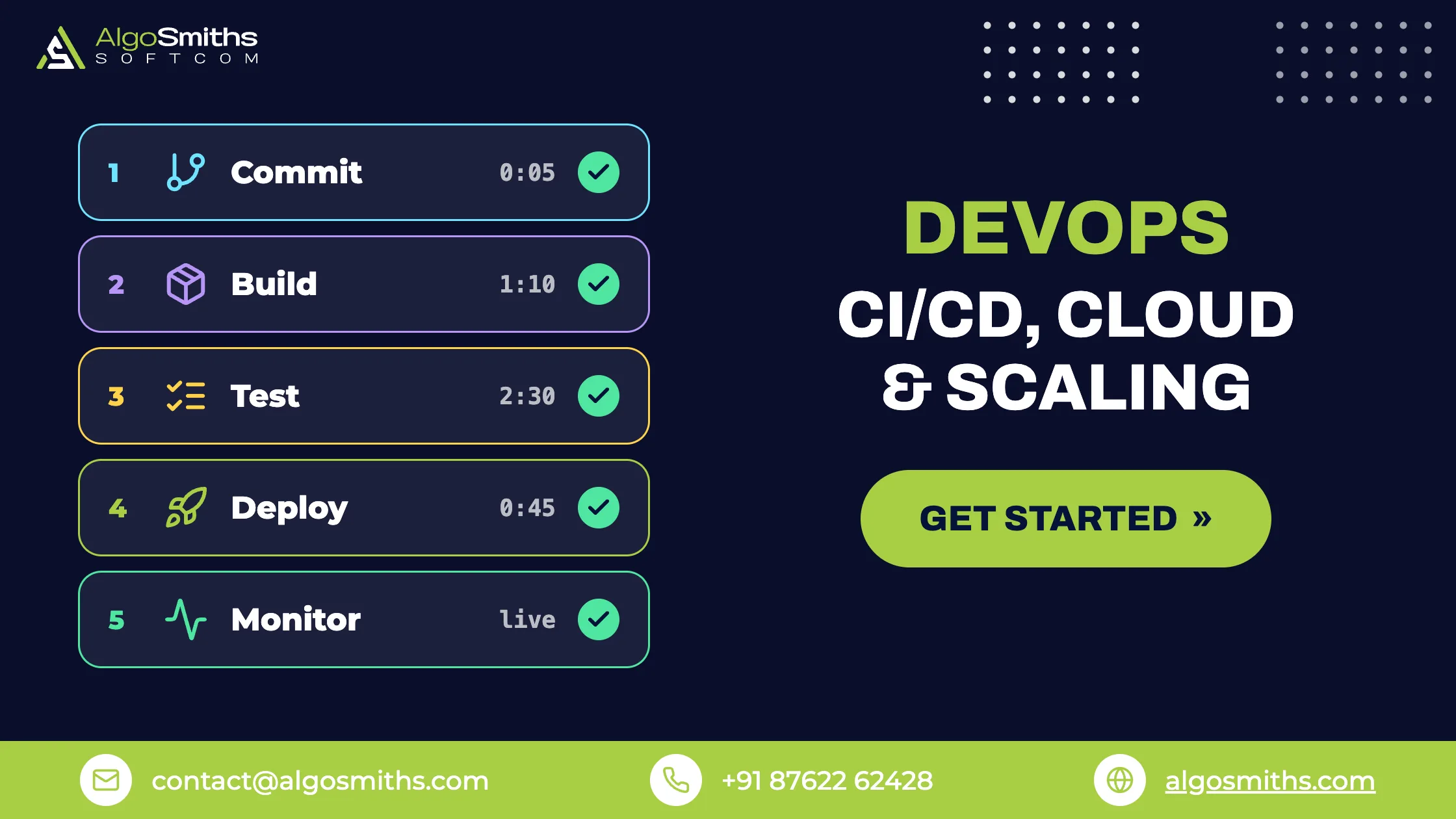
DevOps for Startups: A Practical Guide to CI/CD, Cloud Infrastructure, and Scaling Without a Dedicated Team
Most startups don't need a full DevOps team on day one — they need the right habits. This guide shows founders how to build a lean CI/CD pipeline, choose between serverless and containers, and keep cloud costs under control without hiring a dedicated DevOps engineer. Expect practical steps, a tool comparison, and a founder-friendly checklist you can act on this week.
Samrat

Why Every Business Needs a Cybersecurity Audit
Every Business Needs a Cybersecurity Audit distinguishes, investigates, and assesses cyber dangers in your commerce to guarantee the security and keenness of your information. This handle includes assessing current security measures, distinguishing vulnerabilities, and actualizing the fitting security measures to avoid down-times or cyberattacks. A cyber security Audit appraisal is a continuous handle that makes a difference you remain on best of your IT security and adjust to advancing dangers. The handle includes figuring out your potential dangers and their eventual outcomes so you can execute the right arrangements some time recently. Businesses of all sizes can benefit from customary cyber security review administrations, which can come in an assortment of appraisal sorts. One of which is our Dim Web Filter which makes a difference when businesses find any dangers to their private information and/or any compromised representative qualifications. Advance to this, we can too run cyber security evaluations to troubleshoot or relieve dangers encompassing Ransomware Assaults. These sorts of cyber assaults are when businesses have their information and gadgets scrambled and held for emancipation by cyber offenders looking for a payout for the unscrambling key, something that most businesses fair aren't arranged for.
Anagha Masane
Build a Successful Remote Team in India – Steps & Best Practices
Learn how to hire, onboard, manage and scale a remote team in India with best practices, hidden challenges, tools and compliance insights.
Samrat
Django REST Framework vs FastAPI: Which Python API Framework is Right for You?
If you're building a new product or MVP and debating between Django REST Framework and FastAPI, you're not alone. The Django vs FastAPI debate is one of the most common among startups and engineering teams deciding on the ideal backend for their API development.
Samrat
Serverless with Django: Is It Worth It for Your Startup?
Serverless is no longer just a buzzword—it’s a growing architectural choice for startups looking to move fast, scale quickly, and reduce DevOps overhead. But how well does Django, a powerful Python framework traditionally used with monolithic deployments, adapt to a serverless environment? More importantly, is serverless with Django the right call for your MVP or startup?
Samrat
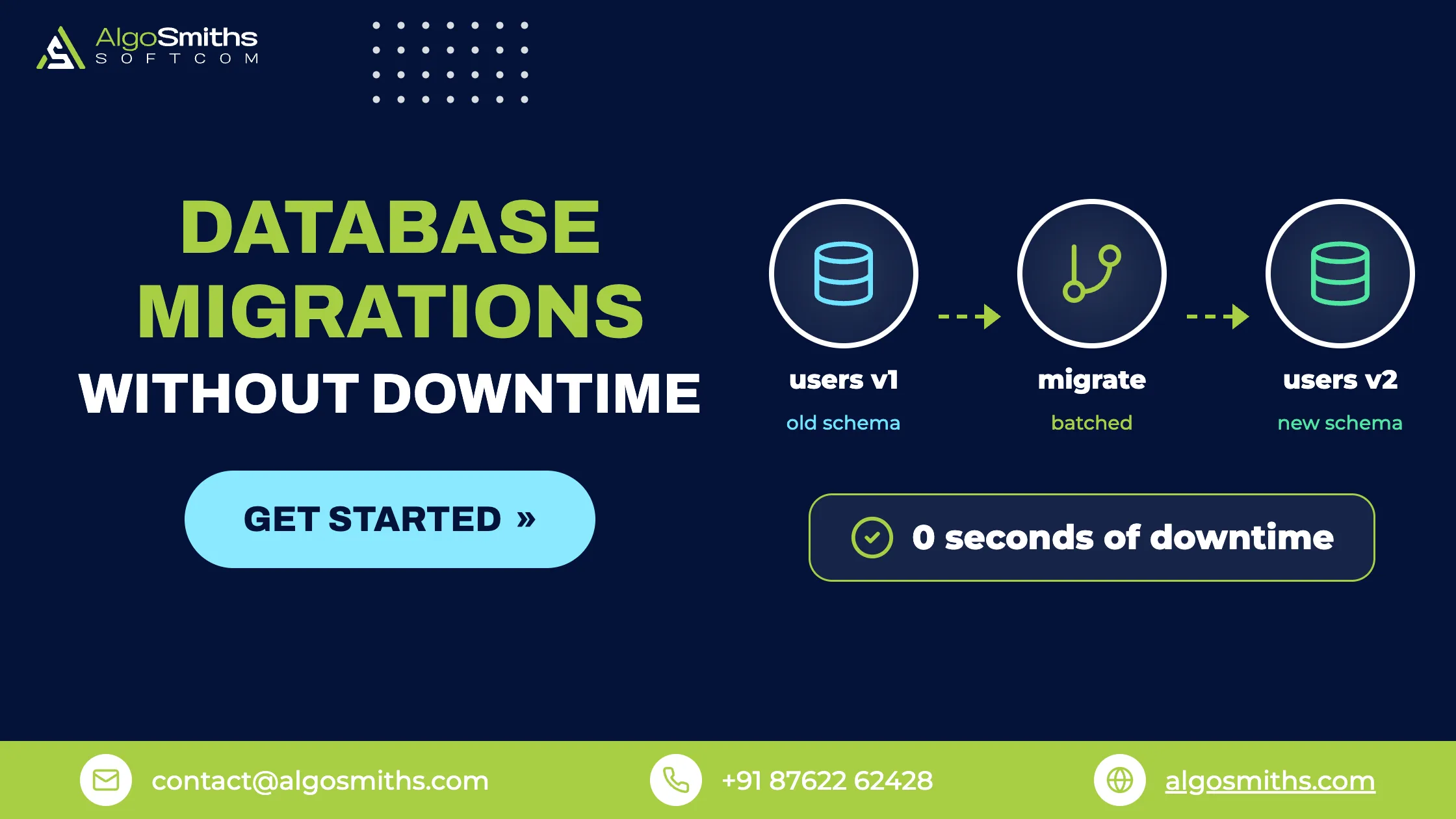
Database Migrations for Startups: A Founder's Guide to Changing Your Schema Safely Without Downtime in 2026
Every growing product eventually has to change its database schema — and doing it carelessly is how startups get accidental downtime, corrupted data, and 2 a.m. rollbacks. This founder-friendly guide explains what database migrations are, how to run them safely with tools like Django and Alembic, and how to ship schema changes with zero downtime as you scale. You'll get practical patterns, a tool comparison, and a step-by-step checklist you can apply this week.
Samrat
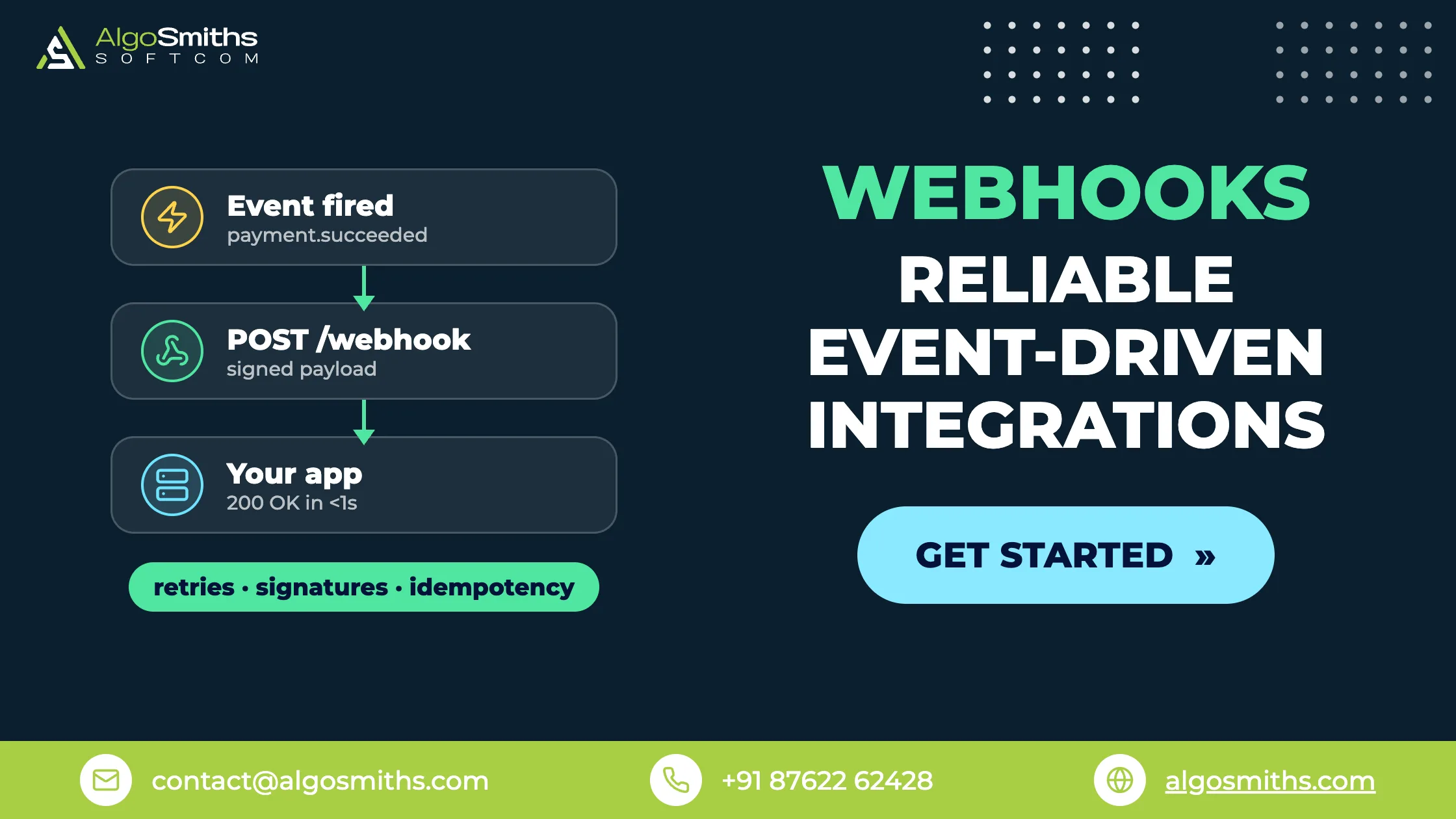
Webhooks for Startups: A Founder's Guide to Building Reliable Event-Driven Integrations in 2026
Webhooks are how modern software talks to itself — the quiet layer that fires when a payment succeeds, a user signs up, or a subscription lapses. This founder-friendly guide explains what webhooks are, how they differ from polling and APIs, and how to send and receive them reliably without losing events or leaking data. You'll get practical patterns for signatures, retries, and idempotency, a build-vs-buy comparison, and a checklist you can apply this week.
Samrat
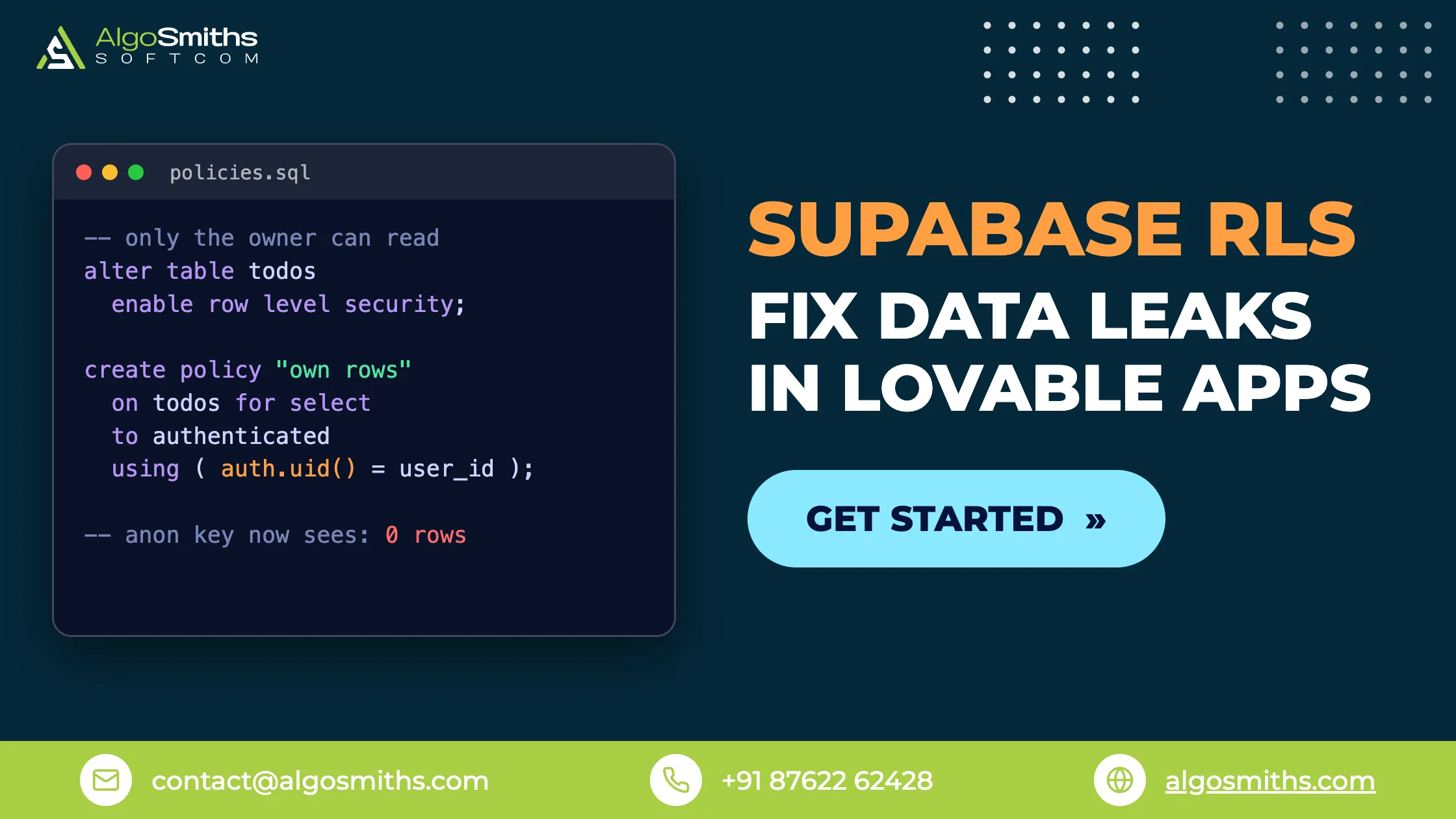
Supabase Row Level Security: Fix Data Leaks in Lovable Apps
Supabase Row Level Security for Lovable apps: how tables end up exposed to the anon key, how to test yours in ten minutes, and policies that fix it.
Samrat
When Not to Use Django (And What to Use Instead)
Django is widely recognized for its “batteries-included” philosophy, enabling rapid web application development with features like authentication, ORM, admin interface, and more out of the box. It’s a fantastic choice for monolithic web apps, content-heavy platforms, and admin dashboards.
Samrat
Django vs Node.js: Why Django Is Still the Smarter Choice for Backend Development in 2025
Choosing the right backend framework can make or break your product — especially if you’re a startup founder with limited time and resources.
Samrat
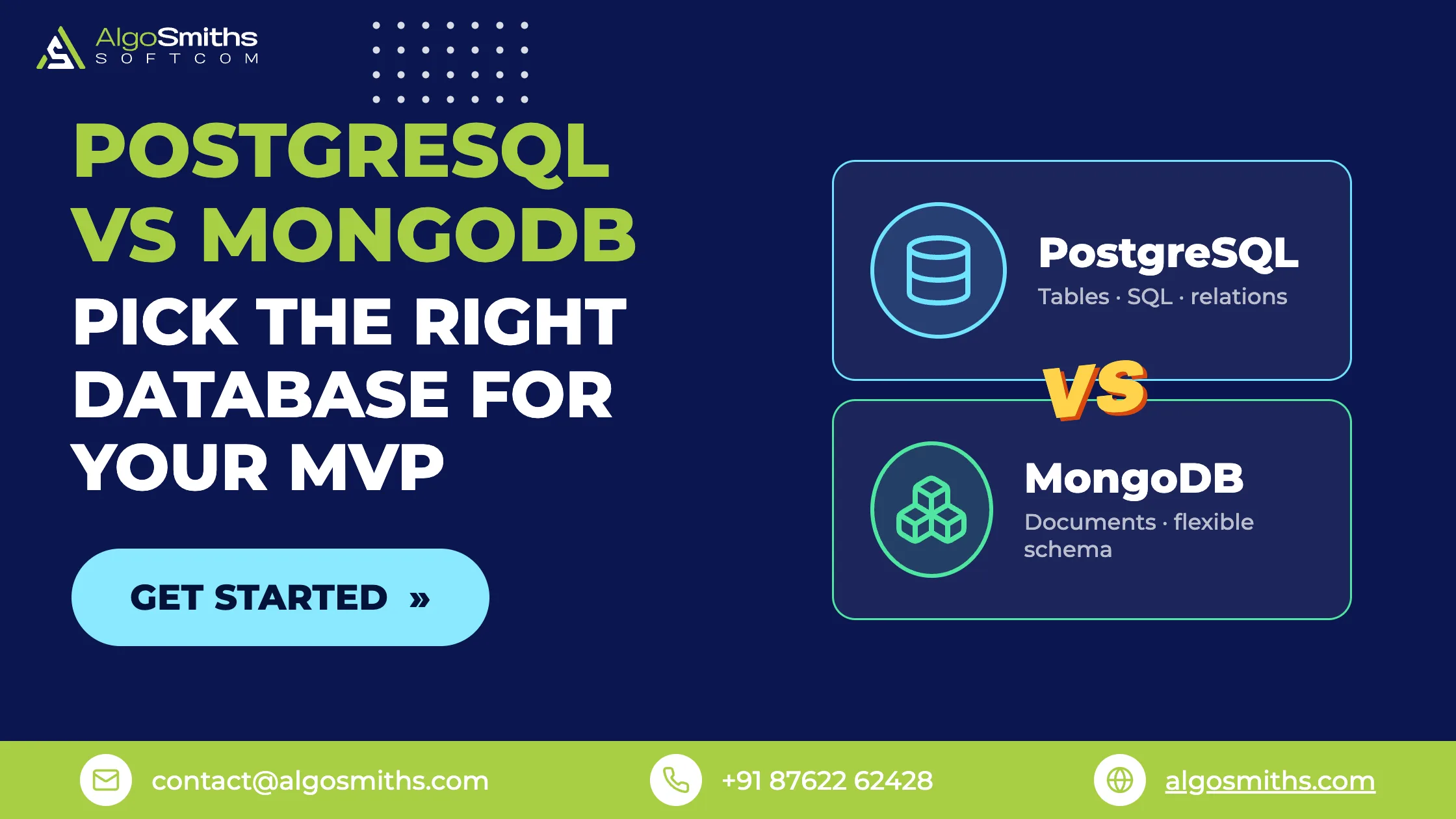
PostgreSQL vs MongoDB for Startups: Which Database Should You Choose for Your MVP in 2026?
Choosing between PostgreSQL and MongoDB is one of the first architecture decisions that shapes how fast you can ship and how painful your first scaling headache will be. This founder-friendly guide breaks down how relational and document databases actually work, compares them head-to-head on the factors that matter to an early-stage team, and gives you a practical framework for picking the right one for your MVP in 2026. You'll also learn why Postgres's JSONB support and the pgvector extension are quietly closing the gap that once made NoSQL the default pick for fast-moving startups.
Samrat
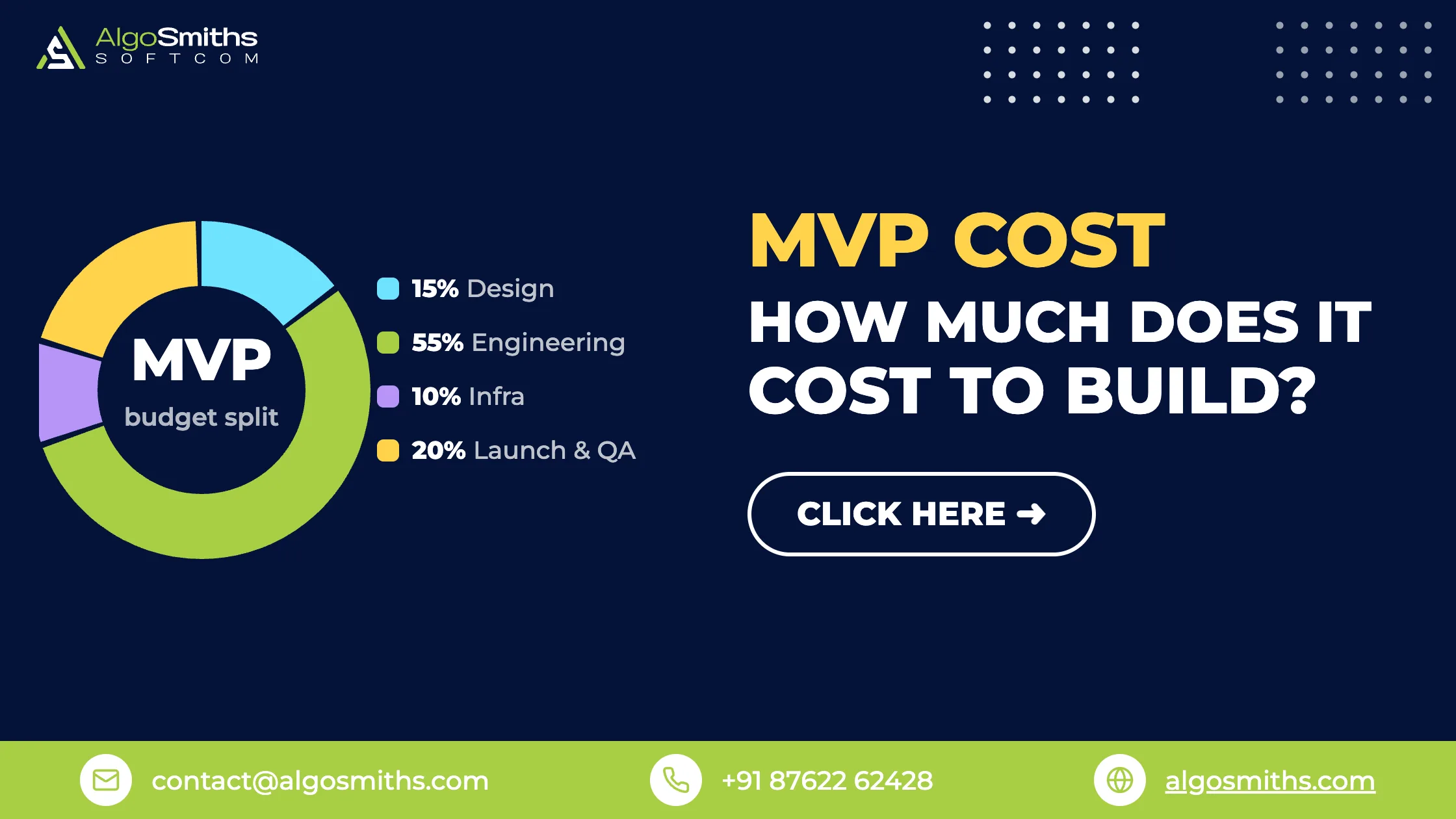
How Much Does It Cost to Build an MVP in 2026? A Founder's Complete Pricing Guide
Wondering what it really costs to build an MVP in 2026? This founder-friendly guide breaks down MVP pricing across freelancers, agencies, and in-house teams, with realistic cost ranges by feature and complexity. Learn where budgets quietly leak, how to scope for a fixed price, and how to ship a market-ready product without burning your runway.