
Category: All

Securing Supabase Storage Buckets: Private Files and Signed URLs
Securing Supabase Storage buckets: when to use public or private, how signed URLs really behave behind the CDN, and policies that stop file leaks.
Samrat
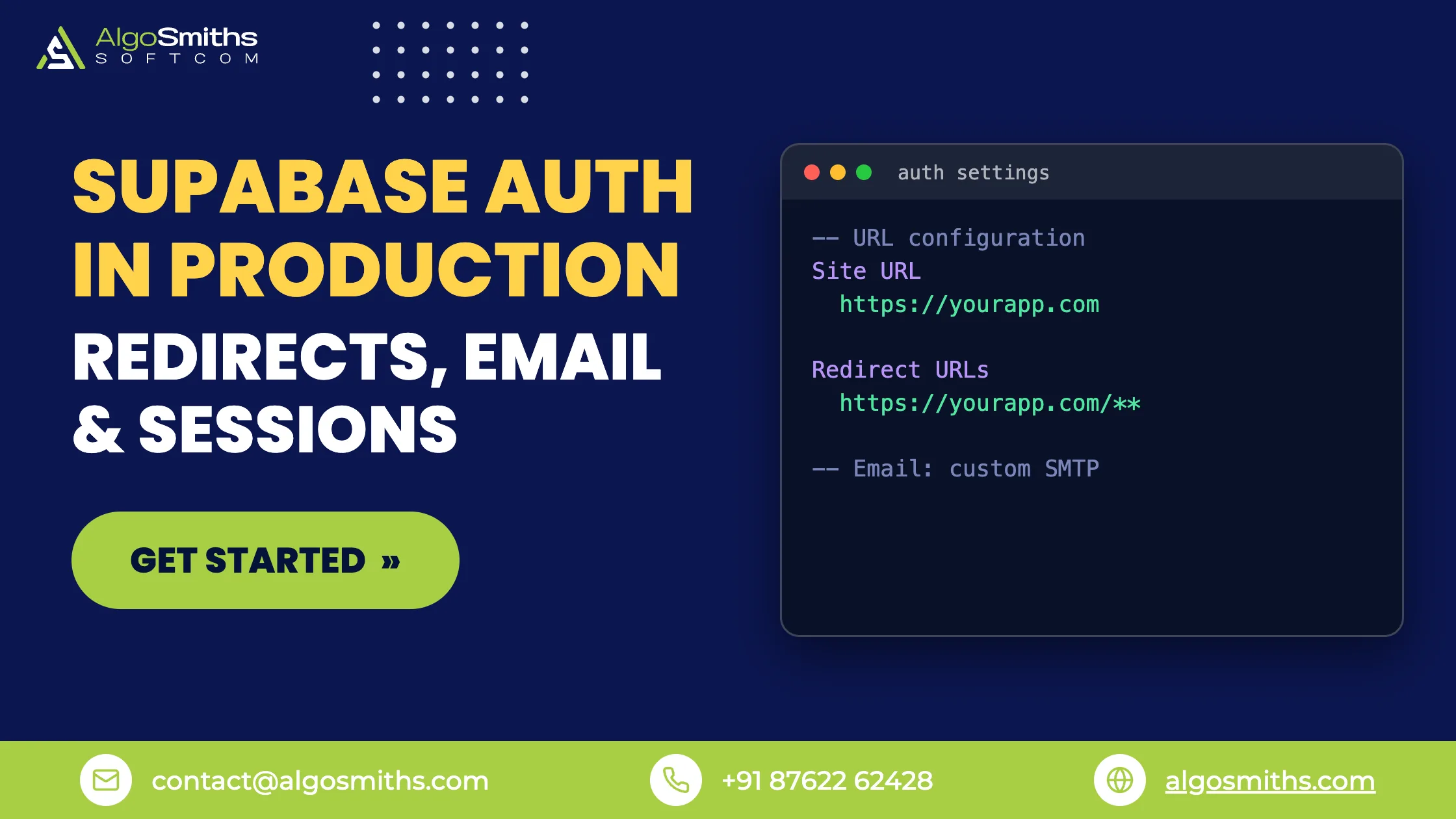
Supabase Auth in Production: Redirects, Email and Sessions
Supabase Auth in production: fix redirect URLs, confirmation emails, OAuth setup and session settings before real users try to sign in.
Samrat

Authentication for SaaS Startups: A Founder's Guide to Auth, SSO, and API Security in 2026
Every SaaS product runs on one invisible layer that decides who gets in and what they can touch: authentication and authorization. Get these wrong and you inherit account-takeover risk, tenant data leaks, and a security review that can stall an enterprise deal or a funding round. This founder-friendly guide breaks down sessions, JWTs, OAuth, and SSO in plain terms, shows you how to design role-based access control for a multi-tenant product, and gives you a practical roadmap for hardening auth as you grow from first user to first enterprise contract.
Samrat
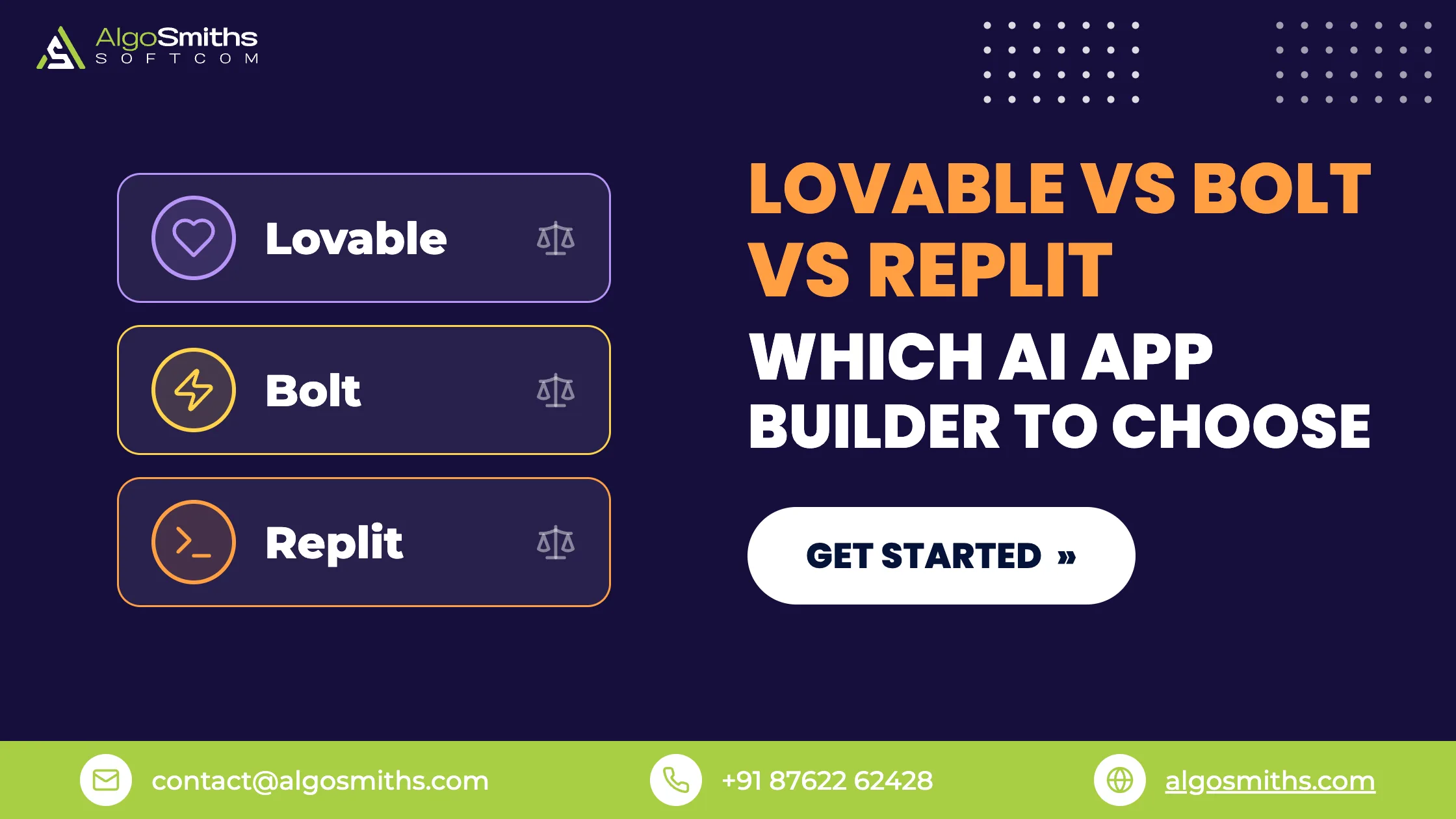
Lovable vs Bolt vs Replit: Which AI App Builder to Choose
Lovable vs Bolt vs Replit compared on price, backend, code export and mobile, so you can pick the right AI app builder for your product.
Samrat
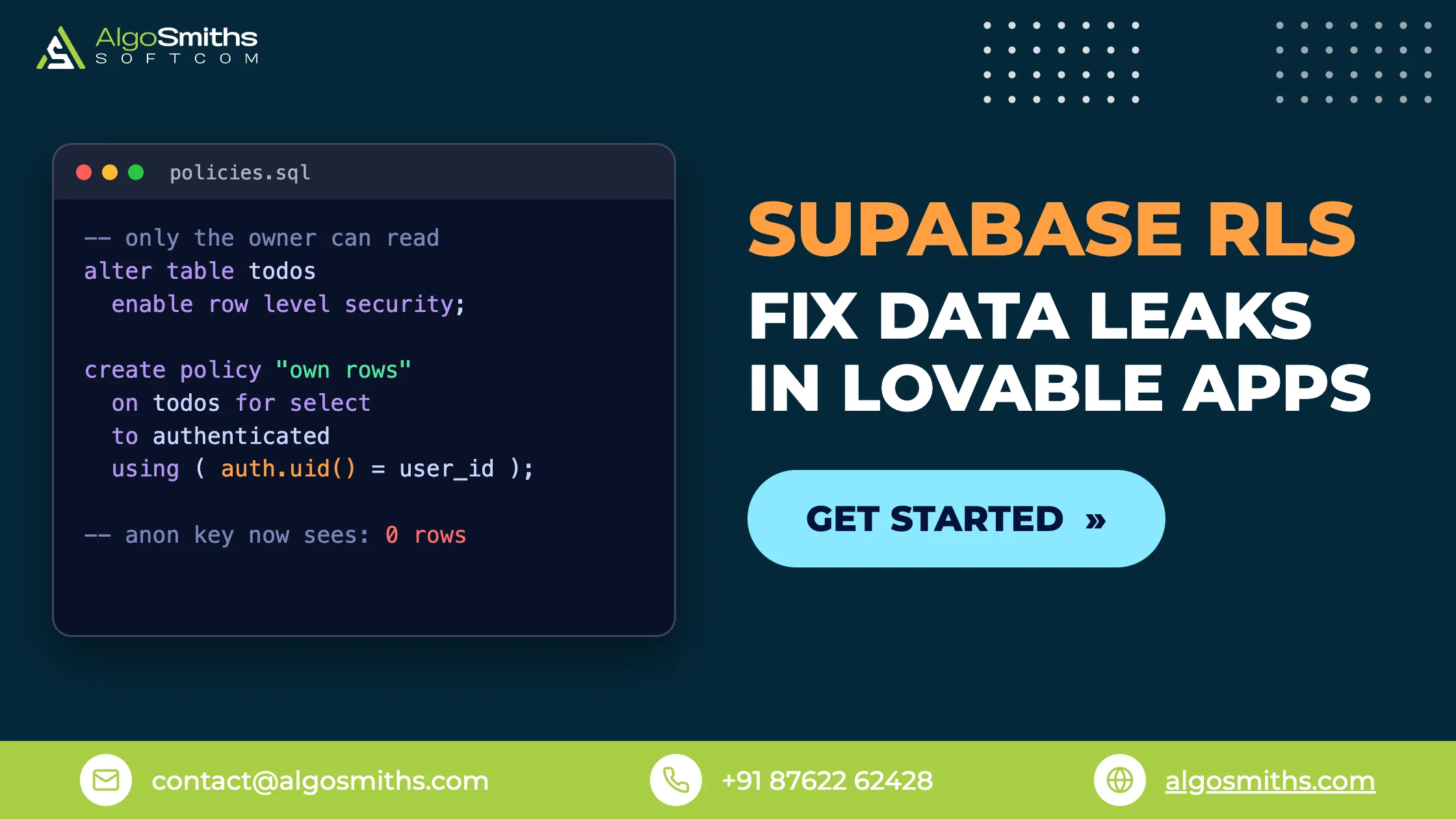
Supabase Row Level Security: Fix Data Leaks in Lovable Apps
Supabase Row Level Security for Lovable apps: how tables end up exposed to the anon key, how to test yours in ten minutes, and policies that fix it.
Samrat
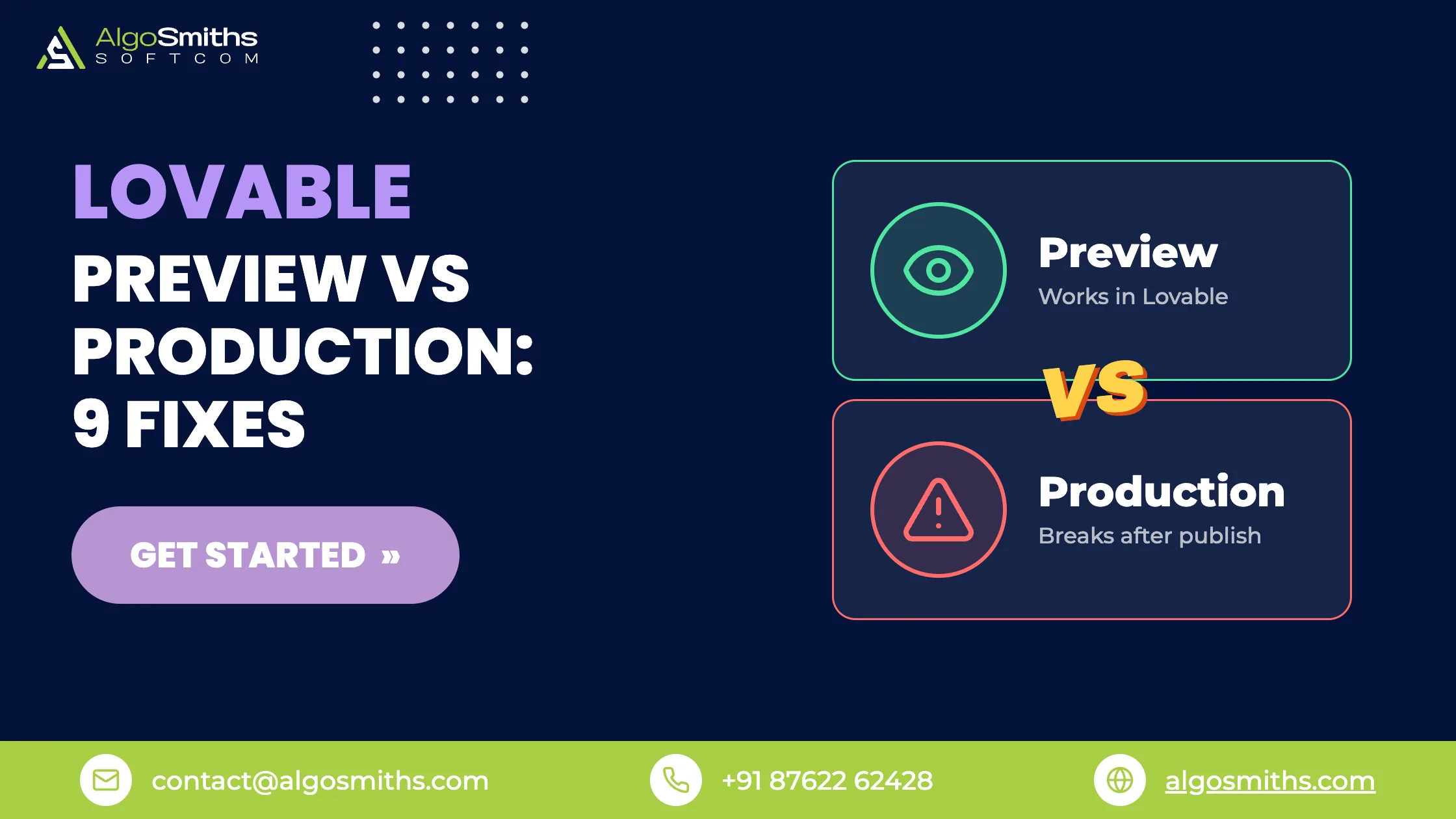
Lovable Preview vs Production: 9 Fixes for Founders
Your Lovable preview works but production breaks. Diagnose and fix the nine most common causes, from missed republishes to Stripe live-mode keys.
Samrat
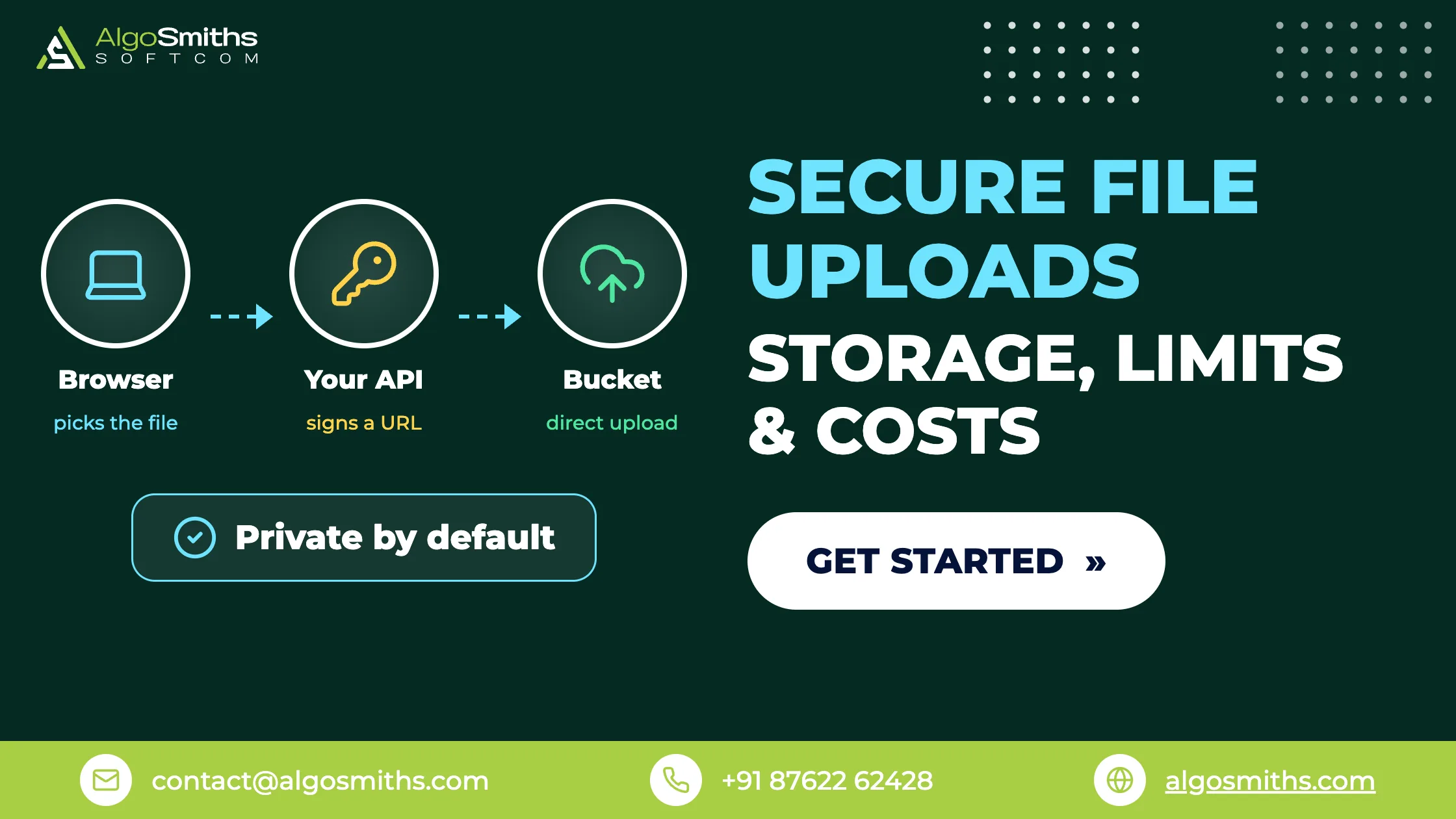
Secure File Uploads for SaaS: Storage, Limits and Costs
Secure file uploads for SaaS: where to store files, how to sign uploads, what limits to set, and how to keep storage costs predictable.
Samrat
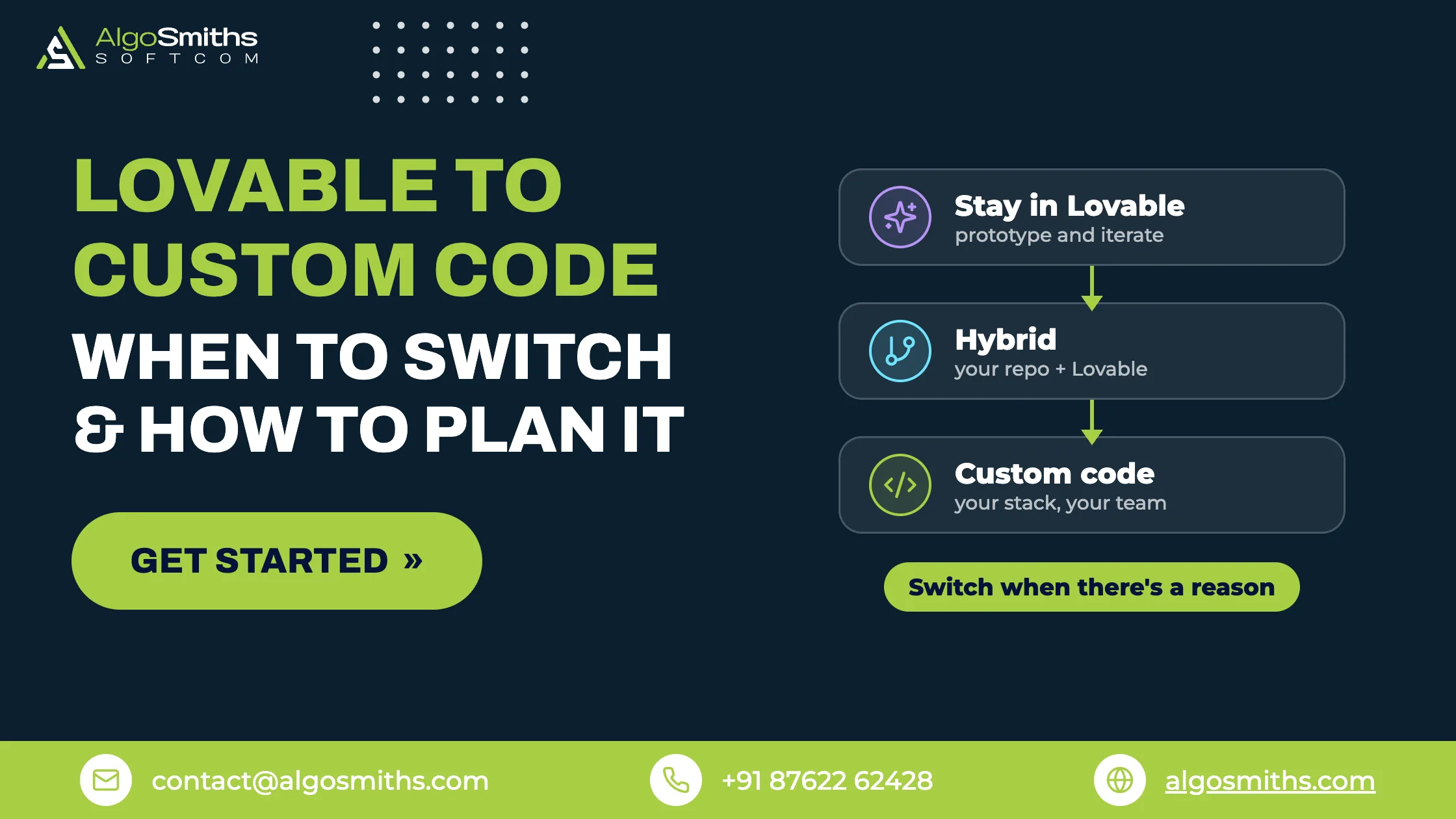
Lovable to Custom Code: When to Switch and How to Plan It
When to keep building in Lovable and when to move to custom code, with the signals that justify a migration and a four-step plan that avoids a rewrite.
Samrat
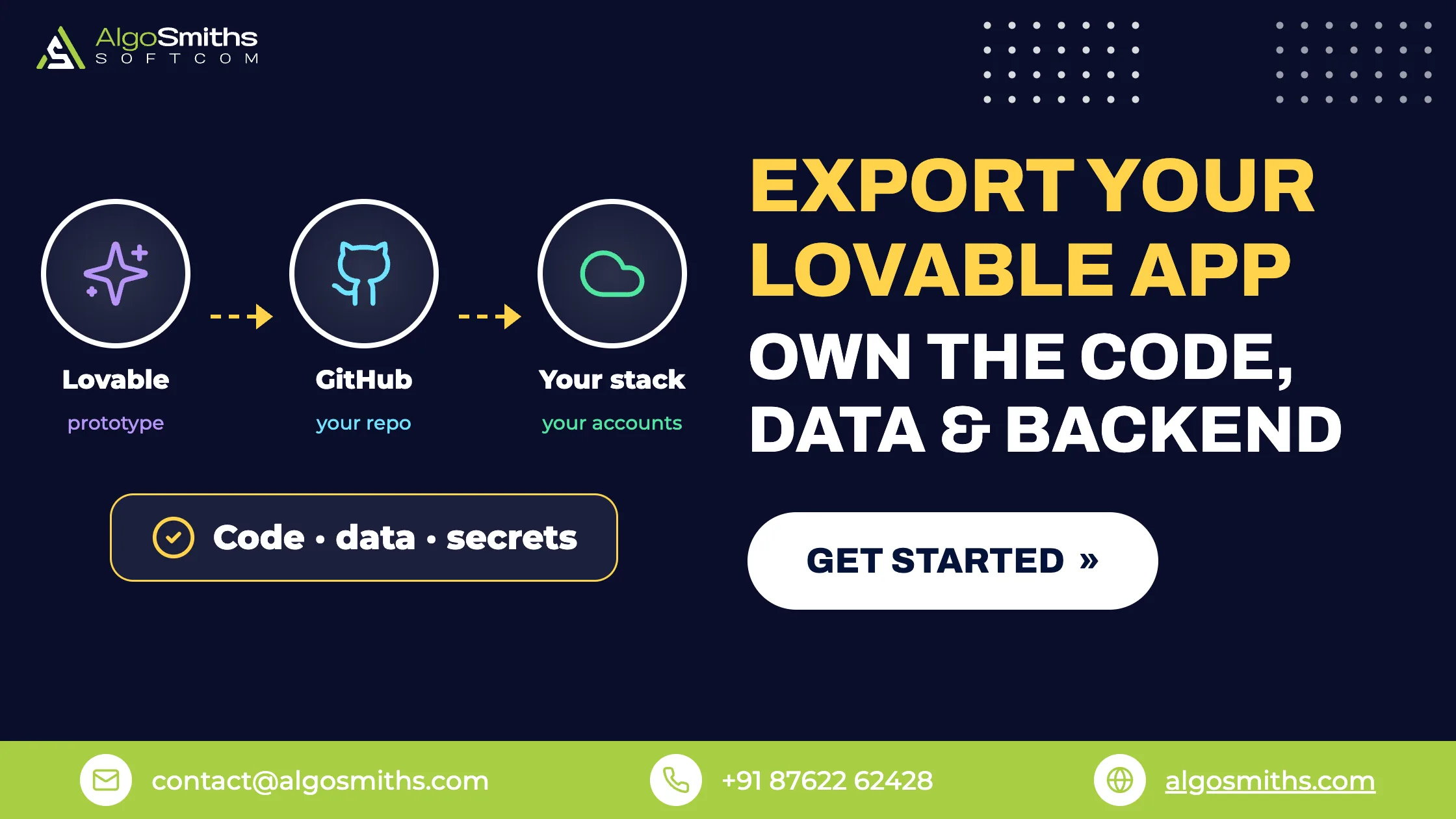
Export Your Lovable App: Own the Code, Data and Backend
Export your Lovable app to GitHub, see what the repo leaves behind, and move the database, secrets and hosting without breaking the live site.
Samrat

Secrets Management for Startups: A Founder's Guide to Handling API Keys, Environment Variables, and Credentials Safely in 2026
Every startup runs on a pile of API keys, database passwords, and tokens — and one leaked secret can drain your cloud budget or expose customer data overnight. This founder-friendly guide explains what secrets management is, why .env files stop being enough as you grow, and how to store, rotate, and audit credentials safely. You'll get practical patterns, tool comparisons, and a step-by-step rollout you can ship without a dedicated security team.
Samrat
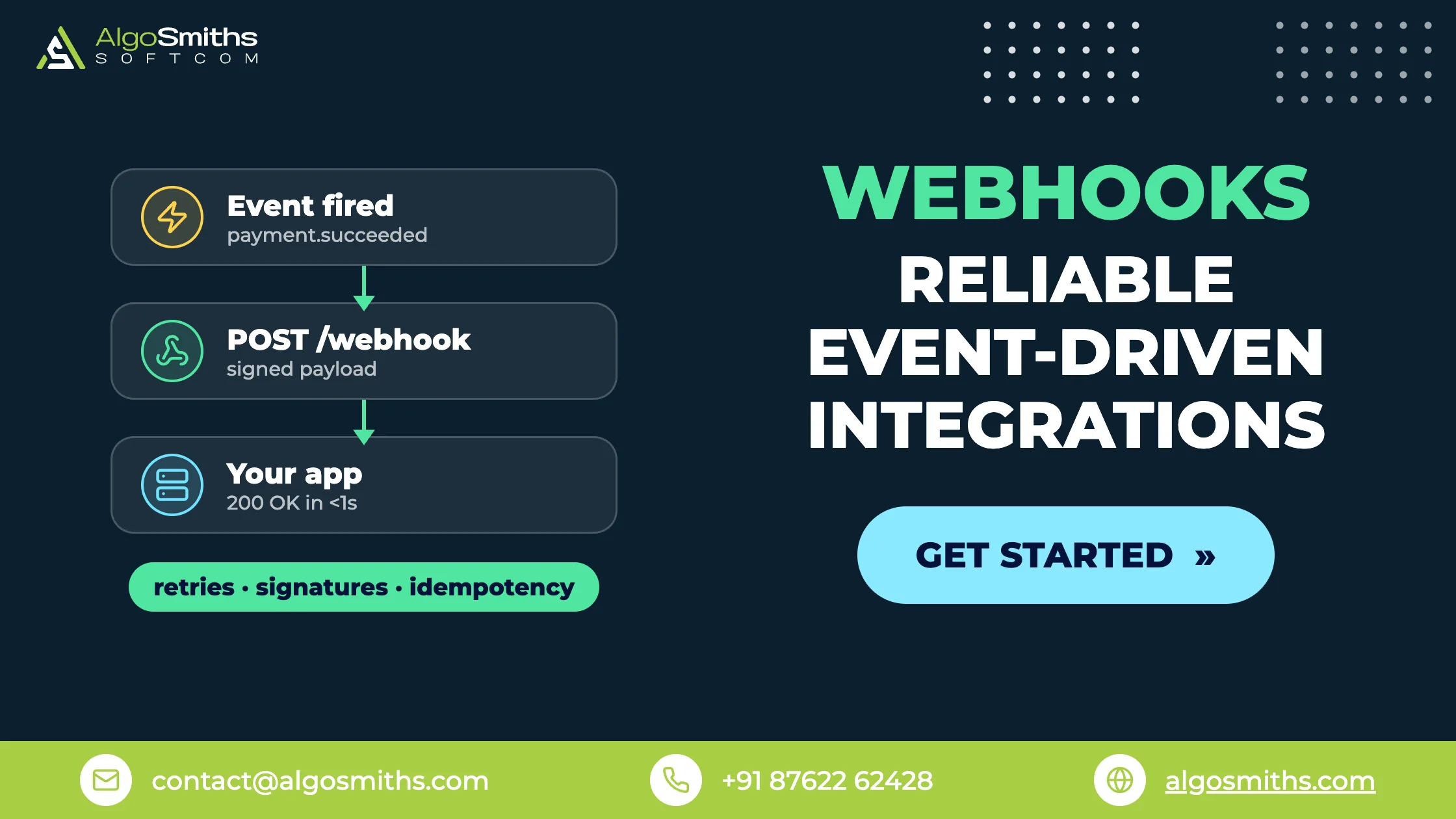
Webhooks for Startups: A Founder's Guide to Building Reliable Event-Driven Integrations in 2026
Webhooks are how modern software talks to itself — the quiet layer that fires when a payment succeeds, a user signs up, or a subscription lapses. This founder-friendly guide explains what webhooks are, how they differ from polling and APIs, and how to send and receive them reliably without losing events or leaking data. You'll get practical patterns for signatures, retries, and idempotency, a build-vs-buy comparison, and a checklist you can apply this week.
Samrat
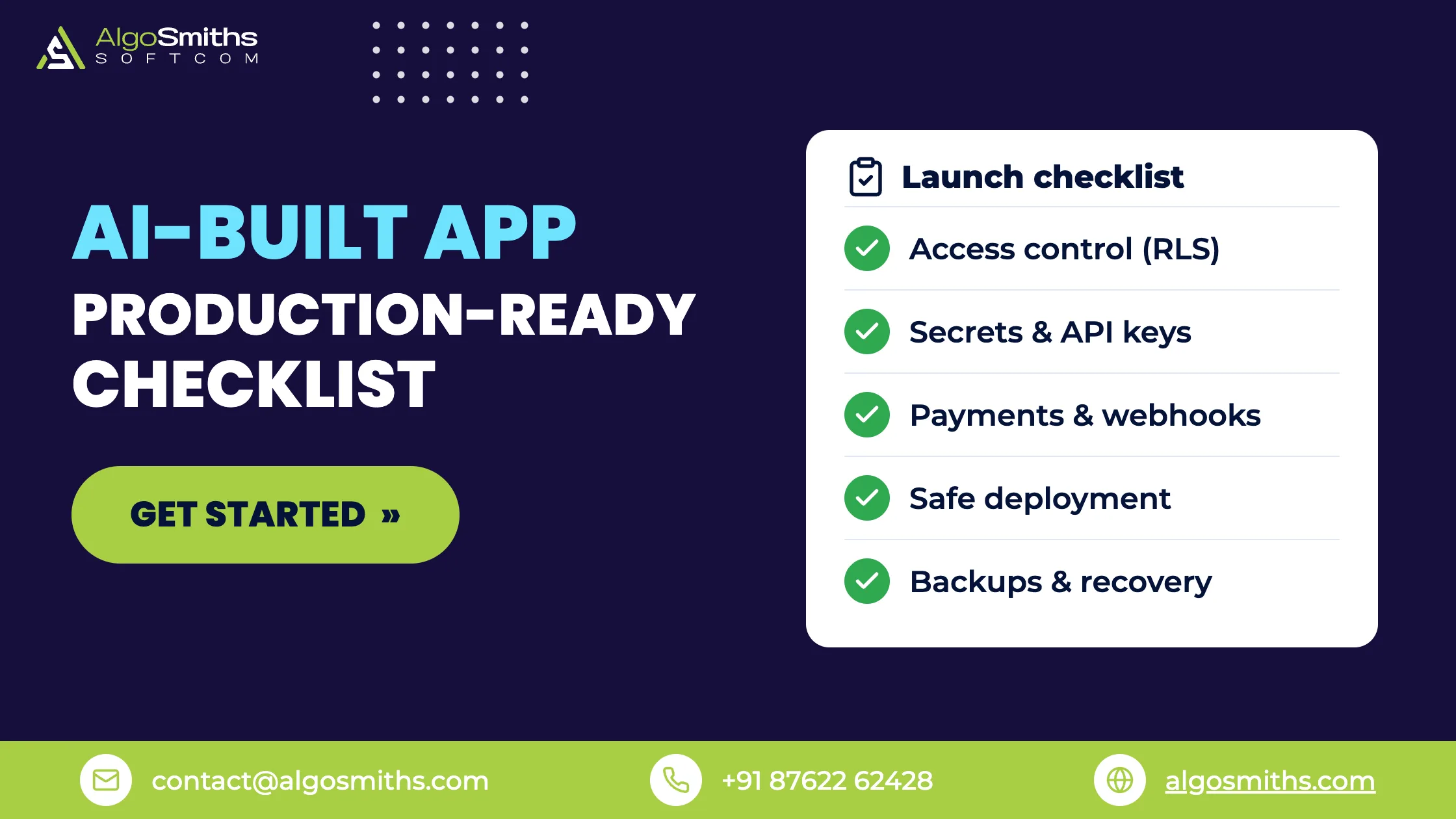
AI-Built App Production Readiness: A Founder's Launch Checklist
AI-built app production readiness explained: what to fix in a Lovable or Bolt app before real users and payments arrive, with a clear launch checklist.
Samrat
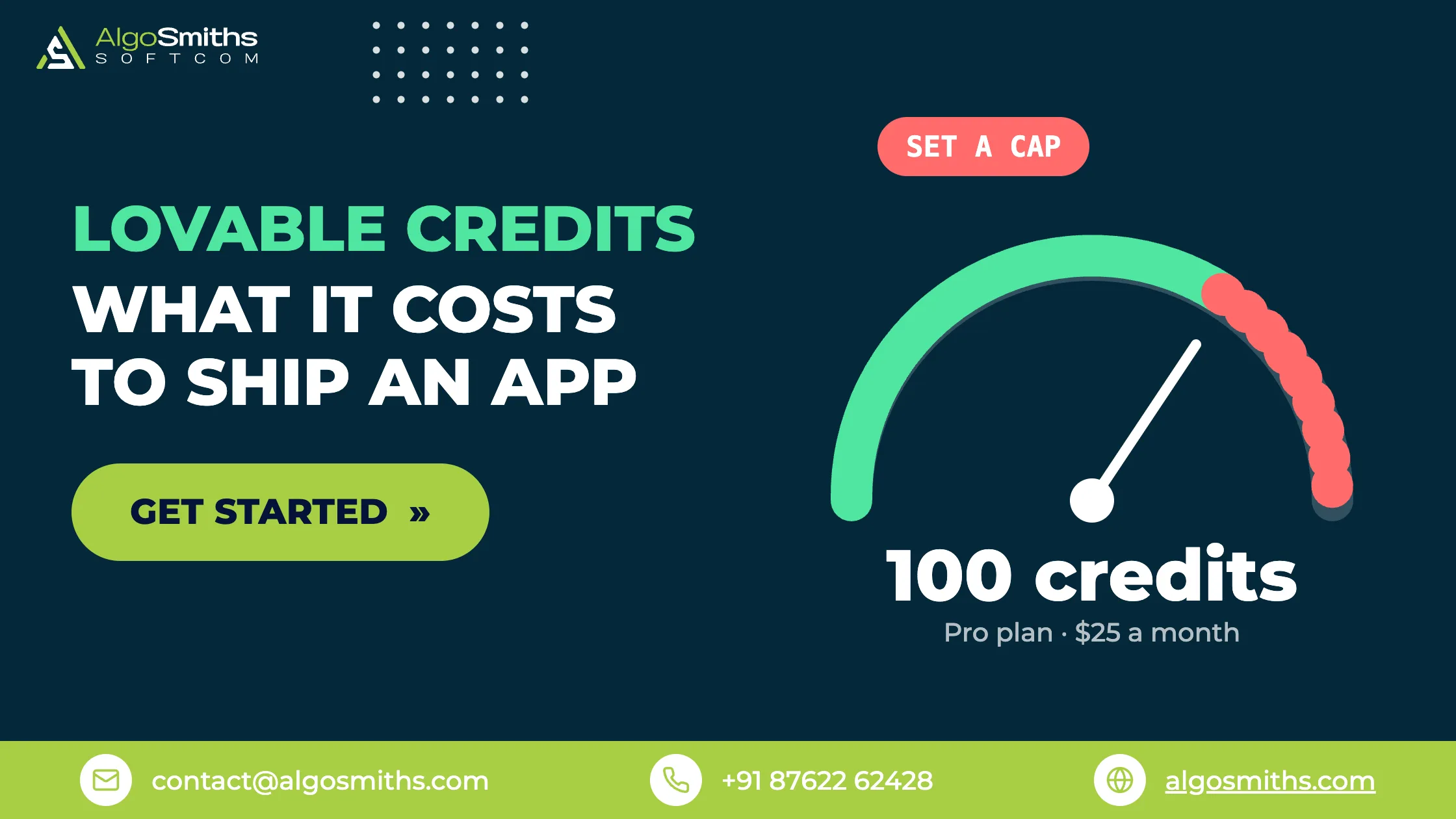
Lovable Credits Explained: What It Costs to Ship an App
Lovable credits explained: what a credit is, what plans and top-ups cost, what a single build message uses, and how to keep monthly spend predictable.
Samrat
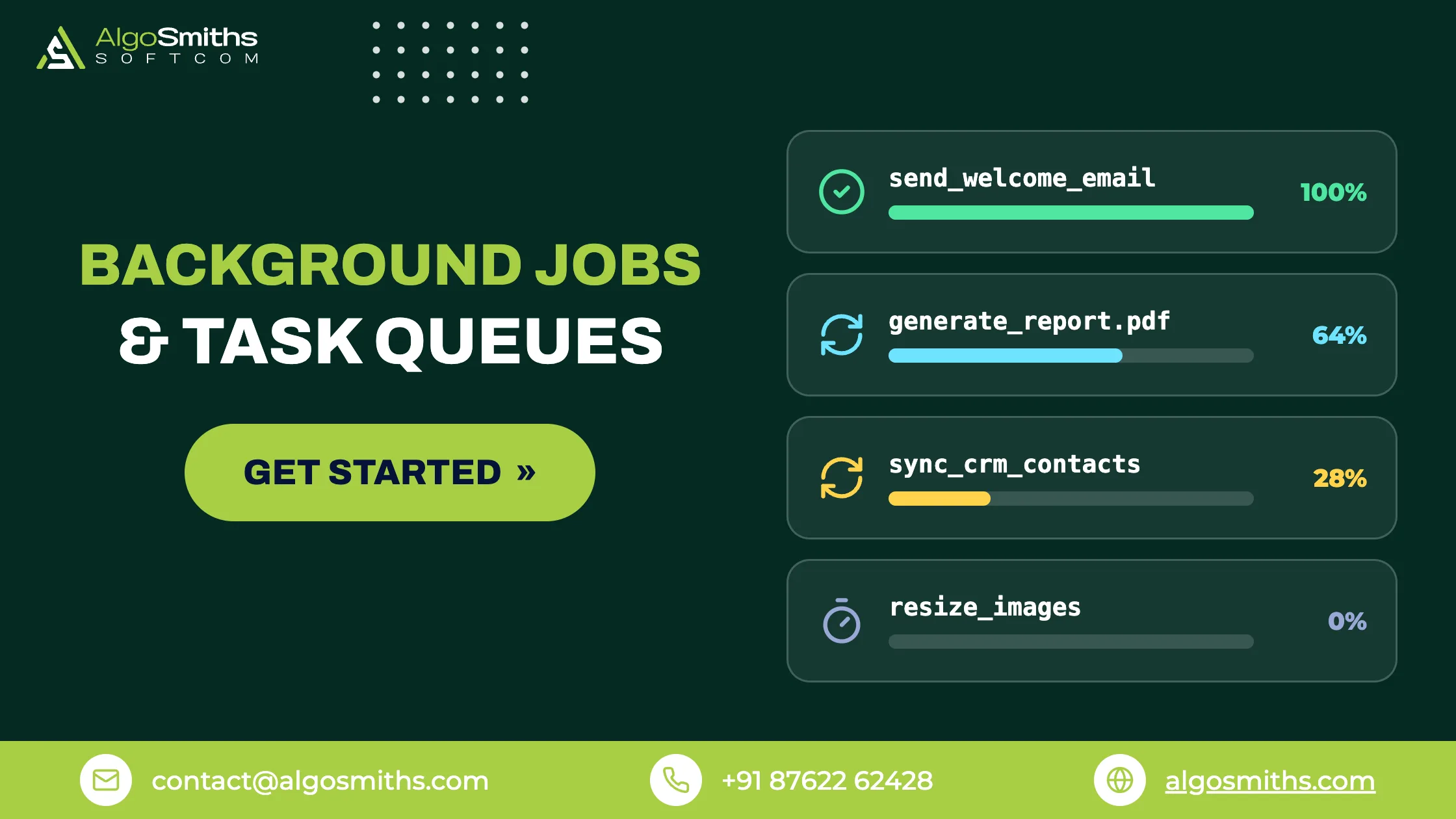
Background Jobs and Task Queues for Startups: A Founder's Guide to Doing Work Outside the Request
Some work is too slow to run while a user waits — sending emails, processing payments, generating exports, or calling an AI model. This founder-friendly guide explains background jobs and task queues in plain terms: what they are, when your product needs them, and how to add them to a Django or FastAPI backend without over-engineering. You'll get a Celery vs. alternatives comparison, a practical implementation roadmap, and the reliability mistakes that quietly cost startups data and trust.
Samrat

Transactional Email for Startups: Reach the Inbox, Not Spam
Transactional email for startups: how to set up SPF, DKIM and DMARC, pick a provider and keep signup and password reset emails out of spam.
Samrat

From Idea to MVP: A Startup Product Guide for Non-Tech Founders
Learn how to turn your startup idea into a working product without being a developer. A step-by-step guide for non-tech founders to build and launch an MVP.
Samrat
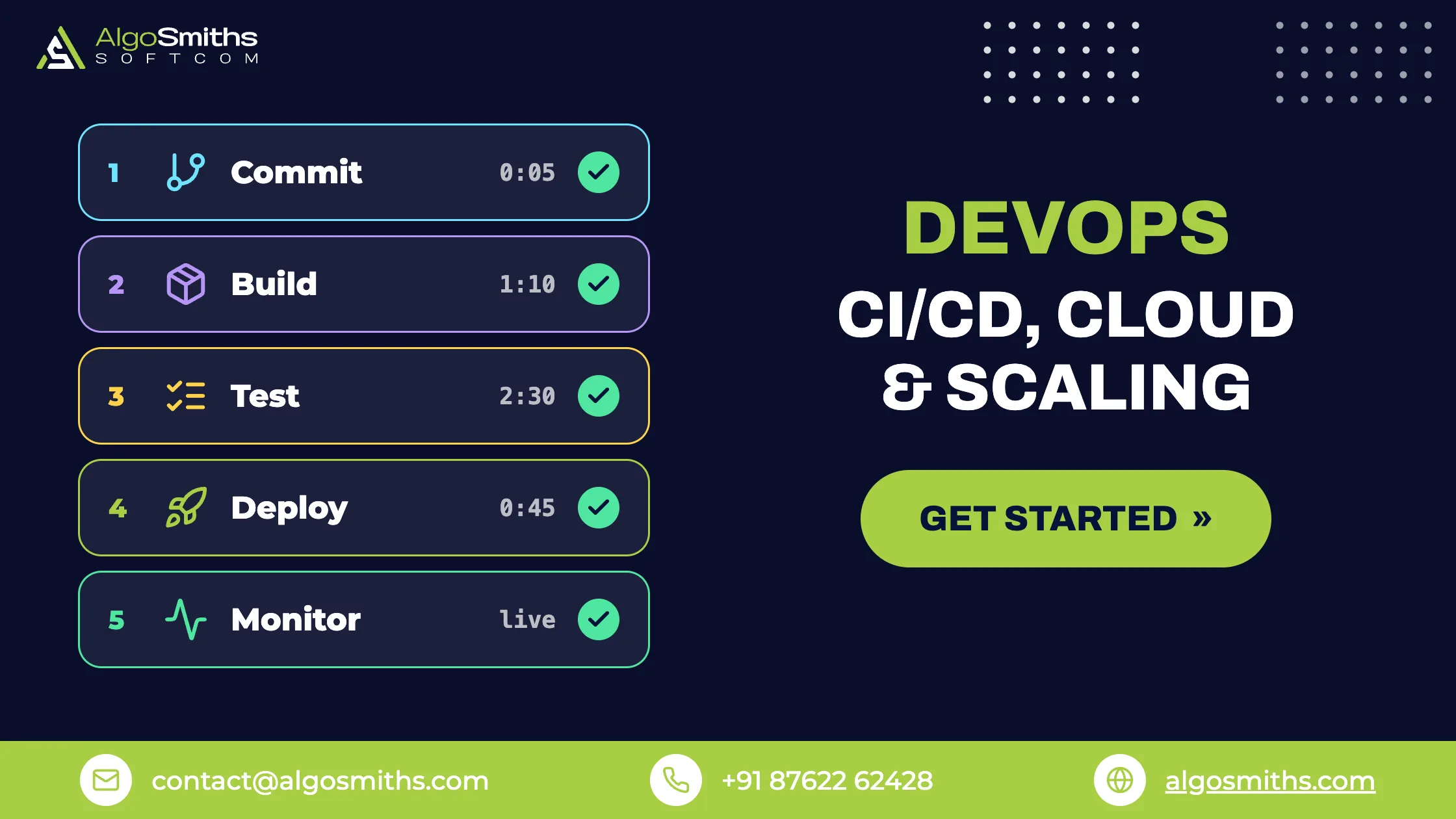
DevOps for Startups: A Practical Guide to CI/CD, Cloud Infrastructure, and Scaling Without a Dedicated Team
Most startups don't need a full DevOps team on day one — they need the right habits. This guide shows founders how to build a lean CI/CD pipeline, choose between serverless and containers, and keep cloud costs under control without hiring a dedicated DevOps engineer. Expect practical steps, a tool comparison, and a founder-friendly checklist you can act on this week.
Samrat

Technical Due Diligence for Startups: What Investors Check Before They Fund You
Before a term sheet gets signed, most investors quietly stress-test your codebase, infrastructure, and engineering team. This founder-friendly guide breaks down exactly what technical due diligence covers, the red flags that spook investors, and a practical checklist to prepare your startup so the review strengthens your deal instead of stalling it.
Samrat
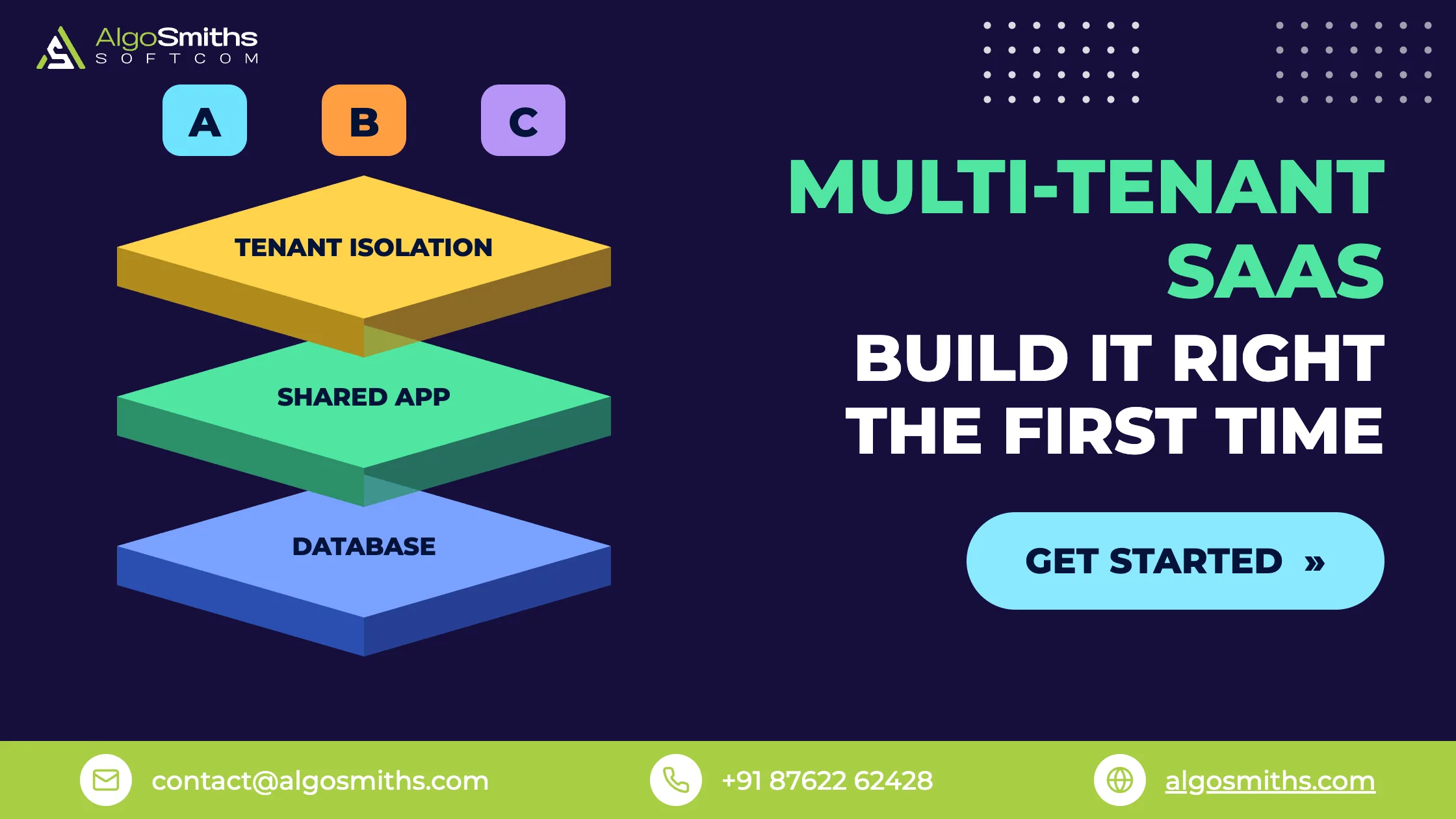
Multi-Tenant SaaS Architecture: A Founder's Guide to Building It Right the First Time
Building a multi-tenant SaaS product means locking in foundational architecture decisions before you write your first line of code. This guide breaks down the three core multi-tenancy models, shows you how to choose between shared and isolated databases, and highlights the security and scaling mistakes that force a costly rewrite later. Whether you're scoping your first B2B MVP or preparing to onboard your first enterprise customer, this is the practical framework to get your architecture right the first time.
Samrat
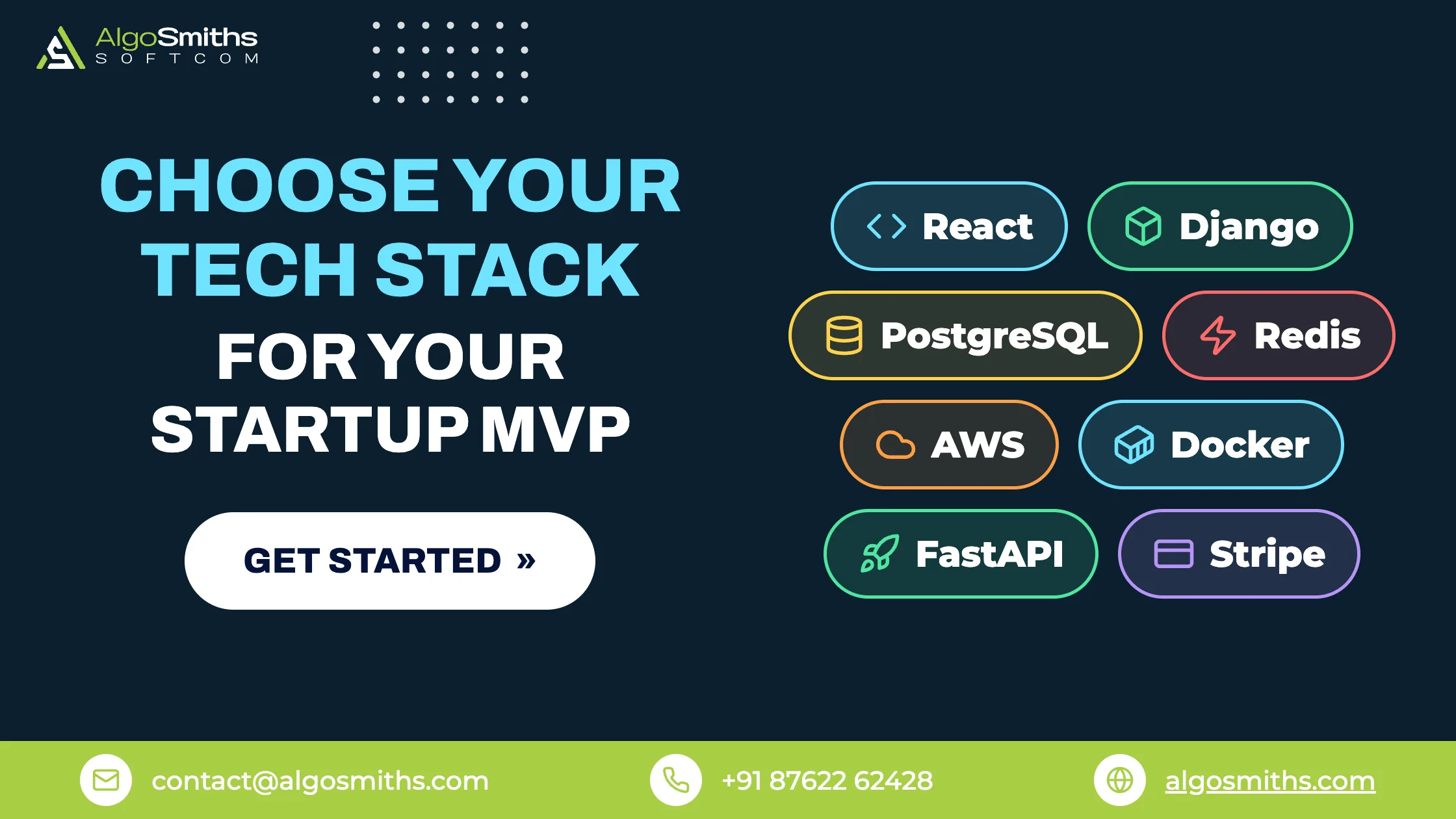
How to Choose the Right Tech Stack for Your Startup MVP in 2026
Choosing a tech stack is one of the earliest and most expensive decisions a founder makes. This practical guide walks you through how to pick the right frontend, backend, database, and cloud setup for your MVP in 2026 — with real comparisons, common mistakes to avoid, and a decision framework you can apply this week.