
Category: Software & SaaS Solutions

What Is Full-Stack Development?
Full-Stack development covers both the Front-End Development also known as Client-Side which is the user-facing part of the application, focusing on design, visuals, and interactive elements and Backend Development as known as Server-Side which is the behind-the-scenes architecture that powers the application, including logic, data handling, and server interactions.
Anagha Masane
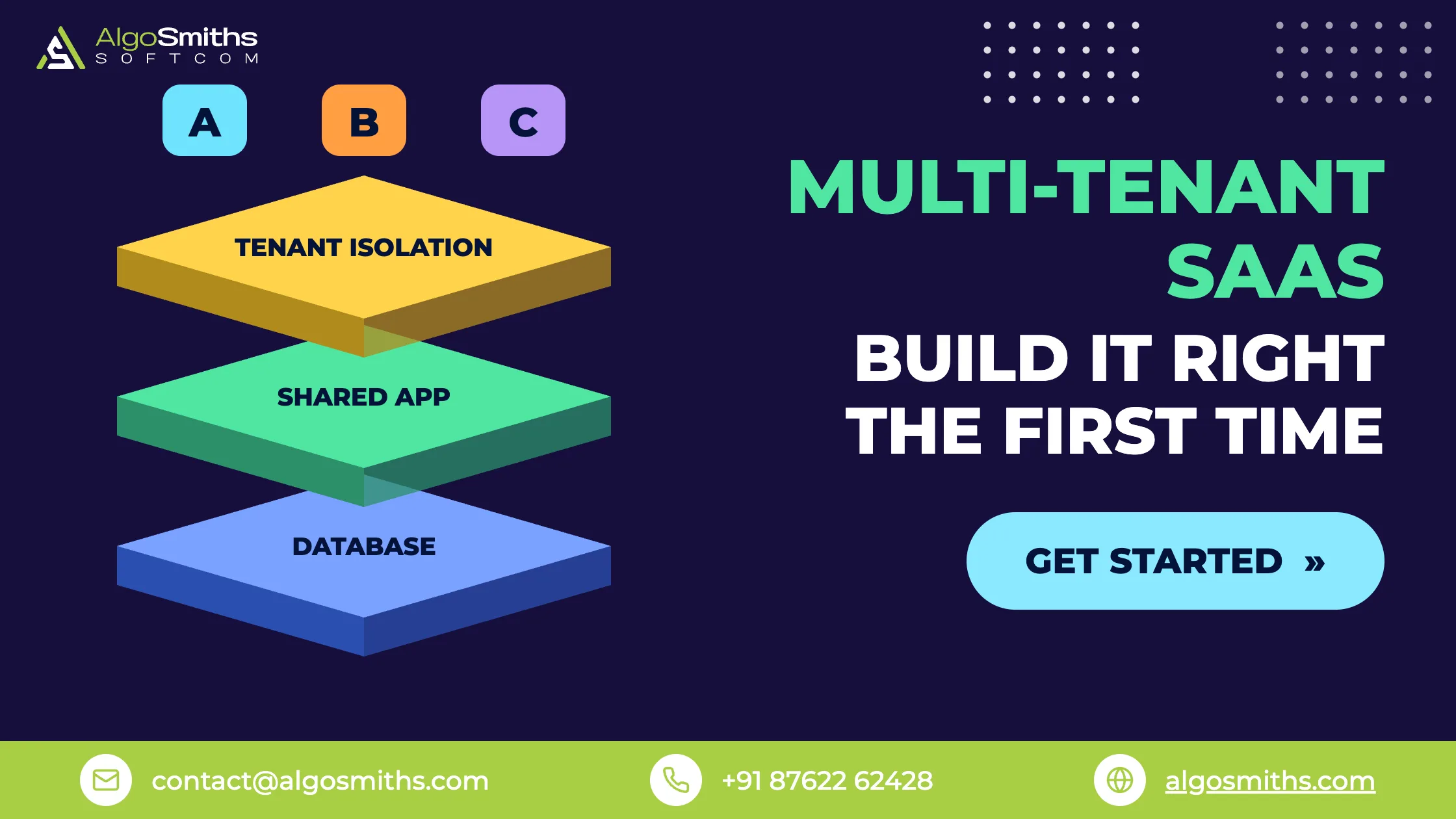
Multi-Tenant SaaS Architecture: A Founder's Guide to Building It Right the First Time
Building a multi-tenant SaaS product means locking in foundational architecture decisions before you write your first line of code. This guide breaks down the three core multi-tenancy models, shows you how to choose between shared and isolated databases, and highlights the security and scaling mistakes that force a costly rewrite later. Whether you're scoping your first B2B MVP or preparing to onboard your first enterprise customer, this is the practical framework to get your architecture right the first time.
Samrat
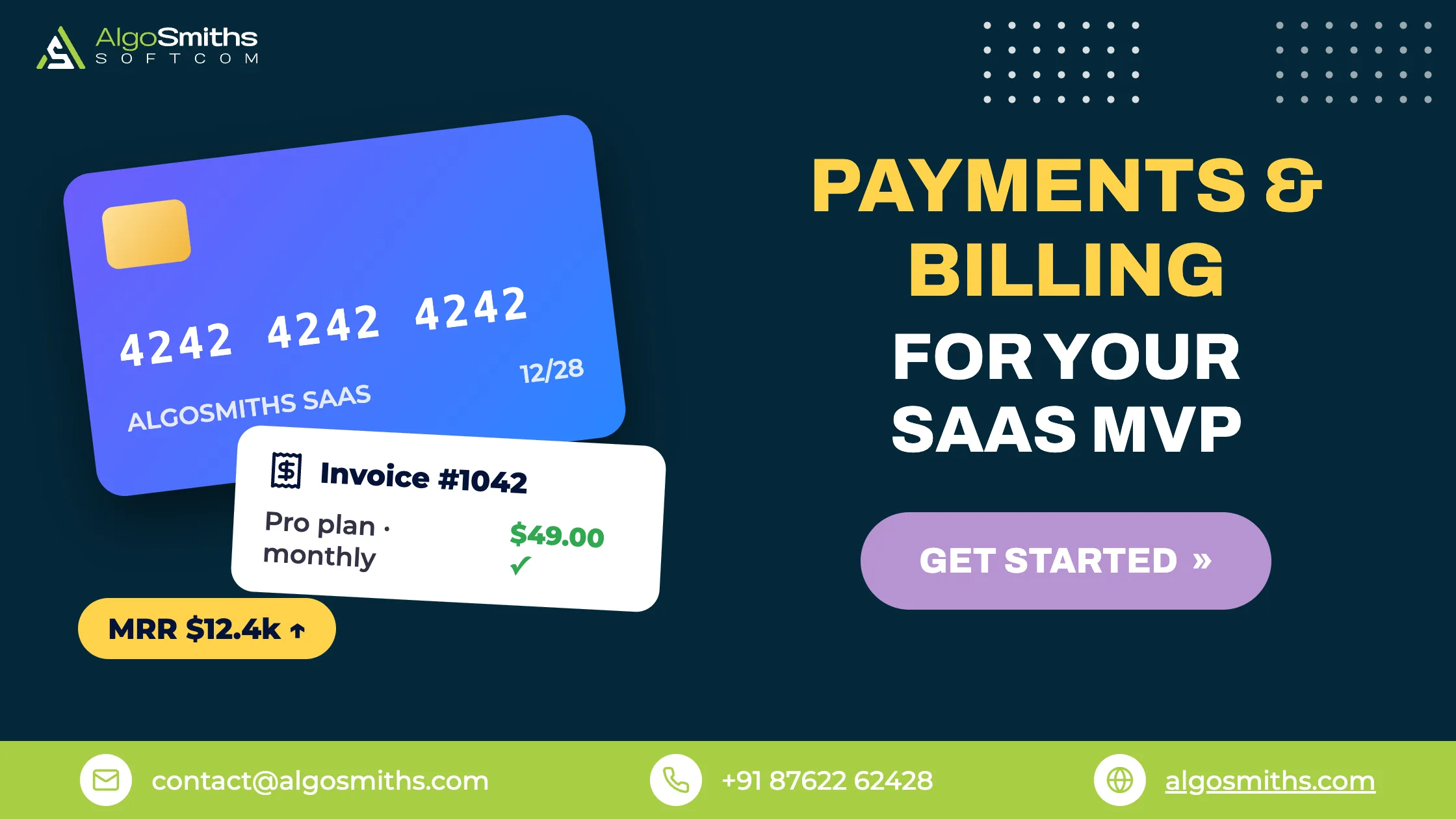
How to Add Payments and Subscription Billing to Your SaaS MVP: A Founder's Guide
Payments are the moment your SaaS stops being a side project and starts being a business — but billing is also where founders lose the most time to avoidable complexity. This founder-friendly guide walks you through choosing a payment provider, modelling subscriptions the right way, handling failed payments and dunning, and building billing that scales without a rewrite. You'll get a provider comparison, an implementation roadmap, and the mistakes that quietly cost startups revenue.
Samrat

Authentication for SaaS Startups: A Founder's Guide to Auth, SSO, and API Security in 2026
Every SaaS product runs on one invisible layer that decides who gets in and what they can touch: authentication and authorization. Get these wrong and you inherit account-takeover risk, tenant data leaks, and a security review that can stall an enterprise deal or a funding round. This founder-friendly guide breaks down sessions, JWTs, OAuth, and SSO in plain terms, shows you how to design role-based access control for a multi-tenant product, and gives you a practical roadmap for hardening auth as you grow from first user to first enterprise contract.
Samrat

Monolith vs Microservices for Startups: How to Choose the Right Architecture for Your MVP in 2026
Should your startup build a monolith or microservices? This founder-friendly guide compares both approaches, explains why a modular monolith is usually the smarter starting point for your MVP, and lays out the exact signals that tell you it's time to split into services. You'll get a practical comparison table, a step-by-step migration path, and the architecture mistakes that cost founders the most time.
Samrat
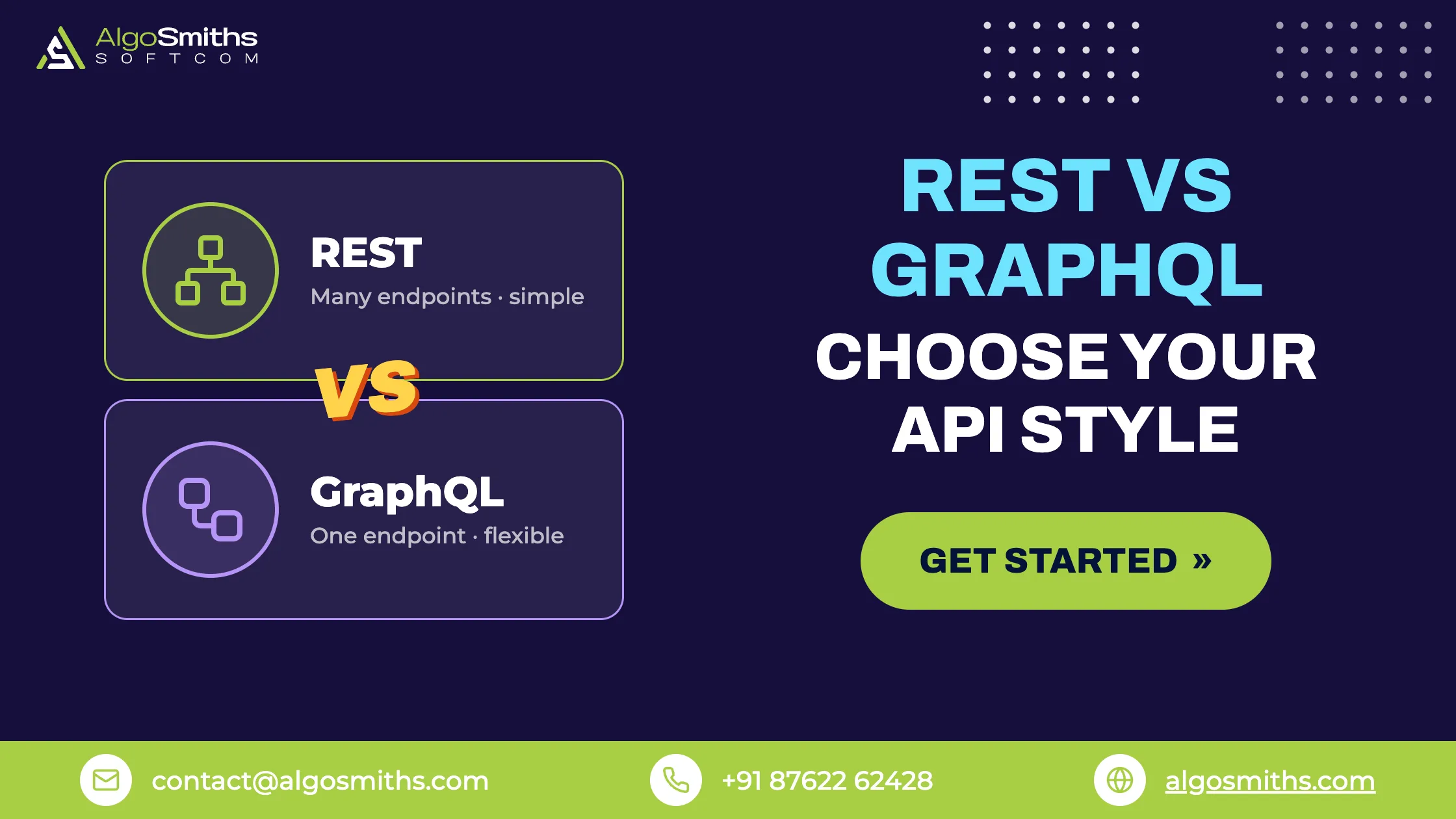
REST vs GraphQL for Startups: Which API Style Should You Choose for Your MVP in 2026?
Choosing between REST and GraphQL is one of the first architecture decisions your MVP forces on you — and the wrong call can slow every feature that follows. This founder-friendly guide breaks down how each API style actually works, where each one shines, the real trade-offs in cost and complexity, and a practical framework for picking the right one (or both) for your startup in 2026.
Samrat
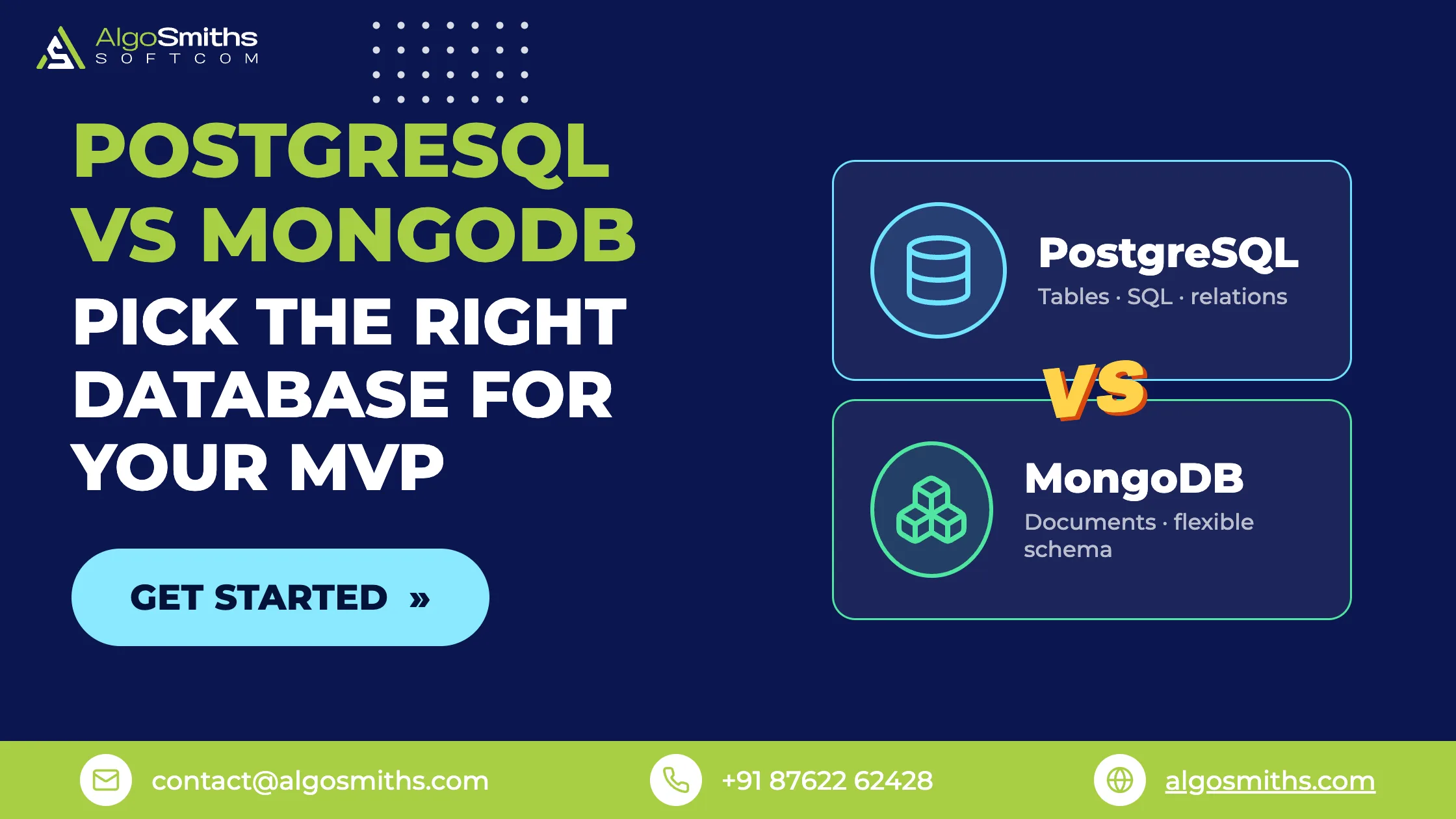
PostgreSQL vs MongoDB for Startups: Which Database Should You Choose for Your MVP in 2026?
Choosing between PostgreSQL and MongoDB is one of the first architecture decisions that shapes how fast you can ship and how painful your first scaling headache will be. This founder-friendly guide breaks down how relational and document databases actually work, compares them head-to-head on the factors that matter to an early-stage team, and gives you a practical framework for picking the right one for your MVP in 2026. You'll also learn why Postgres's JSONB support and the pgvector extension are quietly closing the gap that once made NoSQL the default pick for fast-moving startups.
Samrat
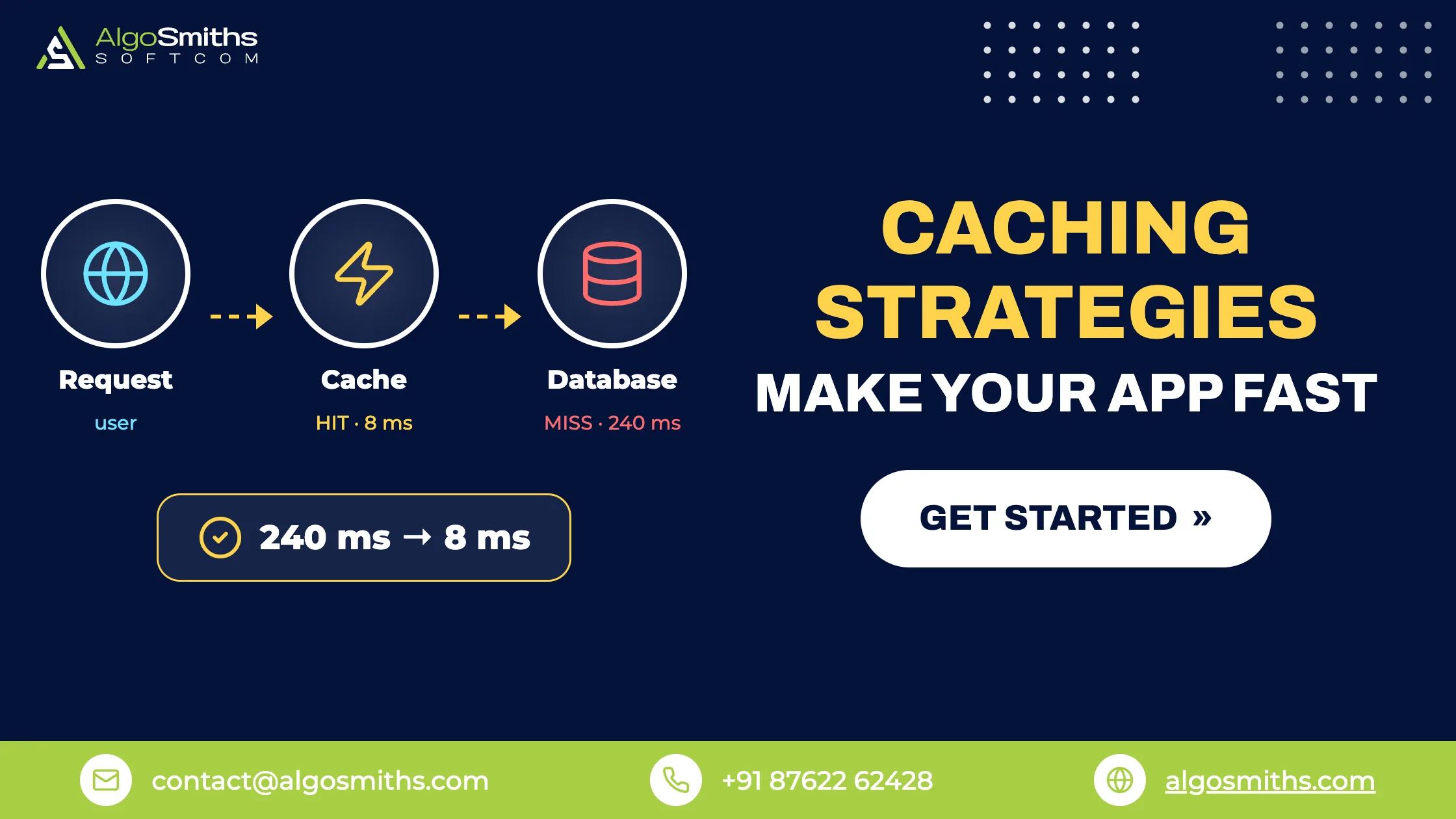
Caching Strategies for Startups: A Founder's Guide to Making Your App Fast Without a Rewrite in 2026
Slow apps lose users and burn money on oversized servers, but most startups reach for a bigger database long before they reach for a cache. This founder-friendly guide explains what caching is, where to add it, and which strategy fits your MVP. You'll get practical patterns for Redis, HTTP, and database caching, plus the mistakes that quietly corrupt your data.
Samrat
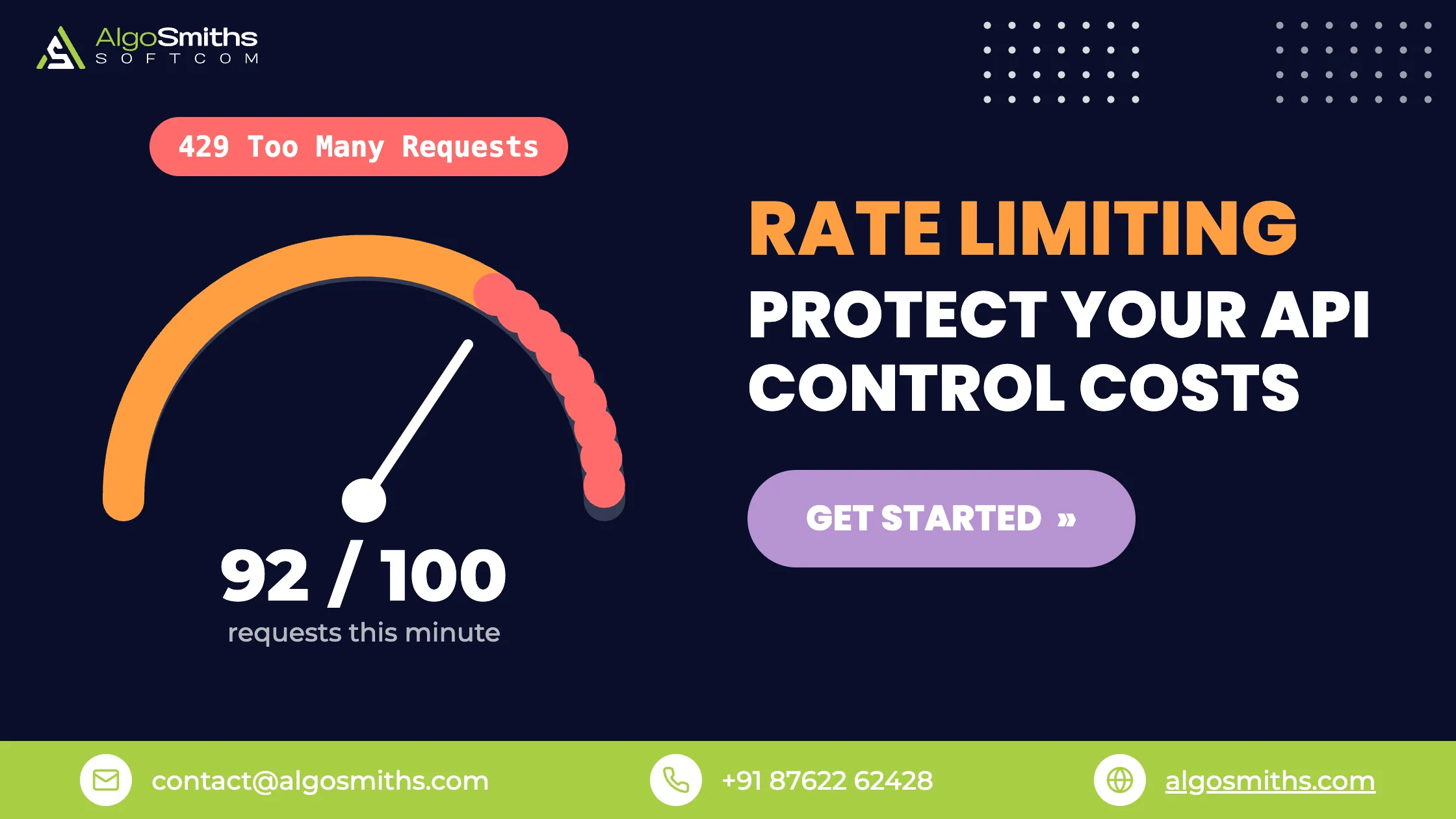
Rate Limiting for Startups: A Founder's Guide to Protecting Your API and Controlling Costs in 2026
One abusive script, a runaway integration, or a sudden traffic spike can take your app down or run up a five-figure cloud bill overnight. This founder-friendly guide explains what rate limiting is, the algorithms that power it, where to enforce it, and how to roll it out on your MVP without frustrating real users. You'll get practical examples, a comparison of the main approaches, and a checklist you can apply this week.
Samrat
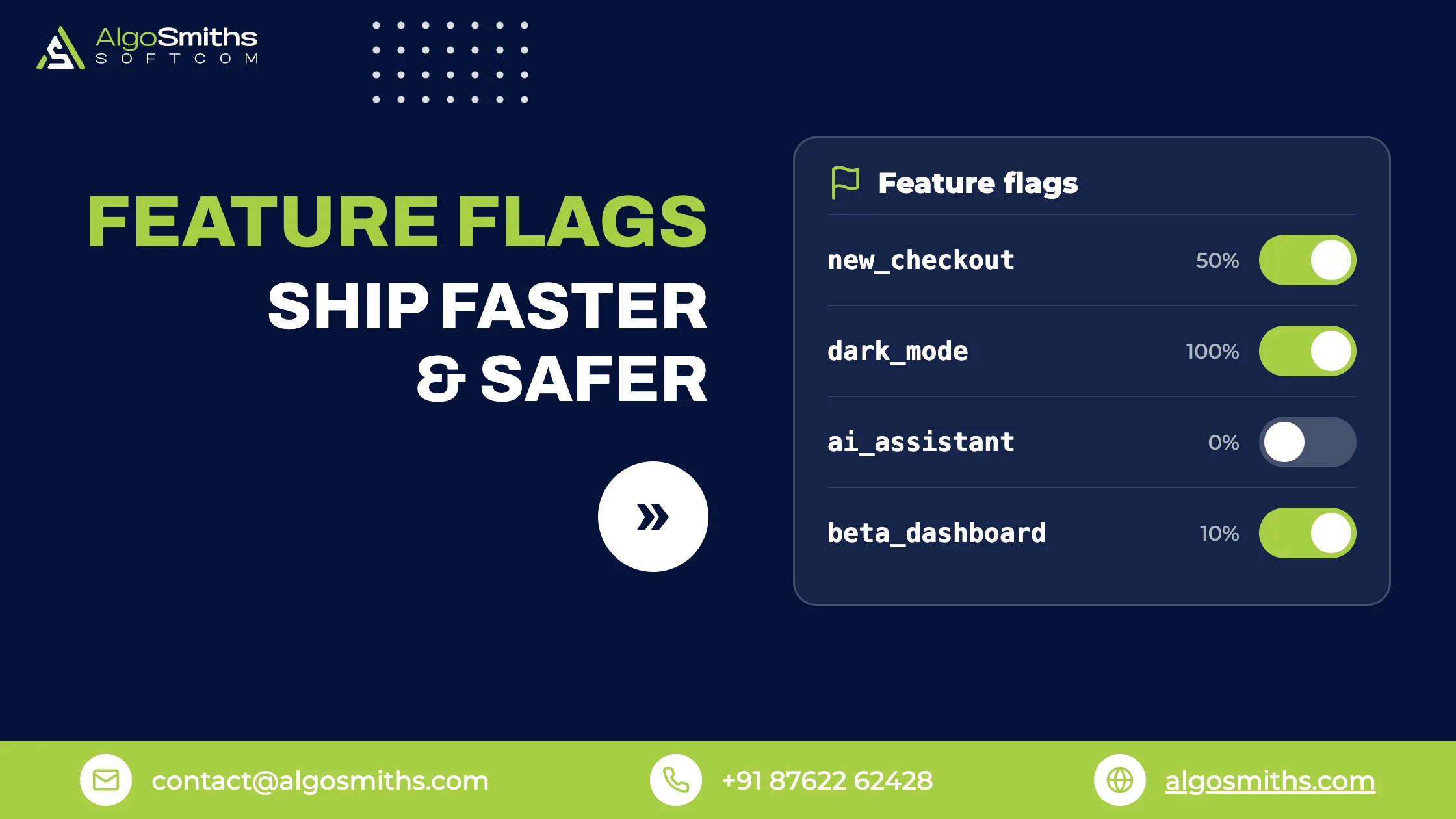
Feature Flags for Startups: A Founder's Guide to Shipping Faster and Safer in 2026
Feature flags let you ship code continuously and turn features on when you're ready — decoupling deploy from release so a bad launch never means an emergency rollback. This founder-friendly guide explains what feature flags are, the main types, and how to roll them out on your MVP without drowning in technical debt. You'll get practical patterns, a build-vs-buy comparison, and a checklist you can apply this week.
Samrat
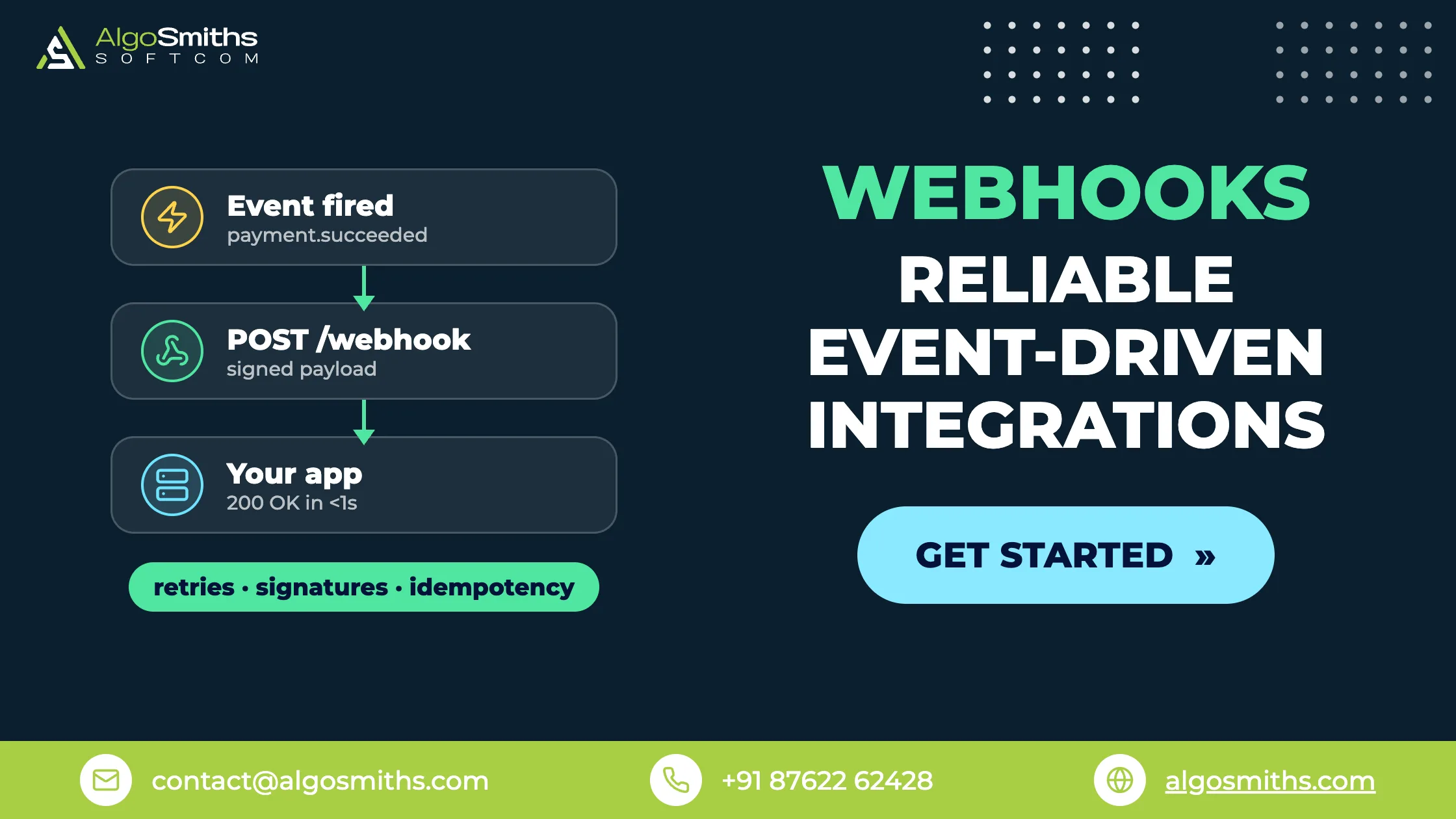
Webhooks for Startups: A Founder's Guide to Building Reliable Event-Driven Integrations in 2026
Webhooks are how modern software talks to itself — the quiet layer that fires when a payment succeeds, a user signs up, or a subscription lapses. This founder-friendly guide explains what webhooks are, how they differ from polling and APIs, and how to send and receive them reliably without losing events or leaking data. You'll get practical patterns for signatures, retries, and idempotency, a build-vs-buy comparison, and a checklist you can apply this week.
Samrat

Full-Text Search for Startups: A Founder's Guide to Adding Search to Your App (Postgres, Elasticsearch, and Beyond) in 2026
Search is the feature users notice the moment it's missing — yet most startups bolt it on with a slow LIKE query that breaks at scale. This founder-friendly guide explains how full-text search actually works, when PostgreSQL is enough, and when to reach for a dedicated engine like Elasticsearch, Meilisearch, or Typesense. You'll get a practical decision framework, a clear comparison, and the common mistakes that quietly wreck relevance and performance.
Samrat
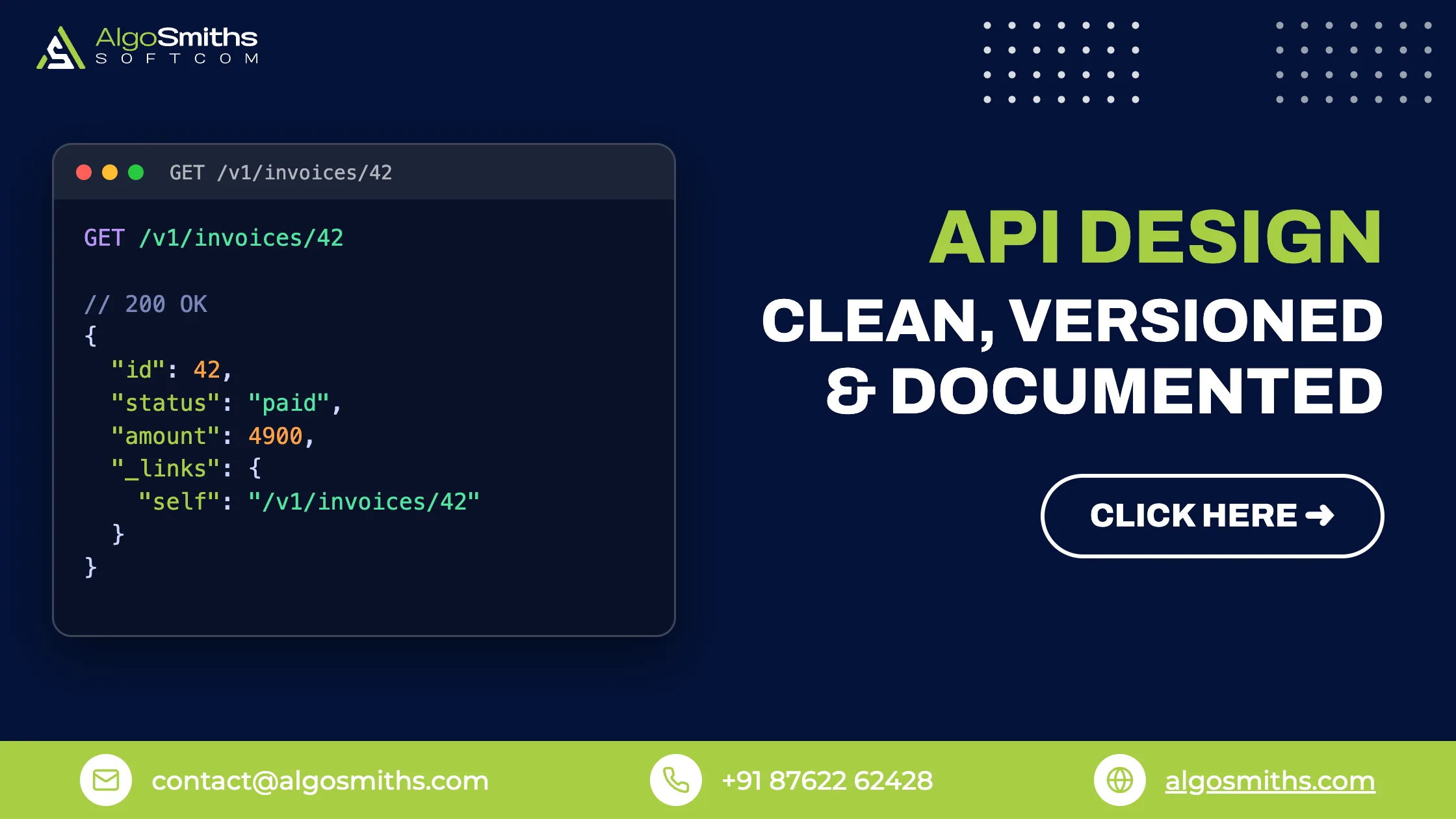
API Design for Startups: A Founder's Guide to Building Clean, Versioned, Well-Documented APIs in 2026
Your API is a promise to every developer, partner, and future version of your own team — and a messy one quietly slows every integration that follows. This founder-friendly guide explains how to design clean, predictable APIs, when and how to version them, and how to handle errors, pagination, and documentation without over-engineering. You'll get practical conventions, a REST-versus-alternatives comparison, and a checklist you can apply this week.
Samrat

Secrets Management for Startups: A Founder's Guide to Handling API Keys, Environment Variables, and Credentials Safely in 2026
Every startup runs on a pile of API keys, database passwords, and tokens — and one leaked secret can drain your cloud budget or expose customer data overnight. This founder-friendly guide explains what secrets management is, why .env files stop being enough as you grow, and how to store, rotate, and audit credentials safely. You'll get practical patterns, tool comparisons, and a step-by-step rollout you can ship without a dedicated security team.
Samrat
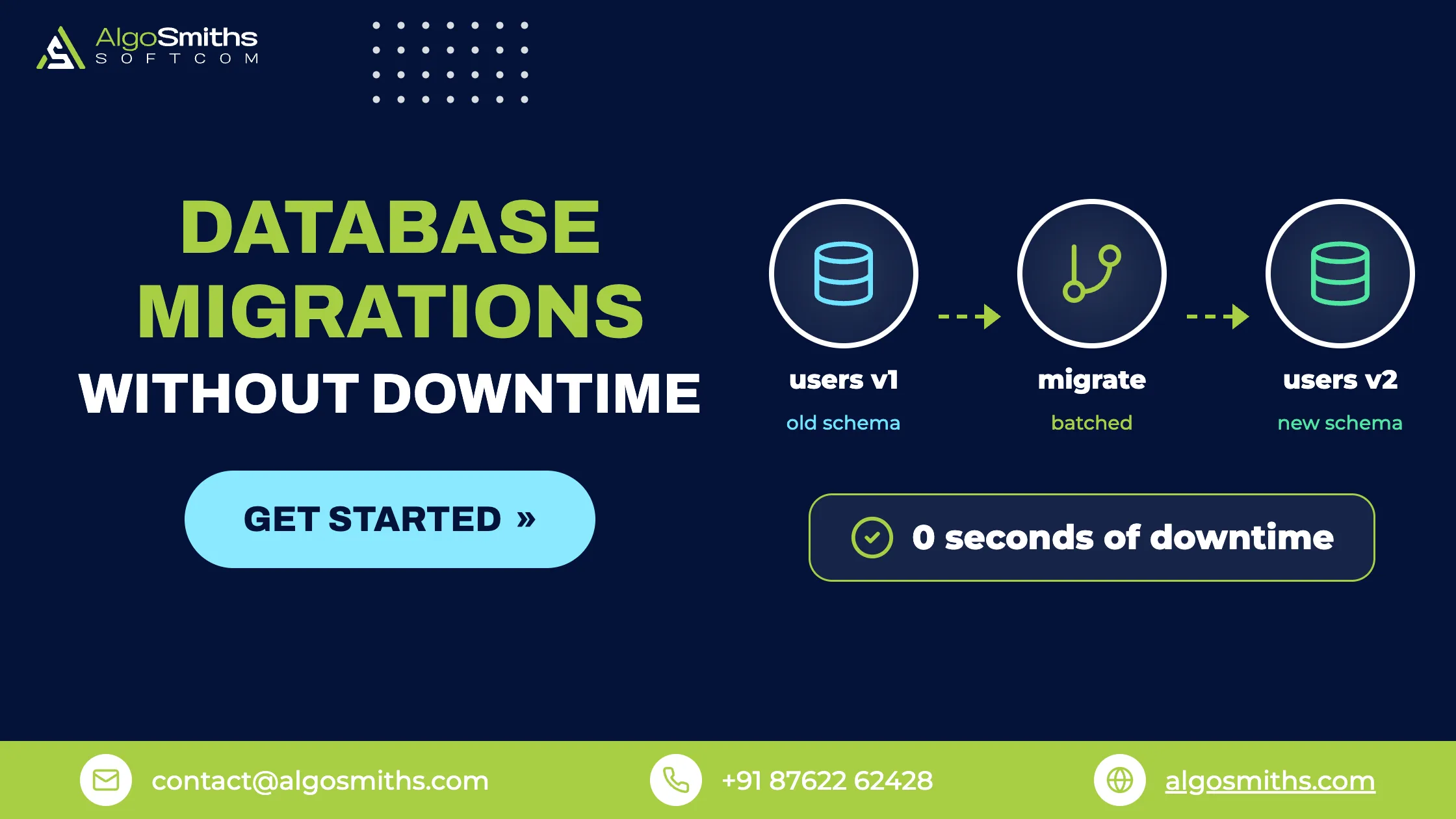
Database Migrations for Startups: A Founder's Guide to Changing Your Schema Safely Without Downtime in 2026
Every growing product eventually has to change its database schema — and doing it carelessly is how startups get accidental downtime, corrupted data, and 2 a.m. rollbacks. This founder-friendly guide explains what database migrations are, how to run them safely with tools like Django and Alembic, and how to ship schema changes with zero downtime as you scale. You'll get practical patterns, a tool comparison, and a step-by-step checklist you can apply this week.
Samrat
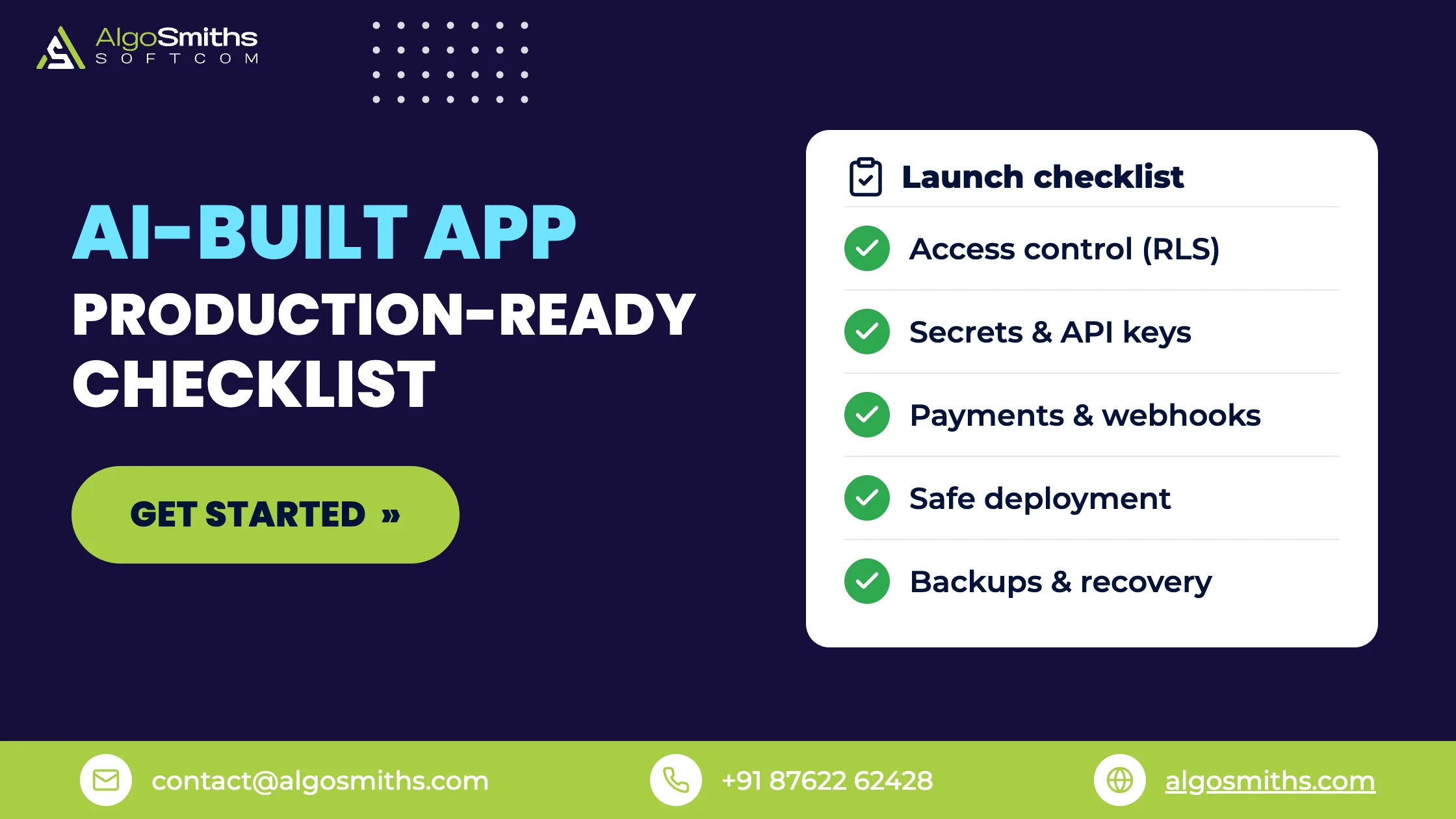
AI-Built App Production Readiness: A Founder's Launch Checklist
AI-built app production readiness explained: what to fix in a Lovable or Bolt app before real users and payments arrive, with a clear launch checklist.
Samrat

Transactional Email for Startups: Reach the Inbox, Not Spam
Transactional email for startups: how to set up SPF, DKIM and DMARC, pick a provider and keep signup and password reset emails out of spam.
Samrat
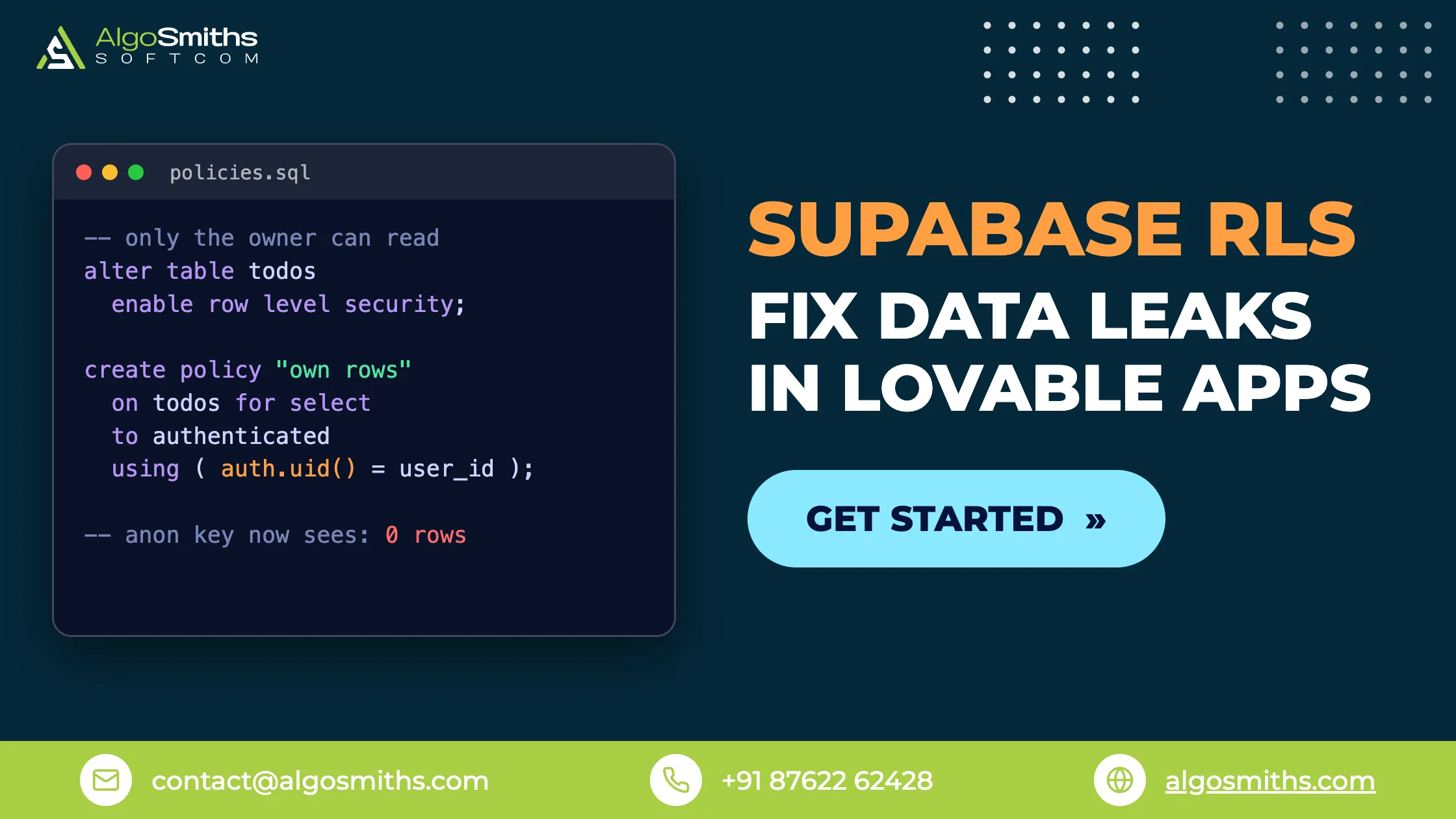
Supabase Row Level Security: Fix Data Leaks in Lovable Apps
Supabase Row Level Security for Lovable apps: how tables end up exposed to the anon key, how to test yours in ten minutes, and policies that fix it.
Samrat
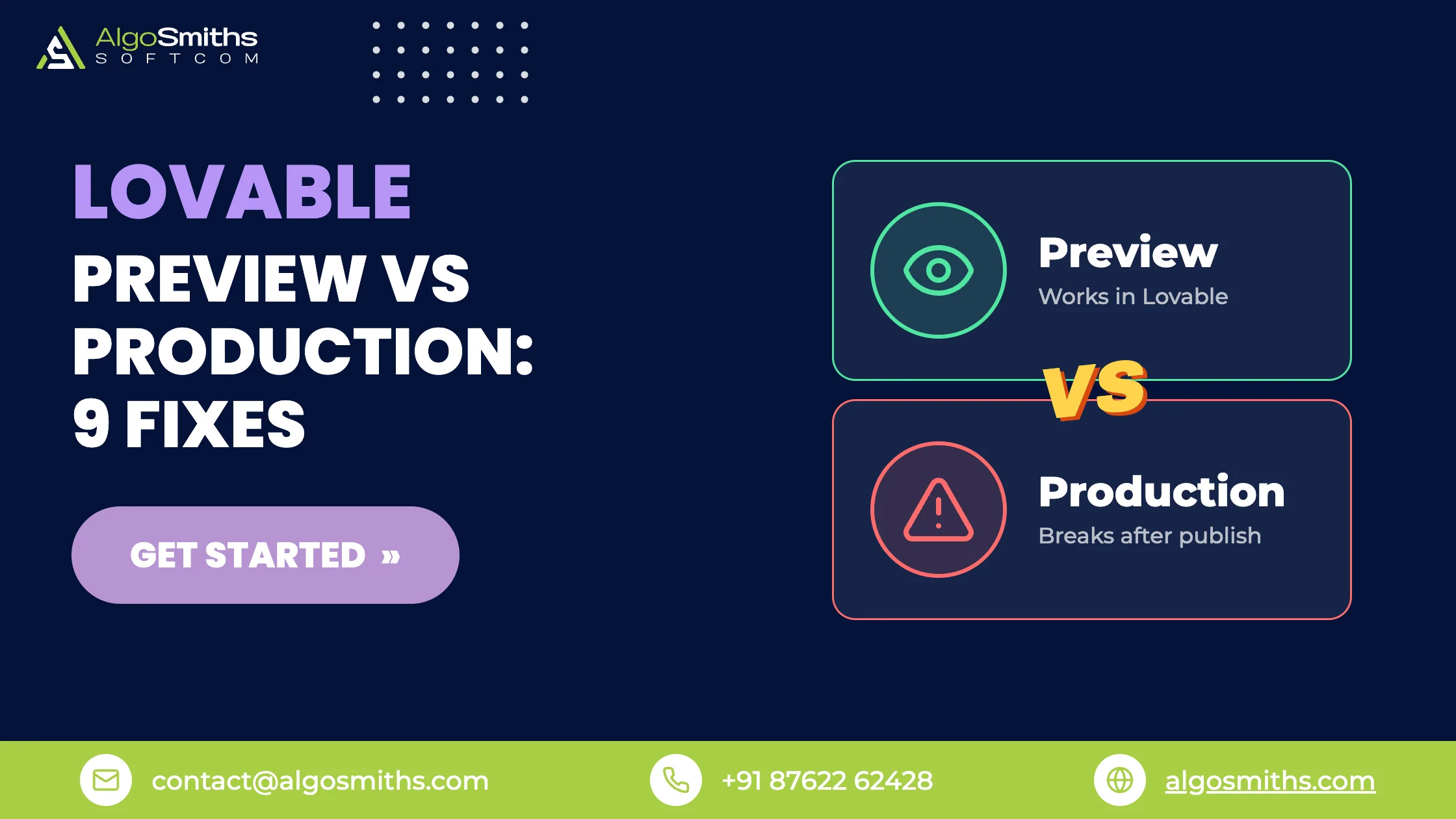
Lovable Preview vs Production: 9 Fixes for Founders
Your Lovable preview works but production breaks. Diagnose and fix the nine most common causes, from missed republishes to Stripe live-mode keys.
Samrat
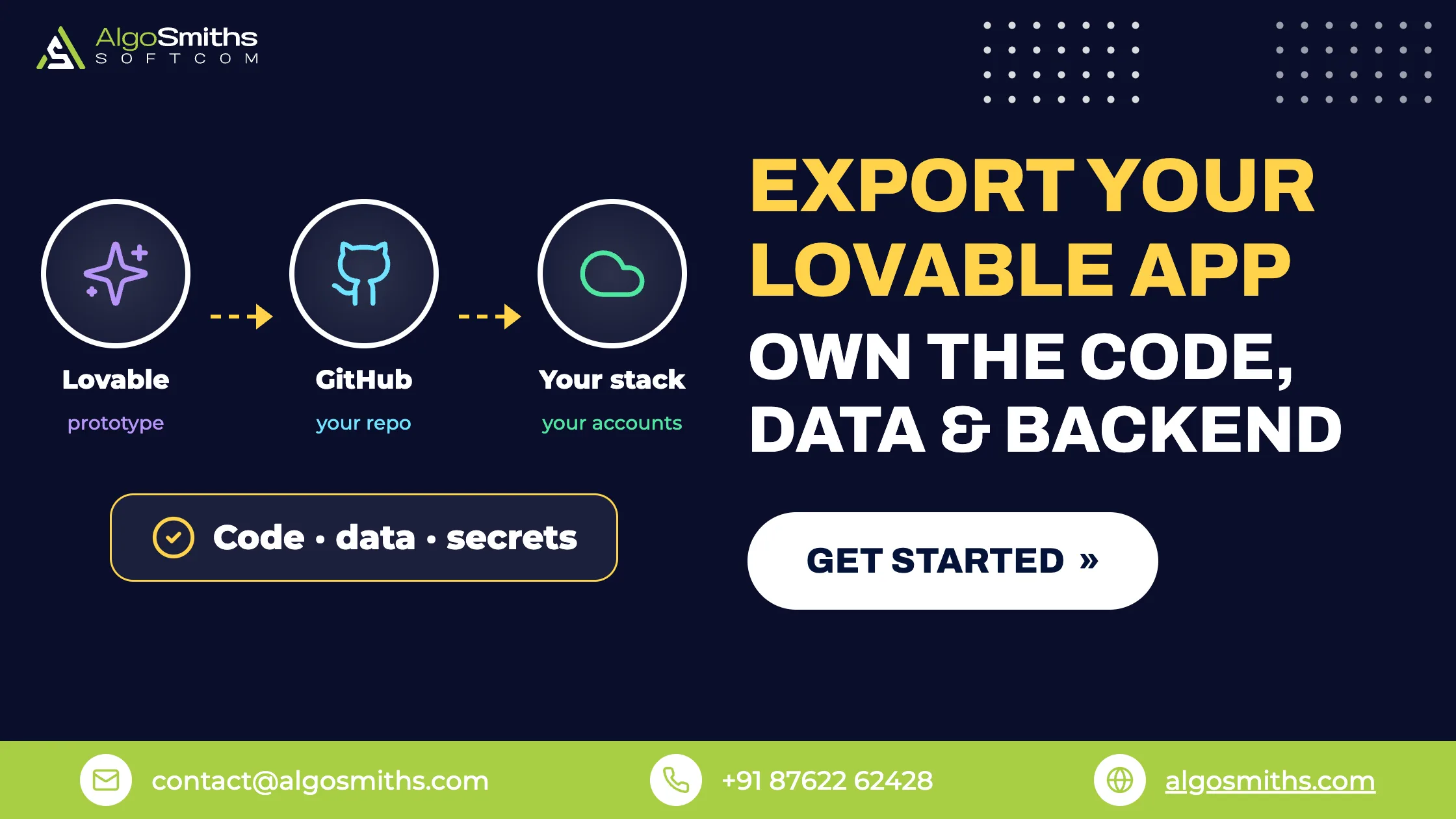
Export Your Lovable App: Own the Code, Data and Backend
Export your Lovable app to GitHub, see what the repo leaves behind, and move the database, secrets and hosting without breaking the live site.
Samrat

Lovable Credits Explained: What It Costs to Ship an App
Lovable credits explained: what a credit is, what plans and top-ups cost, what a single build message uses, and how to keep monthly spend predictable.
Samrat
Lovable vs Bolt vs Replit: Which AI App Builder to Choose
Lovable vs Bolt vs Replit compared on price, backend, code export and mobile, so you can pick the right AI app builder for your product.
Samrat

Lovable to Custom Code: When to Switch and How to Plan It
When to keep building in Lovable and when to move to custom code, with the signals that justify a migration and a four-step plan that avoids a rewrite.
Samrat
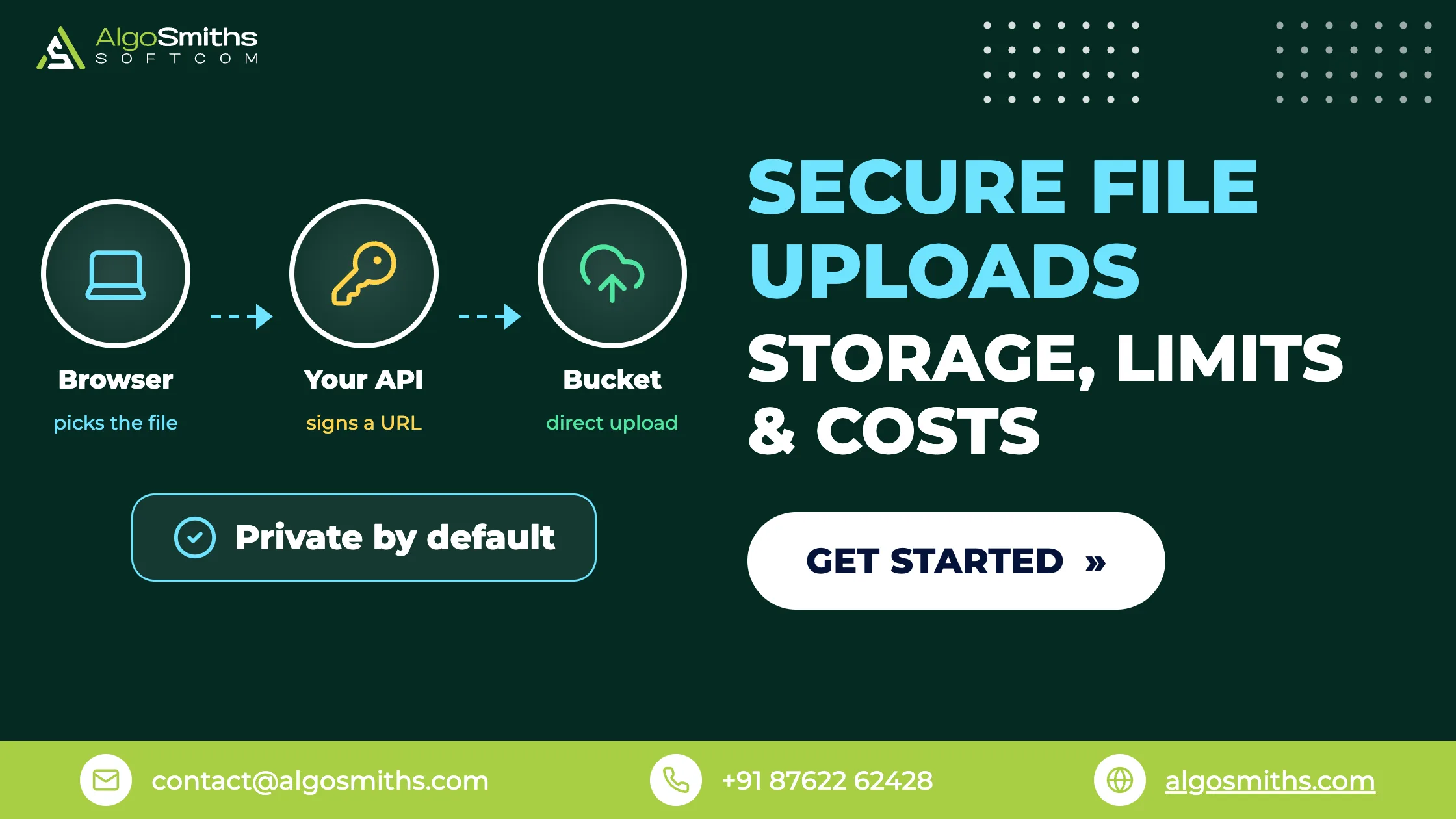
Secure File Uploads for SaaS: Storage, Limits and Costs
Secure file uploads for SaaS: where to store files, how to sign uploads, what limits to set, and how to keep storage costs predictable.
Samrat
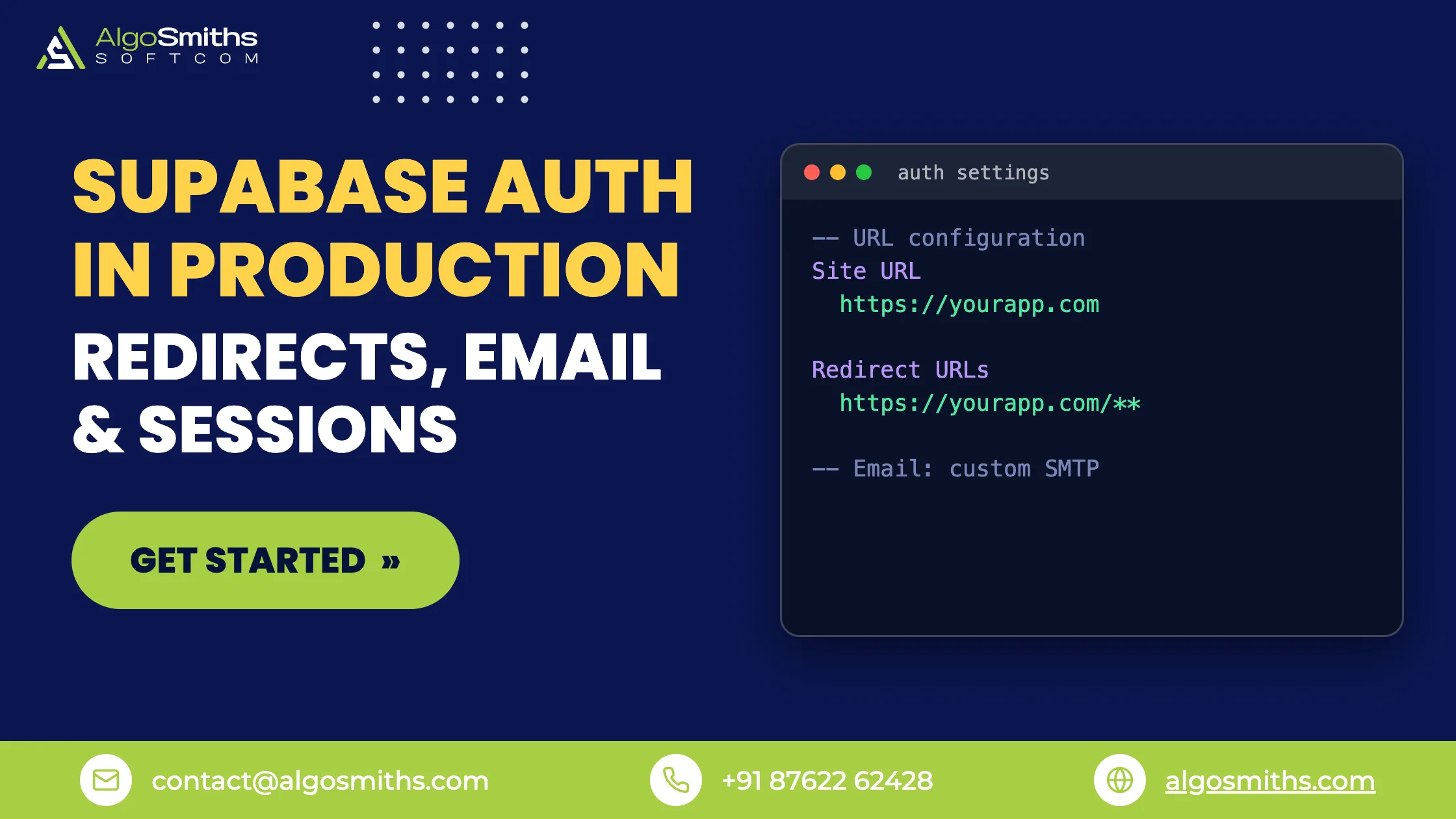
Supabase Auth in Production: Redirects, Email and Sessions
Supabase Auth in production: fix redirect URLs, confirmation emails, OAuth setup and session settings before real users try to sign in.
Samrat
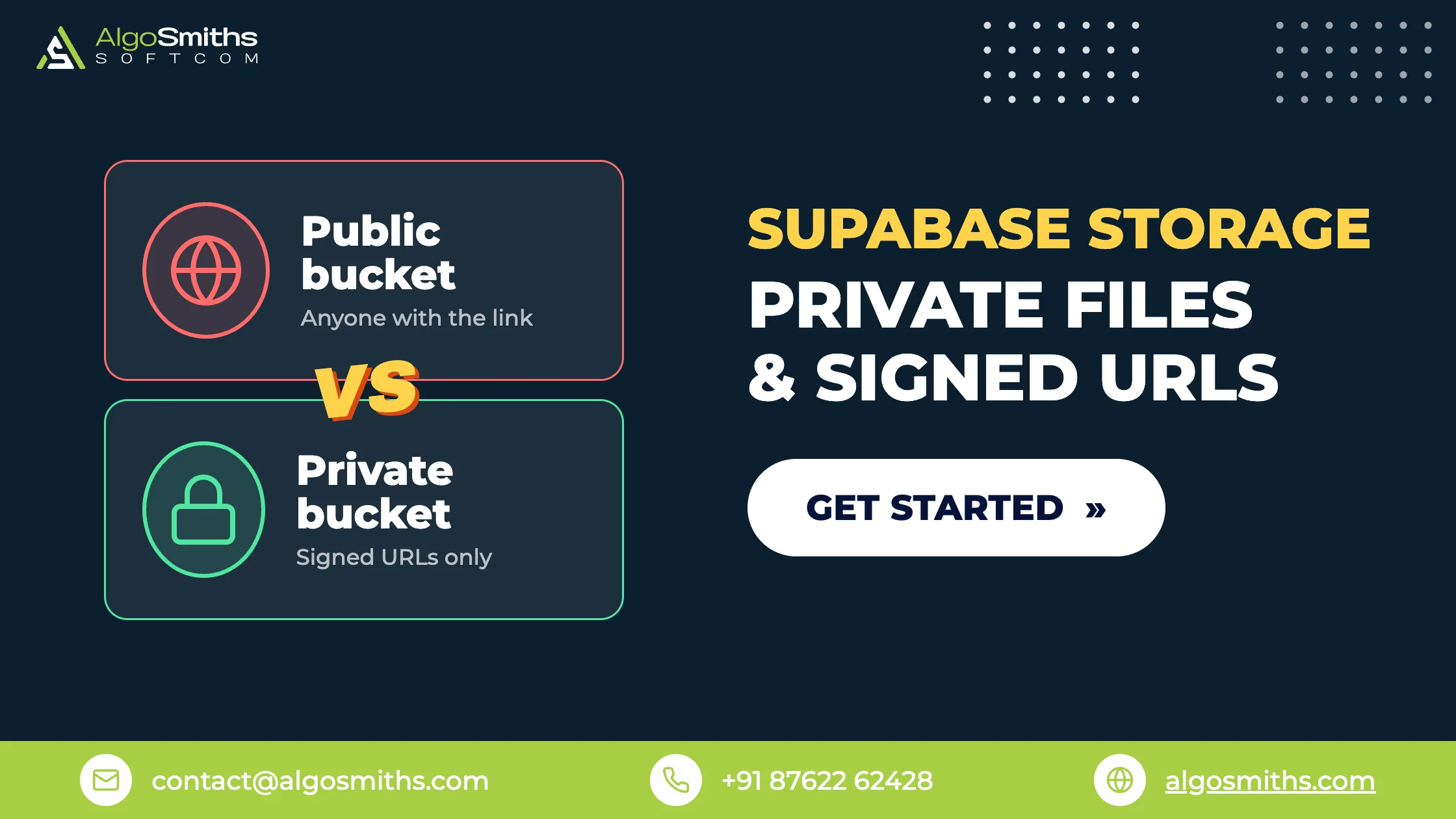
Securing Supabase Storage Buckets: Private Files and Signed URLs
Securing Supabase Storage buckets: when to use public or private, how signed URLs really behave behind the CDN, and policies that stop file leaks.
Samrat
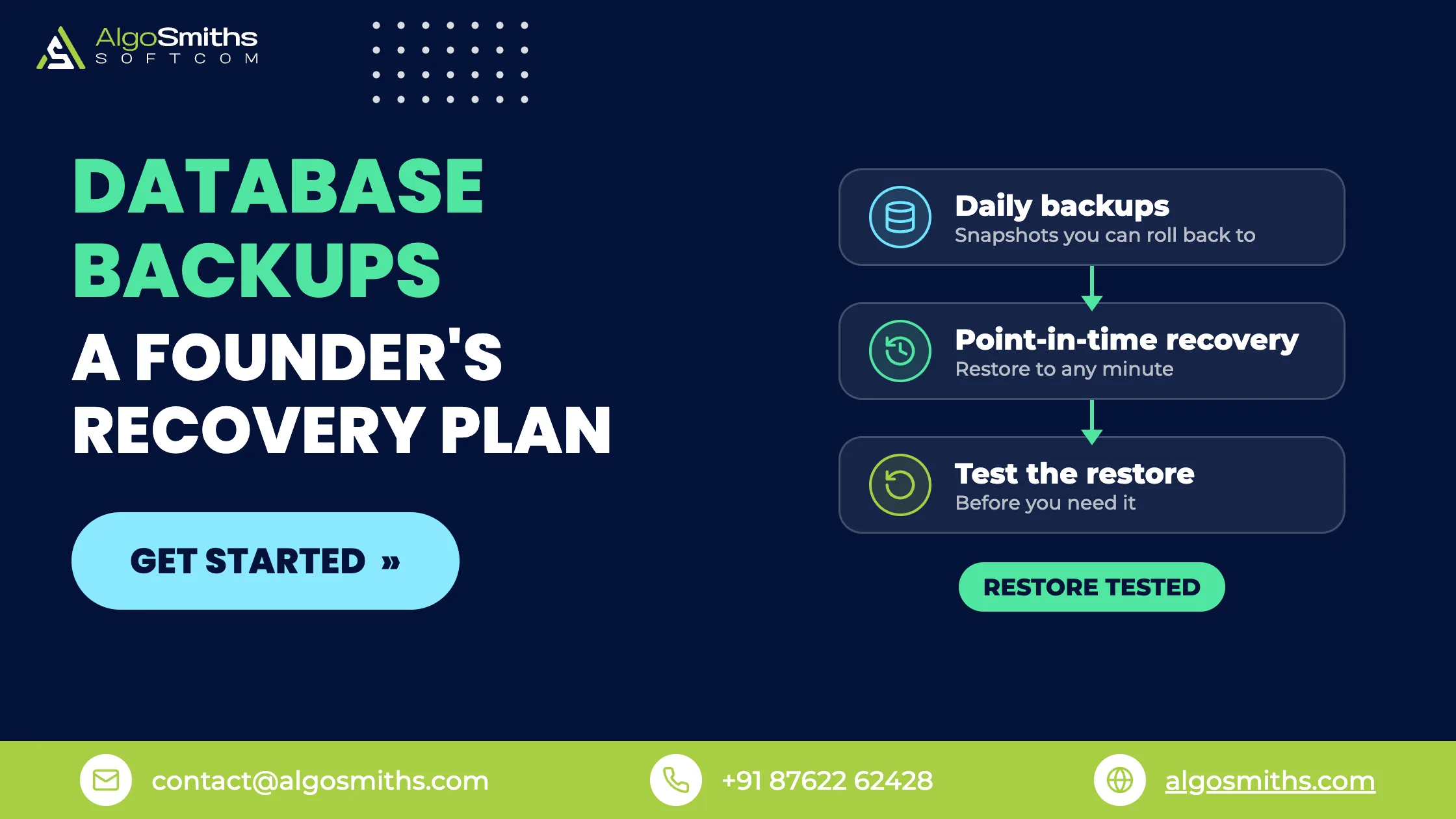
Database Backups for Startups: A Founder's Recovery Plan
Database backups for startups: how daily backups and point-in-time recovery differ, what they cost, and how to test a restore before you need it.
Samrat
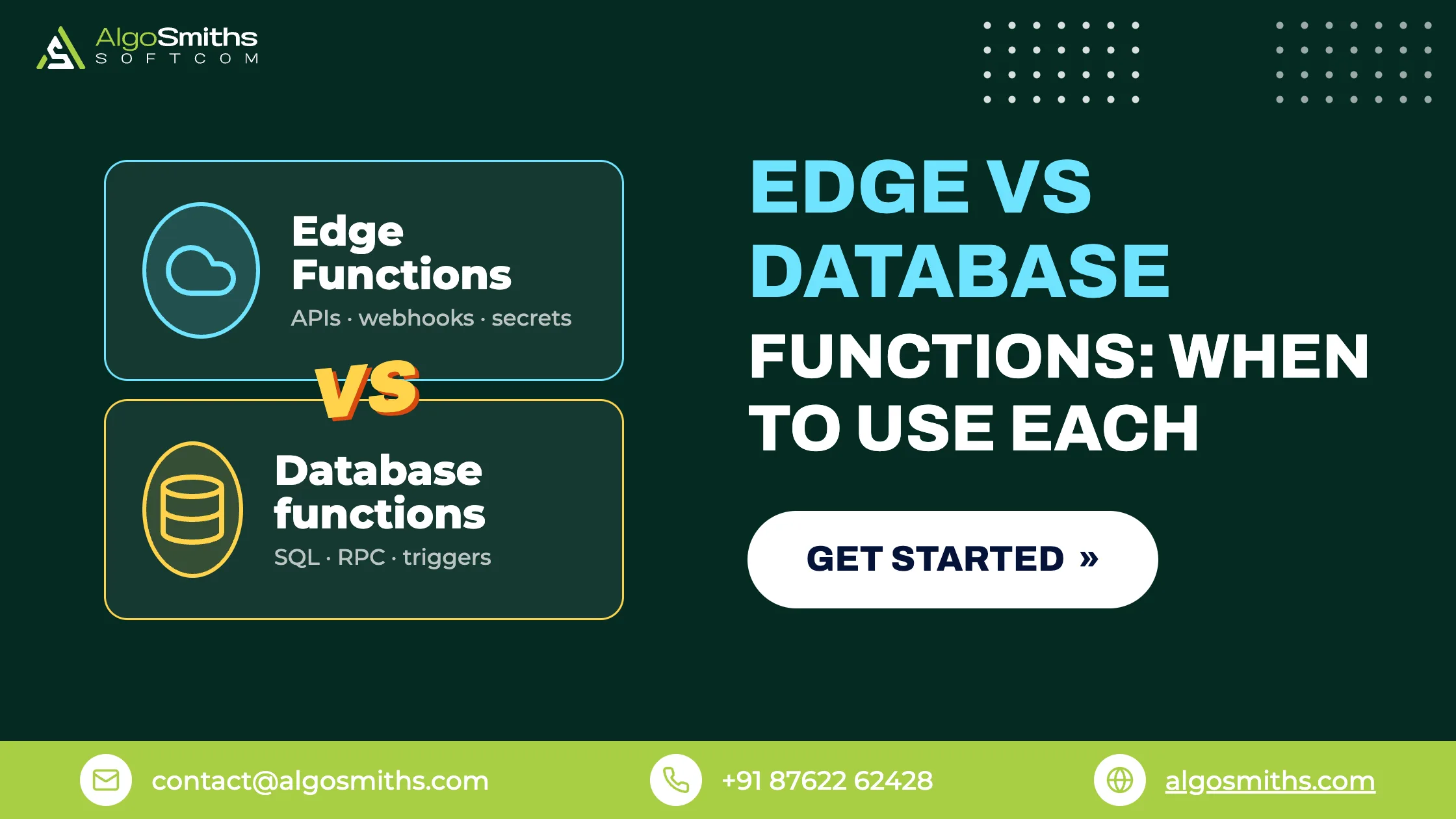
Supabase Edge Functions vs Database Functions: When to Use Each
Supabase Edge Functions vs database functions: which to use for each job, what SECURITY DEFINER actually risks, and how to keep RPCs safe.
Samrat

Supabase Migrations Done Right: Dashboard Edits to Versioned SQL
Supabase migrations without the sync errors: how to move dashboard edits into versioned SQL, push schema changes safely, and fix a broken history.