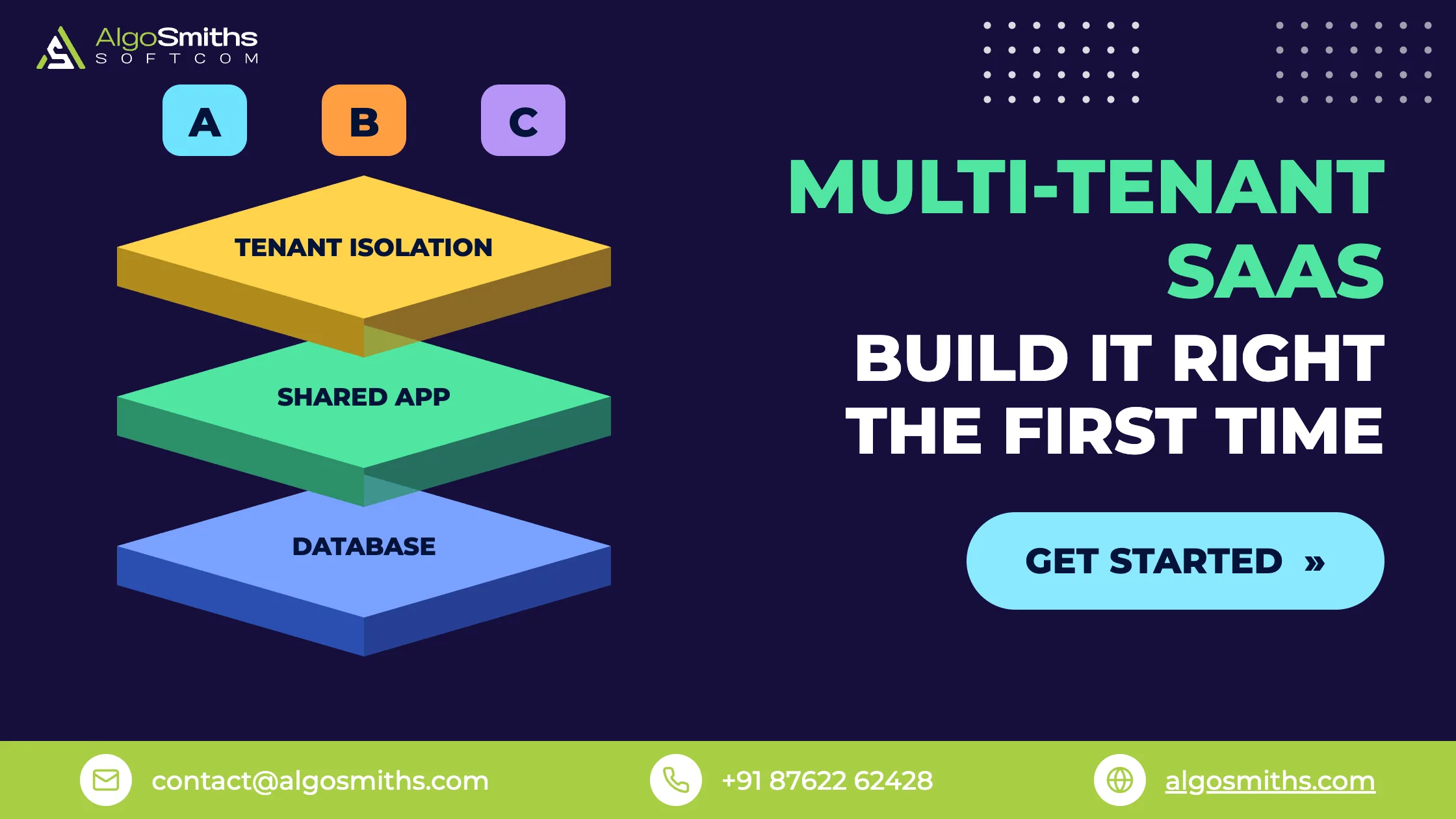
Multi-Tenant SaaS Architecture: A Founder's Guide to Building It Right the First Time
Building a multi-tenant SaaS product means locking in foundational architecture decisions before you write your first line of code. This guide breaks down the…
The engineering decisions that decide whether a product holds up: auth and multi-tenancy, APIs and webhooks, databases, backups and migrations, caching, background jobs, observability and deployment.
Building a multi-tenant SaaS product means locking in foundational architecture decisions before you write your first line of code. This guide breaks down the…
Every SaaS product runs on one invisible layer that decides who gets in and what they can touch: authentication and authorization. Get these wrong and you…
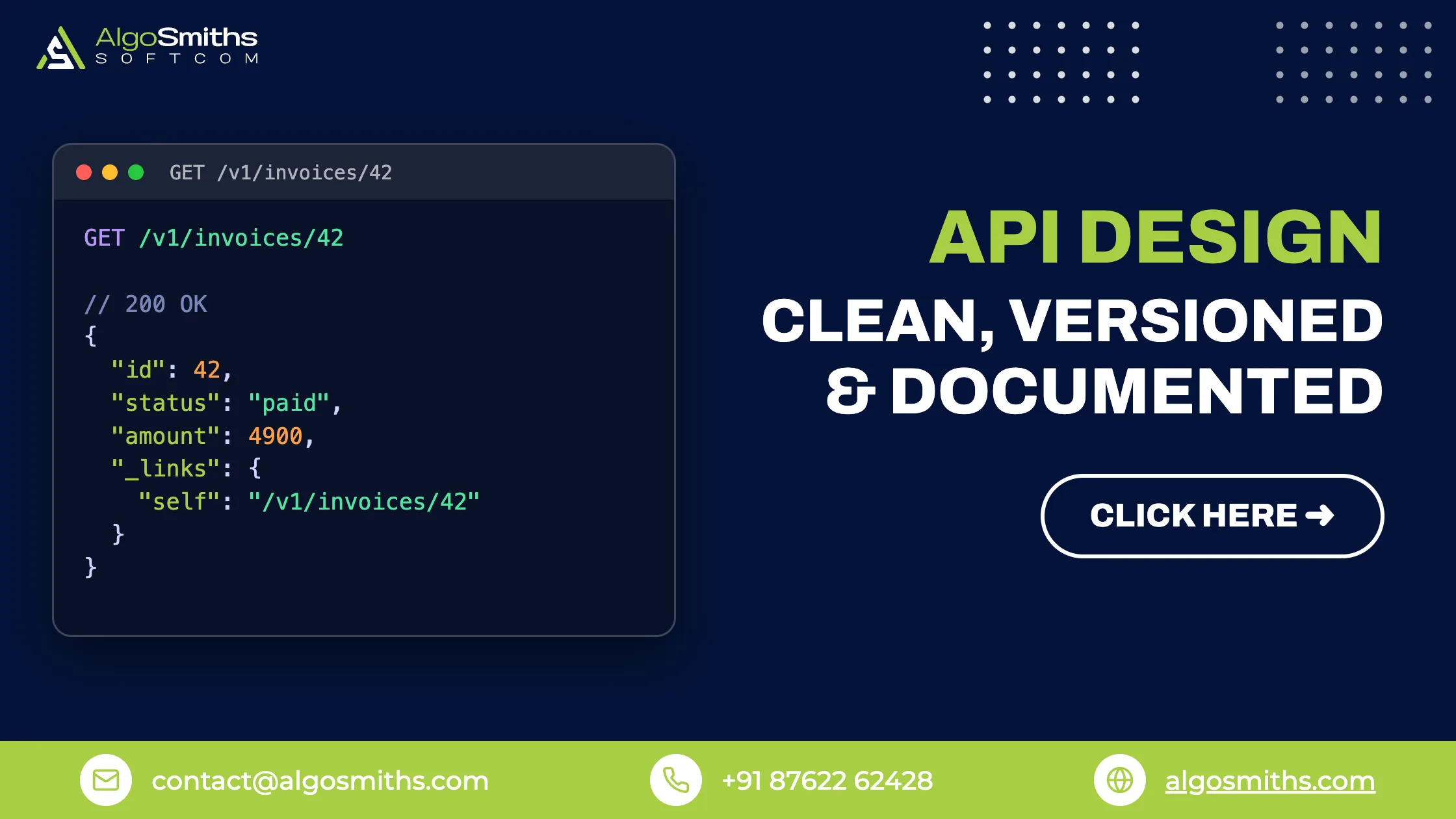
Your API is a promise to every developer, partner, and future version of your own team — and a messy one quietly slows every integration that follows. This…
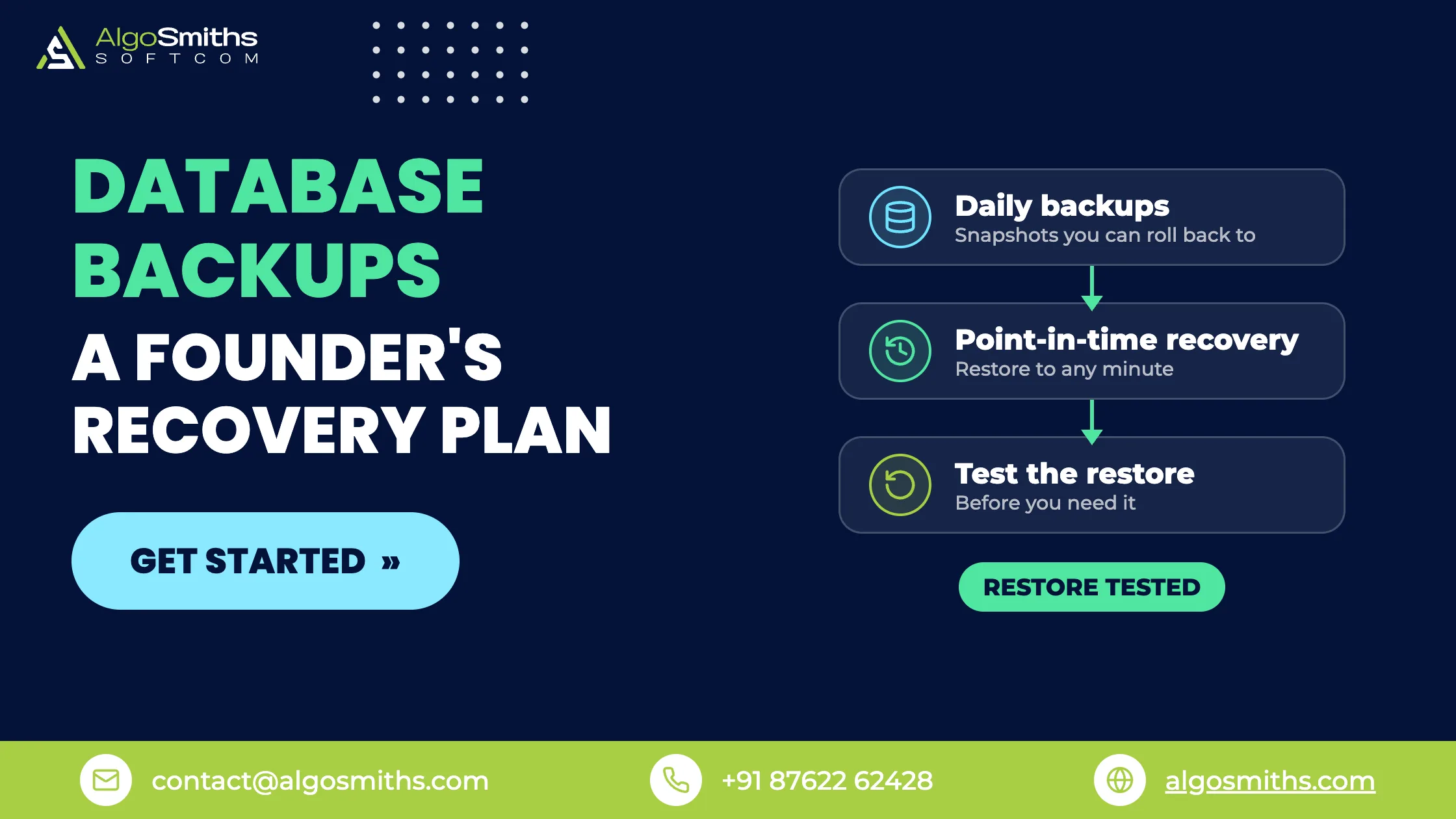
Database backups for startups: how daily backups and point-in-time recovery differ, what they cost, and how to test a restore before you need it.
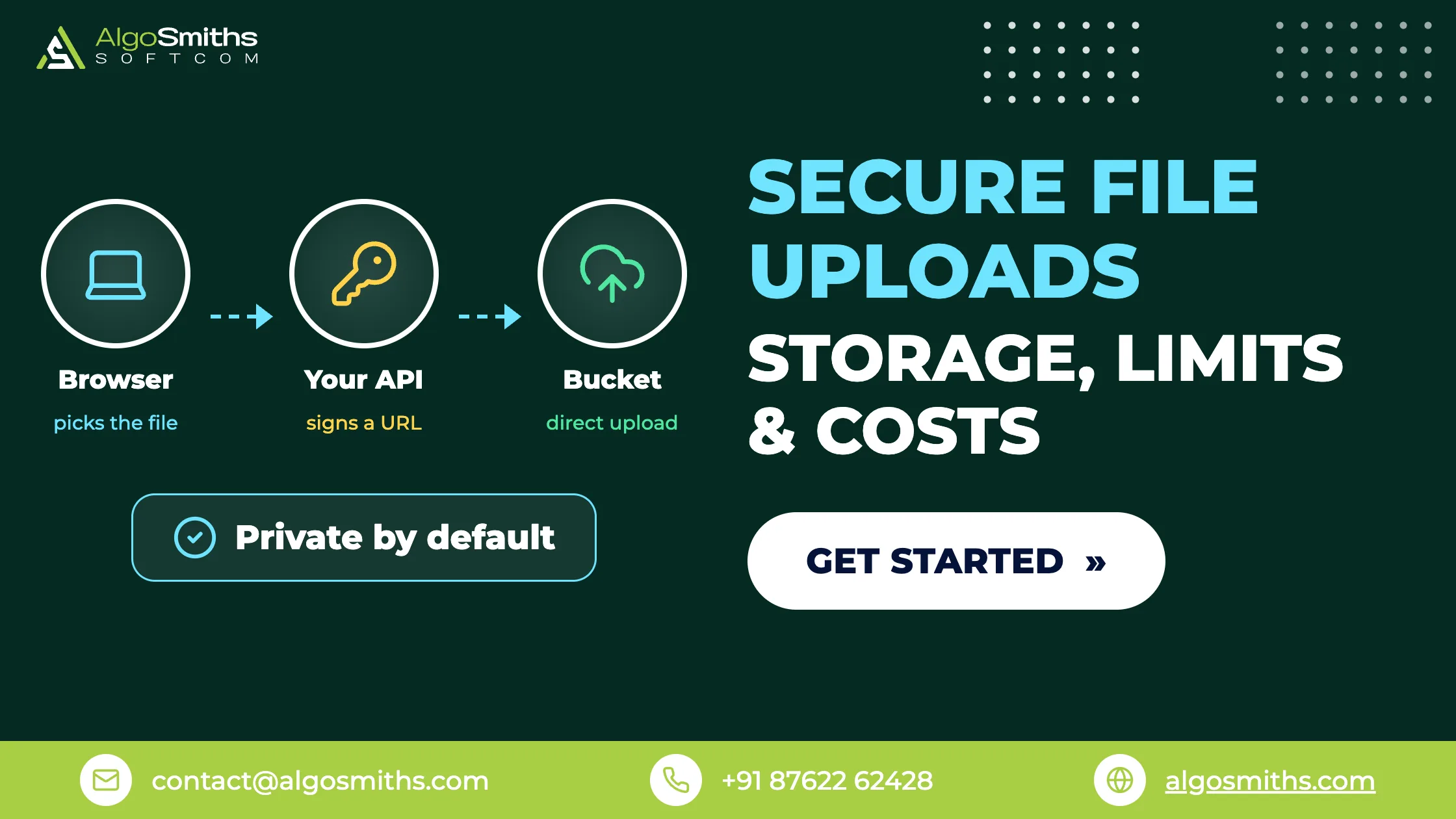
Secure file uploads for SaaS: where to store files, how to sign uploads, what limits to set, and how to keep storage costs predictable.
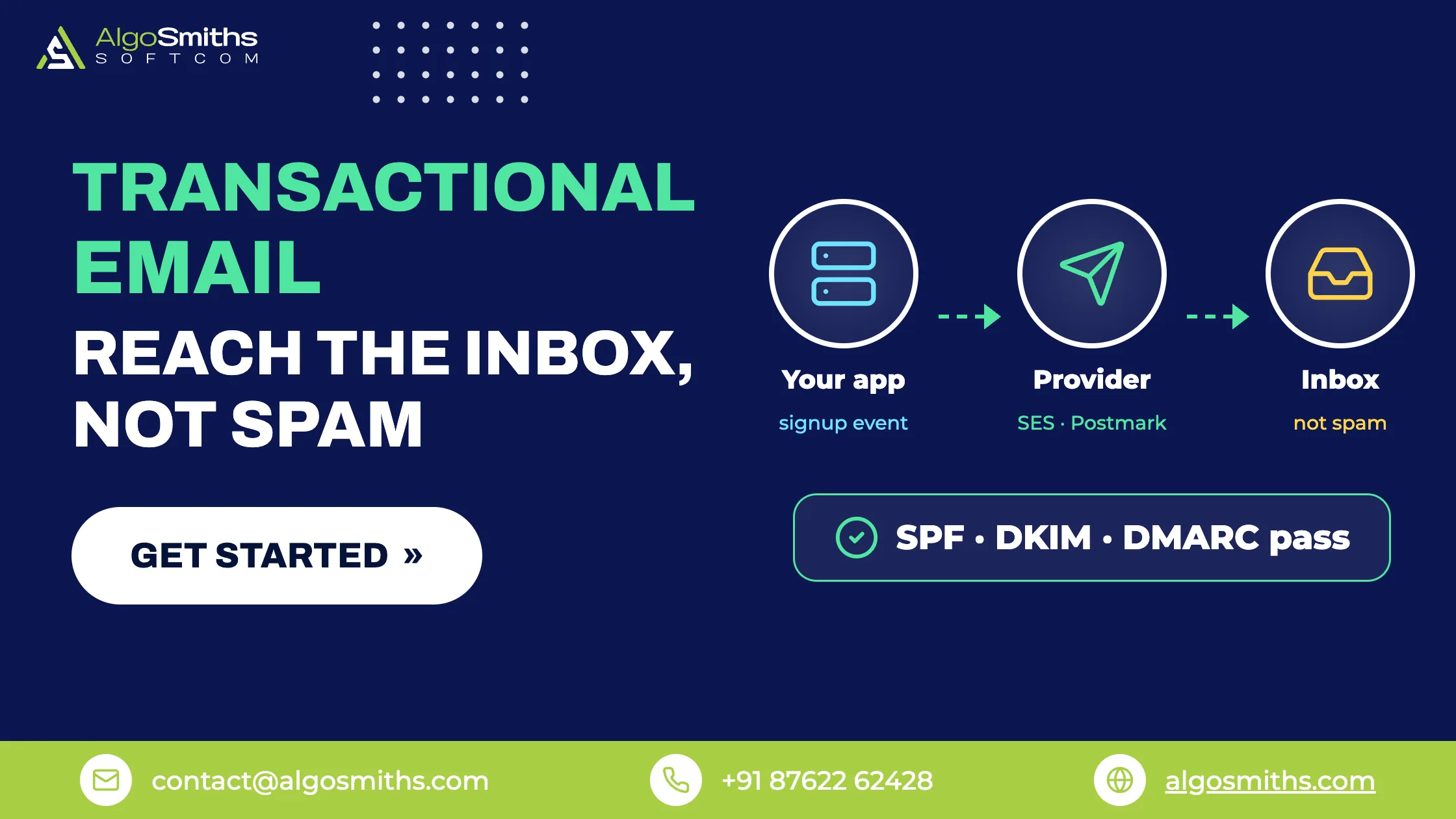
Transactional email for startups: how to set up SPF, DKIM and DMARC, pick a provider and keep signup and password reset emails out of spam.
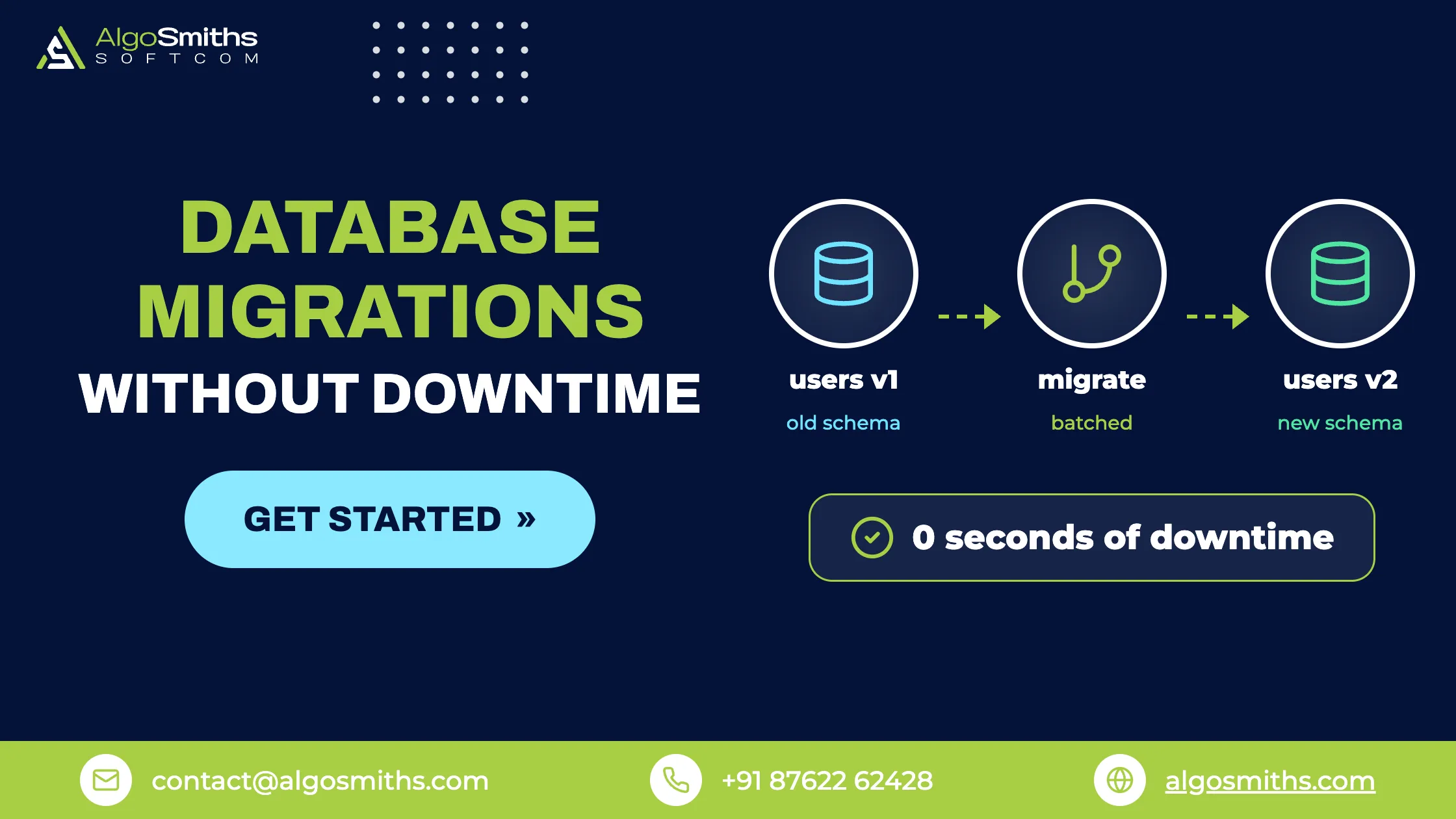
Every growing product eventually has to change its database schema — and doing it carelessly is how startups get accidental downtime, corrupted data, and 2…
Every startup runs on a pile of API keys, database passwords, and tokens — and one leaked secret can drain your cloud budget or expose customer data…
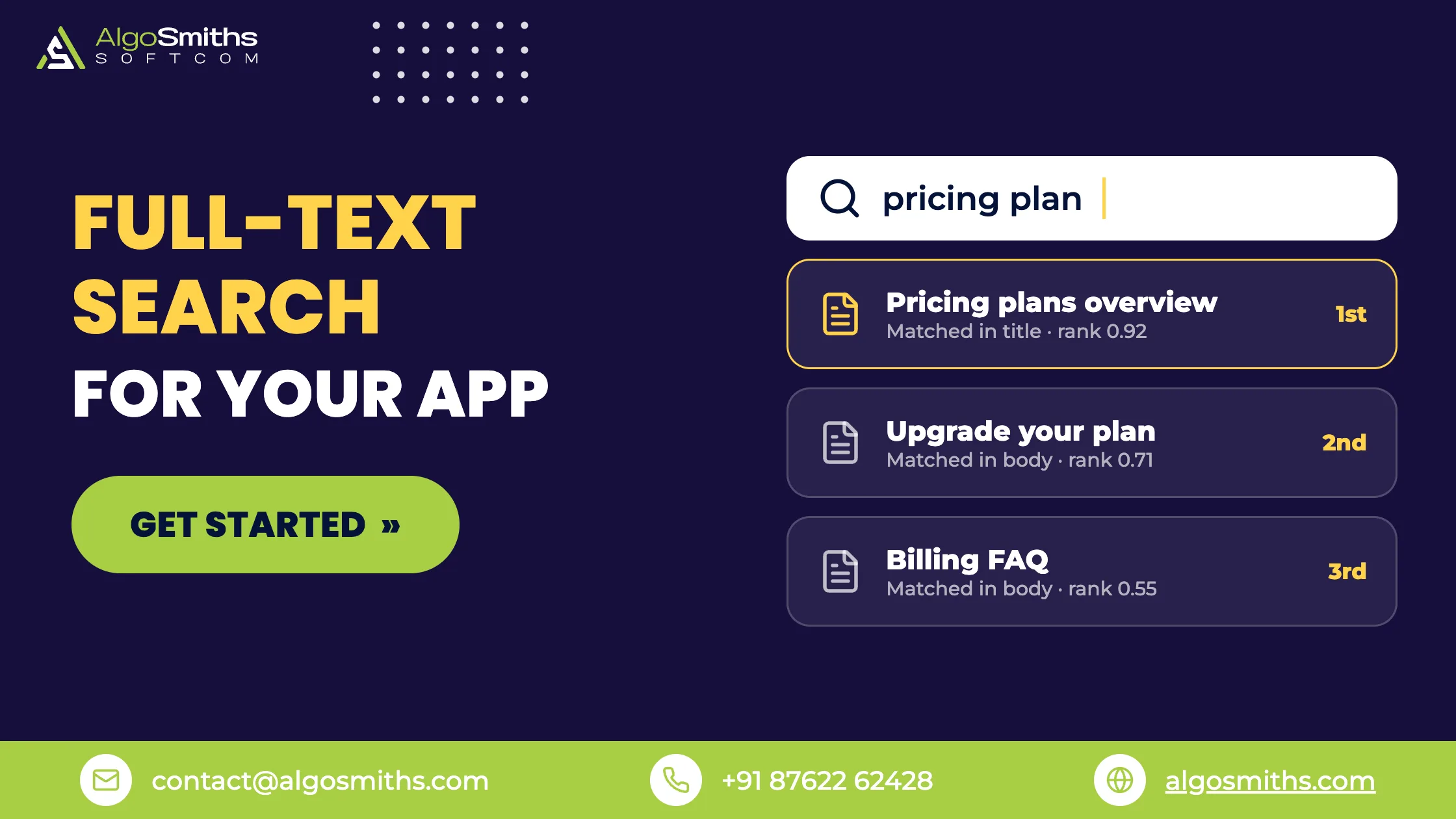
Search is the feature users notice the moment it's missing — yet most startups bolt it on with a slow LIKE query that breaks at scale. This founder-friendly…
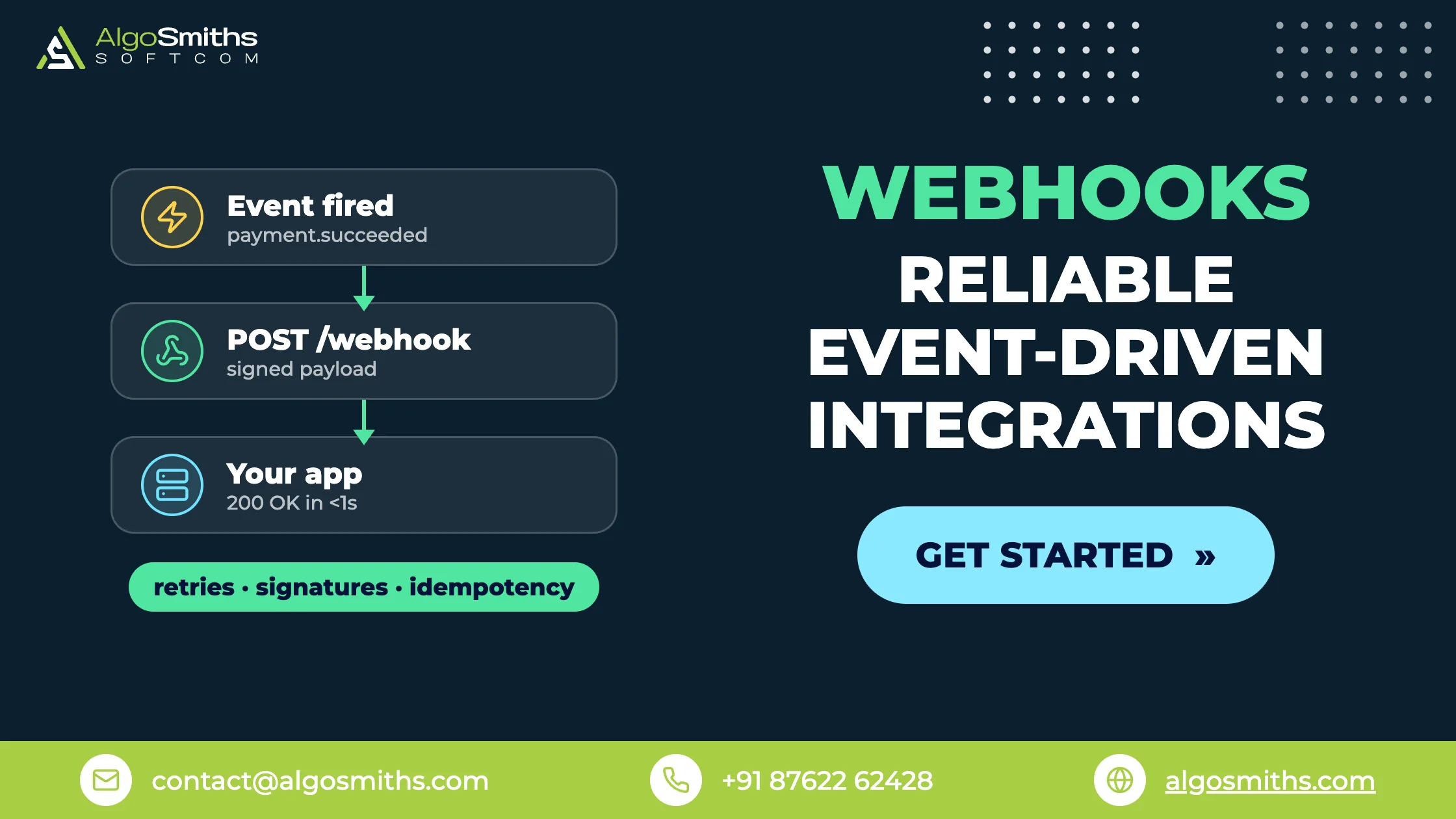
Webhooks are how modern software talks to itself — the quiet layer that fires when a payment succeeds, a user signs up, or a subscription lapses. This…
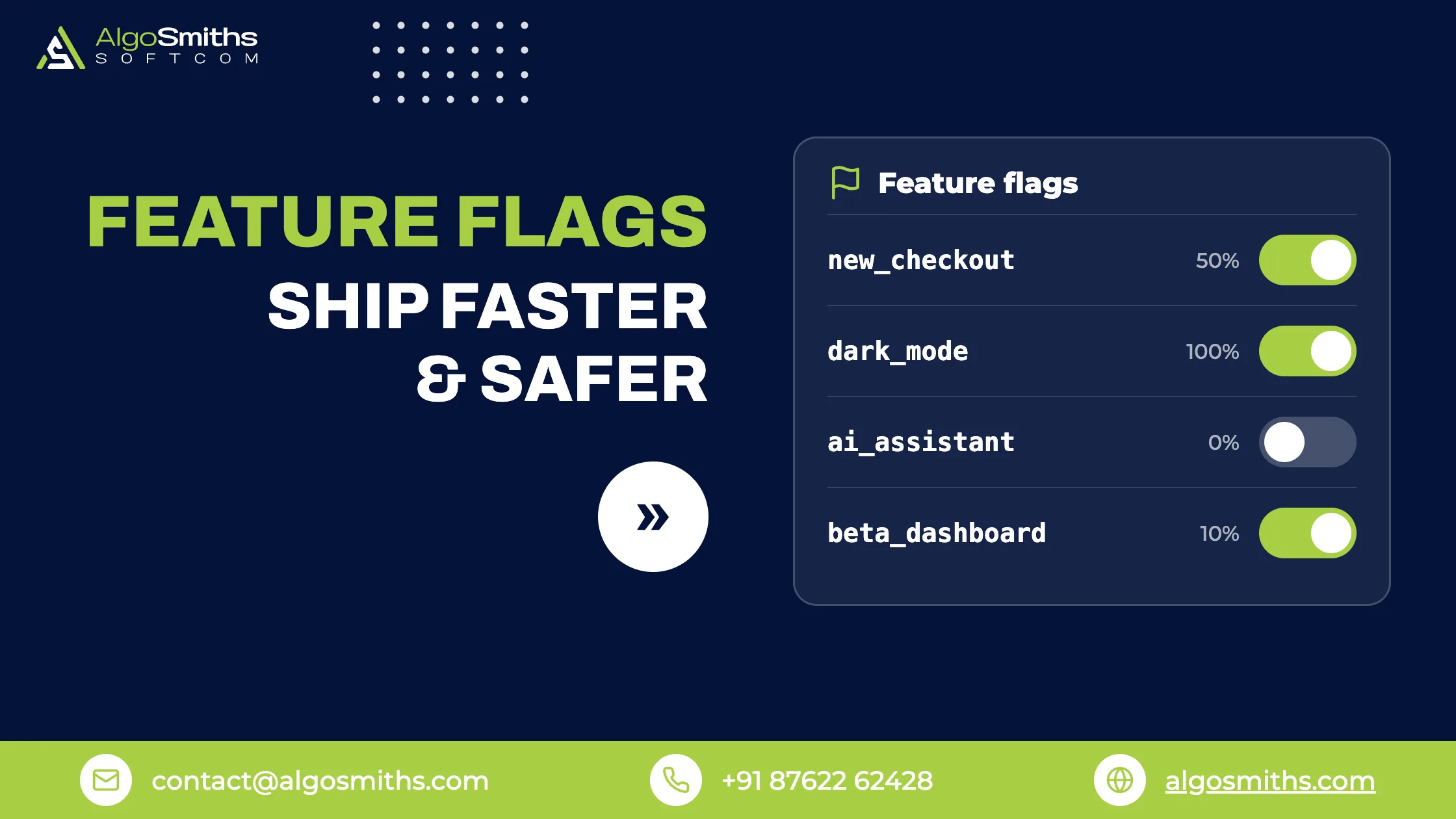
Feature flags let you ship code continuously and turn features on when you're ready — decoupling deploy from release so a bad launch never means an emergency…
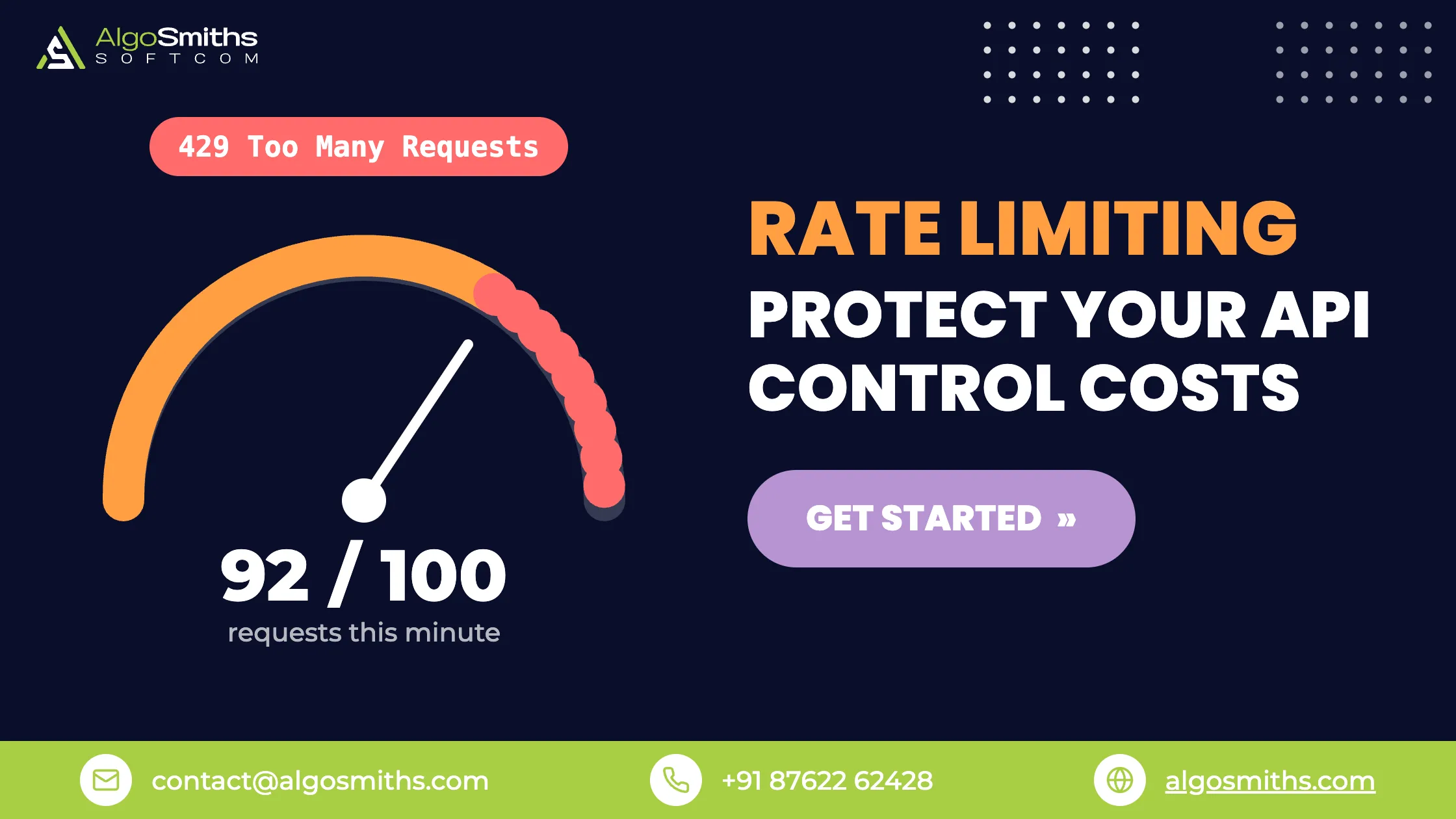
One abusive script, a runaway integration, or a sudden traffic spike can take your app down or run up a five-figure cloud bill overnight. This founder-friendly…
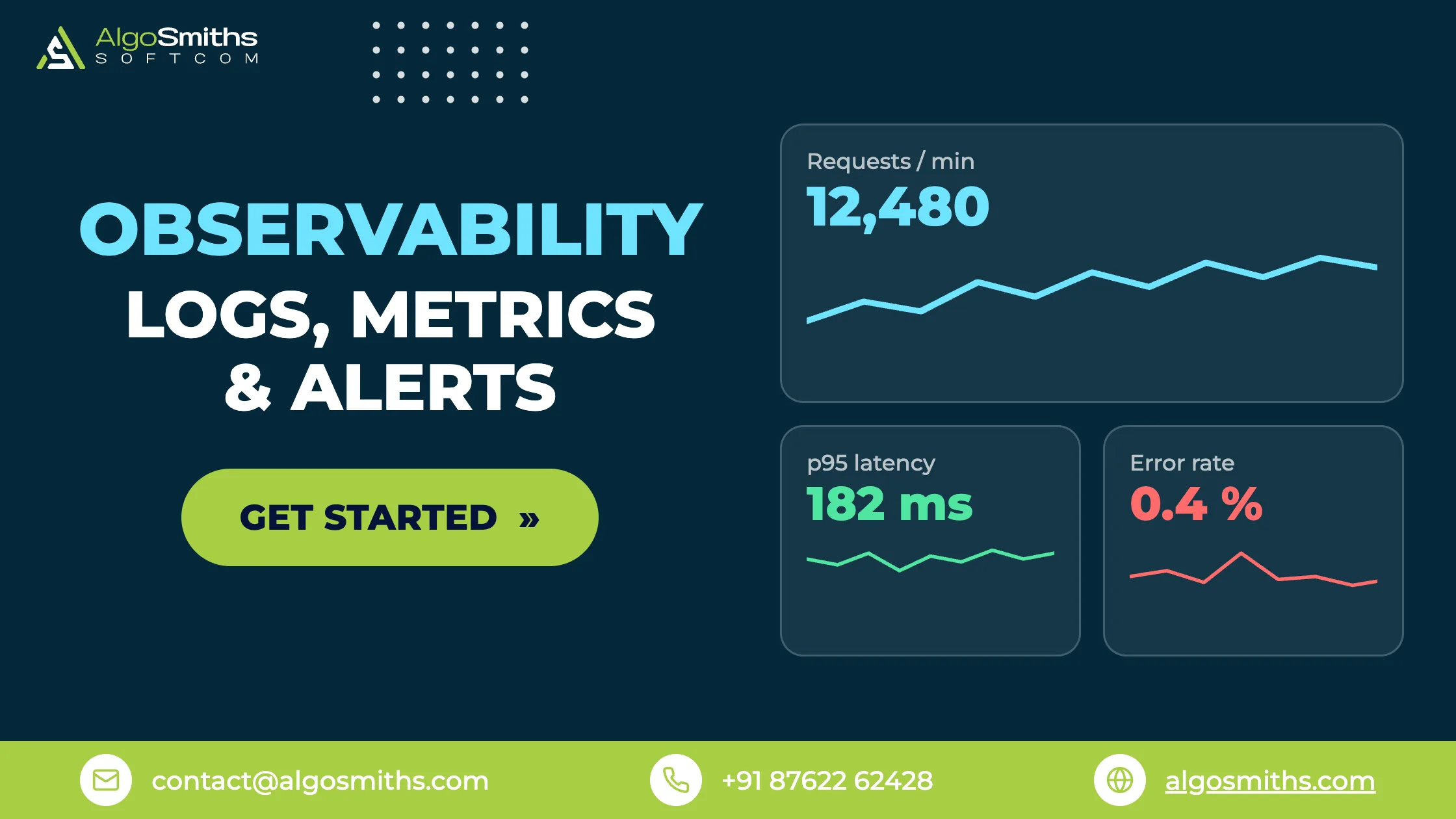
When your app breaks in production, observability is what tells you before your customers do. This founder-friendly guide explains logging, metrics, and…
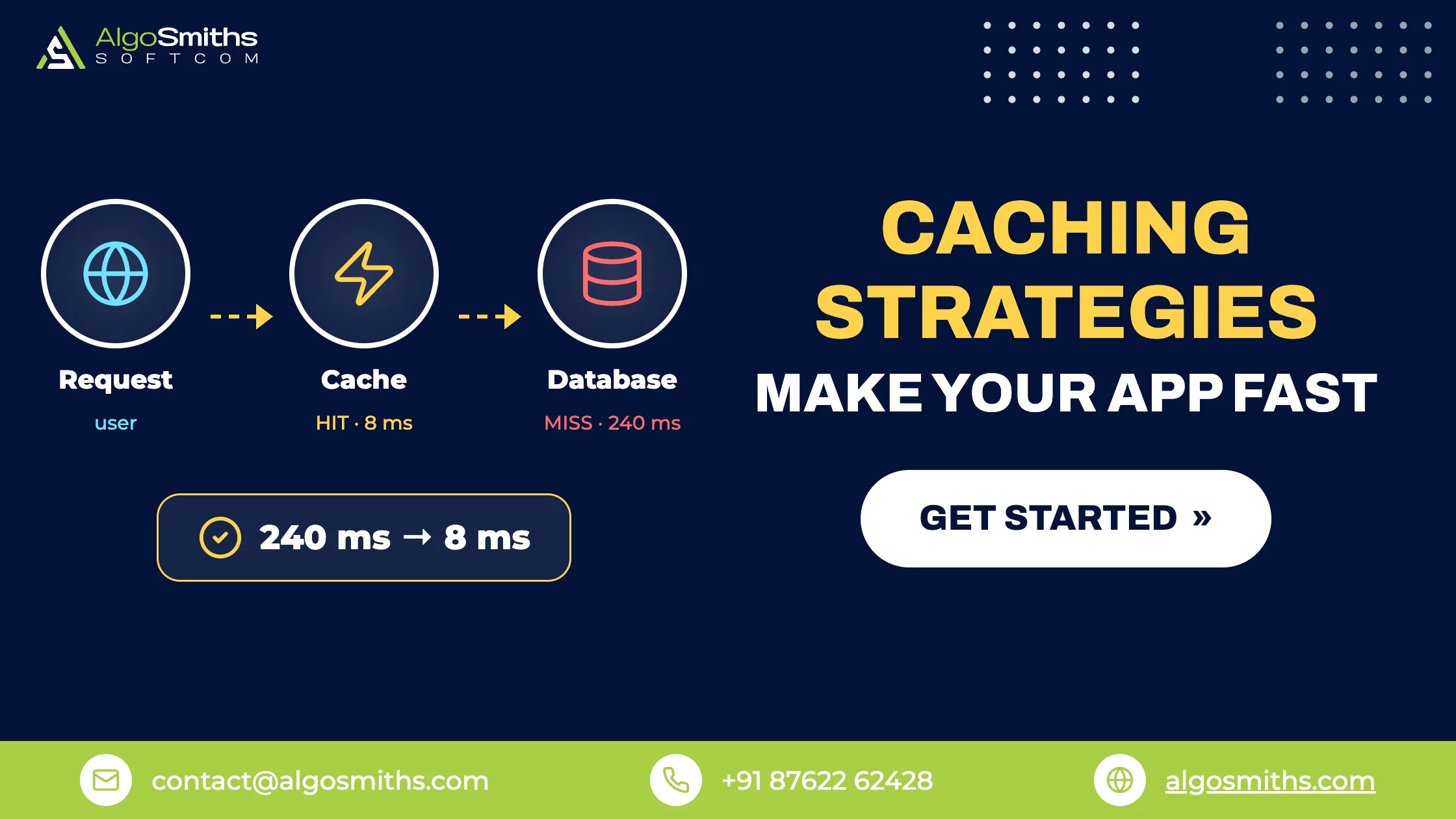
Slow apps lose users and burn money on oversized servers, but most startups reach for a bigger database long before they reach for a cache. This…
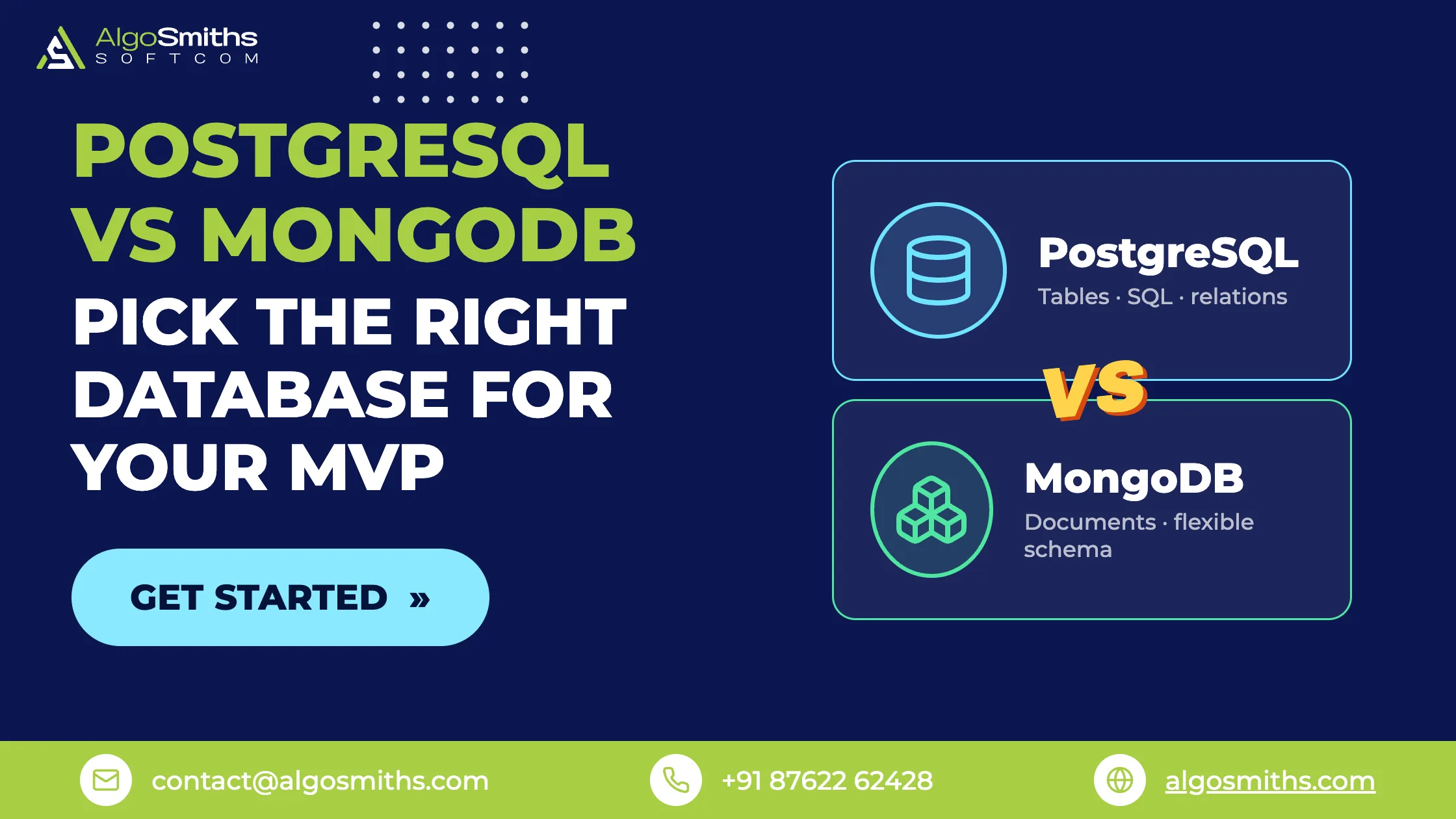
Choosing between PostgreSQL and MongoDB is one of the first architecture decisions that shapes how fast you can ship and how painful your first scaling…
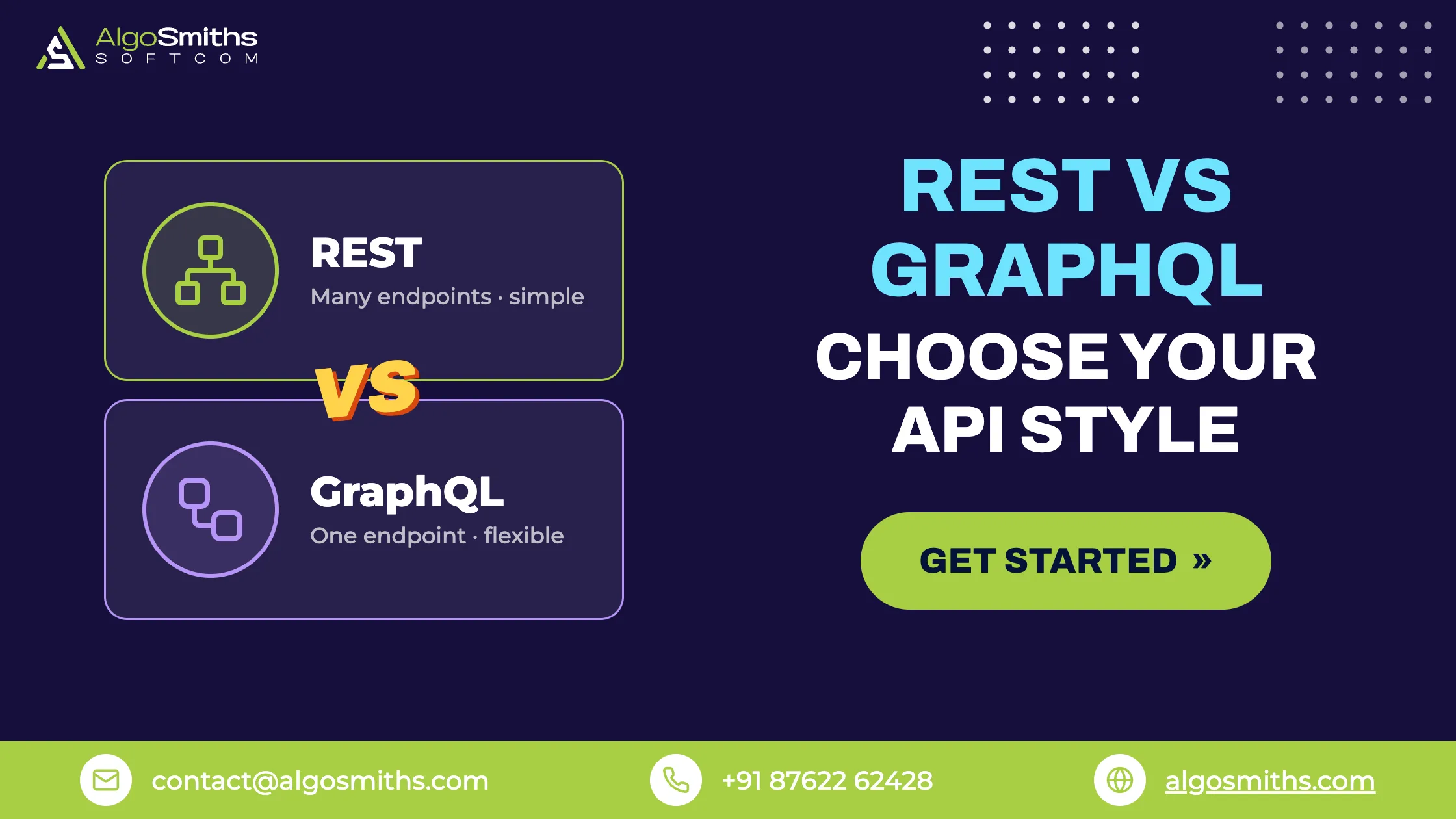
Choosing between REST and GraphQL is one of the first architecture decisions your MVP forces on you — and the wrong call can slow every feature that follows…
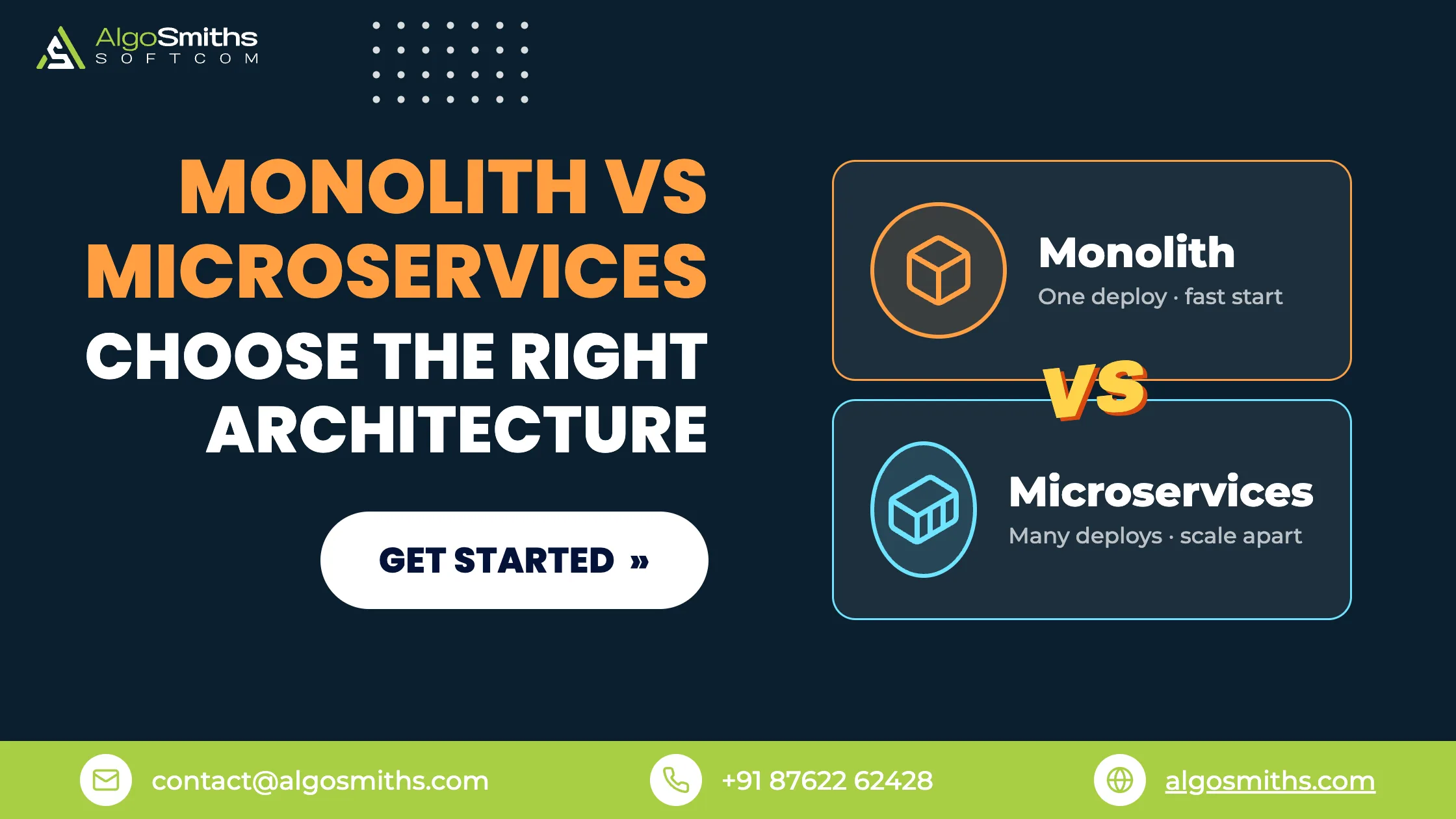
Should your startup build a monolith or microservices? This founder-friendly guide compares both approaches, explains why a modular monolith is usually the…
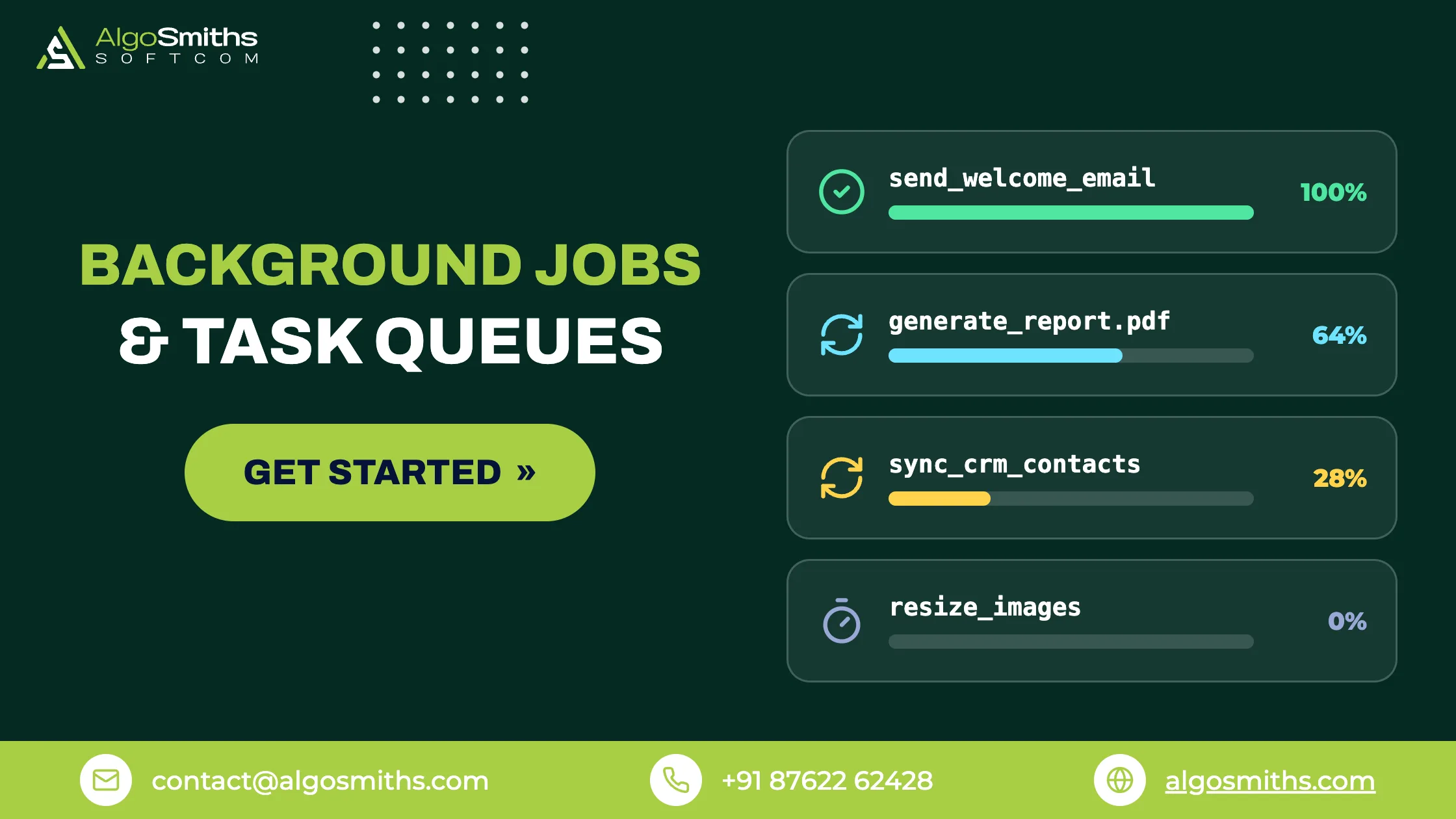
Some work is too slow to run while a user waits — sending emails, processing payments, generating exports, or calling an AI model. This founder-friendly…
Most startups don't need a full DevOps team on day one — they need the right habits. This guide shows founders how to build a lean CI/CD pipeline, choose…
Django is widely recognized for its “batteries-included” philosophy, enabling rapid web application development with features like authentication, ORM…
Serverless is no longer just a buzzword—it’s a growing architectural choice for startups looking to move fast, scale quickly, and reduce DevOps overhead…
If you're building a new product or MVP and debating between Django REST Framework and FastAPI, you're not alone. The Django vs FastAPI debate is one of the…
Choosing the right backend framework can make or break your product — especially if you’re a startup founder with limited time and resources.